

Fabric Gift Wrapping Workflow for Personalised Luxury Gifts
Folding gift wrap that goes straight in the bin feels like an unnecessary waste, especially when Christmas is a time for generosity and comfort. Eco-conscious gift givers across the United Kingdom are choosing personalised fabric gift wraps that feel as luxurious as they look, without compromising on their values. Discover how selecting eco-friendly fabrics and bespoke personalisation transforms the unboxing moment while championing sustainability and creating zero waste memories for Christmas 2025.
Table of Contents
- Step 1: Select Eco-Friendly Fabrics And Personalisation Options
- Step 2: Prepare Your Wrapping Materials And Workspace
- Step 3: Embroider Or Personalise Your Fabric Wrap
- Step 4: Wrap Gifts Using Classic Furoshiki Techniques
- Step 5: Secure And Finish With Luxury Sustainable Touches
- Step 6: Check And Present Your Beautifully Wrapped Gift
Quick Summary
| Essential Point | Detailed Explanation |
|---|---|
| 1. Choose eco-friendly fabrics | Opt for fabrics like organic cotton or silk that are durable and biodegradable, enhancing the both luxury and sustainability of your wrapping. |
| 2. Explore personalisation techniques | Use embroidery or fabric painting to add meaningful details to your wraps, showing thoughtfulness and transforming them into cherished keepsakes. |
| 3. Master Furoshiki wrapping | Learn the Japanese Furoshiki technique to create elegant wraps that are waste-free and reusable, making your gifts both beautiful and sustainable. |
| 4. Set up an organised workspace | Collect all necessary materials in an organised area to streamline your wrapping process, ensuring a calm and efficient crafting experience. |
| 5. Finish with luxury touches | Secure your wrap with sustainable embellishments like hemp twine or dried flowers, enhancing presentation and reinforcing your commitment to sustainability. |
Step 1: Select eco-friendly fabrics and personalisation options
Choosing the right fabric for your luxury gift wrapping sets the foundation for both aesthetic appeal and environmental impact. This step involves evaluating fabric types that balance durability, beauty, and sustainability, then deciding on personalisation methods that transform your wrapping into something truly meaningful. By the end of this section, you’ll know exactly which fabrics work best for your gifts and how to personalise them in ways that elevate the unboxing experience.
Start by considering the fabric weight and texture. Cotton remains the most accessible eco-friendly choice, offering softness and breathability that feels premium in hand. Organic cotton eliminates synthetic pesticide residue, making it the preferred option for conscious gift givers. Silk brings genuine luxury, catching light beautifully and creating an undeniably sophisticated presentation. However, consider how sustainable gift wrapping options extend beyond just the material itself. Recycled polyester and hemp fabrics offer durability for gifts you expect to be wrapped and rewrapped multiple times. The Japanese tradition of Furoshiki cloth wrapping demonstrates how fabric selection directly supports reusability. You might also explore linen for its strength and elegant drape, or a linen-cotton blend for the best of both worlds. Think about the colours and patterns already available in your chosen fabric. Do they complement your gift, or will you need to personalise the surface further?
Once you’ve selected your base fabric, explore personalisation options that add genuine value rather than clutter. Embroidery creates lasting beauty, whether it’s initials, dates, or meaningful symbols that connect to the recipient. Machine embroidery offers speed and consistency, whilst hand embroidery delivers a cherished, bespoke quality that justifies the luxury positioning. You can also consider fabric painting, dye work, or adding appliquéd details. For those seeking creative eco-friendly wrapping ideas, combining natural twine or dried botanicals with your fabric base creates texture and visual interest. Beadwork, subtle sequins, or silk ribbon accents work beautifully on premium fabrics without compromising the reusable nature of your wrapping. Think beyond the traditional and consider what story your personalisation tells. Is this wrapping meant to celebrate a milestone, honour a relationship, or simply surprise someone with unexpected thoughtfulness?
The key decision here involves balancing personalisation complexity with reusability. Excessive embellishments might compromise the fabric’s function for future use, whereas carefully considered personalisation actually enhances the wrapping’s value over time. Consider whether your personalisation will fade, damage easily, or limit how the fabric can be stored and reused. Combining multiple personalisation techniques creates visual depth without overdoing it. Your choices at this stage directly influence how your gift wrapping becomes heirloom worthy rather than single use.
Here is a comparison of popular eco-friendly fabrics for luxury gift wrapping:
| Fabric Type | Distinctive Qualities | Sustainability Impact | Best Use Case |
|---|---|---|---|
| Organic cotton | Soft, highly breathable | Biodegradable, chemical-free | Everyday and premium wrapping |
| Silk | Luxurious sheen and drape | Renewable, high value | Milestone occasions and keepsakes |
| Recycled polyester | Durable, good for re-use | Diverts waste from landfill | Multiple-use, practical gifts |
| Hemp | Strong, naturally textured | Low water, fast-growing | Everyday luxury, rustic effect |
| Linen | Crisp, elegant, excellent drape | Flax-based, biodegradable | Elegant events, artisan gifts |
Pro tip Order fabric swatches before committing to a full roll, and test any personalisation method on a spare piece first, as different fabrics react uniquely to embroidery, dyes, and embellishments.
Step 2: Prepare your wrapping materials and workspace
Before you start wrapping, gathering everything you need and organising your space makes the entire process smoother and more enjoyable. This step involves collecting your chosen fabrics, embellishments, tools, and creating a functional workspace where you can wrap gifts with care and precision. By the time you finish this section, you’ll have a well-organised station ready for beautiful, sustainable wrapping.
Start by assembling all your materials in one place. Lay out your selected fabrics, making sure they’re clean and free from creases. If needed, give them a gentle press with a cool iron to restore their appearance. Next, gather your personalisation supplies alongside your wrapping essentials. Your toolkit should include sharp scissors or rotary cutters for clean fabric edges, a measuring tape to ensure accurate sizing, and any embroidery supplies if you’re planning hand-finished details. Collect your eco-friendly ribbons, hemp twine, or fabric strips for securing your wrapping. Natural materials like dried flowers, leaves, or kraft paper can add finishing touches that complement your fabric choice. When setting up sustainable wrapping materials, it’s worth keeping tissue paper or cotton batting nearby for delicate items that need extra protection without compromising the reusable nature of your wrapping. Consider gathering thread in colours that match your fabrics, needles for securing embellishments, and any beads or embroidery floss you’ve selected. Don’t forget practical items like a small bowl of water for dampening fingers when working with certain fabrics, or a soft cloth for polishing any metal embellishments.
Now create your workspace. Choose a table or counter with plenty of surface area where materials can spread out without crowding. Natural light matters here, as it helps you see colours accurately and spot any imperfections in your wrapping. If natural light isn’t available, position a desk lamp nearby to illuminate your work clearly. Arrange your materials within arm’s reach, grouping similar items together for easy access. Keep your fabrics on one side, embellishments in the centre, and tools on the other side so your dominant hand can reach them naturally. A small container or tray works brilliantly for holding pins, needles, and tiny embellishments that might otherwise scatter. Having a waste bin nearby means you can immediately discard fabric scraps rather than letting them clutter your space. Clear a small corner where you can lay out completed wrapped gifts safely away from your active wrapping area. If you’re wrapping multiple gifts, this staging area prevents them from getting damaged whilst you work on others.
The workspace you create sets the tone for your entire wrapping experience. A calm, organised environment reduces stress and allows you to focus on the craft itself. You’ll work more slowly and mindfully, paying attention to details that make your wrapping genuinely luxurious. This preparation step also prevents you from forgetting materials mid-wrapping, which means fewer interruptions and a more professional final result. Your space becomes a reflection of the care you’re putting into these gifts.
Pro tip Keep a reference photo of each gift next to your wrapping station so you can visualise how your chosen fabric and personalisation details will complement the present before you begin wrapping.
Step 3: Embroider or personalise your fabric wrap
This is where your fabric wrap transforms from beautiful to genuinely meaningful. Whether you choose hand embroidery for intimate detail or machine embroidery for consistency, personalisation adds the luxury touch that makes your gift wrapping unforgettable. By the end of this section, you’ll understand the different personalisation methods available and feel confident selecting the approach that suits your vision and skill level.
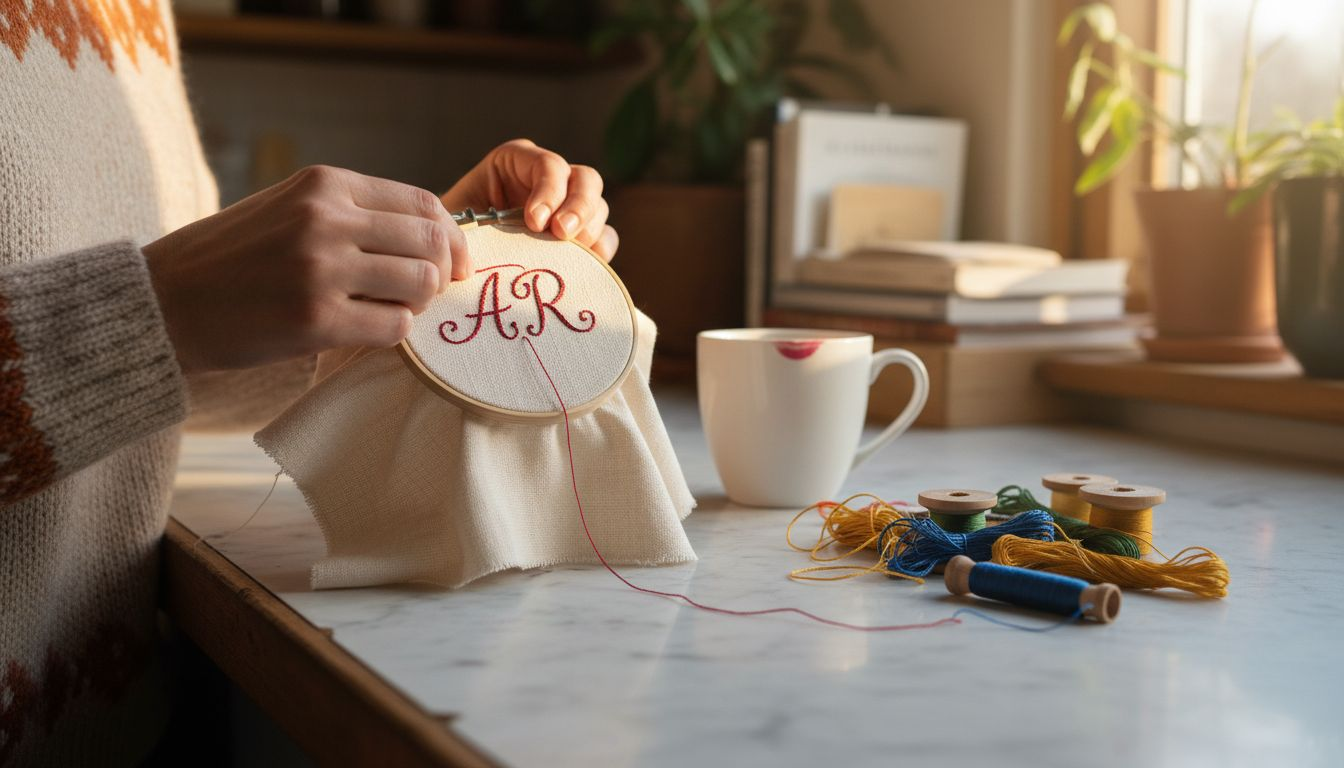
Start by deciding which personalisation technique aligns with your goals and timeline. Hand embroidery offers unparalleled charm and demonstrates genuine care, particularly when you’re personalising a single special gift. You might embroider initials, a meaningful date, a name, or a symbolic pattern that connects to the recipient. This method requires basic embroidery skills but nothing advanced. Begin by sketching your design lightly onto the fabric using a water-soluble pen or tailor’s chalk. Use an embroidery hoop to keep the fabric taut and manageable. Select thread colours that complement your chosen fabric, and work in simple, elegant stitches like backstitch for lettering or French knots for delicate accents. The beauty of hand embroidery lies in its slight imperfections, which make each wrap genuinely one of a kind. If you’re embroidering multiple gifts, machine embroidery becomes far more practical. Modern embroidery machines can digitise designs, creating consistent, professional results across multiple wraps. You can scan handwritten text, upload artwork, or use pre-designed patterns. When working with custom embroidery pattern design, consider the fabric weight and composition to ensure your machine handles it properly. Test your design on a scrap of fabric first to confirm thread tension, stitch density, and placement look exactly as you envision.
Beyond embroidery, consider alternative personalisation methods that add visual interest without requiring needlework skills. Fabric painting using textile paints creates bold, artistic designs that won’t crack or fade through washing. You might paint watercolour effects, stamps, or hand lettering directly onto your wrap. Dye techniques such as tie dye or ombré create organic, artistic patterns that feel luxurious and intentional. Fabric appliqué, where you stitch or fuse smaller fabric pieces onto your wrap, adds textural dimension and allows you to incorporate complementary colours or patterns. Beading, though time intensive, creates genuinely opulent finishes that catch light beautifully. You can secure beads individually with thread or use bead embellishments that adhere with fabric glue. Many eco-conscious gift givers combine techniques, perhaps adding subtle embroidery alongside natural decorative elements like pressed flowers or dried herbs sewn into corners.
The personalisation stage is where your gift wrapping tells a story. Whether you spend thirty minutes hand stitching initials or two hours creating an elaborate design, this investment transforms ordinary fabric into a cherished keepsake. Recipients often keep beautifully personalised wraps rather than reusing them immediately, which actually extends the life of your creation and deepens its sentimental value. Your personalisation choice reflects how well you know and value the person receiving your gift.
Below is a summary of personalisation techniques and their unique benefits:
| Technique | Distinctive Feature | Durability | Suggested Occasion |
|---|---|---|---|
| Hand embroidery | Bespoke, one-of-a-kind | Long-lasting if hand-washed | Special one-off gifts |
| Machine embroidery | Fast, consistent finish | Highly durable | Batch gifts, events |
| Fabric painting | Bold, artistic visuals | Fade-resistant if set | Creative themes, children |
| Dye techniques | Organic seamless patterns | Stain-resistant after fixing | Nature-inspired gifts |
| Beadwork | Textural, sparkling accents | May require gentle handling | Milestone and commemorative |
Pro tip Always apply personalisation to your fabric wrap before measuring and cutting it to final size, giving yourself flexibility if your design placement needs minor adjustment.
Step 4: Wrap gifts using classic Furoshiki techniques
Furoshiki wrapping represents the pinnacle of sustainable gift presentation, transforming a simple square of fabric into an elegant, secure wrap that becomes part of the gift itself. This Japanese tradition eliminates waste entirely whilst creating a wrapping method that works beautifully for virtually any gift shape or size. By mastering these classic techniques, you’ll wrap gifts with grace, cultural respect, and genuine environmental consciousness.
Begin with the right fabric size. For most standard gifts, a square fabric measuring between 75 centimetres and 100 centimetres per side works perfectly. Your personalised fabric wrap should be large enough to cover your gift with enough excess to tie securely at the top. Place your gift in the centre of your fabric square, positioned diagonally. The diagonal fold method in Furoshiki wrapping forms the foundation of this technique. Pick up the corner closest to you and fold it over the gift towards the opposite corner, creating a triangular shape. The fabric should wrap snugly but not tightly, allowing room for the remaining corners to meet. Next, fold the left corner across, then the right corner. These three corners should overlap slightly when folded over your gift, creating a neat, triangular parcel. Finally, bring the top corner down and tuck it underneath the overlapping layers, securing everything in place.
Once your basic wrap is secure, you can add the signature Furoshiki knot that holds everything beautifully. Take the two top corners and tie them together in a simple knot at the centre of the wrapped gift. This knot serves as both functional closure and decorative element. The beauty of this technique lies in its simplicity. No tape needed. No wasteful scissors marks. Your personalised fabric remains pristine, ready to be unfolded carefully and reused countless times. The recipient simply unties the knot, unfolds your fabric, and your gift wrap becomes theirs to repurpose however they choose. For oddly shaped gifts, adapt the basic technique by adjusting how you fold and position each corner. Cylindrical items might need slightly different corner positioning, but the fundamental principle remains the same. The fabric’s flexibility means Furoshiki accommodates everything from books and boxes to bottles and irregular items far better than rigid paper wrapping. You might need to practise a few times to develop confidence, but once you master the diagonal fold and corner alignment, you’ll find the process becomes meditative and deeply satisfying.
What makes Furoshiki wrapping genuinely luxurious for eco-conscious gift givers is the cultural story woven into every fold. This technique honours a centuries-old Japanese tradition whilst making a personal environmental statement. Your recipient receives not just a gift, but an experience that demonstrates thoughtfulness and sustainability working in perfect harmony. The moment they untie those fabric corners, they understand that you’ve given them something they can keep and treasure forever.
Pro tip Practise your wrapping technique on old newspaper bundles or boxes before working with your finished personalised fabric, ensuring your corners meet perfectly and your tie sits centred when it matters most.
Step 5: Secure and finish with luxury sustainable touches
This final step transforms your wrapped gift from complete to truly exceptional. Securing your fabric wrap with thoughtful, eco-friendly embellishments elevates the entire presentation whilst reinforcing your commitment to sustainability. By the end of this section, you’ll know exactly how to finish your gift in ways that balance luxury, durability, and environmental responsibility.
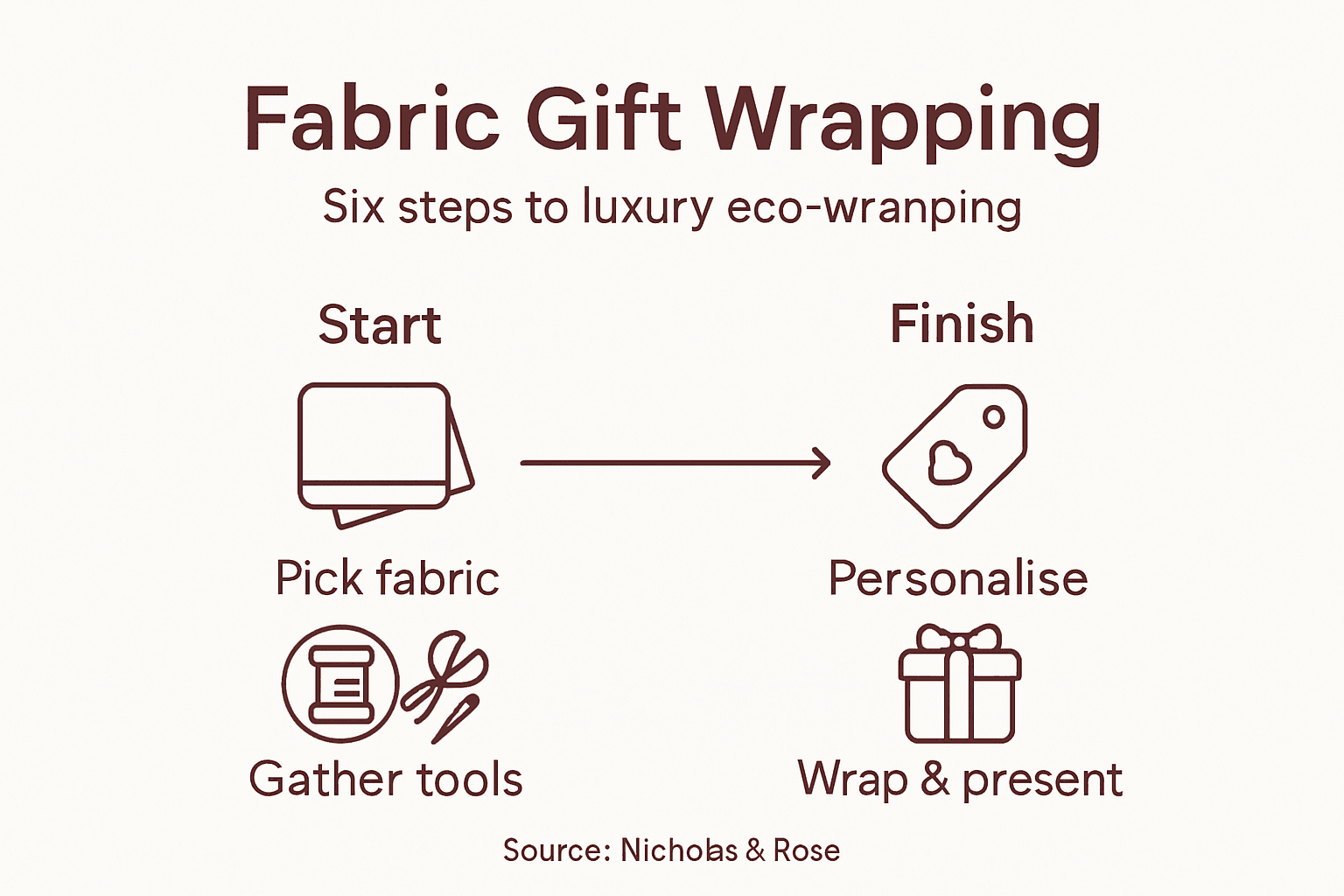
Start by securing your fabric wrap using materials that reflect luxury values. If you’ve used Furoshiki technique, your knot already provides the primary closure. For other wrapping methods, avoid plastic tape entirely and instead reach for natural alternatives. Hemp twine creates an understated, sophisticated look that photographs beautifully and can be saved and reused indefinitely. Organic cotton ribbon offers a softer appearance whilst remaining completely biodegradable. Linen twine provides strength and elegant texture. You can layer these materials for visual interest, perhaps combining a delicate ribbon with sturdy twine for both aesthetic appeal and functionality. Wax seals, though traditionally associated with correspondence, work wonderfully for luxury gift wrapping. A personalised wax seal bearing initials, dates, or meaningful symbols adds genuinely bespoke finesse. Press your seal gently onto the twine or ribbon junction, creating an authentic mark that demonstrates craftsmanship and intention.
Next, consider finishing embellishments that enhance without compromising reusability. Sustainable luxury finishes for gift wrapping incorporate natural elements that recipients can easily remove or repurpose. Dried flowers tucked into ribbon loops add colour and fragrance whilst remaining completely compostable. Sprigs of eucalyptus or lavender tied alongside your twine introduce botanical elegance. Pressed leaves or handmade paper labels add artisanal character. For particularly special gifts, consider attaching a bespoke fabric tag made from matching or complementary fabric, perhaps embroidered with the recipient’s name or a meaningful message. This tag becomes a keepsake, extending the life and value of your gift wrap experience far beyond the unwrapping moment. Avoid plastic attachments, artificial embellishments, or anything that requires effort to remove. Your finishing touches should feel like graceful additions rather than obstacles to overcome.
The presentation moment matters deeply. When your gift arrives with layers of natural materials, hand-selected textures, and visible craftsmanship, recipients immediately recognise they’ve received something genuinely thoughtful. They see the care reflected in every choice, from fabric selection through to the final ribbon knot. This sensory experience before unwrapping the actual gift creates anticipation and appreciation that mass produced wrapping simply cannot replicate. Your luxury sustainable touches communicate respect for the recipient, respect for the environment, and respect for the tradition of gift giving itself.
Pro tip Prepare a small card explaining how to care for and repurpose your fabric wrap, transforming your gift wrapping into an educational experience that encourages your recipient’s future sustainable choices.
Step 6: Check and present your beautifully wrapped gift
Before your gift leaves your hands, take a moment to inspect and perfect every detail. This final quality check ensures your wrapped present looks polished, feels secure, and reflects the genuine care you’ve invested throughout the entire process. By completing this section, you’ll confidently present a gift that impresses from the first moment it’s seen.
Start by examining your wrapped gift with fresh eyes. Step back and view it from different angles, checking that your fabric sits smoothly without bunching or gaps. If you’ve used Furoshiki technique, ensure your knots are tight, symmetrical, and positioned centrally. Run your fingers gently across the fabric surface to confirm there are no loose threads, wrinkles, or imperfections that detract from the presentation. If you notice creases, a cool iron with minimal pressure can restore the fabric’s appearance without damaging personalisation details like embroidery. Check that all your embellishments are secure. Tug gently on ribbons, twine, and decorative elements to confirm they won’t shift or fall during transport or handling. Verify that your wax seal has set properly and your fabric tags are firmly attached. Look for any sharp edges or protruding needle points that might snag fingers or tear the wrap. Smooth down any loose fabric edges that might catch. When inspecting final wrapping appearance and presentation standards, pay particular attention to fold lines and corner alignments, as these details communicate whether your wrapping was thoughtfully executed or hastily assembled.
Once you’re satisfied with the technical details, shift your focus to presentation readiness. Consider how this gift will be displayed or stored before it’s opened. Will it sit on a shelf, under a tree, or in a gift bag? Your wrapped gift should maintain its appearance in any of these scenarios. Test the weight distribution by holding it gently. If it feels unbalanced, you might adjust how you’re gripping it to demonstrate stability to the recipient. If you’ve included a care card explaining how to repurpose the fabric wrap, ensure it’s easy to find and read without requiring the recipient to unwrap anything first. Take a photograph from several angles, capturing the details that make your wrapping unique. This serves multiple purposes. You’ll have a record of your work, you can share it with loved ones who appreciate the craftsmanship, and you’ll build a visual reference library for future gift wrapping projects. The photograph also reminds you of what worked beautifully so you can replicate that success next time.
Now comes the moment of presentation. Hand your gift over with genuine confidence. Your wrapped present represents hours of thoughtful decision making, from fabric selection through to the final ribbon knot. There’s something profoundly moving about offering a gift where every layer communicates care. The recipient’s expression as they receive it, feel the quality of the fabric, notice the embroidered details, and recognise the sustainable choices all affirm that your effort mattered. This is where personalised luxury meets environmental responsibility in a genuinely meaningful way. Your wrapped gift becomes a complete experience that begins the moment it’s seen, long before the actual present is revealed.
Pro tip Deliver your gift by hand when possible, allowing you to personally explain the reusable nature of your fabric wrap and demonstrate the best way to unfold it without tearing or disturbing personalisation details.
Elevate Your Gift Wrapping with Luxurious Personalised Fabric Wraps
Discover the art of sustainable luxury with our Reusable Fabric Wrap - Luxurious Christmas Collection designed perfectly to complement your personalised embroidery and eco-friendly wrapping techniques. If you seek to create unforgettable gifts that honour tradition while embracing modern sustainability, our curated fabric wraps offer the ideal canvas for your creative expression and Furoshiki-inspired methods.
Transform your gifts into treasured keepsakes by exploring our exclusive collection at Nicholas & Rose. Act now to personalise your wrapping with care and craftsmanship that speaks volumes before the gift is even unwrapped. Embrace elegance and environmental responsibility today.
Frequently Asked Questions
What eco-friendly fabrics are best for luxury gift wrapping?
Organic cotton and silk are excellent choices for luxury gift wrapping as they are both sustainable and beautiful. Cotton is soft and breathable, while silk offers a luxurious sheen. Choose one based on the occasion and the recipient’s taste to create an appealing presentation.
How can I personalise my fabric wrap effectively?
You can personalise your fabric wrap using techniques such as hand embroidery, fabric painting, or dye work. For a meaningful touch, consider embroidering initials or symbols that resonate with the recipient; this adds a bespoke element and makes the gift feel extra special.
What tools do I need to prepare my workspace for gift wrapping?
Gather sharp scissors, fabric measuring tape, embroidery supplies, and eco-friendly ribbons for a well-prepared workspace. Organise your materials within easy reach to streamline the wrapping process, creating an efficient area where you can focus on each gift detail.
How do I secure and finish my wrapped gift with luxury touches?
Secure your fabric wrap using natural materials like hemp twine or organic cotton ribbon, which offer both beauty and sustainability. Enhance the presentation by adding bespoke tags or natural embellishments, like dried flowers, to create a refined and thoughtful finishing touch.
What should I check before presenting my wrapped gift?
Before presenting your gift, inspect the fabric for any creases, ensure all embellishments are secure, and confirm the knot is positioned evenly. Take a moment to smooth out any imperfections and arrange the gift in a way that showcases your wrapping effort; this attention to detail enhances the overall luxurious experience.
Recommended
- Luxury Gift Wrapping: Complete Guide for 2025 UK – Nicholas & Rose Limited
- Classy Reusable Gift Wrap Tutorial for Luxury Gifting – Nicholas & Rose Limited
- Why Personalise Gift Wrap: Complete Luxury Guide – Nicholas & Rose Limited
- 7 Personalised Gift Wrap Ideas for Eco-Conscious Gifting – Nicholas & Rose Limited