

Role of Fabric Wraps at Christmas – Sustainable Luxury Gifting
Every festive season, British households generate an astonishing amount of waste, with more than 100 million rolls of wrapping paper thrown away each year. As more people question the cost and impact of traditional gift wrap, the search for stylish, eco-friendly options has never felt more relevant. Discover how fabric wraps offer a sustainable twist on holiday giving, blending cultural heritage with contemporary British style while helping you reduce your environmental footprint in a meaningful way.
Table of Contents
- Defining Fabric Wraps At Christmas
- Traditional Practice And Modern Revival
- Types Of Reusable Fabric Wraps
- Environmental Impact And Ethical Considerations
- Personalisation Through Embroidery And Design
- Comparing Fabric Wraps With Paper Alternatives
Key Takeaways
| Point | Details |
|---|---|
| Sustainable Gifting | Fabric wraps are an eco-friendly alternative to traditional paper wrapping, significantly reducing waste through reusability. |
| Cultural Heritage | Originating from Japanese furoshiki, fabric wrapping combines tradition with modern sustainable practices, appealing to diverse audiences. |
| Personalisation | Custom embroidery can transform fabric wraps into meaningful keepsakes, enhancing the emotional value of gifting. |
| Long-Term Investment | Unlike single-use paper, fabric wraps can be reused many times, making them a more sustainable and economically wise choice for consumers. |
Defining Fabric Wraps at Christmas
Fabric wraps represent an elegant and sustainable alternative to traditional paper gift wrapping, transforming the holiday gifting experience into an artful practice. Originating from the Japanese tradition of furoshiki, these versatile cloths offer a sophisticated approach to presenting gifts while minimising environmental waste.
At its core, a fabric wrap is a reusable textile designed to encase gifts in a beautiful, eco-conscious manner. Unlike single-use paper wrapping that quickly becomes rubbish, these wraps can be used multiple times, creating a circular gifting ecosystem. The cloths come in various sizes, materials, and designs - from luxurious silk and cotton to intricately embroidered pieces that become part of the gift’s charm. They can be elegantly folded around presents of different shapes, transforming the act of gift-giving into a visual and tactile experience.
The sustainability credentials of fabric wraps extend beyond their reusability. By eliminating the need for disposable paper, ribbons, and sellotape, these wraps significantly reduce holiday waste. Reusable Christmas Wrap: Complete Guide for 2025 highlights how a single fabric wrap can replace dozens of paper wrappings over its lifetime, making it an environmentally responsible choice for conscious consumers.
Pro Tip: Fabric Selection Matters: Choose fabric wraps made from natural, biodegradable materials like organic cotton or linen, ensuring your sustainable gifting choice remains environmentally responsible from start to finish.
Traditional Practice and Modern Revival
The art of fabric wrapping has deep roots in Japanese cultural practice, with furoshiki representing a textile tradition spanning over twelve centuries. A historical decline followed the post-World War II era, when disposable packaging and Western wrapping techniques began to dominate consumer culture. However, recent environmental consciousness has sparked a remarkable renaissance in this traditional textile art form.
Modern fabric wrapping has evolved from a purely functional method of transporting goods to a sophisticated, environmentally responsible gifting technique. The Japanese government’s 2020 mandate charging for plastic shopping bags significantly accelerated the reappraisal of reusable textile wrapping methods. This legislative push encouraged consumers to reconsider their consumption patterns, positioning fabric wraps as an elegant solution to single-use packaging waste.
Contemporary fabric wraps blend traditional techniques with modern design sensibilities, offering versatility that extends beyond cultural boundaries. Luxury brands and eco-conscious consumers alike have embraced these textile wrapping methods, transforming them from a niche cultural practice into a global sustainable gifting trend. Historical documentation reveals that what was once a utilitarian cloth has now become a statement of environmental awareness and aesthetic sophistication.
Pro Tip: Cultural Adaptation: Learn basic furoshiki wrapping techniques from online tutorials to transform your gift presentation, respecting the traditional method while adding a personal, sustainable touch.
Types of Reusable Fabric Wraps
Reusable fabric wraps represent a diverse and innovative approach to sustainable gift presentation, with multiple fabric options emerging from eco-conscious design studies. The range of materials extends far beyond traditional wrapping techniques, offering gift-givers an array of elegant and environmentally friendly alternatives. Furoshiki, the traditional Japanese wrapping technique, has inspired contemporary designers to explore textiles ranging from lightweight cotton to luxurious silk.
The fabric wrap ecosystem includes several distinct categories that cater to different aesthetic preferences and gift sizes. Tea towels provide a robust, kitchen-friendly option with charming patterns, while vintage scarves offer a touch of vintage elegance. Artisan-crafted napkins and carefully selected fabric remnants can be transformed into beautiful gift coverings, each piece telling a unique story. Sustainable material choices now include recycled fabrics, allowing environmentally conscious consumers to reduce waste while maintaining sophisticated presentation standards.
Advanced fabric wrap designs now incorporate innovative features like adjustable sizes, integrated ribbon ties, and specialised folding techniques that accommodate gifts of varying shapes and dimensions. Luxury brands have embraced this trend, creating bespoke fabric wraps that serve as secondary gifts themselves. These wraps range from hand-embroidered silk pieces suitable for high-end presents to robust organic cotton options perfect for family exchanges.
Pro Tip: Fabric Versatility: Select fabric wraps with neutral, complementary colour palettes that can be reused across multiple occasions, maximising their sustainability and aesthetic appeal.
Here is a summary of popular reusable fabric wrap types and their characteristics:
| Type of Fabric Wrap | Material Examples | Typical Uses | Unique Feature |
|---|---|---|---|
| Furoshiki | Cotton, silk | All gift sizes, versatile | Japanese tradition, endless fold styles |
| Tea Towel | Cotton, linen | Kitchen gifts, robust items | Practical, adds kitchen value |
| Vintage Scarf | Silk, synthetics | Fashion accessories, books | Elegant, often one-of-a-kind |
| Artisan Napkin | Linen, hemp | Small to medium presents | Handcrafted, reusable daily |
| Fabric Remnant | Any textile offcut | Irregular shapes, eco wraps | Upcycled, reduces textile waste |
Environmental Impact and Ethical Considerations
The staggering environmental consequences of traditional gift wrapping reveal a critical need for sustainable alternatives. Each year, millions of tonnes of wrapping paper are discarded, creating substantial waste that overwhelms landfill sites and contributes to environmental degradation. Traditional wrapping materials often contain non-recyclable elements like glitter, metallic coatings, and synthetic adhesives, which further compound their ecological impact.
Fabric wraps represent a sophisticated solution to this environmental challenge, offering multiple layers of sustainability beyond single-use packaging. These textile alternatives can be reused dozens of times, dramatically reducing the waste associated with gift presentation. Contemporary research highlights how non-recyclable wrapping materials significantly burden waste management systems, making fabric wraps an ethical choice for environmentally conscious consumers. The lifecycle of a single fabric wrap can prevent dozens of paper wrappings from entering waste streams, creating a meaningful reduction in annual holiday waste.
The ethical considerations extend beyond waste reduction. Sustainable fabric wraps often support artisan communities, promoting fair labour practices and preserving traditional textile crafting techniques. By selecting fabric wraps crafted from organic, responsibly sourced materials, consumers can make a statement about their commitment to environmental stewardship and social responsibility. These textile alternatives not only reduce ecological impact but also celebrate cultural heritage and support sustainable manufacturing practices.
Pro Tip: Waste Reduction Strategy: Calculate the potential waste reduction by switching to fabric wraps and share this impact with friends and family to inspire collective sustainable gifting practices.
Personalisation Through Embroidery and Design
Personalisation transforms fabric wraps from simple packaging into meaningful, cherished keepsakes, elevating the gift-giving experience beyond traditional wrapping methods. Embroidery offers a sophisticated avenue for creating unique, individual expressions that reflect both the gift-giver’s creativity and the recipient’s personal style. Intricate needle-work can incorporate names, special dates, meaningful symbols, or delicate decorative patterns, turning each fabric wrap into a personalised textile artwork.
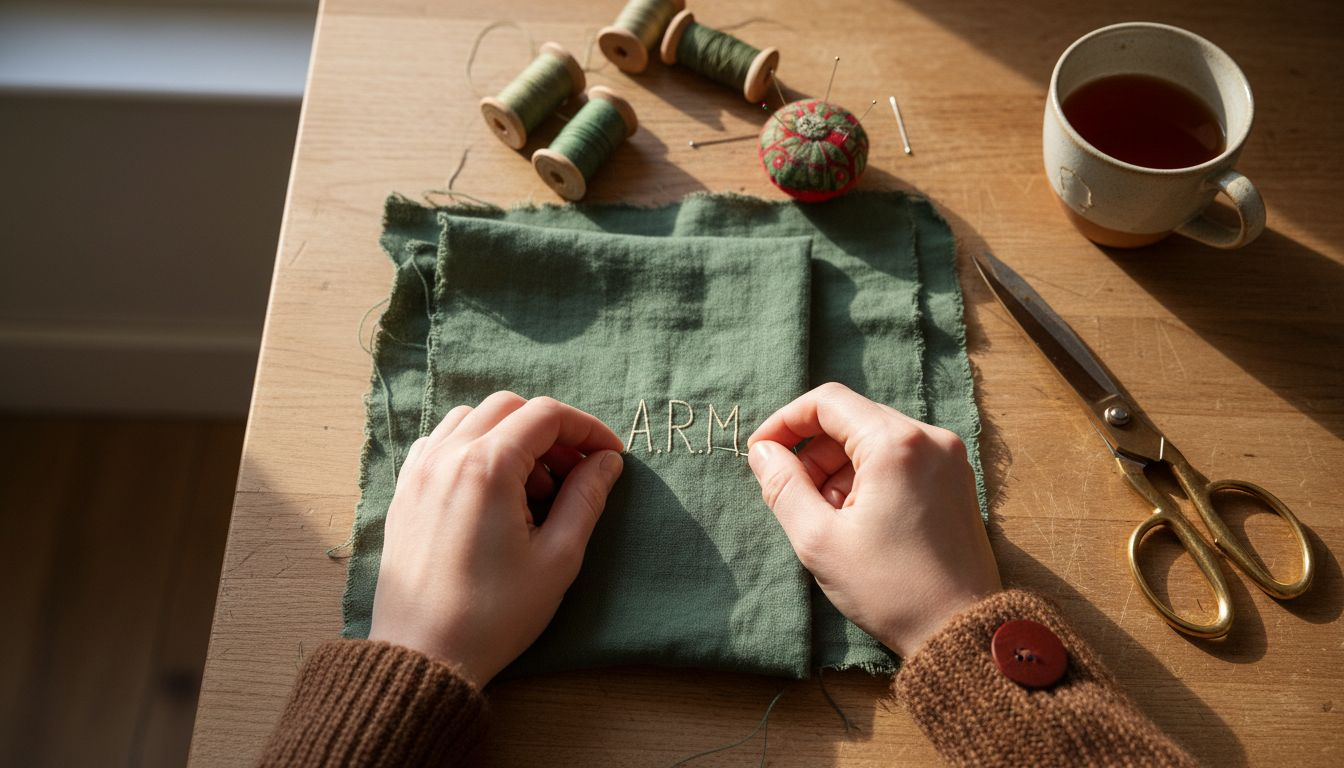
The art of personalisation extends far beyond simple monogramming. Contemporary designers are exploring innovative techniques that blend traditional craftsmanship with modern aesthetic sensibilities. Hand-embroidered details might feature delicate botanical motifs, geometric patterns, or even miniature landscape scenes that transform the fabric wrap into a standalone piece of textile art. These personalised elements not only enhance the visual appeal but also create an emotional connection, transforming the wrap from a mere covering into a treasured memento that can be preserved and reused.
Technological advancements have further expanded personalisation possibilities, allowing for precise digital embroidery and intricate design implementations. Artisan craftspeople can now integrate complex, multi-layered designs with unprecedented detail, using techniques that range from traditional hand-stitching to advanced computerised embroidery machines. The result is a bespoke textile that tells a story, commemorates a special occasion, or simply reflects the unique relationship between the gift-giver and recipient. By selecting high-quality, sustainable fabrics and combining them with thoughtful, personalised embroidery, individuals can create gift wraps that are both environmentally responsible and deeply meaningful.
Pro Tip: Design Consultation: Collaborate directly with local textile artisans to develop a personalised embroidery design that captures the essence of your relationship and the specific occasion.
Comparing Fabric Wraps With Paper Alternatives
Traditional paper gift wrapping represents a fleeting, environmentally destructive practice that culminates in immediate waste, whereas fabric wraps offer a revolutionary approach to sustainable gifting. Paper alternatives typically involve single-use materials that are discarded moments after unwrapping, creating substantial environmental burden. In stark contrast, fabric wraps transform gift presentation into a circular, reusable experience that minimises ecological impact.
The economic and environmental comparisons between paper and fabric wraps reveal significant disparities. A single paper wrap is used once and immediately discarded, whereas a high-quality fabric wrap can be reused dozens of times, potentially serving multiple gift-giving occasions across years. The durability of fabric wraps means they represent a long-term investment, with intrinsic value that extends far beyond the initial gift presentation. Paper wraps often contain non-recyclable elements like glitter, metallic coatings, and synthetic adhesives, whereas fabric wraps can be crafted from natural, biodegradable materials that align with sustainable lifestyle choices.
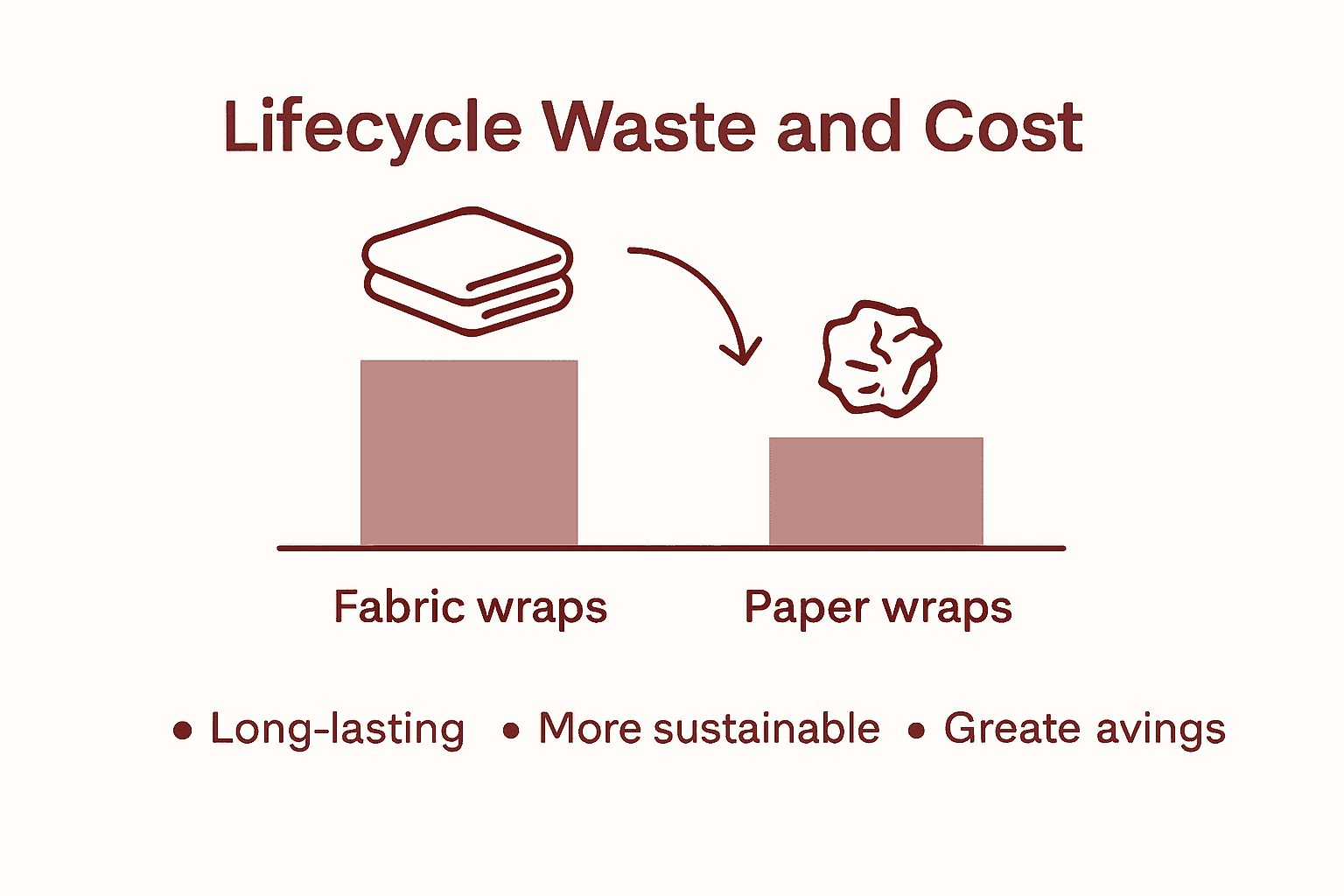
Beyond environmental considerations, fabric wraps introduce an aesthetic and emotional dimension absent in traditional paper wrapping. They can be personalised, embroidered, and transformed into keepsakes that become part of the gift’s narrative. Paper wraps are ephemeral and instantly forgettable, while fabric wraps can carry sentimental value, potentially becoming cherished items that recipients preserve. The tactile quality of fabric wraps also provides a more luxurious, intentional gifting experience, elevating the act of present-giving from a mundane task to an artful exchange.
Compare the environmental and emotional impact of fabric wraps and paper wraps:
| Aspect | Fabric Wrap | Paper Wrap |
|---|---|---|
| Environmental Impact | Minimal, reusable | High, single-use waste |
| Emotional Value | Becomes a keepsake | Discarded immediately |
| Reusability | Dozens of uses | Used once only |
| Initial Cost | Higher upfront | Low per use |
Pro Tip: Lifecycle Calculation: Compare the cost and environmental impact of paper wraps versus a single fabric wrap by calculating the number of uses and waste generated, which typically demonstrates the superior sustainability of fabric alternatives.
Elevate Your Christmas Gifting with Sustainable Fabric Wraps
The challenge of reducing waste while gifting beautifully is real and urgent every Christmas. Fabric wraps offer a solution that combines environmental responsibility with luxurious presentation. If you want to replace single-use paper wrapping with a timeless, reusable alternative that can be personalised through embroidery, our Reusable Fabric Wrap - Luxurious Christmas Collection is designed just for you. These wraps honour the traditional art of furoshiki and bring a modern sustainable sophistication to your festive celebrations.
Discover how you can make an emotional and ecological impact by choosing fabric wraps that become cherished keepsakes instead of disposable waste. Visit Nicholas & Rose Limited today and explore curated pieces that blend sustainability with elegance. For a versatile selection of timeless gift essentials, also explore our Favourite Four collection to complete your eco-luxury gifting experience. Start your journey towards mindful gifting now and inspire loved ones to embrace a more sustainable holiday season.
Frequently Asked Questions
What are fabric wraps and how are they used for Christmas gifting?
Fabric wraps are reusable textiles, often inspired by the Japanese tradition of furoshiki, designed to elegantly encase gifts while reducing environmental waste. They come in various sizes and materials and can be folded around different shapes of presents.
How do fabric wraps contribute to sustainability during the festive season?
Fabric wraps significantly minimise waste compared to traditional paper wrapping. They can be reused multiple times, reducing the overall need for disposable materials like wrapping paper, ribbons, and tape, which often end up in landfills.
What types of fabric are recommended for creating effective fabric wraps?
Natural, biodegradable materials like organic cotton and linen are recommended for fabric wraps, as they ensure that gifting remains environmentally responsible throughout its lifecycle. Options also include vintage scarves and artisan-crafted pieces.
How can I personalise my fabric wraps for a more special gifting experience?
You can personalise fabric wraps through embroidery, incorporating names, special dates, or motifs that resonate with the recipient. Collaborating with local artisans can also lead to bespoke designs that add a unique touch to each gift.
Recommended
- Reusable Holiday Wrap: Eco-Luxury Gifting Explained – Nicholas & Rose Limited
- Luxury Eco Christmas Wrapping Tutorial with Fabric Gifts – Nicholas & Rose Limited
- 7 Top Reusable Fabric Wraps for Luxurious Eco Gifts – Nicholas & Rose Limited
- 7 Personalised Gift Wrap Ideas for Eco-Conscious Gifting – Nicholas & Rose Limited