

7 Steps to a Gift Wrap Sustainability Checklist for Parents
Gift wrapping for children’s birthdays and holidays often creates an unexpected challenge. Beautiful paper and sparkly decorations can leave behind mountains of waste, and finding eco-friendly alternatives is rarely straightforward. If you want to reduce environmental impact while making gifting more meaningful, there are practical methods that work for real families. This guide will show you how to choose reusable wraps, prioritise natural fabrics, and even create keepsakes that last. Discover actionable ways to transform gift-giving into a sustainable tradition with creative, planet-friendly ideas you can start using straight away.
Table of Contents
- 1. Choose Reusable Gift Wrap Over Disposable Options
- 2. Prioritise Natural and Organic Fabrics
- 3. Opt for Personalised Embroidery for Keepsakes
- 4. Avoid Glitter, Foil and Plastic Decorations
- 5. Reuse and Store Fabric Wraps for Future Events
- 6. Support UK-Based Sustainable Brands
- 7. Educate Friends and Family on Eco-Friendly Gift Giving
Quick Summary
| Key Message | Explanation |
|---|---|
| 1. Embrace Reusable Gift Wrap | Opt for fabric wraps to significantly reduce waste and make gift-giving more sustainable. |
| 2. Choose Organic Fabrics | Use organic materials like cotton and linen for a more eco-friendly option compared to synthetics. |
| 3. Personalise with Embroidery | Create keepsake wrapping with personalised embroidery, turning gift wrap into a treasured memory. |
| 4. Avoid Glitter and Plastics | Steer clear of glitter and plastic decorations to minimise environmental pollution and protect ecosystems. |
| 5. Educate Friends on Sustainability | Share knowledge about eco-friendly gift practices to inspire broader community action towards sustainability. |
1. Choose Reusable Gift Wrap Over Disposable Options
Every year, billions of festive and birthday gift wrapping papers end up in landfills, creating unnecessary environmental waste. Parents seeking sustainable alternatives can dramatically reduce their ecological footprint by embracing reusable fabric gift wrap.
Disposable wrapping paper represents a significant environmental challenge. Most traditional wrapping papers are:
- Single-use materials
- Often non-recyclable
- Manufactured using resource-intensive processes
- Quickly discarded after mere moments of use
Reusable fabric gift wrap offers a sophisticated and eco-conscious alternative. These elegant wrapping solutions can be used multiple times, transforming a momentary gift presentation into a sustainable practice. By selecting fabric wrapping techniques, parents can create memorable gift experiences while minimising environmental impact.
Sustainable gift wrapping isn’t just an ecological choice - it’s a statement of responsible parenting.
Fabric gift wraps come in various materials including cotton, silk, and recycled textiles. They can be:
- Personalised with embroidery
- Washed and reused multiple times
- Stored easily between gift-giving occasions
- Adapted for different gift sizes and shapes
Pro tip: Start your sustainable gift wrap collection with versatile neutral-toned fabrics that can be embellished or styled for various occasions.
2. Prioritise Natural and Organic Fabrics
Organic fabrics represent a transformative approach to sustainable gift wrapping, offering parents an environmentally conscious alternative to traditional synthetic materials. Natural textile innovations are revolutionising how we think about wrapping and presenting gifts.
Sustainable gift wrapping increasingly embraces organic materials that minimise environmental impact. These fabrics provide multiple benefits beyond traditional single-use wrapping papers:
- Reduced chemical processing
- Lower environmental footprint
- Multiple reuse opportunities
- Biodegradable material properties
- Enhanced aesthetic appeal
When selecting organic fabrics for gift wrapping, consider materials such as organic cotton, linen, and hemp. These textiles not only look elegant but also support sustainable textile production practices. Organic cotton, in particular, requires significantly less water and eliminates harmful pesticide usage compared to conventional cotton production.
Choosing organic fabrics is more than a decorative choice - it’s a commitment to environmental responsibility.
Practical options for organic gift wrapping include:
- Repurposed tea towels
- Vintage scarves
- Organic cotton napkins
- Handwoven textile pieces
- Naturally dyed fabric squares
Pro tip: Build a collection of versatile organic fabric pieces in neutral tones that can be creatively folded and reused for multiple gift-giving occasions.
3. Opt for Personalised Embroidery for Keepsakes
Personalised embroidery transforms ordinary gift wrapping into a cherished memory that transcends the moment of gifting. Sustainable embroidery practices offer an innovative approach to creating meaningful, eco-conscious keepsakes.
Embroidery has evolved from a traditional craft to a powerful method of creating lasting, personalised gifts that reduce waste and celebrate individual connections. By selecting personalised embroidered gift wrap, parents can create items that become treasured mementos rather than disposable packaging.
The cultural and environmental significance of personalised embroidery extends beyond aesthetic appeal:
- Supports local artisan communities
- Reduces textile waste
- Creates long-lasting meaningful items
- Minimises environmental impact
- Preserves traditional craftsmanship
Personalised embroidery transforms a simple gift into a generational narrative.
Consider these creative personalisation options:
- Baby’s birth date and name
- Family crests or meaningful symbols
- Commemorative coordinates
- Inspirational quotes
- Handwritten message reproductions
Pro tip: Select eco-friendly threads like organic cotton or recycled polyester to ensure your personalised keepsake remains environmentally responsible.
4. Avoid Glitter, Foil and Plastic Decorations
Glitter and plastic decorations might look festive but pose a significant environmental threat to our delicate ecosystems. Microplastic contamination from decorative materials represents a hidden ecological challenge that every eco-conscious parent should understand.
Traditional gift decorations like glitter and metallic foils create substantial environmental damage through their persistent microplastic composition. These seemingly innocent embellishments break down into microscopic particles that infiltrate water systems and disrupt natural habitats.
Environmental risks associated with decorative waste include:
- Persistent aquatic ecosystem damage
- Reduced photosynthesis in marine environments
- Long-term microplastic accumulation
- Potential harm to wildlife
- Difficult waste management challenges
Small decorative choices can create significant environmental consequences.
Alternative eco-friendly decoration options include:
- Natural dried flower petals
- Cotton or linen ribbons
- Twine made from organic materials
- Recyclable paper embellishments
- Biodegradable silk threads
Pro tip: Select natural decorative elements that can be composted or reused, transforming gift wrapping from a potential environmental liability into a sustainable creative expression.
5. Reuse and Store Fabric Wraps for Future Events
Transforming gift wrapping from a single-use practice to a sustainable tradition requires thoughtful storage and maintenance of fabric wraps. Fabric wrapping techniques represent an innovative approach to reducing waste and creating lasting gifting memories.
Reusable fabric wraps offer an elegant solution to disposable wrapping paper. By carefully storing and maintaining these versatile textiles parents can create a sustainable gift wrapping system that reduces environmental impact while preserving aesthetic appeal.
Strategic fabric wrap storage involves several key considerations:
- Clean and press wraps after each use
- Store in a cool dry environment
- Fold carefully to prevent permanent creasing
- Organise by size and occasion
- Keep away from direct sunlight
A well-maintained fabric wrap becomes a cherished family heirloom.
Multipurpose fabric wrap options include:
- Japanese furoshiki techniques
- Vintage tea towels
- Silk scarves
- Organic cotton squares
- Lightweight linen cloths
Pro tip: Create a dedicated storage box or drawer for your fabric wraps with acid-free tissue paper to maintain their pristine condition and prevent unnecessary wear.
6. Support UK-Based Sustainable Brands
Choosing UK-based sustainable brands represents a powerful strategy for environmentally conscious gift wrapping. Sustainable textile initiatives are transforming the UK’s approach to eco-friendly packaging and waste reduction.
Supporting local sustainable brands goes beyond simple consumerism. It represents a commitment to reducing carbon footprints, supporting domestic manufacturing, and promoting circular economy principles in the gift-giving process.
Key benefits of supporting UK sustainable brands include:
- Reduced transportation emissions
- Support for local craftsmanship
- Shorter supply chains
- Greater transparency in production
- Direct investment in domestic sustainability efforts
Local brands create global change through responsible manufacturing.
Criteria for selecting UK sustainable gift wrap brands:
- Transparent manufacturing processes
- Use of recycled or organic materials
- Commitment to minimal packaging
- Fair labour practices
- Evidence of environmental certifications
Pro tip: Research brands that offer not just sustainable materials but also transparent supply chains and a genuine commitment to environmental stewardship.
7. Educate Friends and Family on Eco-Friendly Gift Giving
Spreading awareness about sustainable gifting practices transforms individual actions into collective environmental progress. Sustainable gift-giving strategies empower families to make meaningful choices that reduce waste and promote ecological responsibility.
Education is the cornerstone of meaningful behavioural change. By sharing knowledge about eco-friendly gift options, parents can inspire their social circles to adopt more sustainable practices and understand the broader environmental implications of their choices.
Effective strategies for sharing sustainable gift-giving insights include:
- Host informal discussion gatherings
- Share informative social media content
- Gift sustainable wrapping as demonstration
- Create personalised resource guides
- Lead by example
Small conversations can spark significant environmental transformations.
Topics to discuss with friends and family:
- Environmental impact of traditional wrapping
- Benefits of reusable fabric wraps
- Local sustainable brand recommendations
- Circular economy principles
- Creative waste reduction techniques
Pro tip: Create a simple digital or printed guide showcasing your sustainable gift-giving journey to inspire and educate your social network without feeling preachy.
Below is a comprehensive table summarising sustainable gift wrapping practices and strategies discussed throughout the article.
| Category | Details | Benefits |
|---|---|---|
| Reusable Gift Wrap | Fabric wraps made of materials like cotton or silk, personalised and reusable for future uses. | Reduces waste, enhances aesthetics, supports sustainability. |
| Natural and Organic Fabrics | Embrace textiles such as organic cotton and hemp featuring low-impact production. | Environmentally friendly, aesthetic, biodegradable properties. |
| Personalised Embroidery | Incorporating individualised embroidery on wraps for memorability and reuse. | Supports artisans, creates keepsakes, reduces waste. |
| Eco-Friendly Decorations | Use biodegradable items like dried flowers or natural threads instead of synthetic materials. | Adds beauty, avoids microplastic pollution, and can be composted. |
Elevate Your Gift Giving with Sustainable, Personalised Fabric Wraps
Parents striving to reduce waste and embrace eco-friendly gift wrapping will discover a trusted ally in our range of Reusable Fabric Wrap - Luxurious Christmas Collection. This collection perfectly addresses the challenge of single-use, disposable wrapping paper by offering elegant, reusable fabric options that can be personalised through embroidery to create lasting keepsakes. These unique keepsakes become more than packaging – they transform gifting into a meaningful tradition that celebrates both your child and the planet.
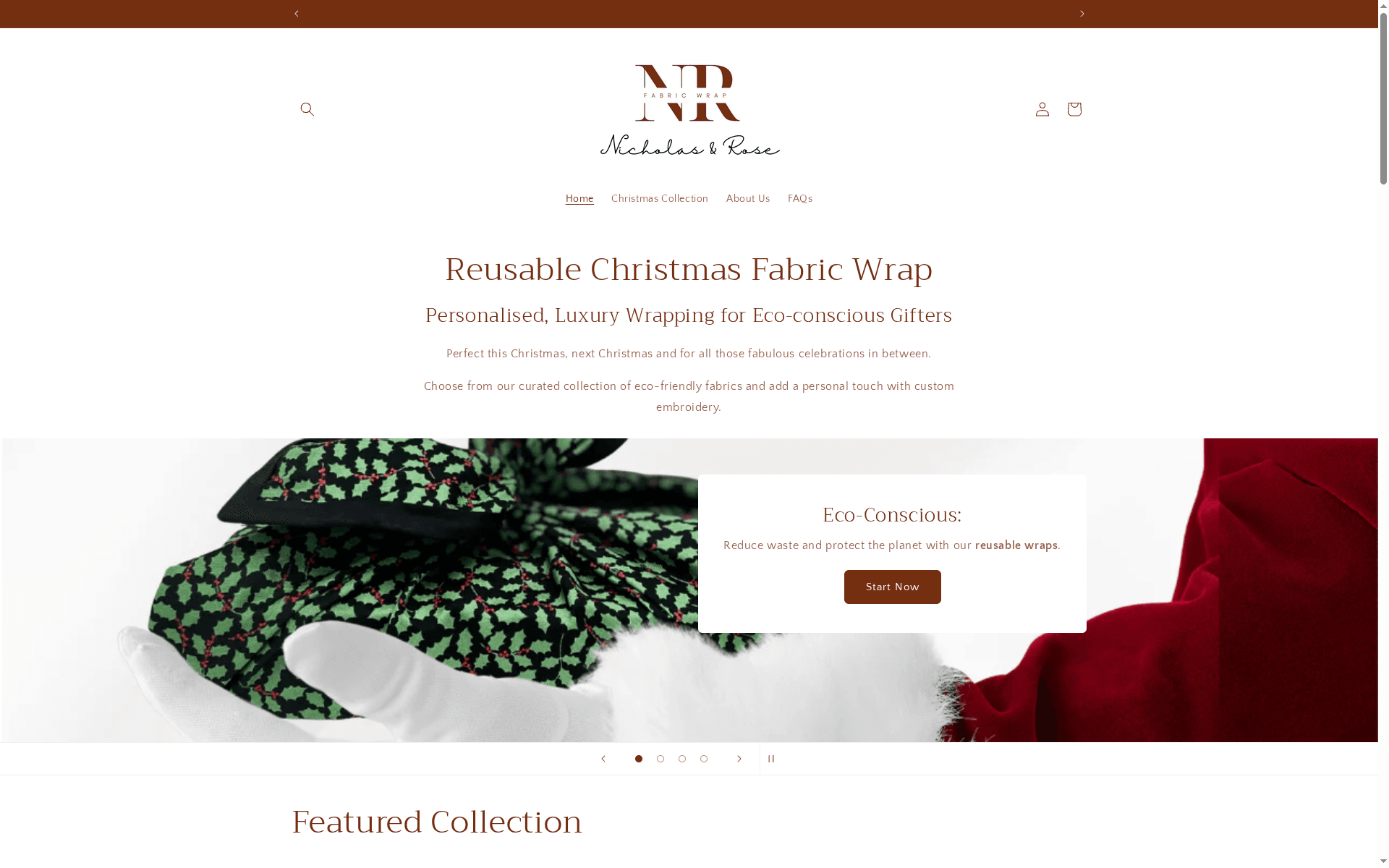
Take the next step today by exploring our full Newborn Essentials collection, designed with sustainability and thoughtful design at its heart. Make a conscious choice with Nicholas & Rose Limited to cherish memories, reduce waste, and nurture a greener future for your little one. Visit us now and join the movement towards timeless, responsible gift wrapping.
Frequently Asked Questions
How can I start using reusable gift wrap as a sustainable option?
Begin by selecting fabric gifts wraps that can be used multiple times, such as cotton or silk. Create a small collection of versatile wraps that suit various occasions to make sustainable gift wrapping a regular practice.
What types of organic fabrics are best for sustainable gift wrapping?
Opt for organic cotton, linen, or hemp as they are environmentally friendly choices. These materials not only reduce chemical usage but are also biodegradable, making them ideal for sustainable gift wrapping.
How can I incorporate personalised embroidery into my gift wrapping?
Consider adding personalised embroidery to your fabric wraps, such as names or meaningful symbols. This creates a unique and memorable keepsake, transforming your wrapping into a treasured item instead of disposable packaging.
What should I avoid when decorating my gift wrap to be eco-friendly?
Steer clear of glitter, foil, and plastic decorations as they contribute to environmental harm through microplastic pollution. Instead, use natural decorations like dried flower petals or organic ribbons that can be composted or reused.
How do I care for my fabric wraps to ensure they last?
After each use, wash and press your fabric wraps, then store them in a cool, dry place to prevent creasing. By maintaining their condition, you can regularly reuse your wraps and significantly reduce waste over time.
What steps can I take to educate my family about sustainable gift wrapping?
Host informal discussions or share informative content about eco-friendly gift options with your family and friends. By leading by example and providing resources, you can inspire them to make sustainable choices as well.
Recommended
- Gift Wrap Etiquette: Sustainable Luxury for 2025 – Nicholas & Rose Limited
- Sustainable Gift Wrap Choices: Eco-Luxury for 2025 – Nicholas & Rose Limited
- Reusable Wraps in Sustainability: Lasting Impact – Nicholas & Rose Limited
- How to Choose Eco Friendly Wrap 2025 for Luxurious Gifts – Nicholas & Rose Limited