

Personalisation in Gifting: Creating Keepsakes for Eco-Conscious Families
Searching for gifts that truly celebrate your newborn while honouring your eco-conscious values can feel like a delicate balance. For British parents who care about more than fleeting trends, finding luxury keepsakes that are both personalised and sustainable turns gifting into a meaningful act. Discover how the union of personalisation and mindful choices creates gifts that are treasured for years—not just enjoyed for a moment—offering a legacy of care and intention.
Table of Contents
- Personalised Gifting And Eco-Conscious Values
- Types Of Personalised Gifts For Babies And Toddlers
- Reusable Fabric Gift Wrap Versus Single-Use Paper
- Emotional Impact And Lasting Keepsakes
- Sustainable Gifting: Risks, Costs, And Alternatives
Key Takeaways
| Point | Details |
|---|---|
| Personalised Gifting Enhances Emotional Connections | Personalised gifts foster long-lasting emotional bonds, making them cherished keepsakes rather than disposable items. |
| Sustainability Through Reducing Consumption | Emphasising fewer, meaningful personal gifts aligns gifting practices with eco-conscious values, reducing waste. |
| Reusable Fabric Wraps Matter | Opt for personalised reusable fabric wraps to minimise waste and contribute to sustainable gifting rituals. |
| Building Family Traditions | Establish rituals around personalised gifting, instilling values of thoughtfulness and appreciation in children. |
Personalised gifting and eco-conscious values
Personalisation and sustainability form a powerful partnership when you shift your thinking about what gifts truly mean. Rather than viewing personalisation as encouraging more consumption, it becomes a tool for purposeful, mindful gifting that aligns with your environmental values.
Why personalisation matters for your family’s values
Personalised gifts carry a different weight. Research shows that personalised gifts create lasting emotional connections and enhance how recipients feel about themselves. When you personalise a gift, you’re communicating care and intention—something that becomes a lasting keepsake rather than another item destined for landfill.
This creates what researchers call ‘vicarious pride’: that feeling when a child opens a personalised gift and realises someone thoughtfully chose something specifically for them. This emotional resonance means the gift stays treasured, not discarded.
Green personalisation: consumption reimagined
Traditional personalisation encourages buying more. But green personalisation flips this idea. Instead of purchasing multiple generic gifts, you select fewer, more meaningful items and personalise them to carry lasting significance.
For eco-conscious families, this approach reduces waste at every stage:
- Fewer gifts purchased overall
- Gifts kept longer because they’re emotionally valuable
- Reduced packaging waste through thoughtful presentation
- Children develop appreciation for quality over quantity
Personalisation through sustainable wrapping
The gift wrapping becomes part of your values statement. By using reusable fabric gift wrap that can be personalised through embroidery, you’re replacing single-use paper with something that becomes part of the gift itself.
Your newborn receives a gift wrapped in fabric bearing their name or initials. That wrapping becomes a keepsake they’ll treasure as they grow—transforming packaging from waste into a lasting memento.
Creating heirloom moments for your children
Personalised gifts signal permanence. A baby blanket embroidered with a name becomes something parents pass down. A personalised fabric wrap used year after year becomes a ritual your family recognises.
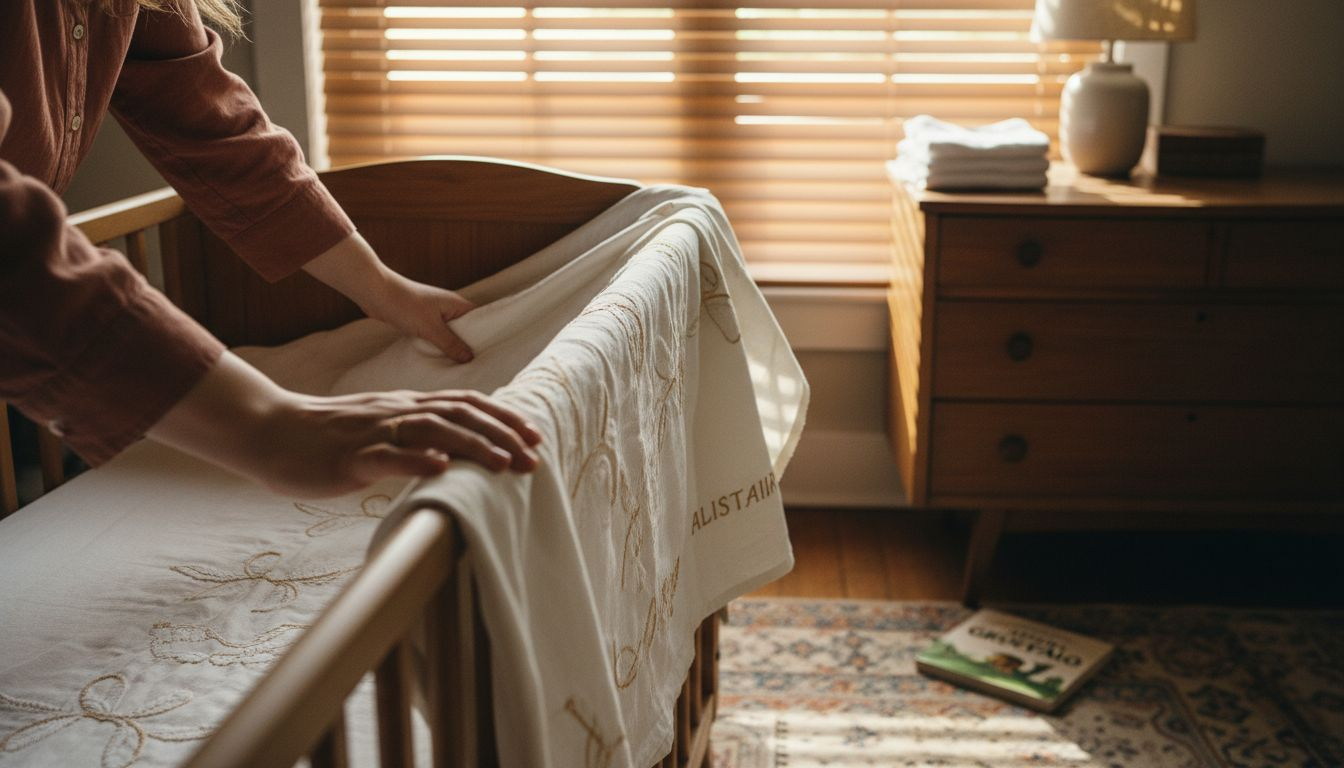
This creates the opposite of throwaway culture. Each personalised item carries a story, a moment, a specific person’s thoughtfulness.
The eco-conscious choice
Choosing personalised, reusable gifting means:
- Your values align with your actions
- Gifts reflect genuine care, not convenience
- Packaging becomes part of the keepsake
- Children learn that meaningful things endure
- Less waste enters landfills from your household
Personalisation transforms gifting from transactional to meaningful, making it the most sustainable choice of all.
Pro tip: When gifting to newborns and toddlers, personalise the wrap itself rather than just the gift—this creates a lasting keepsake that grows with your child and demonstrates your commitment to thoughtful, sustainable practices.
Types of personalised gifts for babies and toddlers
Choosing the right personalised gift for a newborn or toddler means balancing what delights them with what aligns with your environmental values. The best options combine sustainability, safety, and lasting meaning—gifts that grow with your child.
Personalised clothing and textiles
Babies and toddlers outgrow clothing quickly, but personalised pieces become keepsakes. Embroidered names, initials, or meaningful dates transform ordinary baby clothes into treasured items parents save long after their children move to the next size.
Consider:
- Organic cotton baby grows with embroidered names
- Personalised muslin cloths used daily for years
- Embroidered blankets passed to younger siblings
- Personalised sleep sacks that signal comfort
These items serve a practical purpose whilst carrying sentimental weight. A baby’s personalised blanket becomes something parents photograph, something siblings inherit, something that carries memory.
Sustainable keepsake hampers
Personalised gift hampers tailored to your baby’s stage offer thoughtful variety. Eco-friendly hampers with customised items let you curate selections using only safe, non-toxic materials that parents actually need.
You might include:
- Organic wooden toys with baby’s name engraved
- Personalised milestone cards made from recycled card
- Natural fibre soft toys with embroidered initials
- Sustainable skincare in reusable containers
Sensory toys from sustainable materials
Toddlers learn through touch and exploration. Personalised sensory toys—wooden teethers engraved with names, soft fabric toys with embroidered details—engage their development whilst remaining completely safe.
These toys often become comfort objects, making personalisation especially meaningful. A toddler recognises their name on their favourite toy, creating early attachment to a cherished item.
The wrapping as gift
Remember that your wrapping choice matters equally. Personalised reusable fabric wraps used to present these gifts extend the keepsake value. The wrap itself becomes part of your child’s memory of receiving the gift.
What makes these gifts truly eco-conscious
The sustainability comes from intentionality:
- Fewer items purchased overall
- Each gift chosen specifically for your child
- Materials safe for babies from day one
- Items kept indefinitely, not discarded after use
- Passed to younger siblings or cousins
Personalised gifts for babies and toddlers work differently than generic options—they create lasting emotional bonds rather than temporary entertainment.
Your child grows attached to personalised items because they recognise their name, their identity within the gift itself. This transforms utility into meaning.
Pro tip: Choose personalised textiles and comfort items for newborns, as these become the gifts they’ll recognize and treasure throughout childhood, making them worth the investment in quality sustainable materials.
To help you select eco-conscious personalised gifts, here’s a quick summary of best choices:
| Gift Type | Personalisation Options | Sustainability Benefit |
|---|---|---|
| Organic textiles (blankets, clothes) | Embroidery, initials, dates | Biodegradable, lasting keepsake |
| Wooden toys | Name engraving | Durable, uses renewable resources |
| Fabric gift wraps | Name, date stitch | Reusable, replaces single-use paper |
| Recycled milestone cards | Customised text | Reduces new material use |
Reusable fabric gift wrap versus single-use paper
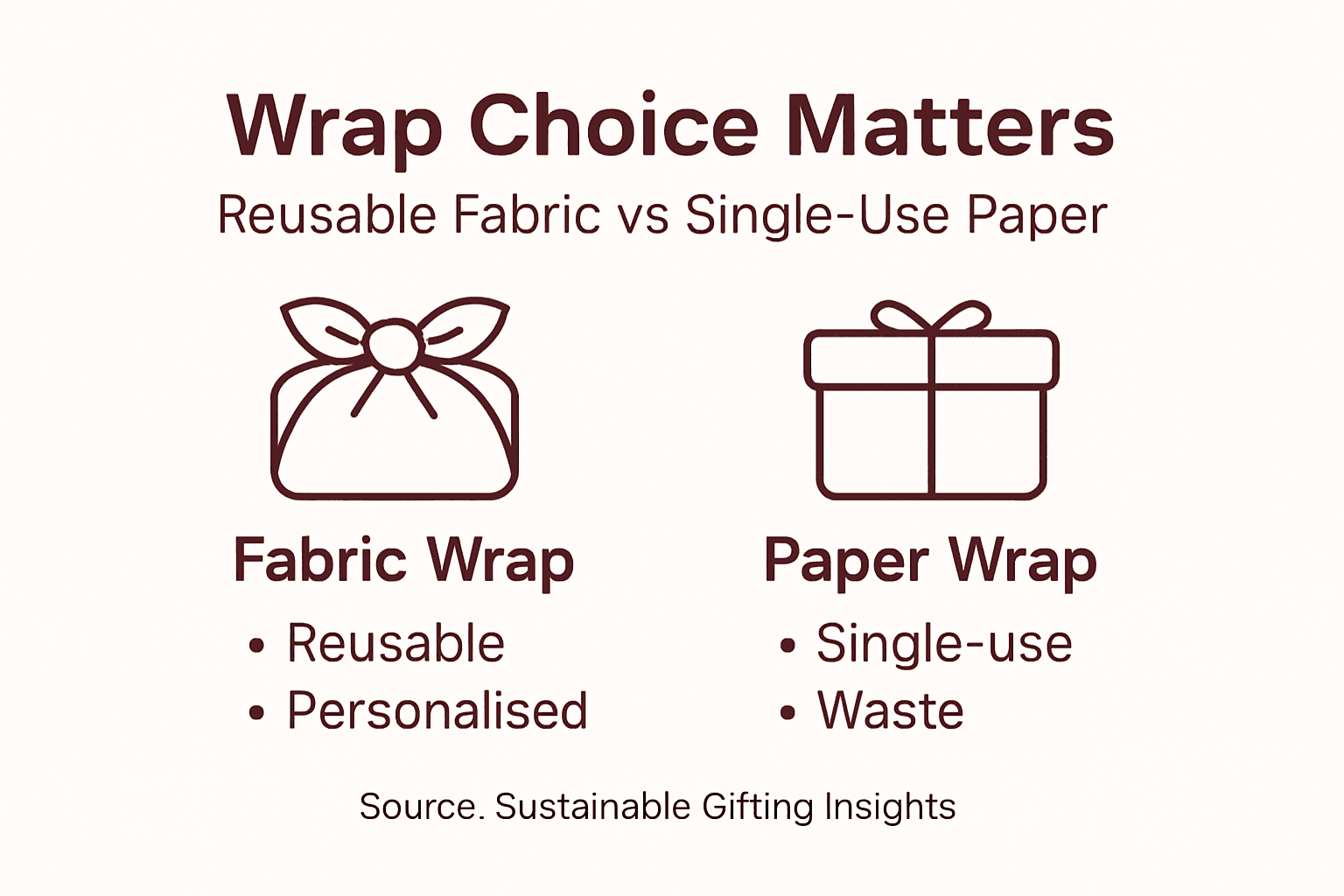
The moment you choose how to wrap a gift, you’re making an environmental statement. Single-use paper wrapping ends up in landfill bins within minutes of unwrapping, whilst reusable fabric offers something fundamentally different.
The lifecycle difference
Paper gift wrap serves one purpose: decoration for moments. Once torn open, it becomes waste destined for recycling or landfill. Most paper wraps contain plastic components, making them difficult to recycle properly, and they’re often discarded before the gift is even opened.
Reusable fabric wrap begins its life when you choose it, not when you purchase it. That same wrap wraps gifts for years—birthdays, Christmas, baby showers, celebrations throughout your child’s childhood.
Environmental impact: The numbers matter
Research on sustainable packaging design shows reusable fabric wrap dramatically reduces environmental footprints compared to single-use paper. One fabric wrap replaces dozens of paper rolls over time, minimising waste and resource consumption.
Consider the facts:
- Single-use paper wrap creates tonnes of landfill waste annually
- Most paper wrap cannot be composted due to plastic coatings
- Fabric wrap reused 50+ times eliminates decades of waste
- Manufacturing one fabric wrap uses fewer resources than producing ten paper rolls
Aesthetic and practical advantages
Eco-design principles for gift packaging emphasise multipurpose designs that enhance the gifting experience. Reusable fabric wraps achieve this naturally—they’re beautiful enough to display, durable enough to store, and versatile enough for various gift sizes.
Unlike paper, fabric:
- Drapes elegantly around any shape
- Requires no tape or adhesive
- Can be personalised through embroidery
- Becomes a keepsake itself
- Improves with age and use
Why families choose reusable fabric
Your child watches you unwrap gifts wrapped in fabric. They see you carefully folding the wrap, storing it for next time. This teaches something paper never can: that beautiful things persist, that care extends beyond the gift itself to how we present it.
Reusable fabric gift wrap transforms packaging from waste into a lasting part of your family’s gifting ritual.
When you personalise that fabric wrap with your child’s initials or a meaningful date, it becomes a vessel carrying memory, not just a delivery method for a present.
Making the switch practical
The transition from paper to fabric requires one shift: keeping wraps accessible. A drawer or basket of folded fabric wraps replaces rolls of paper on a shelf. After unwrapping, the wrap gets folded and returned to that same space.
Over five years, your family transitions from purchasing new paper wrap annually to owning a collection of beautiful, personalised fabric wraps that serve your gifting needs entirely.
Here’s a concise comparison of reusable fabric wraps and single-use paper wraps:
| Aspect | Reusable Fabric Wrap | Single-Use Paper Wrap |
|---|---|---|
| Longevity | Used for multiple years | Disposed after one use |
| Customisation | Can be embroidered, personalised | Limited to printed designs |
| Environmental Impact | Significantly reduces waste | Generates substantial landfill |
| Cost Over Time | Saves money in the long term | Requires annual purchases |
Pro tip: Choose fabric wraps in neutral colours or with subtle patterns so they coordinate with gifts across all occasions—this encourages reuse and means you’ll reach for them instinctively instead of defaulting to paper.
Emotional impact and lasting keepsakes
A personalised gift carries weight that generic presents simply cannot match. When your child receives something made specifically for them, something bearing their name or initials, it communicates a message: “You matter enough for someone to think carefully about you.”
The psychology of feeling valued
Personalised gifts significantly enhance feelings of being valued and cherished. This isn’t just sentiment—research confirms it. Children who receive personalised gifts experience measurable increases in self-esteem and sense of belonging.
Think about what happens emotionally when your child recognises their name on a gift. That moment—when they see themselves reflected in something chosen specifically for them—creates a different response than opening an anonymous present.
Vicarious pride and emotional bonding
Personalisation creates what researchers call vicarious pride—that warm feeling when someone knows you well enough to give you something perfectly suited to who you are. Recipients of personalised gifts report increased appreciation and stronger emotional connections to the giver, a bond that persists long after the gift arrives.
For your family, this means:
- Your child feels genuinely seen and understood
- The emotional connection to both gift and giver strengthens
- Memories attach to the gift rather than fading with time
- Your child learns what genuine thoughtfulness looks like
Keepsakes that survive childhood
Personalised items become treasures. A baby blanket embroidered with a name doesn’t get discarded when your child outgrows it—parents pack it away, preserve it, photograph it. Years later, that same blanket wraps your grandchild.
This happens because personalisation transforms utility into meaning. An ordinary blanket keeps a baby warm. A personalised blanket holds memory, identity, love.
Why keepsakes reduce disposability
Eco-conscious families find that personalised gifts naturally resist the throwaway cycle. When something carries your child’s name, you keep it. You don’t donate it casually or discard it when trendy alternatives appear.
This creates a powerful sustainability outcome:
- Fewer items purchased because gifts are treasured longer
- Heirloom potential encourages quality over quantity
- Emotional value extends product lifespan indefinitely
- Children learn that meaningful things endure
Building family rituals through personalised gifting
When you consistently give personalised gifts—wrapped in personalised fabric wraps—you establish a family ritual. Your child comes to expect thoughtfulness. They understand that gifts mean care, that packaging matters, that beauty persists.
Personalised gifts create lasting emotional connections that transform how families approach both giving and consumption.
This shifts your child’s entire relationship with material goods. They learn that things worth keeping are things made meaningful through personalisation and intention.
The keepsake collection
Over years, your child accumulates a collection of personalised items. Baby blankets, embroidered wraps, named keepsakes from celebrations. Each item tells a story about who loved them, who noticed them, who made effort on their behalf.
This collection becomes irreplaceable—not because of monetary value, but because each piece carries genuine emotional significance.
Pro tip: Photograph personalised gifts before giving them to your child, creating a visual record of their keepsakes that you can share with them as they grow and help them understand the intentionality behind each treasured item.
Sustainable gifting: risks, costs, and alternatives
Shifting to sustainable gifting feels right, but the path forward isn’t always straightforward. Higher upfront costs, greenwashing confusion, and budget constraints create genuine challenges for eco-conscious families wanting to do better without breaking the bank.
The cost reality
Sustainable gifts often cost more initially. Organic materials, fair-trade production, quality craftsmanship—these demand fair pricing. A personalised organic cotton baby blanket costs significantly more than a generic polyester alternative from a high-street chain.
For families on tight budgets, this creates a dilemma: wanting to align values with actions whilst managing real financial constraints.
Greenwashing and consumer confusion
Not every “eco-friendly” claim is legitimate. Sustainable packaging requires transparent communication about genuine environmental benefits to help consumers distinguish authentic sustainability from marketing spin. Terms like “natural,” “green,” and “eco” lack standardised definitions, leaving parents uncertain about actual environmental impact.
This uncertainty makes it harder to make confident purchasing decisions when resources are limited.
Practical alternatives that work
You don’t need to purchase new sustainable gifts to align with your values. Consider these approaches:
- Give experiences instead of items—trips, classes, time together
- Repurpose quality items you already own, presenting them thoughtfully
- Refuse trend-driven gifts that won’t last
- Reduce overall quantity, focusing on fewer, more meaningful items
- Reuse beautiful packaging like personalised fabric wraps across multiple gifts
The 5 Rs framework
The 5 Rs—refuse, reduce, reuse, repurpose, recycle—provide a structured approach to sustainable gifting that works within any budget. This framework prioritises refusing unnecessary gifts and reducing consumption before investing in new sustainable products.
Start with refusal and reduction. Only after you’ve minimised unnecessary gifting does reusable packaging become relevant.
Building sustainable gifting into your budget
Instead of purchasing all sustainable gifts immediately, invest gradually. One personalised fabric wrap per year. One quality organic gift per occasion. This spreads costs whilst building a collection of genuinely sustainable items your family uses for decades.
Over time, your investment in reusable wraps and quality personalised gifts reduces overall spending because you’re not buying disposable alternatives annually.
Transparency matters
When choosing sustainable gifts, seek brands that transparently communicate their environmental practices. Ask questions. Understand what “sustainable” actually means for that specific product.
Authentic sustainable gifting prioritises intention and longevity over purchasing new eco-friendly items.
The greenest gift is often one already in existence, given thoughtfully, wrapped beautifully, and treasured indefinitely.
Balancing values with reality
Perfect sustainability doesn’t exist. Your goal is progress, not perfection. Starting with reusable fabric wraps—a single investment that serves hundreds of gifts—creates meaningful environmental impact without requiring wealthy budgets.
Pro tip: Begin your sustainable gifting journey by investing in 2–3 quality personalised fabric wraps, then gradually add ethical gifts over time rather than attempting to overhaul your entire gifting practice immediately.
Make Your Eco-Conscious Gifts Truly Personal and Lasting
Many eco-conscious families find that the challenge lies in transforming gifting from a cycle of wasteful consumption into a meaningful ritual that reflects their values and love. The article highlights the power of personalisation as a way to create lasting keepsakes rather than disposable presents. It reveals how reusable fabric gift wrap personalised through embroidery not only offers a beautiful alternative to single-use paper but also becomes a treasured memento passed down through generations. This approach solves the pain points of excessive waste, short-lived packaging, and the lack of emotional connection in gifting.
At Nicholas and Rose, we understand the importance of aligning your gifts with your family’s sustainability goals. Our new 2026 Newborn and Toddler range offers thoughtfully designed reusable fabric wraps that can be personalised to carry your child’s name or special dates. This creates heirloom-quality keepsakes that make every gift a heartfelt experience. Choosing personalised fabric wrap over conventional paper instantly reduces landfill waste and teaches children to value intentional, enduring beauty.
Explore our personalised gift wrap collection and see why more families are embracing sustainable gifting.
Start your journey today to transform every gift into a meaningful, eco-friendly legacy. Visit Nicholas and Rose now and discover how simple choices create lasting memories.
Frequently Asked Questions
What are the benefits of personalised gifts for babies and toddlers?
Personalised gifts create lasting emotional connections, enhance self-esteem, and often become keepsakes rather than items destined for landfill. They help children feel valued and understood.
How can eco-conscious families practise green personalisation in gifting?
Eco-conscious families can engage in green personalisation by selecting fewer, meaningful items and personalising them. This approach reduces waste and encourages appreciation for quality over quantity, prolonging the lifespan of gifts.
Why should I choose reusable fabric wrap over single-use paper wrapping?
Reusable fabric wrap is more sustainable than single-use paper as it significantly reduces landfill waste and resource consumption. Fabric wraps can be used for multiple occasions and personalised, becoming a keepsake in themselves.
What types of personalised gifts are best for creating keepsakes?
Best options include personalised clothing made from organic materials, sustainable toys with name engravings, and fabric wraps that can be embroidered. These gifts not only carry personal significance but are also environmentally friendly.
Recommended
- Personalisation in Gifts – Why It Matters for Sustainability – Nicholas & Rose Limited
- 7 Types of Personalised Gift Wrap for Eco-Conscious Luxury – Nicholas & Rose Limited
- 7 Personalised Gift Wrap Ideas for Eco-Conscious Gifting – Nicholas & Rose Limited
- 6 Benefits of Custom Gift Wrap for Eco-Conscious Parents – Nicholas & Rose Limited