

Wrapping with silk step by step: a complete guide
TL;DR:
- Silk wrapping transforms gift presentation into a sustainable, elegant, and personal experience that lasts. Choosing the right silk fabric and preparing it carefully prevents creases and ensures a beautiful finish. Proper techniques allow for secure, reusable wraps that become keepsakes and elevate the act of gifting.
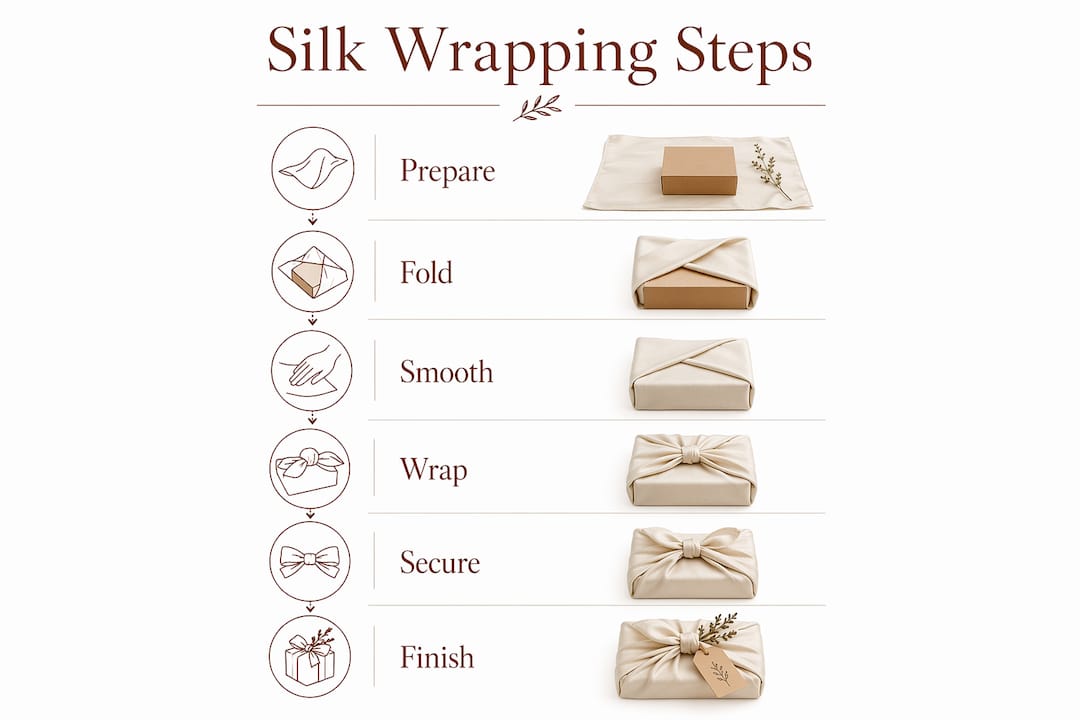
Silk wrapping is defined as the art of enclosing a gift in natural or woven silk fabric, folding and securing it without disposable paper, to create a presentation that is as beautiful as what lies within. Wrapping with silk step by step transforms an ordinary gift into a considered, tactile experience, one that speaks of care, refinement, and genuine respect for the environment. Unlike paper that ends in the bin moments after a ribbon is pulled, silk fabric endures. It can be reused, repurposed, and, in the case of Nicholasandrose, personalised through embroidery to become a keepsake in its own right. This guide covers every stage, from gathering materials to adding the final flourish, so you can approach each gift with quiet confidence.
What materials and tools do you need for silk gift wrapping?
The right materials make the difference between a wrap that holds its shape and one that slips apart before it reaches the recipient. Silk fabric is the foundation, and charmeuse, habotai, and dupioni each behave differently. Charmeuse drapes with a luminous, liquid quality ideal for soft gifts like clothing. Habotai is lighter and crisper, well suited to smaller, boxed gifts. Dupioni offers a textured, slightly stiffer hand that holds folds beautifully for structured parcels.
Beyond the fabric itself, you will need:
- Acid-free tissue paper to layer between silk and the gift surface, preventing friction damage and protecting delicate finishes
- Silk or satin ribbon, wide enough to tie without cutting into the fabric
- Fabric scissors with sharp blades to cut cleanly without fraying
- A flat, clean surface at least twice the size of your gift
- Optional: GS Hypo-Tube Cement or a fabric-safe adhesive for beginners still mastering knot techniques
| Material | Purpose | Sustainable option |
|---|---|---|
| Silk fabric (charmeuse, habotai, dupioni) | Primary wrap layer | Reclaimed or deadstock silk |
| Acid-free tissue paper | Protective inner layer | Recycled acid-free tissue |
| Silk or satin ribbon | Securing and decoration | Reusable grosgrain or fabric ties |
| Fabric-safe adhesive | Temporary securing for beginners | Minimal use; knot techniques preferred |
| Embroidered fabric wrap | Personalised reusable alternative | Nicholasandrose heirloom wraps |
Fabric wrapping excels in personal and eco-conscious gifting, where the wrap itself carries meaning beyond its function. Sourcing deadstock or reclaimed silk reduces environmental impact without sacrificing the luminous drape that makes this technique so rewarding.
How do you prepare silk fabric and gifts before wrapping?
Preparation is where most silk wrapping goes wrong. Rushing this stage leads to creases that no amount of smoothing will undo. The goal is to arrive at your wrapping surface with a fabric that lies flat, a gift that is protected, and hands that can actually grip what they are working with.
Folding and smoothing silk without creases
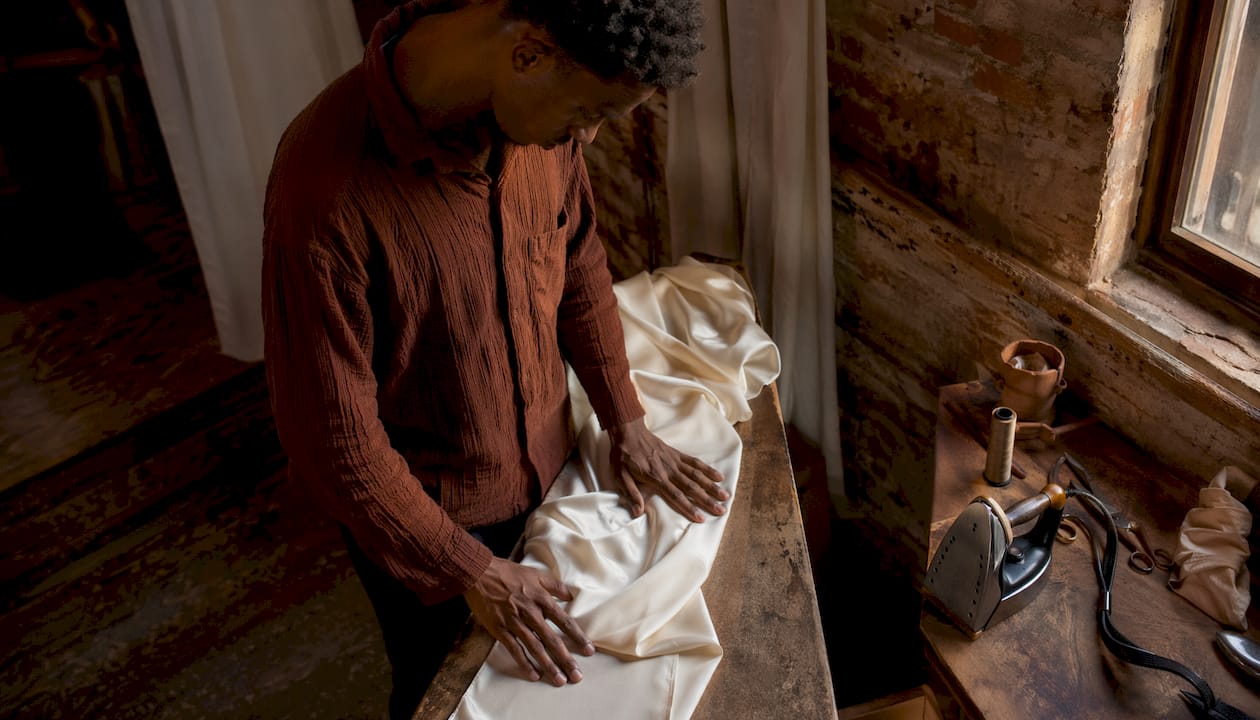
Aligning sleeves neatly and folding silk into symmetrical rectangles avoids bulk and permanent creases. That means working from the centre outward, smoothing each fold with the flat of your hand rather than pinching the fabric. Place acid-free tissue between silk layers whenever you stack or store the fabric before use. The tissue acts as a barrier that prevents the fibres from compressing against each other and marking.
Protecting the gift itself
Delicate gifts, particularly those with sharp corners or embossed surfaces, need a soft inner layer before silk touches them. Wrap the gift loosely in a single sheet of acid-free tissue first. This protects both the gift and the silk from abrasion, and it gives the outer fabric a slightly padded surface to drape over, which improves the finished silhouette considerably.
- Avoid placing silk directly against metallic foil, adhesive labels, or rough card
- Remove any price tags or stickers before wrapping to prevent transfer marks
- For newborn gifts or baby shower presents, choose unscented tissue to protect sensitive skin if the wrap will be opened near the baby
- Avoid tightening belts or elastic bands around silk when bundling it for transport; use gentle, loose ties instead
Pro Tip: Lightly mist your hands with water before handling silk. This subtle dampness improves your grip on the slippery surface without wetting or marking the fabric, a technique many beginners overlook entirely.
What are the step-by-step techniques for wrapping a gift with silk fabric?
The most widely used method for step by step silk wrapping is the furoshiki fold, a Japanese cloth-wrapping tradition that requires no adhesive and produces a result of quiet, refined elegance. The technique scales from a small jewellery box to a generous baby hamper with only minor adjustments.
The basic diagonal wrap
- Lay your silk flat on a clean surface, wrong side facing up, oriented as a diamond.
- Place the gift face-down in the centre of the fabric.
- Fold the bottom point up and over the gift, tucking it gently beneath the far edge.
- Fold the left and right points inward, one at a time, smoothing each fold flat before proceeding.
- Bring the top point down and over the gift, then tuck it neatly beneath the parcel.
- Secure with ribbon, looping it around the parcel once and tying a loose, wide bow at the top.
For cylindrical gifts such as a bottle or a rolled blanket, rotate the gift 45 degrees on the fabric and roll it forward, then twist the excess fabric at each end and tie with ribbon. This creates a cracker-like silhouette that is particularly charming for baby shower gifts.
Pro Tip: Ribbon tying serves both aesthetic and practical purposes. Use wider ribbons and avoid overtightening, which distorts the parcel and leaves compression marks in the silk.
| Wrap style | Best for | Securing method |
|---|---|---|
| Diagonal furoshiki fold | Boxes, books, flat gifts | Wide ribbon bow |
| Roll and twist | Bottles, cylinders, rolled blankets | Fabric ties at each end |
| Envelope fold | Clothing, soft gifts | Single knot or tuck |
| Gathered pouch | Irregular shapes, small toys | Ribbon gathered at top |
Beginners can secure silk wraps with a small dab of fabric-safe adhesive until the knot technique feels natural. Adhesives are a temporary aid, not a long-term solution, and the goal is always to master the fold so the wrap holds itself.
A classy reusable gift wrap tutorial will show you these folds in motion if you prefer a visual reference alongside written steps.
How do you add finishing touches to silk-wrapped gifts?
The finishing layer is where a beautifully wrapped gift becomes a genuinely memorable one. Gift presentation experts emphasise integrating fabric wraps as part of the gift itself, so every decorative choice should feel considered rather than merely decorative.
- Choose wide, reusable ribbons in silk, satin, or grosgrain. Narrow ribbons cut into fabric and leave marks; wider ones distribute tension evenly and look far more refined.
- Add a personalised tag written by hand on recycled card, tied with a length of the same ribbon used on the parcel. For newborn and toddler gifts, a tag with the child’s name and birth date becomes part of the keepsake.
- Incorporate dried botanicals such as a sprig of eucalyptus, a dried rose, or a cinnamon stick tucked beneath the bow. These add a sensory, nature-inspired dimension that complements the tactile luxury of silk.
- Use a fabric gift bag as an outer layer for irregularly shaped gifts, placing the silk-wrapped parcel inside. This protects the wrap during transport and adds a second layer of reusable packaging.
- For shipping, place the finished silk parcel inside a rigid box with crumpled acid-free tissue filling the gaps. Never use plastic packing peanuts directly against silk, as static can attract fibres and cause surface damage.
The top luxury reusable wrapping tips for eco-conscious gifts consistently point to restraint as the defining quality of a refined finish. One beautiful ribbon, one botanical accent, and a handwritten tag outperform a cluttered arrangement every time.
What common challenges arise in silk wrapping, and how do you fix them?
Silk is a forgiving material once you understand its nature, but it does present specific challenges that paper-based wrapping does not. The most common issues are slipping fabric, unwanted creases, and wraps that will not stay closed on awkwardly shaped gifts.
- Slipping fabric: Work on a slightly textured surface such as a linen tablecloth rather than a glass or lacquered table. The texture provides enough resistance to keep the fabric in place as you fold.
- Persistent creases: Hang the silk vertically for 30 minutes before wrapping. Gravity releases most light creases without heat. For stubborn marks, hold a steam iron 15 centimetres above the surface and allow the steam to relax the fibres without direct contact.
- Wrap that will not stay closed: Tight elastic bands cause long-lasting creases and should never be used. Instead, use a second ribbon looped in the opposite direction to create a cross pattern that holds the folds securely.
- Awkward shapes: For gifts without flat surfaces, such as a stuffed toy or a baby hamper, use the gathered pouch method. Centre the gift on the fabric, gather all four corners upward, and secure with a generous ribbon tied at the top.
Pro Tip: For newborn gifts that will be photographed, press your silk wrap gently with a cool iron through a damp cloth before the final fold. The result is a surface with the kind of crisp, luminous finish that photographs beautifully.
Key takeaways
Silk wrapping done well requires prepared fabric, the right fold for the gift’s shape, and finishing touches chosen with restraint rather than abundance.
| Point | Details |
|---|---|
| Preparation prevents creases | Align folds symmetrically and use acid-free tissue between layers before wrapping. |
| Match the fold to the gift | Use the diagonal furoshiki fold for boxes and the roll-and-twist for cylinders. |
| Grip is the beginner’s secret | Lightly mist hands with water to control slippery silk without marking the fabric. |
| Ribbons need width and care | Wide ribbons tied loosely hold the wrap without distorting the silk or leaving marks. |
| The wrap is part of the gift | Choose reusable, personalised fabric wraps so the presentation becomes a lasting keepsake. |
Why silk wrapping changed how I think about giving gifts
I came to silk wrapping through frustration, not inspiration. I had spent years watching beautifully chosen gifts disappear beneath paper that lasted approximately four seconds before landing in a bin bag. The gift survived; the care that went into presenting it did not. Silk changed that entirely.
What surprised me most was how the texture of the wrap altered the recipient’s experience before they even saw what was inside. There is something in the weight and drape of silk that signals intention. It says the giver paused, considered, and chose something that would last. For newborn gifts especially, that quality matters deeply. A personalised silk wrap, embroidered with a child’s name, becomes something a parent keeps long after the gift itself has been outgrown.
The practical side took practice. Silk is honest about your technique in a way paper never is. A sloppy fold shows immediately. But that honesty is also what makes mastering it so satisfying. Once the diagonal furoshiki fold becomes second nature, you begin to see every gift as an opportunity to create something genuinely beautiful. The sustainable gift wrapping process for luxury gifts is not a compromise between elegance and responsibility. It is where the two finally meet.
— Helen
Nicholasandrose: reusable silk wraps made to be kept
The techniques in this guide come alive when the fabric itself is worth keeping. The Woodland Rabbit Duck Egg Premium Reusable Fabric Gift Wrap from Nicholasandrose is designed precisely for this purpose. It combines the luminous drape of a premium fabric wrap with the option for personalised embroidery, making it a natural choice for baby shower gifts, newborn presents, and toddler gifts from the new 2026 range. Reusable silk gift wraps encourage eco-conscious gifting with luxury and practicality, so the presentation never ends up in the bin. Each wrap is a memento as much as a method, and that is precisely the point.
FAQ
What type of silk fabric is best for gift wrapping?
Charmeuse and habotai are the most practical choices for gift wrapping. Charmeuse drapes beautifully over soft gifts, while habotai holds crisper folds on boxed items.
How do you keep silk from slipping when wrapping?
Work on a lightly textured surface and mist your hands with water before handling the fabric. This provides grip without wetting or marking the silk.
Can you wrap an awkwardly shaped gift with silk?
Yes. Use the gathered pouch method: centre the gift on the fabric, draw all corners upward, and secure with a wide ribbon tied at the top.
Is silk wrapping suitable for newborn and baby gifts?
Silk wrapping is ideal for newborn and baby gifts, particularly when the fabric is personalised through embroidery. The wrap becomes a keepsake the family retains long after the gift is used.
Do you need adhesive to wrap a gift with silk?
Adhesive is not required once you have mastered the furoshiki fold. Beginners can use a small amount of fabric-safe adhesive temporarily while learning knot and tuck techniques.
Recommended
- Wrapping Gifts Without Paper: Elegant Fabric Solutions – Nicholas & Rose Limited
- Easy Reusable Gift Wrap Steps for Luxurious Gifts – Nicholas & Rose Limited
- Luxury Gift Wrap Folding Techniques Guide for Fabric – Nicholas & Rose Limited
- Classy Reusable Gift Wrap Tutorial for Luxury Gifting – Nicholas & Rose Limited