

Handmade Gift Wrap: Elevating Eco-Luxury Christmas
Choosing the perfect Christmas gift wrap often feels like a search for meaning as much as aesthetics. For many eco-conscious British luxury shoppers, the quest now goes beyond disposable paper towards unique craft and genuine sustainability. Handmade gift wrap transforms each present into a symbol of thoughtful intent and responsible design, becoming a cherished part of the celebration rather than fleeting decoration. Discover how artisanal techniques, reusable fabrics, and personalised embroidery elevate gifting to a lasting experience with real environmental impact.
Table of Contents
- Defining Handmade Gift Wrap And Misconceptions
- Types Of Reusable Fabric Gift Wrap UK
- Personalisation Through Embroidery And Artisanal Craftsmanship
- Sustainability Impact And Eco Credentials
- Comparing Handmade Wrap To Traditional Paper Wrap
- Cost, Etiquette And Reuse Practices
Key Takeaways
| Point | Details |
|---|---|
| Sustainability Focus | Handmade fabric wraps are designed for reuse, significantly reducing waste compared to traditional single-use paper. |
| Personalisation Value | Custom embroidery transforms wraps into cherished keepsakes, enhancing the emotional value of the gift. |
| Cost Justification | While the initial investment is higher, the longevity of fabric wraps makes them cost-effective over time. |
| Cultural Shift | Embracing reusable wraps fosters environmental consciousness and signifies commitment to sustainable gifting practices. |
Defining Handmade Gift Wrap and Misconceptions
Handmade gift wrap represents fabric wrapping solutions crafted by artisans, typically designed to be reused season after season rather than discarded after a single use. Unlike mass-produced paper alternatives, handmade wraps are intentionally constructed from quality materials—often organic cotton, linen, or other sustainable fabrics—and frequently personalised through techniques like embroidery. This distinction matters because handmade gift wrap operates on an entirely different principle from conventional wrapping. Where single-use paper serves purely as packaging to be torn away, handmade fabric wraps become part of the gift experience itself, often cherished and stored as keepsakes.
The most significant misconception centres on what gift wrapping actually accomplishes. Many people assume wrapping exists merely as decoration, a final aesthetic flourish before presentation. Research into gift wrapping’s symbolic meaning reveals something far more profound—wrapping transforms an ordinary object into a gift by adding layers of intentionality and cultural significance. When you wrap a present in handmade fabric, you’re not simply making it look appealing; you’re communicating care, effort, and thoughtfulness through your choice of materials. The aesthetic and social expectations surrounding gift presentation shape how recipients perceive both the gift and the giver’s commitment to the moment. A gift wrapped in personalised handmade fabric signals something entirely different from one wrapped in standard paper—it suggests permanence, sustainability, and genuine consideration.
Another common misconception suggests that handmade gift wrap is simply “pretty packaging with eco credentials.” In reality, quality handmade wraps represent an intersection of practicality and environmental responsibility. They eliminate the guilt of waste (your recipients don’t immediately bin your wrapping), reduce packaging landfill, and actually become functional items that holders use for years. The embroidery personalisation elevates this further—a monogrammed wrap becomes a bespoke textile gift that recipients might use to wrap gifts themselves, passing along both the physical item and the sentiment behind it. This isn’t about greenwashing or appearing sustainable; it’s about genuinely rethinking what gift wrapping serves to accomplish within the luxury gifting experience.
Pro tip: When selecting handmade fabric wrap for your Christmas gifts this year, consider how the personalisation details—whether initials, festive motifs, or seasonal embroidery—will resonate with your recipient long after the holiday season ends.
Types of Reusable Fabric Gift Wrap UK
The UK market for reusable fabric gift wrap has expanded considerably, offering options far beyond traditional paper. You’ll find several distinct categories, each with its own aesthetic appeal and practical advantages. Organic cotton wraps represent the most popular choice amongst eco-conscious gifters, prised for their softness, durability, and ability to accept embroidery personalisation. Linen alternatives offer a more textured, sophisticated appearance and tend to develop character with age, much like quality denim. Recycled polyester wraps provide a budget-friendly option without compromising on environmental credentials, whilst natural fibre blends combine cotton with hemp or jute for added texture and sustainability. Beyond these contemporary options, the Japanese furoshiki technique continues gaining traction in British gifting culture, using large fabric squares to wrap items in a beautifully functional method passed down through generations.
Size variety matters significantly when selecting reusable fabric wraps. Fabric sheets specifically designed for gift wrapping typically range from small squares perfect for jewellery boxes to oversized sheets that handle bulkier presents. Many people overlook specialist options like scarves and tea towels, which work exceptionally well as dual-purpose gifts. A recipient receives not only beautifully wrapped presents but also a functional textile they can use repeatedly. Some British artisans now upcycle vintage fabrics, offcuts, and deadstock materials into one-of-a-kind wraps, adding genuine uniqueness whilst reducing waste. The personalisation possibilities enhance these choices further—embroidery initials, festive motifs, or family monograms transform simple fabric into bespoke treasures.
When navigating these options, consider your recipient’s lifestyle and aesthetic preferences. Someone who appreciates minimalist design might gravitate towards solid-coloured linen, whilst a traditionalist might prefer cotton prints featuring festive patterns. The durability of quality fabrics means your wrapping choice functions as an investment. Unlike paper that deteriorates after one use, these wraps improve with time, developing subtle colour variations and soft texture that tell the story of their repeated journeys between gifters and receivers. This longevity aligns perfectly with the luxury gifting experience, where presentation becomes as valued as the gift itself.
Here’s how popular reusable fabric gift wrap types in the UK compare:
| Fabric Type | Distinctive Feature | Typical Use |
|---|---|---|
| Organic cotton | Soft, takes embroidery well | Personalised wrapping |
| Linen | Textured, sophisticated look | Luxury or minimalist gifts |
| Recycled polyester | Made from waste textiles | Budget, eco gifting |
| Natural fibre blends | Cotton/hemp for rustic strength | Sustainable presentation |
| Upcycled vintage | Unique patterns, low waste | One-off special occasions |
Pro tip: Select fabric wraps with complementary colours to your décor and your recipient’s home aesthetic, ensuring the wrapping becomes something they’ll genuinely want to display and reuse rather than store away.
Personalisation Through Embroidery and Artisanal Craftsmanship
Personalisation transforms handmade fabric gift wrap from a practical alternative into something genuinely treasured. When you add embroidered initials, monograms, or bespoke designs to a wrap, you’re creating a one-of-a-kind textile that reflects the recipient’s identity rather than mass-produced anonymity. This level of customisation speaks directly to luxury gifting, where the packaging becomes inseparable from the emotional value of the present itself. Unlike standardised options, personalised wraps carry intention throughout their lifespan. Someone receiving a wrap embroidered with their initials recognises immediately that considerable thought went into their gift, elevating the entire experience beyond transactional present-giving.
Artisanal craftsmanship underpins what makes handmade gift wrap genuinely distinctive. Each piece carries the fingerprints of the maker, whether through variations in stitch tension, subtle colour shifts in hand-dyed fabrics, or the imperfect perfection of hand embroidery. Detailed textile work creates unique pieces that incorporate sustainable practices alongside bespoke personalisation, ensuring no two wraps are identical. This uniqueness matters significantly to discerning British gifters who value authenticity over uniformity. When you select embroidery techniques like satin stitch for initials, backstitch for festive motifs, or long-and-short stitch for elaborate designs, you’re choosing methods that create depth and character impossible to replicate digitally. The tactile quality of hand-stitched details adds another sensory dimension to gift presentation.
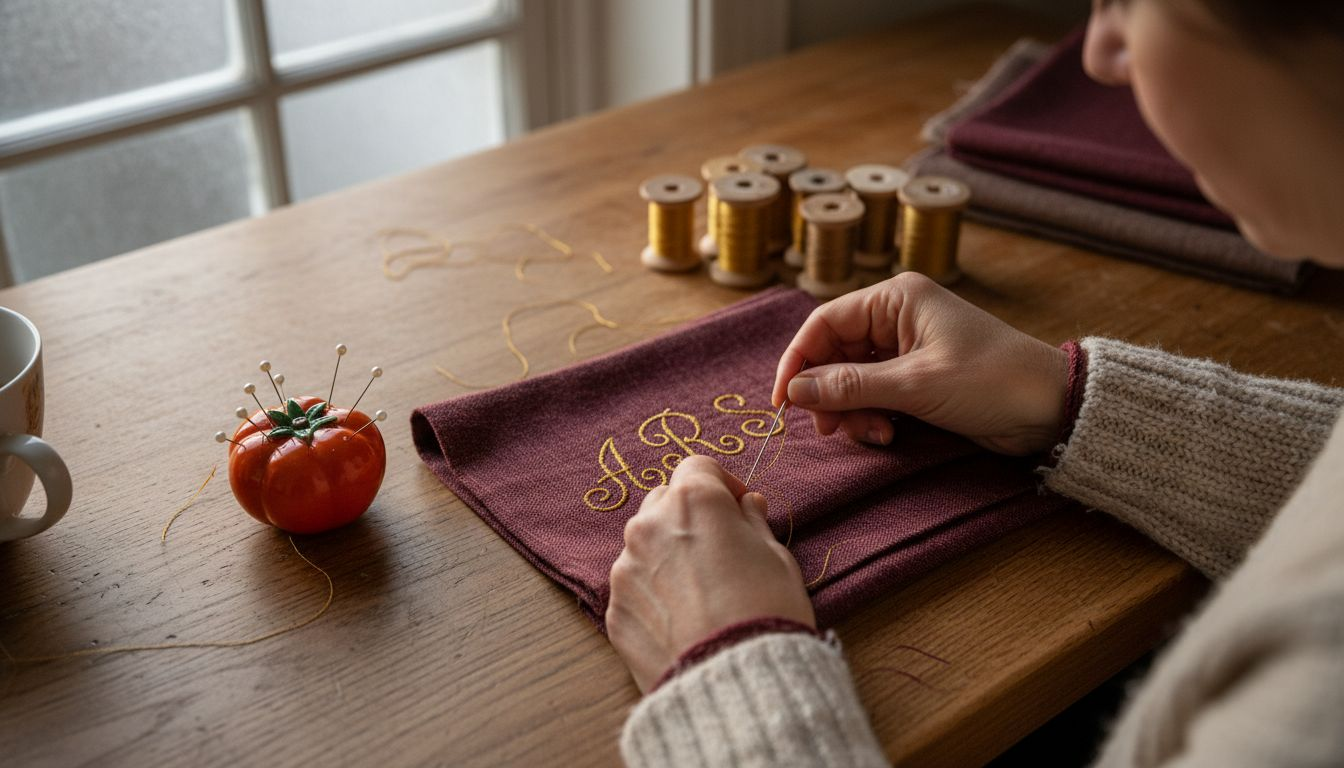
Beyond aesthetics, personalised embroidered wraps carry genuine social and environmental value. They become keepsakes rather than waste, used repeatedly across multiple gift-giving occasions and stored carefully between seasons. A monogrammed wrap often outlasts the recipient’s ownership of the gift itself, becoming a standalone textile treasure that speaks to quality and consideration. This sustainability narrative matters enormously to eco-conscious luxury shoppers who recognise that true environmental responsibility involves creating items people genuinely want to keep. Artisans crafting these pieces often source deadstock fabrics or work with heritage textiles, meaning your personalised wrap might incorporate threads of history alongside fresh embroidery stitches.
When commissioning personalised embroidered wraps, consider designs that transcend seasonal trends. Initials and family crests age gracefully, whilst overly trendy motifs may feel dated within a few years. Discuss colour palettes with artisans to ensure embroidery threads complement both the base fabric and your recipient’s home aesthetic. Quality personalisation takes time, so plan accordingly if ordering for Christmas delivery.
Pro tip: Opt for monogram placement that remains visible when the wrap is folded, ensuring your personalisation makes an impact throughout the gift-giving moment rather than disappearing underneath layers of fabric.
Sustainability Impact and Eco Credentials
Handmade fabric gift wrap addresses one of the most damaging aspects of conventional gifting: the throw-away mentality around packaging. Traditional wrapping paper often contains plastic coatings, bleach, and chemical dyes that contaminate waterways and persist in landfills for decades. Worse, plastic-coated papers contaminate recycling streams, rendering entire batches of recyclable materials unusable. In contrast, quality fabric wraps eliminate this problem entirely. They’re designed explicitly for reuse, meaning a single wrap replaces dozens of paper alternatives across its lifetime. The environmental mathematics shift dramatically when one wrap serves ten or more gift-giving occasions rather than being discarded after seconds of unwrapping.
The material composition of handmade wraps determines their genuine sustainability credentials. Organic cotton grown without synthetic pesticides or fertilisers reduces agricultural water pollution significantly. Linen requires minimal chemical inputs during cultivation and processing. Recycled polyester breathes new life into textile waste streams, diverting materials from landfills. Sustainable wraps employ biodegradable and recyclable materials that actively reduce resource depletion, pollution, and landfill impact compared with conventional alternatives. Some British artisans source deadstock fabrics, upcycled textiles, and offcuts from larger textile manufacturers, creating zero-waste production cycles. This circular economy approach transforms what would become industrial waste into treasured gift wrapping. You’re not simply purchasing wrapping; you’re supporting a system that values resource efficiency and responsible manufacturing.
Beyond material benefits, fabric wraps reduce your carbon footprint in ways paper cannot match. Manufacturing paper involves pulping, bleaching, coating, and shipping vast quantities of material destined for single use. Fabric wraps, by contrast, require one production cycle to serve years of gifting. Their longevity compounds environmental benefits exponentially. Someone using the same wrap annually for ten years has eliminated the need for hundreds of sheets of single-use paper. When personalised through embroidery, these wraps become heirlooms people consciously preserve, extending their useful life even further. This transforms gift wrapping from an environmental liability into an asset. The choice carries weight particularly for British eco-conscious luxury shoppers who recognise that sustainable gifting means investing in quality items designed to last rather than cheaper alternatives destined for disposal.
Pro tip: When assessing handmade wrap sustainability, ask makers about their fabric sourcing, dye processes, and embroidery thread composition rather than relying on vague environmental claims.
Comparing Handmade Wrap to Traditional Paper Wrap
The comparison between handmade fabric wrap and traditional paper reveals stark differences that extend far beyond aesthetics. Traditional wrapping paper appears cheap upfront, costing mere pence per sheet, but this price conceals substantial environmental costs. Most commercial paper wrap contains plastic coatings that prevent tearing cleanly and enable that satisfying unfold experience. The problem arises when recipients attempt recycling. Plastic-coated papers contaminate recycling streams, rendering entire batches unusable and forcing manufacturers to discard what should have been valuable materials. Beyond the plastic issue, traditional wrapping often contains bleach, dyes, and chemical treatments that leach into soil and groundwater once discarded. Handmade fabric wraps eliminate these toxins entirely. Organic cotton, untreated linen, and recycled polyester contain no plastic coatings or chemical treatments that compromise recycling infrastructure.
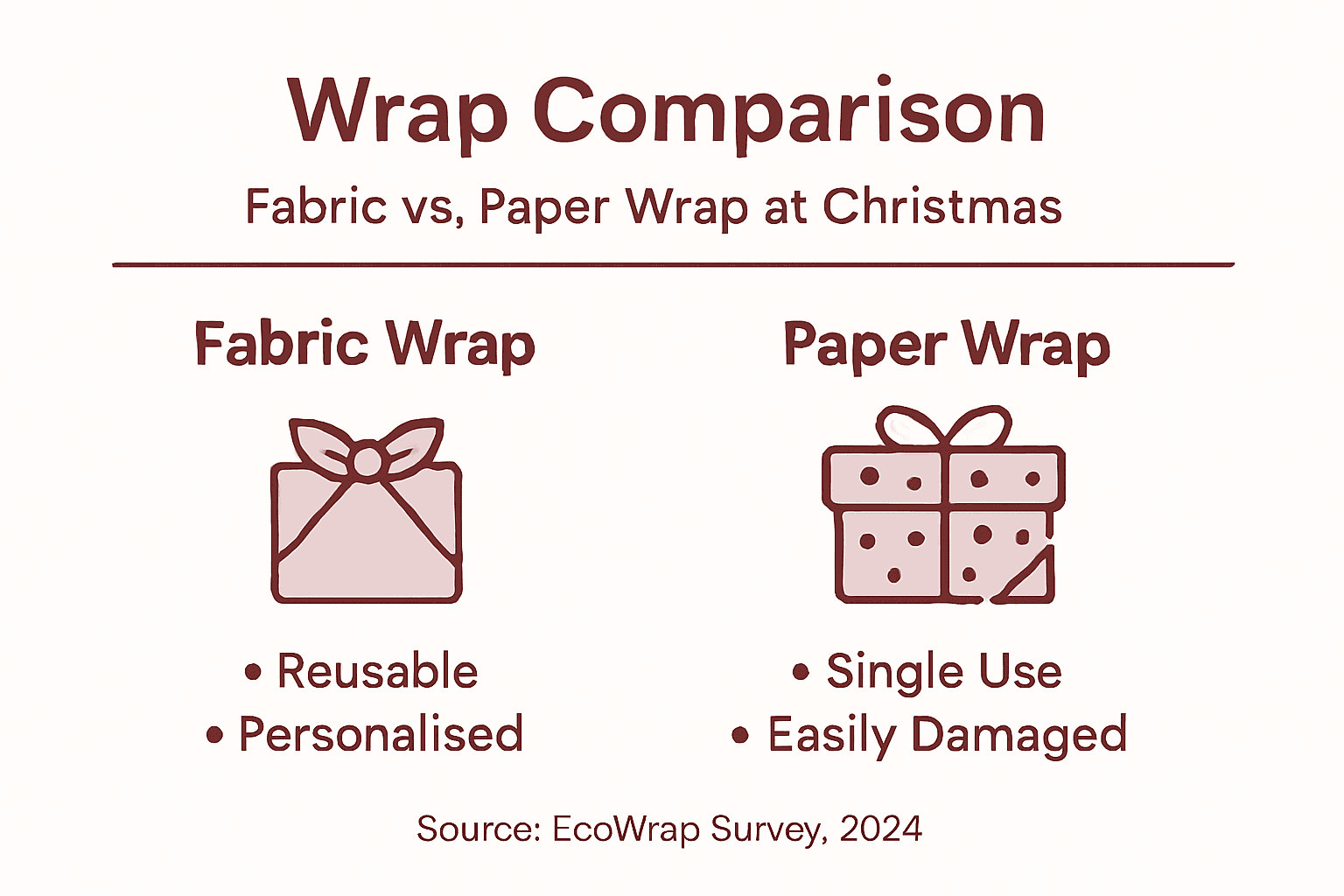
The lifetime cost equation favours handmade wrap dramatically. A quality fabric wrap costs between fifteen and fifty pounds depending on personalisation, materials, and artisan reputation. This seems expensive compared with a roll of wrapping paper costing three pounds. However, that single fabric wrap replaces approximately thirty to fifty sheets of traditional paper across its lifespan. Someone gifting annually for ten years needs roughly five hundred sheets of paper but only requires one or two fabric wraps. The mathematics shift entirely when calculated across realistic usage patterns. Reusable fabric wrap reduces long-term waste and carbon footprint significantly compared with perpetual paper consumption. Additionally, fabric wraps improve with age, developing character and patina that paper never achieves. Someone using a personalised wrap year after year creates an object increasingly treasured rather than progressively deteriorated.
The durability comparison extends to practical functionality. Traditional paper tears easily, becomes damaged during storage, and often requires replacement before use. Handmade wraps withstand years of folding, unfolding, storage, and reuse without degradation when cared for properly. They launder well, developing softness and charm. The tactile experience differs fundamentally. Unwrapping a present in quality fabric feels luxurious and intentional rather than rushed and disposable. For British eco-conscious luxury shoppers, this distinction matters enormously. You’re not simply choosing packaging; you’re choosing whether your gifting reinforces throwaway culture or invests in lasting value. Handmade wraps communicate permanence, consideration, and genuine commitment to sustainability rather than greenwashing gestures.
Pro tip: Calculate your annual wrapping paper expenditure and compare it directly with the cost of two or three quality handmade wraps, then assess the comparison across five and ten-year timescales to reveal the true financial advantage of switching.
Cost, Etiquette and Reuse Practices
Handmade fabric gift wrap carries a higher upfront cost than paper alternatives, but this investment recalibrates when you consider longevity and reuse. A quality embroidered wrap typically costs between twenty and sixty pounds, depending on fabric quality, personalisation complexity, and artisan reputation. This price point naturally raises questions amongst first-time buyers accustomed to three pound rolls of paper. The crucial shift in thinking involves recognising that you’re purchasing a textile asset rather than consumable packaging. Someone spending forty pounds on a personalised cotton wrap that serves for fifteen years pays approximately two pounds seventy pence annually. Compare this with someone purchasing paper wrap at three pounds per roll, using twelve rolls yearly, totalling thirty six pounds annually. The maths become compelling when calculated honestly across realistic timescales. Additionally, a personalised wrap becomes increasingly valuable to recipients. They’re unlikely to discard something embroidered with their initials or family crest, meaning the wrap remains in active use rather than gathering dust.
Reusing gift wrap challenges social conventions many people absorbed unconsciously during childhood. The notion that wrapped presents must arrive pristine, untouched, and freshly purchased persists despite shifting environmental consciousness. However, reusing fabric wraps shows environmental care and creativity when done thoughtfully. The distinction between reusing and regifting matters significantly. Regifting suggests passing along something you didn’t want. Reusing a beautiful fabric wrap because it’s durable and sustainable carries entirely different social meaning. British recipients increasingly appreciate receiving gifts wrapped in quality fabric because it signals consideration for both environment and aesthetics. When presenting a gift wrapped in reused fabric, the presentation itself communicates values. A wrap carefully folded, wrinkle-free, and beautifully arranged communicates respect far more eloquently than pristine-but-disposable paper.
Practical reuse involves developing simple habits. Store wraps flat rather than crumpled, preventing damage and creasing that suggests carelessness. Before reusing, inspect wraps for stains, wear, or loose embroidery requiring repair. A quick hand wash and gentle dry restores fabric brilliance. If embroidery threads appear damaged, minor repairs demonstrate care rather than suggesting the wrap is worthless. Consider whether the wrap’s aesthetic suits your recipient. A botanical-themed embroidered wrap suits an environmentally conscious gardener far better than someone preferring minimalist design. This thoughtfulness transforms reuse from economical necessity into genuine personalisation. You’re selecting something specific for specific people rather than grabbing generic paper from a cupboard.
The cost advantage becomes undeniable across multiple gift-giving occasions. Someone investing in three or four quality wraps reduces annual gifting costs significantly whilst eliminating waste guilt. Children raised watching parents reuse beautiful fabric wraps absorb different values about consumption and durability than those raised with disposable paper. They learn that treasured objects improve with age and care rather than become obsolete. This cultural shift, multiplied across thousands of British households choosing handmade wraps, creates meaningful environmental impact alongside personal satisfaction.
This table summarises the cost, etiquette, and reuse practices for handmade vs traditional paper wrap:
| Aspect | Handmade Fabric Wrap | Traditional Paper Wrap |
|---|---|---|
| Upfront cost | £20–£60 per wrap | £3 per roll |
| Number of uses | 10+ years with care | Single use |
| Environmental impact | Minimal waste, supports reuse culture | High waste, landfill issues |
| Social perception | Shows lasting commitment and thought | Focus on convenience |
| Storage & care | Folded, laundered, repaired as needed | Often discarded after use |
Pro tip: If concerned about reuse etiquette, include a small gift tag explaining that the wrap is reusable by design and represents your commitment to sustainable gifting, transforming the presentation into an intentional choice rather than a practical compromise.
Discover the Art of Sustainable Gifting with Our Luxurious Handmade Fabric Wraps
The challenge many face during the festive season is balancing elegance with eco-consciousness. This article highlights how traditional wrapping paper often results in waste and missed opportunities for lasting impact. If you want to transform your gift-giving ritual into one filled with intention, sustainability and timeless beauty, personalised embroidery on handmade fabric wrap offers the perfect solution. Our curated Reusable Fabric Wrap - Luxurious Christmas Collection embodies these values by combining artisanal craftsmanship with eco-friendly materials designed to be cherished for years.
Embrace the luxury of gifting that truly resonates beyond the initial moment. Choose wraps that celebrate individuality through hand-stitched personalisation, reducing waste while elevating presentation. Explore how your thoughtful choice creates powerful emotional connections and supports sustainable practices only at Nicholas & Rose. Browse our distinctive collection today and redefine what it means to wrap a gift with care and purpose.
Frequently Asked Questions
What is handmade gift wrap?
Handmade gift wrap consists of fabric solutions crafted by artisans, designed to be reused rather than discarded. Unlike traditional paper, these wraps are made from quality materials like organic cotton or linen and often feature personalisation, making them cherished keepsakes.
How does personalisation enhance the value of handmade gift wrap?
Personalisation, such as embroidered initials or bespoke designs, transforms handmade wraps into unique gifts that reflect the recipient’s identity. This adds emotional value and elevates the entire gifting experience, making the packaging an integral part of the present.
What are the environmental benefits of using handmade fabric wraps compared to traditional paper?
Handmade fabric wraps significantly reduce waste as they are designed for multiple uses, eliminating the need for single-use paper that often ends up in landfills. They are made from sustainable materials and can be reused for years, contributing to reduced carbon footprints and environmental impact.
How should I care for and store reusable fabric wraps?
To maintain your reusable fabric wraps, store them flat to avoid creasing and damage. Inspect for any stains or wear before reuse, and wash gently if necessary. Repairs to embroidery can be done to extend the life of the wrap, ensuring it remains a treasured item for future occasions.
Recommended
- Eco Aware Wrapping: Defining Sustainable Luxury – Nicholas & Rose Limited
- Luxury Gift Wrapping: Complete Guide for 2025 UK – Nicholas & Rose Limited
- Upcycled Gift Wrap: Elevating Sustainable Gifting – Nicholas & Rose Limited
- Luxury Eco Christmas Wrapping Tutorial with Fabric Gifts – Nicholas & Rose Limited