

Personalisation styles for gifts: your 2026 guide
TL;DR:
- Personalisation styles for gifts include message engraving, symbolic elements like birthstones, and experiential touches such as wrapping and handwritten notes. The most popular is birthstone personalisation, favored for its color and symbolism without text. Combining these styles and eco-conscious wrapping creates more meaningful, memorable gifts.
Personalisation styles for gifts span three distinct categories: practical message formats such as engraving and embroidery, symbolic elements such as birthstones and charms, and experiential touches such as curated wrapping and handwritten notes. Mint & Lily classifies these into message or marking, symbolic meaning, and experience or context formats. Each approach carries its own emotional weight, and the most memorable gifts often weave all three together. For newborn gifts, baby shower presents, and children’s milestones, the choice of personalisation style shapes whether a gift becomes a keepsake or simply wrapping paper destined for the bin.
1. What are the main personalisation styles for gifts?
The three core personalisation styles are text-based marking, symbolic meaning, and experiential presentation. Text-based marking covers engraving and embroidery. Symbolic meaning covers birthstones, charms, and motifs. Experiential presentation covers wrapping, handwritten notes, and curated pairings. Understanding which style suits your recipient is the first step toward a truly thoughtful gift.
Each style works differently depending on the occasion. A newborn gift calls for something lasting, such as an embroidered name on fabric or a birthstone charm. A birthday for a toddler might lean toward a charm collection or a plant-based engraved keepsake. A baby shower gift benefits from beautiful, reusable presentation that the parents will remember long after the event.
2. Engraving and text-based personalisation
Engraving is the most direct form of personalisation. It places a name, date, or short phrase permanently onto a surface, whether silver jewellery, a wooden keepsake, or a fabric item. The result is clean, timeless, and unmistakably personal.
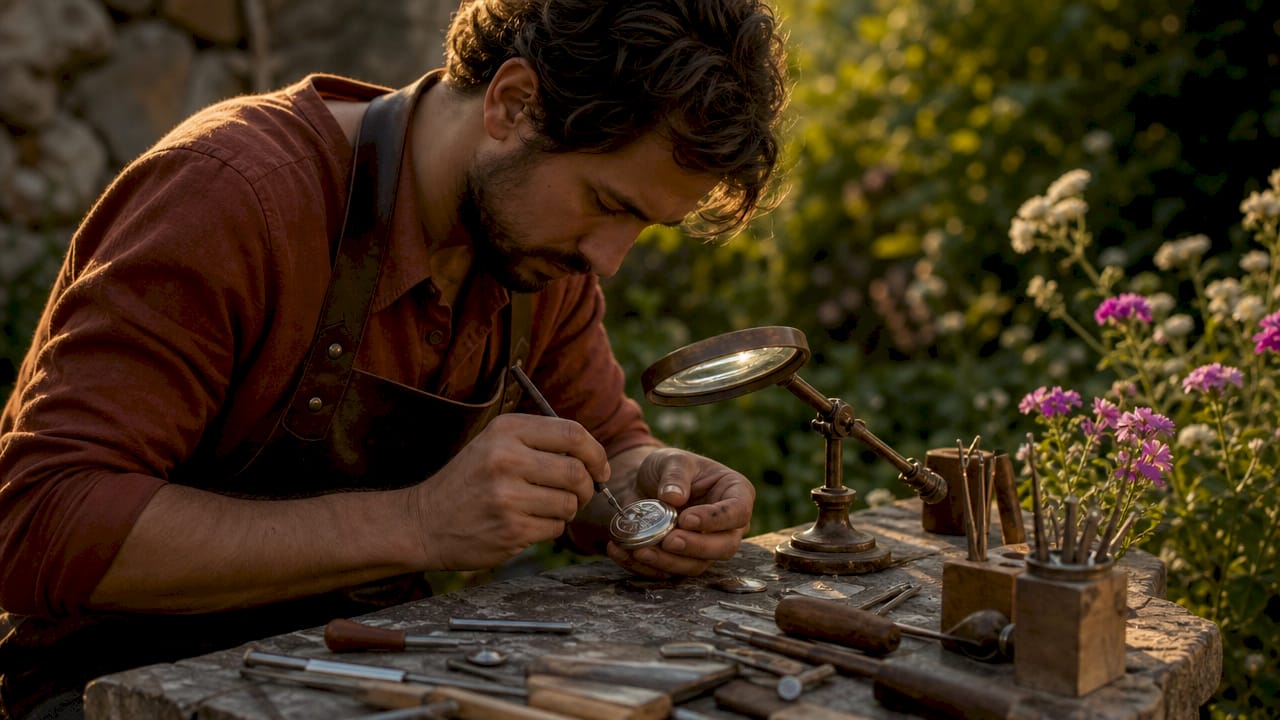
Practical constraints shape every engraving order. Engraving personalisation typically restricts character length, forbids emojis, and limits the number of lines to maintain readability. A poncho towel, for example, allows up to 50 characters across three lines, with choices for font, position, and colour. These limits exist because readability and production quality depend on them.
Key considerations for text-based personalisation:
- Keep messages short. A name and date reads more elegantly than a full sentence.
- Choose a font that suits the recipient. Script fonts feel warm and personal; block fonts feel bold and modern.
- Check character limits before ordering. Most engraving services specify these clearly.
- Avoid special characters. Emojis and symbols are rarely supported and can cause production errors.
- Confirm the item is made to order. Most engraved gifts are non-refundable once production begins.
Pro Tip: Choose a message of ten words or fewer. Shorter inscriptions read more clearly on curved or small surfaces, and they tend to age more gracefully as keepsakes.
Engraving on silver or gold-plated metals produces a particularly refined result. The contrast between the engraved line and the polished surface creates a luminous effect that photographs beautifully and holds its appearance for decades.
3. Handwriting embroidery: a deeply personal touch
Handwriting embroidery converts a photograph of someone’s actual handwriting into a stitched pattern on fabric. The result carries an emotional resonance that printed text simply cannot replicate. A grandmother’s signature on a baby blanket, or a parent’s first message to their newborn, becomes a textile heirloom.
Ted & Stitch offers a proof cycle for digitised embroidery, with adjustments to line thickness and spacing made for stitching feasibility. Customers receive a digital proof within two working days and must approve it before production begins. This step protects both the maker and the buyer, ensuring the final piece matches expectations.
The digitising process involves minor design adjustments. Lines are thickened slightly and spacing is widened so the stitches sit cleanly without bunching. The proof approval process is not optional. It is the moment where the customer confirms the design will translate faithfully from paper to fabric.
Sustainability matters in embroidery too. Embroidery sustainability depends not just on the design but on the garment blank and thread used. Some embroidery threads come from closed-loop water and solvent recovery systems, which significantly reduces their environmental footprint.
4. Birthstones and symbolic personalisation
Birthstone personalisation leads gift orders at 52%, making it the most popular symbolic style by a considerable margin. Engraving accounts for 31%, beaded styles for 12%, and charms for 5%. The dominance of birthstones reflects their unique appeal: they communicate meaning through colour and symbolism without requiring any text decisions.
Each birth month carries its own stone and meaning. A few notable examples:
- January (garnet): deep red, associated with protection and strength.
- March (aquamarine): pale blue, linked to calm and clarity.
- June (pearl or alexandrite): soft and luminous, associated with purity and new beginnings.
- September (sapphire): rich blue, connected to wisdom and loyalty.
- December (turquoise or tanzanite): vivid blue-green, associated with good fortune.
For newborn and baby shower gifts, birthstone personalisation is particularly fitting. The stone chosen at birth becomes a lifelong symbol for the child. Parents often find it more meaningful than a name alone, because it connects the child to the natural world and to the specific moment of their arrival.
Charm collections offer a different kind of symbolic personalisation. Charms are collectible and can be added to over time, building a narrative of shared memories and milestones. A charm shaped like a pram, a first pair of shoes, or a favourite animal speaks directly to the recipient’s story. For children’s gifts, charms offer a meaningful gift personalisation approach that grows with the child.
5. Experiential personalisation: the gift beyond the object
The most overlooked personalisation style is the experience surrounding the gift. A handwritten note, thoughtfully worded, adds more emotional value than almost any engraving. The Gift Tool advocates pairing a gift with a second related item, wrapping in kraft paper or fabric, and adding a seasonal sprig or cotton ribbon to create a complete sensory experience.
Four experiential personalisation moves that work every time:
- Write a specific handwritten note. Reference a shared memory, a private joke, or a precise detail about the recipient. Generic messages feel hollow. Specific ones feel like a gift in themselves.
- Pair the main gift with a small related item. A baby blanket paired with a handmade soap for the new mother, or a children’s book paired with a pressed flower, creates a curated moment rather than a single object.
- Wrap with intention. Reusable fabric wrap, kraft paper, or linen ribbon signals care before the gift is even opened. It also removes the guilt of single-use paper destined for the bin.
- Time the delivery thoughtfully. A gift that arrives on the exact day of a milestone, or is presented as part of a small ritual, carries far more weight than one handed over casually.
Pro Tip: You can elevate almost any gift in under 15 minutes. Write a specific note, add one small paired item, and wrap in reusable fabric. The total cost is minimal. The perceived thoughtfulness is significant.
Eco-friendly wrapping is itself a form of personalisation. Choosing reusable fabric gift wrap over disposable paper tells the recipient something about your values. For eco-conscious families welcoming a newborn, that message resonates deeply.
6. Plant-based and biodegradable personalisation
Plant-based personalised gifts represent the leading strategy for merging memorability with sustainability. The EcoCube from Amikado is a 7.5cm alder-wood cube, laser-engraved with a name and motif, delivered without flowers but with germination instructions. After the plant is repotted, the cube biodegrades naturally. The empty cube can also serve a secondary purpose before that point.
This approach reframes the gift entirely. The recipient does not simply receive an object. They receive a living experience that unfolds over weeks, with the engraved cube as a tactile keepsake throughout. For baby shower gifts, the symbolism of growth and new life is particularly apt.
The sustainability credentials of plant-based gifts depend on materials and production, not just aesthetics. Laser engraving on sustainably sourced wood, combined with biodegradable packaging, creates a gift with a genuinely low environmental footprint. That is a meaningful distinction in a market where many gifts claim eco-credentials without the substance to support them.
7. Matching personalisation style to recipient and occasion
Meaningful personalisation comes from noticing the recipient’s unique interests, shared memories, and specific personality rather than defaulting to a generic name engraving. A stepwise approach, matching style to occasion and personality, consistently produces more impactful results.
A practical guide for common occasions:
- Baby showers: Choose birthstone jewellery for the new mother, or a fabric-wrapped keepsake with the baby’s name embroidered. Reusable wrap doubles as a gift in itself.
- Newborn gifts: Handwriting embroidery of a parent’s message, or a laser-engraved wooden keepsake, creates a lasting memento of the first days.
- First birthdays: A charm bracelet started with one meaningful charm, or a personalised fabric item in the child’s favourite colour, sets a tradition the family can build on.
- Children’s milestones: Symbolic gifts tied to the child’s interests, such as a charm linked to a hobby or a birthstone piece, feel more personal than text alone.
| Occasion | Recommended style | Key consideration |
|---|---|---|
| Baby shower | Birthstone or embroidered fabric | Choose a style the parents will keep, not discard |
| Newborn gift | Handwriting embroidery or engraving | Confirm character limits and proof timelines |
| First birthday | Charm collection or plant-based gift | Select symbols tied to the child’s personality |
| Children’s milestone | Experiential presentation with reusable wrap | Eco-conscious wrapping adds lasting value |
Practical constraints matter too. Character limits on engraving, proof approval timelines for embroidery, and non-refundable production policies all affect planning. Order personalised gifts at least two weeks before the occasion to allow for proof cycles and delivery.
Key takeaways
The most memorable personalised gifts combine a meaningful message, a symbolic element, and thoughtful presentation, with eco-conscious wrapping completing the experience.
| Point | Details |
|---|---|
| Three core styles exist | Text-based, symbolic, and experiential personalisation each serve different occasions and recipients. |
| Birthstones lead by popularity | Birthstone personalisation accounts for 52% of orders, valued for colour and meaning without text decisions. |
| Embroidery requires proof approval | Handwriting embroidery involves digitising and a two-working-day proof cycle before production begins. |
| Engraving has firm limits | Most engraving services cap characters, forbid emojis, and produce non-refundable made-to-order items. |
| Eco-conscious wrapping is personalisation | Reusable fabric wrap signals care and values, adding meaning before the gift is even opened. |
Why the wrapping matters as much as the gift inside
I have spent years watching beautifully personalised gifts arrive in disposable paper that is torn off and binned before anyone has properly admired what is inside. The wrapping is the first impression. It sets the emotional tone before a single ribbon is untied.
What I find consistently overlooked is the power of reusable fabric wrap as a personalisation tool in its own right. When you wrap a newborn gift in embroidered fabric, the wrap becomes part of the gift. The family keeps it. They use it again. It does not end up in a bin bag alongside the tissue paper. That is a fundamentally different relationship between giver, recipient, and object.
The other thing I would push back on is the assumption that personalisation requires significant time or expense. A specific handwritten note, a single meaningful charm, and fabric wrap can be assembled in an afternoon. The emotional impact far exceeds the effort. The gifts people remember are rarely the most expensive ones. They are the ones that show someone was paying attention.
For newborn and baby shower gifts especially, the combination of a personalised keepsake and reusable fabric wrap creates something the family will return to for years. That is the standard worth aiming for.
— Helen
Nicholasandrose: reusable fabric gift wrap for baby milestones
The presentation of a newborn or baby shower gift deserves the same care as the gift itself. Nicholasandrose creates reusable fabric gift wraps designed specifically for milestone occasions, from newborn arrivals to first birthdays and toddler celebrations.
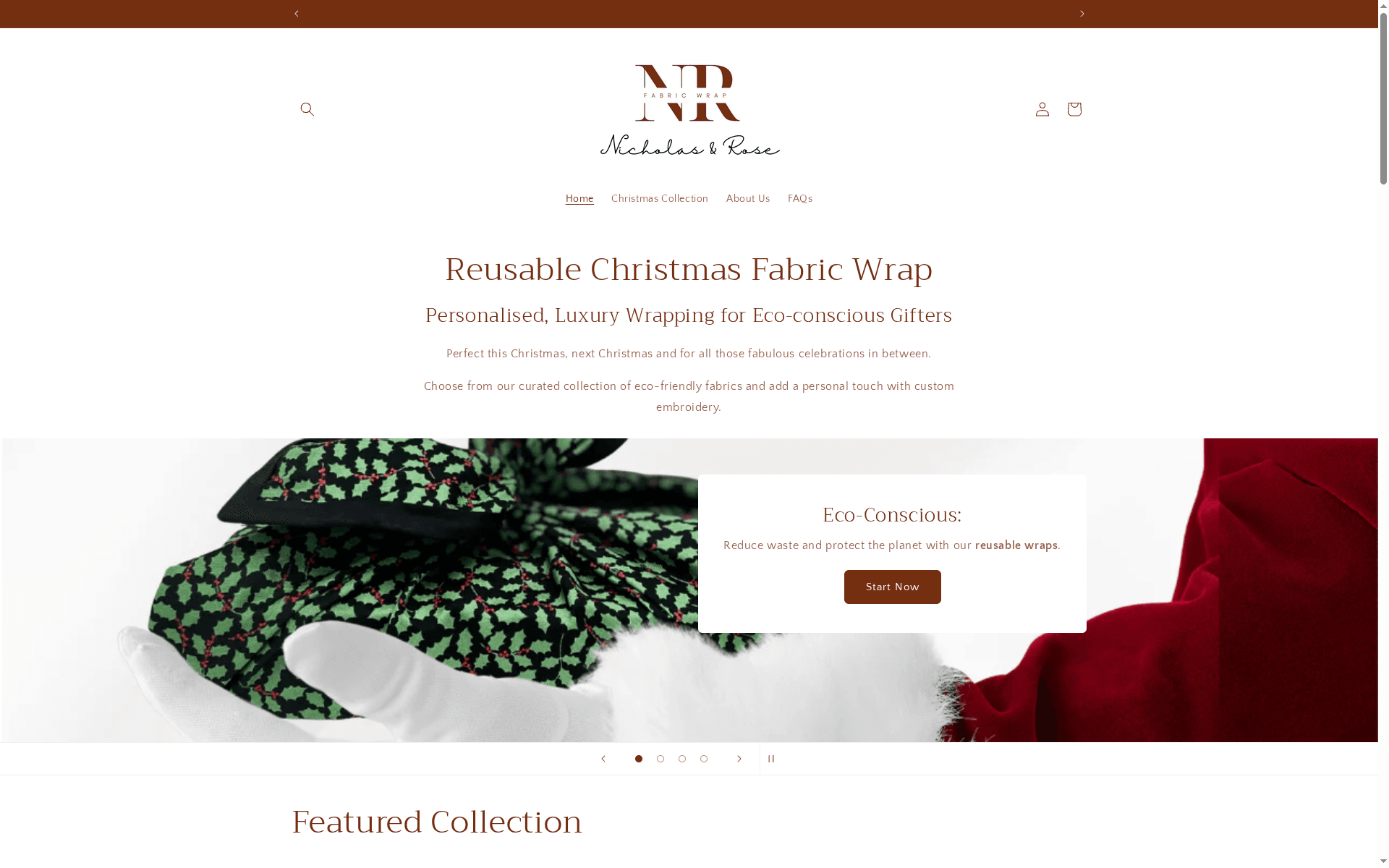
The 2026 Baby & Beyond collection from Nicholasandrose features fabric wraps that can be personalised through embroidery, transforming the wrapping into a keepsake the family will keep long after the occasion. Each wrap is reusable, removing the waste of single-use paper that rarely survives the unwrapping. For eco-conscious gift-givers who want their presentation to reflect their values, the Baby & Beyond milestone gift wraps offer a refined, sustainable alternative that completes any personalised gift beautifully.
FAQ
What are the main personalisation styles for gifts?
The three main styles are text-based marking (engraving and embroidery), symbolic elements (birthstones and charms), and experiential presentation (wrapping, handwritten notes, and curated pairings). Each suits different occasions and recipients.
What is the most popular gift personalisation style?
Birthstone personalisation leads gift orders at 52%, according to Mint & Lily. It is valued for its colour and symbolic meaning without requiring any text decisions from the buyer.
How does handwriting embroidery work?
A photograph of the handwriting is digitised into a stitch pattern, with line thickness and spacing adjusted for feasibility. The customer approves a digital proof within two working days before production begins.
Are engraved gifts refundable?
Most engraved gifts are made to order and non-refundable once production begins. Always confirm character limits, font options, and the returns policy before placing an order.
What makes eco-friendly gift personalisation different?
Eco-friendly personalisation uses materials that biodegrade, can be reused, or come from sustainable sources. Reusable fabric wrap, plant-based engraved gifts such as the EcoCube, and embroidery threads from closed-loop production systems all reduce waste without sacrificing the personal touch.
Recommended
- Personalised Gift Wrap: Complete Guide for 2025 – Nicholas & Rose Limited
- Why customisation elevates luxury gifts for lasting memories – Nicholas & Rose Limited
- Personalisation in Gifting: Creating Keepsakes for Eco-Conscious Famil – Nicholas & Rose Limited
- Why Personalise for Christmas: Complete Guide – Nicholas & Rose Limited