

Sustainable Gift Wrap Choices: Eco-Luxury for 2025
Over 100 million rolls of conventional wrapping paper are discarded in the United Kingdom each year, raising major concerns for environmentally aware british shoppers. Thoughtful gift-giving can create significant waste, yet it is possible to celebrate with style and conscience. This guide reveals how sustainable gift wrap choices empower you to reduce environmental impact while keeping your presents beautiful and memorable.
Table of Contents
- Defining Sustainable Gift Wrap Choices
- Types of Eco-Friendly Gift Wrapping Materials
- How Reusable Fabric Wrap Works
- Personalisation Through Embroidered Gift Wraps
- Comparing Sustainable and Conventional Gift Wrap
- Mistakes to Avoid When Choosing Green Wrapping
Key Takeaways
| Point | Details |
|---|---|
| Sustainable Gift Wrapping | Emphasises using recycled, upcycled, and reusable materials to minimise ecological impact while enhancing aesthetic appeal. |
| Types of Eco-Friendly Materials | Options include organic cotton, hemp, and biodegradable alternatives, encouraging repeated use and reducing waste. |
| Common Mistakes to Avoid | Avoid non-recyclable materials like plastic tape and glitter; prioritise biodegradable and easily recyclable options. |
| Benefits of Personalisation | Personalised embroidery on fabric wraps adds uniqueness, enhances sentimental value, and supports sustainable practices. |
Defining Sustainable Gift Wrap Choices
Sustainable gift wrap represents a progressive approach to celebrating special occasions while minimising environmental impact. Reusable gift wrap strategies have emerged as an intelligent solution for conscientious consumers seeking to reduce waste without compromising aesthetic appeal.
At its core, sustainable gift wrapping involves selecting materials and techniques that dramatically reduce ecological footprints. The primary principles include using recycled or upcycled materials, minimising single-use packaging, and prioritising reusable alternatives. Repeat-use gift wrap methods can transform traditional gift-giving practices by introducing textiles, fabric wraps, and innovative packaging solutions that transcend conventional paper waste.
The environmental benefits of sustainable gift wrap extend far beyond mere waste reduction. By choosing materials like organic cotton, hemp, or repurposed fabrics, consumers can significantly decrease the volume of non-biodegradable waste generated during festive seasons. Eco-conscious wrapping involves strategic choices such as avoiding plastic-based tapes, selecting natural twine instead of synthetic ribbons, and incorporating biodegradable embellishments that can be composted or reused.
Key characteristics of sustainable gift wrap include:
- Minimal environmental impact
- Potential for multiple uses
- Biodegradable or recyclable materials
- Aesthetic appeal that matches traditional wrapping
- Reduced carbon footprint compared to conventional wrapping methods
By embracing these innovative wrapping techniques, individuals can make meaningful contributions to environmental preservation while maintaining the joy and excitement of gift-giving.
Types of Eco-Friendly Gift Wrapping Materials
Navigating the world of sustainable gift wrapping requires understanding the diverse range of eco-friendly materials available to environmentally conscious consumers. Modern alternatives have transformed traditional gift presentation, offering innovative solutions that minimise waste while maintaining aesthetic elegance.
Traditional options like kraft paper and recyclable materials form the foundation of sustainable wrapping. Furoshiki fabric wrapping, a Japanese technique of using reusable cloth to wrap gifts, represents an extraordinary approach to zero-waste gifting. These fabric wraps can be intricately folded, creating stunning presentations that become part of the gift’s charm, allowing recipients to reuse the wrapping multiple times.
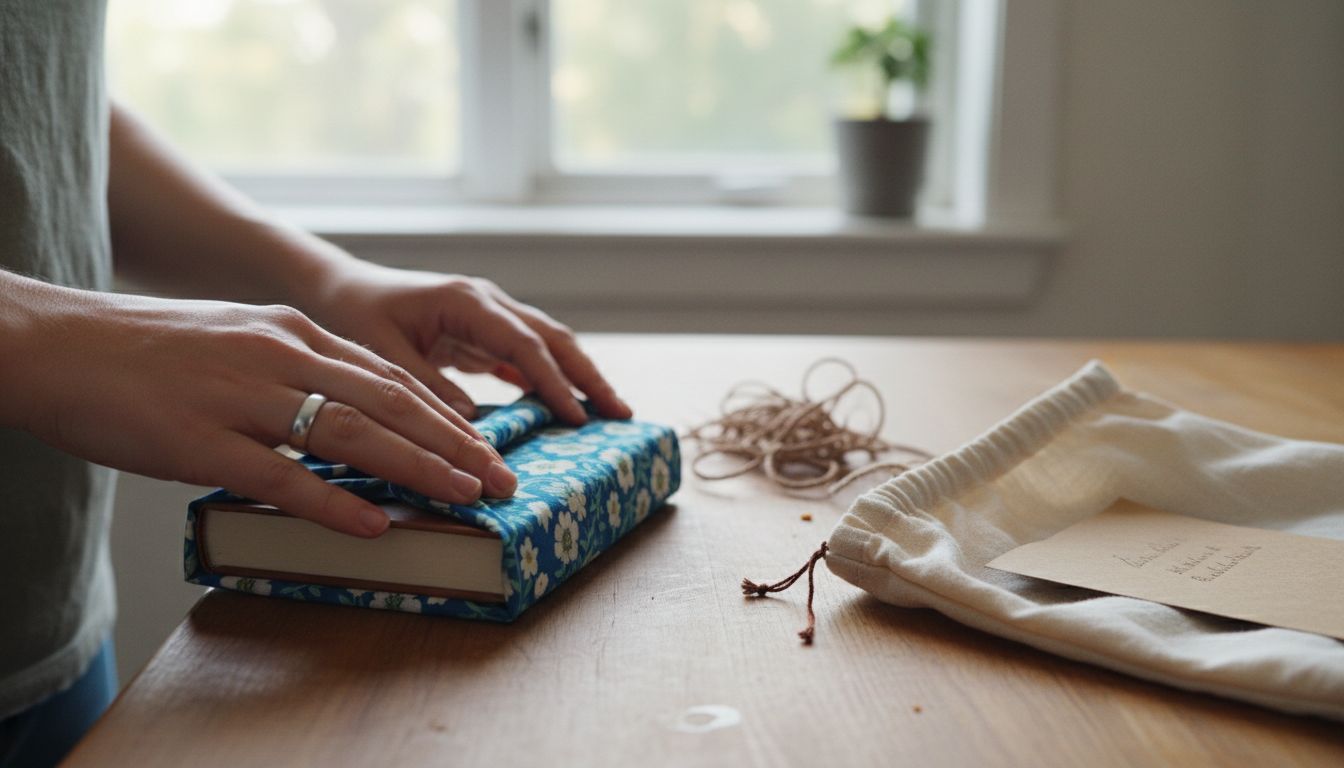
Sustainable wrapping materials encompass an impressive array of innovative choices. Brown kraft paper with natural twine, hemp fabric wraps, organic cotton bags, and repurposed textiles offer environmentally responsible alternatives to traditional disposable wrapping. Biodegradable options like jute gift bags and newspaper wrappings provide creative solutions that significantly reduce environmental impact while adding unique character to gift-giving.
Key sustainable wrapping materials include:
- Organic cotton fabric wraps
- Hemp textile gift covers
- Biodegradable kraft paper
- Jute and natural fibre bags
- Reusable cloth wraps with decorative designs
- Recycled paper alternatives
By selecting these innovative materials, gift-givers can transform a simple act of wrapping into a meaningful statement of environmental responsibility and conscious consumption.
How Reusable Fabric Wrap Works
Reusable fabric wrap represents a sophisticated approach to environmentally conscious gift presentation. These innovative wrapping solutions transform the traditional gift-giving experience by introducing versatile, sustainable textiles that can be used repeatedly, eliminating single-use paper waste.
Furoshiki, a traditional Japanese wrapping technique, forms the philosophical foundation of modern reusable fabric wrapping. These wrapping cloths originated as multipurpose textiles designed to transport and present items with elegance and practicality. Contemporary fabric wraps build upon this ancient concept, offering multiple folding techniques that adapt to different gift shapes and sizes, creating a flexible and artistic approach to packaging.
The mechanics of reusable fabric wrap involve strategic folding, tying, and creative manipulation of high-quality textile materials. Organic cotton, hemp, and recycled fabrics are typically used, providing durability and aesthetic appeal. Each wrap can be strategically folded using various techniques - diagonal wraps, envelope styles, or intricate knot designs - allowing for personalised and visually stunning gift presentations.
Key features of reusable fabric wrap include:
- Multiple wrapping techniques
- Adaptable to different gift sizes
- Washable and long-lasting
- Zero waste solution
- Customisable aesthetic options
- Reduces environmental packaging waste
By embracing these innovative wrapping methods, gift-givers can transform a simple act of presentation into a statement of environmental responsibility and artistic expression.
Personalisation Through Embroidered Gift Wraps
Personalised gift wrapping transforms the traditional gifting experience into an art form of individual expression and sustainability. By integrating intricate embroidery techniques with eco-friendly fabric wraps, gift-givers can create unique, memorable presentations that reflect both personal style and environmental consciousness.
Embroidery offers an extraordinary method of customisation, allowing individuals to transform plain fabric wraps into bespoke masterpieces. Unique monogramming and personalised prints can elevate a simple fabric wrap into a cherished keepsake, making the packaging as significant as the gift itself. These personalised touches not only enhance aesthetic appeal but also promote sustainable gifting practices by encouraging repeated use.
The technical process of embroidering gift wraps involves selecting high-quality, durable fabrics that can withstand intricate stitching. Organic cotton, linen, and hemp materials provide excellent canvases for embroidery, offering smooth surfaces that showcase detailed designs. Techniques range from traditional hand embroidery to modern machine-based personalisation, enabling gift-givers to create everything from delicate monograms to elaborate artistic representations.
Key benefits of personalised embroidered gift wraps include:
- Unique, one-of-a-kind presentation
- Environmentally sustainable alternative to disposable wrapping
- Potential for multi-generational use
- Customisable to suit individual preferences
- Adds sentimental value to gift-giving
- Reduces overall packaging waste
By embracing embroidered fabric wraps, individuals can transform gift-giving into a more meaningful, personalised, and environmentally responsible experience.
Comparing Sustainable and Conventional Gift Wrap
Luxury gift wrap choices have evolved dramatically, presenting consumers with critical environmental considerations. Traditional wrapping approaches generate substantial ecological challenges, while sustainable alternatives offer innovative solutions that blend aesthetic appeal with environmental responsibility.

Conventional gift wrap typically involves single-use materials that create significant environmental harm. Wrapping paper containing non-recyclable elements like glitter and plastic coatings contribute extensively to landfill waste, creating ecological challenges that extend far beyond the momentary pleasure of gift-giving. These materials often cannot be recycled, resulting in immediate environmental degradation.
Sustainable gift wrap represents a transformative approach to packaging. Eco-friendly alternatives utilise recycled materials, biodegradable fabrics, and reusable textiles that dramatically reduce waste generation. Organic cotton, hemp, and responsibly sourced materials provide durable, aesthetically pleasing solutions that can be used multiple times, effectively challenging the disposable nature of conventional wrapping techniques.
Key comparative aspects include:
- Environmental Impact
- Waste Generation
- Material Sourcing
- Recyclability
- Long-term Sustainability
- Cost-effectiveness
By choosing sustainable gift wrap, consumers can make meaningful contributions to environmental preservation while maintaining the joy and excitement of thoughtful gift presentation.
Mistakes to Avoid When Choosing Green Wrapping
Reusable gift wrap strategies demand careful consideration to ensure genuine environmental benefits. Consumers often unknowingly compromise sustainable intentions by making seemingly innocuous choices that undermine their eco-friendly goals.
Common pitfalls in green wrapping include selecting materials that appear sustainable but actually create significant environmental challenges. Wrapping materials with non-recyclable elements such as excessive plastic tape, glitter embellishments, and metallised decorations can completely negate potential sustainability efforts. These decorative additions frequently render otherwise recyclable materials unprocessable, sending them directly to landfill.
Careful material selection represents the cornerstone of truly sustainable gift presentation. Eco-conscious consumers should prioritise natural, biodegradable materials that can be easily recycled or composted. Organic cotton wraps, hemp fabric, responsibly sourced paper, and natural twine provide superior alternatives to conventional wrapping supplies. The key is selecting materials that serve both aesthetic and environmental objectives, creating gift presentations that are visually stunning yet environmentally responsible.
Key mistakes to avoid include:
- Using plastic-based adhesive tapes
- Adding non-recyclable glitter decorations
- Choosing metallised or laminated wrapping paper
- Overlapping multiple non-compatible materials
- Selecting single-use packaging
- Ignoring material recyclability
By understanding and avoiding these common errors, gift-givers can transform their wrapping practices into meaningful environmental statements.
Elevate Your Gift Giving with Sustainable Luxury Wrap
Facing the challenge of finding eco-luxury gift wrap that balances style and sustainability can feel overwhelming. The article highlights common pitfalls such as single-use wrapping and non-recyclable decorations while emphasising the power of reusable fabric wraps and personalised embroidery to create stunning, zero-waste presentations. If you want to celebrate special occasions with gifts wrapped in environmentally friendly materials that also express your unique style, then embracing reusable, durable fabrics is the way forward.
Discover our Reusable Fabric Wrap - Luxurious Christmas Collection designed precisely to meet these needs.
Explore exquisite gift wraps that are washable, customisable, and crafted from organic textiles. Make a thoughtful impact this festive season by choosing green alternatives that reduce landfill waste and inspire repeated use. Visit Nicholas & Rose Limited today and transform your gift-giving with sustainable elegance. For more eco-conscious favourites, see our Favourite Four collection and take the first step towards a greener 2025.
Frequently Asked Questions
What are the benefits of using sustainable gift wrap?
Sustainable gift wrap reduces environmental impact by minimising waste, using biodegradable materials, and promoting reusable options. This approach not only conserves resources but also enhances the aesthetic appeal of gift-giving while aligning with eco-conscious values.
How can I incorporate reusable fabric wraps in my gift-giving?
Reusable fabric wraps can be incorporated by applying techniques like Furoshiki, where cloth is used to wrap gifts in various styles. These wraps can be made from organic cotton or hemp, and offer a stylish, eco-friendly way to present gifts that can be used multiple times.
What types of materials are best for sustainable gift wrap?
The best materials for sustainable gift wrap include organic cotton, hemp fabric, biodegradable kraft paper, jute bags, and recycled paper. These options not only reduce waste but are aesthetically pleasing and durable, allowing for multiple uses.
What mistakes should I avoid when choosing eco-friendly gift wrap?
Common mistakes include using plastic-based adhesive tapes, incorporating glitter or metallised decorations, selecting non-recyclable materials, and overlooking compatibility of different materials used in wrapping. Prioritising natural, biodegradable materials is key to maintaining genuine sustainability.