

Why Handmade Gift Wrap Transforms Festive Gifting
Most British households toss out a surprising 227,000 miles of wrapping paper every year, raising real questions about how we give and celebrate. Choosing handmade gift wrap is more than a creative touch. It is rooted in cultural tradition, personal expression, and even environmental responsibility. Discover how simple shifts in wrapping practices can add meaning, beauty, and long-term value to every gift you give.
Table of Contents
- What Handmade Gift Wrap Means
- Cultural Traditions And Sustainable Roots
- Embroidery Personalisation And Luxury Appeal
- Environmental Savings Versus Paper Waste
- Care, Reuse, And Economic Value
Key Takeaways
| Point | Details |
|---|---|
| Handmade Gift Wrap as Cultural Expression | Handmade gift wrap goes beyond mere packaging, embodying personal connections and cultural narratives. It transforms gift-giving into a meaningful ritual that reflects the giver’s creativity and emotional investment. |
| Sustainability of Handcrafted Techniques | Using traditional textile practices for gift wrapping fosters sustainable gift-giving, reducing waste and promoting eco-consciousness. Techniques like Furoshiki and Bojagi highlight the deep respect and cultural significance of handcrafted materials. |
| Personalisation Enhancing Luxury | Embroidery personalisation adds a luxury appeal to gift wrap, turning it into a canvas for emotional expression. Bespoke designs can transform a simple wrap into a cherished keepsake, elevating the gifting experience. |
| Economic and Environmental Benefits | Investing in reusable fabric wraps offers long-term savings and a reduced environmental impact compared to traditional paper wrapping. Proper care and maintenance can extend the lifespan of these wraps, promoting sustainable consumption. |
What Handmade Gift Wrap Means
Handmade gift wrap represents far more than a mere packaging method - it is a profound expression of personal connection and cultural storytelling. Ancient traditions reveal how gift wrapping transforms ordinary objects into meaningful tokens of affection, transcending simple material exchange.
At its essence, handmade gift wrap communicates intentionality and care through carefully selected materials, personalised techniques, and thoughtful design. Each piece becomes a narrative canvas, where the wrapper’s creativity and emotional investment are woven directly into the gifting experience. Cultural traditions demonstrate that handcrafted wrapping embodies deep respect and personal expression, turning gift-giving into a rich, meaningful ritual.
Beyond aesthetics, handmade gift wrap represents a sustainable approach to celebration. By choosing artisan techniques, eco-conscious materials, and reusable fabrics, individuals make a statement about valuing craftsmanship, reducing waste, and honouring the emotional significance of gift-giving. The process becomes an art form that connects giver, recipient, and the wider cultural context of shared celebration.
Expert Tip: Creative Wrapping Strategy: Select handmade wrap materials that reflect the recipient’s personality, combining aesthetic beauty with personal significance to elevate the entire gifting experience.
Cultural Traditions And Sustainable Roots
Gift wrapping transcends simple packaging, representing a profound cultural practice deeply rooted in global textile traditions. Furoshiki, the traditional Japanese wrapping cloth, exemplifies how cultural heritage intersects with sustainable design, transforming fabric into an elegant and environmentally conscious medium for presenting gifts.
Traditional textile practices reveal remarkable insights into sustainable gift presentation. Bojagi, the Korean wrapping cloth, demonstrates intricate craftsmanship used in ceremonial exchanges, highlighting how different cultures have long understood the significance of thoughtful, reusable wrapping materials. These ancestral techniques showcase fabric’s potential beyond mere decoration, embedding cultural meaning and environmental consciousness into every carefully folded cloth.
In many global traditions, gift wrap represents more than aesthetic beauty - it symbolises respect, connection, and social ritual. Handcrafted wrapping techniques communicate intricate messages about relationships, social status, and personal creativity. From the delicate silk bojagi of Korea to the multifunctional furoshiki of Japan, these practices demonstrate how textile art can transform a simple gift into a meaningful cultural experience.
Expert Tip: Cultural Wrapping Wisdom: Research traditional textile techniques from different cultures to inspire your own sustainable and meaningful gift wrapping approach, connecting global craftsmanship with personal gift-giving traditions.
Here is a reference table summarising global textile traditions used in gift wrapping:
| Tradition | Country/Region | Distinctive Features |
|---|---|---|
| Furoshiki | Japan | Versatile cloth folding arts |
| Bojagi | Korea | Intricate patchwork techniques |
| Tapa Cloth Wrapping | Pacific Islands | Decorative bark fibre designs |
| Embroidered Cloth | South Asia & Middle East | Rich threadwork & symbols |
Embroidery Personalisation And Luxury Appeal
Embroidery personalisation transforms gift wrapping from a mere practical necessity into an extraordinary expression of luxury and individual connection. Balochi handicrafts demonstrate how intricate embroidery can elevate simple materials into cultural artifacts of profound personal significance, turning each wrapped gift into a narrative of artistic craftsmanship.
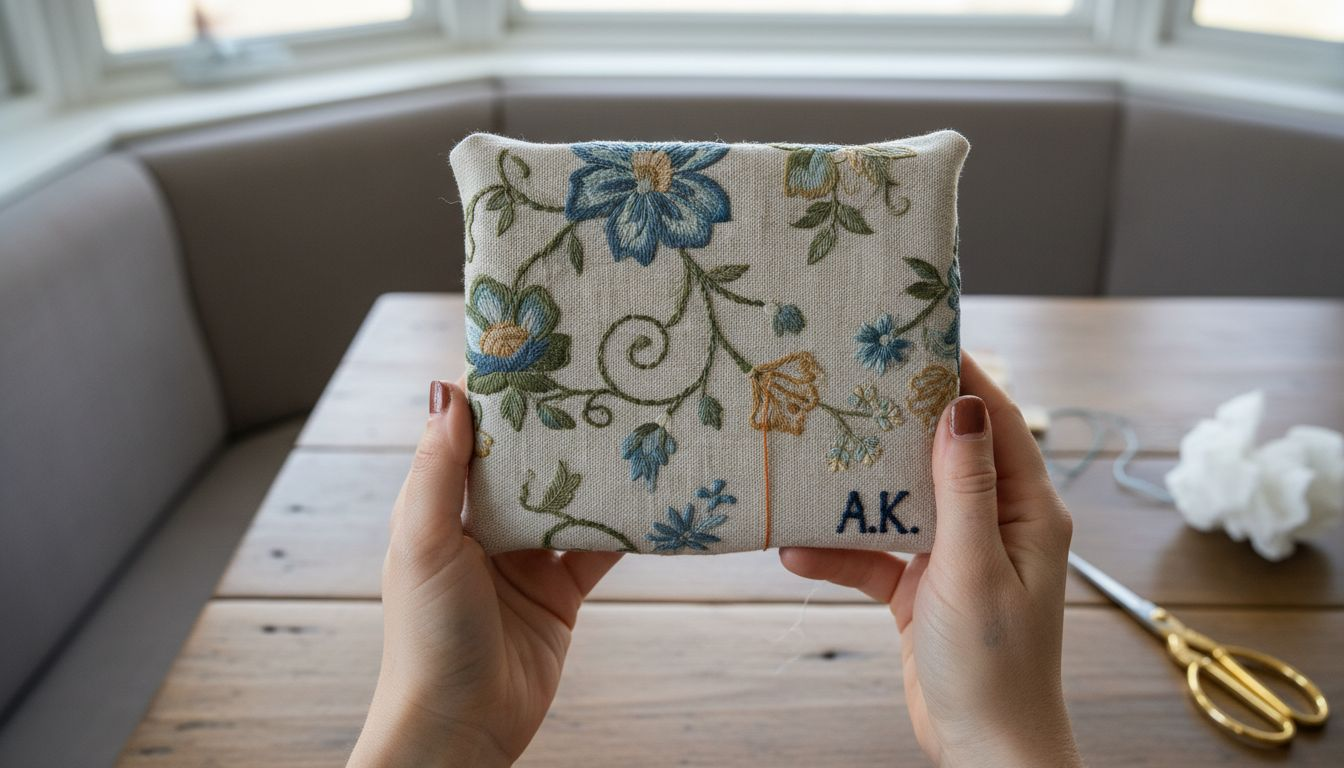
The art of personalised embroidery represents a sophisticated approach to gift presentation, where every stitch tells a story. Traditional textile techniques, such as the elaborate Tapa cloth decorations of Pacific cultures, showcase how meticulous handwork can imbue wrapping with ceremonial elegance. These techniques transcend mere decoration, creating a sensory experience that celebrates both the gift and the recipient’s unique relationship with the giver.
Personalised embroidery offers multiple dimensions of luxury appeal. By incorporating bespoke designs, monograms, or meaningful symbols, gift wrap becomes a canvas for emotional expression. The intricate needlework communicates thoughtfulness, investment of time, and a deep understanding of the recipient’s personality. This approach transforms the act of gift-giving from a transactional exchange into an intimate, memorable moment of connection.
Expert Tip: Embroidery Selection Strategy: Choose embroidery designs that reflect the recipient’s personal style, interests, or shared memories, creating a gift wrap that becomes a cherished keepsake in its own right.
Environmental Savings Versus Paper Waste
Paper gift wrap represents a significant environmental challenge, with staggering consequences for global waste management. Traditional wrapping paper contributes millions of tonnes to annual waste streams, creating an urgent need for sustainable alternatives, highlighting the critical importance of rethinking our gifting practices.
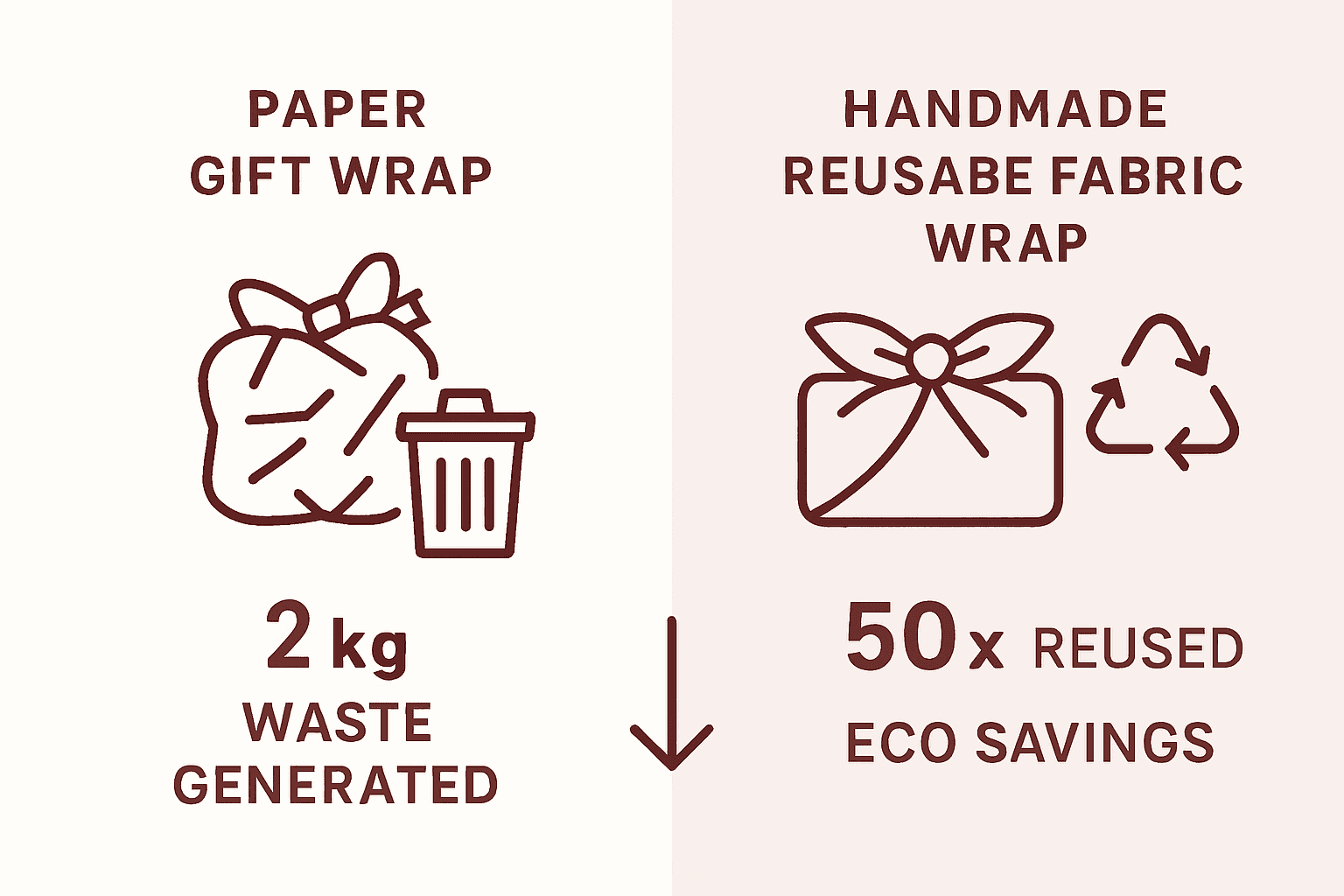
The environmental impact of conventional wrapping extends far beyond immediate waste generation. Comprehensive research reveals that conventional gift wrap production involves substantial resource consumption, including deforestation and significant carbon emissions. Reusable fabric wraps emerge as a powerful solution, offering a multi-year alternative that dramatically reduces single-use packaging waste and supports broader ecological conservation efforts.
Reusable fabric wrapping represents a sophisticated approach to environmentally conscious gift-giving. By investing in high-quality, durable textile wraps, individuals can transform a potential waste stream into a beautiful, repeatable gift presentation method. This approach not only minimises environmental impact but also adds a layer of luxury and personal significance to the gifting experience, creating a meaningful alternative to disposable paper wrapping.
Expert Tip: Waste Reduction Strategy: Build a collection of versatile fabric wraps in neutral colours and classic designs, allowing you to reuse and rotate your gift presentation materials across multiple occasions while significantly reducing your environmental footprint.
Here is a comparison of traditional paper wrapping and handmade fabric gift wrap, highlighting key aspects for sustainable gifting:
| Aspect | Paper Wrapping | Handmade Fabric Wrap |
|---|---|---|
| Environmental Impact | Significant waste, single-use | Minimal waste, reusable for years |
| Cost Over Time | Frequent repurchase needed | Long-term savings with reuse |
| Personalisation | Limited options | Highly customisable designs |
| Cultural Value | Few traditions | Deep heritage in many cultures |
Care, Reuse, And Economic Value
Handmade gift wrap transcends traditional packaging, offering a sophisticated approach to sustainable consumption that balances economic practicality with environmental consciousness. Non-recyclable materials in conventional wrapping contribute significantly to waste streams, making reusable options a compelling economic alternative, demonstrating the financial wisdom of investing in durable textile solutions.
The economic value of reusable gift wrap extends far beyond initial purchase considerations. High-quality fabric wraps represent a strategic investment, dramatically reducing long-term spending on disposable packaging. By selecting versatile, well-crafted textiles, individuals can transform a single purchase into years of elegant gift presentations, creating a cumulative financial saving that compounds with each use.
Care and maintenance become integral to maximising the economic potential of handmade gift wrap. Proper storage, gentle cleaning techniques, and mindful handling can extend the lifespan of fabric wraps, transforming them from single-use items into cherished, multi-functional accessories. This approach not only preserves the economic value of the initial investment but also contributes to a more sustainable, thoughtful approach to gift-giving.
Expert Tip: Economic Preservation Strategy: Develop a simple care routine for your fabric wraps, including gentle washing, careful ironing, and strategic storage, to ensure your investment remains pristine and functional for multiple gifting occasions.
Elevate Your Festive Gifting with Handmade Reusable Fabric Wrap
The challenge with festive gifting often lies in balancing meaningful personal expression with environmental responsibility. Handmade gift wrap, as explored in the article, transforms ordinary presents into treasured tokens by weaving in cultural traditions and sustainability. If you want to fully embrace this thoughtful and eco-friendly approach, our Reusable Fabric Wrap - Luxurious Christmas Collection provides exquisitely crafted options that can be personalised through embroidery for a unique touch. These wraps are designed to turn your gifts into memorable experiences that honour both the recipient and the planet.
Discover the joy of gifting wrapped in heritage, sustainability, and luxury textiles. Browse the collection today at Nicholas & Rose and make every present truly special this festive season. For more curated gift ideas, explore our Favourite Four and enhance your holiday giving with elegant, sustainable choices.
Frequently Asked Questions
What is handmade gift wrap?
Handmade gift wrap refers to wrapping materials that are thoughtfully crafted using personal techniques and sustainable materials, transforming gifts into meaningful tokens of affection.
How does handmade gift wrap contribute to sustainability?
Handmade gift wrap often utilises eco-conscious materials and reusable fabrics, significantly reducing waste compared to traditional paper wrapping, thus supporting environmental conservation efforts.
What are some cultural traditions associated with gift wrapping?
Cultural traditions like Furoshiki from Japan and Bojagi from Korea showcase how handcrafted wrapping techniques embody respect and creativity, turning simple gifts into meaningful cultural experiences.
How can I personalise my handmade gift wrap effectively?
Personalisation can be achieved through methods such as embroidery or choosing designs that reflect the recipient’s personality, interests, or shared memories, enhancing the emotional significance of the gift.
Recommended
- Luxury Eco Christmas Wrapping Tutorial with Fabric Gifts – Nicholas & Rose Limited
- Reusable Holiday Wrap: Eco-Luxury Gifting Explained – Nicholas & Rose Limited
- Luxury Christmas Wrapping Tutorial for Eco-Conscious Gifts – Nicholas & Rose Limited
- Sustainable Gift Wrap Choices: Eco-Luxury for 2025 – Nicholas & Rose Limited
- Manieren om vloeipapier te gebruiken – Kadopapier.net
- Expert Gift Wrapping for Military Items Made Easy – The Regimental Store Ltd
- The Art of Gifting Vintage: Adding Personal Touches to Pre-Loved Treasures