

Why Reusable Gift Wrap Matters for Eco-Luxury
Every year, british households use an astonishing 227,000 miles of gift wrap, most of which ends up in landfill after Christmas. For luxury consumers in the United Kingdom who value sustainability and personal style, this wasteful tradition is being replaced by innovative reusable fabric wraps. Discover how these unique, customisable textiles combine ecological responsibility with elegance, elevating every gift into a meaningful reflection of your values and taste.
Table of Contents
- Reusable Fabric Gift Wrap Explained
- Types Of Reusable Gift Wrap And Personalisation
- Environmental Impact Of Traditional Wrapping Paper
- Luxury Aesthetics And Emotional Value Of Reusable Wraps
- Cost, Etiquette, And Sustainable Gifting Practices
Key Takeaways
| Point | Details |
|---|---|
| Sustainable Practice | Reusable fabric gift wrap significantly reduces waste and offers a more eco-friendly alternative to traditional wrapping paper. |
| Aesthetic and Emotional Connection | These wraps add emotional value and aesthetic appeal, transforming wrapping into a meaningful part of the gift experience. |
| Personalisation Options | Various personalisation techniques, such as embroidery and custom printing, enhance the uniqueness and sentiment of each gift. |
| Long-Term Investment | Investing in quality reusable wraps can lead to long-term savings and a reduction in environmental impact associated with single-use materials. |
Reusable fabric gift wrap explained
Reusable fabric gift wrap represents an innovative approach to sustainable gift presentation, transforming traditional packaging into an elegant, environmentally conscious practice. Advanced fabric wrapping techniques have emerged as a sophisticated alternative to disposable paper wrappings, offering both aesthetic appeal and significant ecological benefits.
The concept draws inspiration from traditional methods like Furoshiki, a Japanese fabric wrapping technique that turns the packaging itself into a cherished part of the gift experience. These wraps can be crafted from various textiles including silk scarves, tea towels, and specialised fabric panels, each providing unique textures and design possibilities. Research indicates that such reusable wrappings not only reduce waste but also enhance the emotional connection between gift-giver and recipient by introducing an additional layer of thoughtfulness.
Key advantages of fabric gift wrap include:
- Durability and multiple-use potential
- Zero waste generation
- Potential for personalisation
- Aesthetic versatility across different gift types
- Cultural significance beyond mere packaging
Pro tip: Select fabric wraps in neutral, high-quality materials that can be reused across multiple occasions to maximise sustainability and economic value.
Types of reusable gift wrap and personalisation
Reusable gift wrap offers an exquisite array of materials and techniques that transform gift-giving into an art form of sustainable elegance. Personalisation strategies have revolutionised the concept of gift presentation, allowing individuals to select wrapping materials that reflect both personal style and environmental consciousness.
The most popular types of reusable gift wrap include:
- Furoshiki: Traditional Japanese fabric wraps made from silk, cotton, or linen
- Scarves: Luxurious silk or lightweight wool scarves that double as elegant wrapping
- Tea towels: High-quality linen or cotton towels with decorative patterns
- Custom fabric panels: Specialised textile pieces designed specifically for gift wrapping
- Reusable fabric bags: Structured cloth bags with drawstring or ribbon closures
Personalisation takes these wrapping options to the next level, enabling gift-givers to create unique presentations. Embroidery, custom printing, monogramming, and selecting fabrics that match the recipient’s taste can transform a simple wrap into a memorable keepsake. Comprehensive gift wrap guides suggest choosing neutral, high-quality materials that maintain their aesthetic appeal across multiple uses.
The following table outlines common personalisation techniques and their special effects in sustainable gift wrapping:
| Personalisation Method | Unique Benefit | Suitable Materials |
|---|---|---|
| Embroidery | Creates enduring keepsake | Linen, cotton, silk |
| Custom Printing | Delivers bespoke design | Cotton, canvas, polyester |
| Monogramming | Adds personal touch | Silk, velvet, wool |
| Pattern Selection | Reflects recipient’s style | Tea towels, scarves, fabric bags |
Pro tip: Invest in versatile fabric wraps in neutral tones and timeless designs to maximise reusability and create a sophisticated gift-giving experience.
Environmental impact of traditional wrapping paper
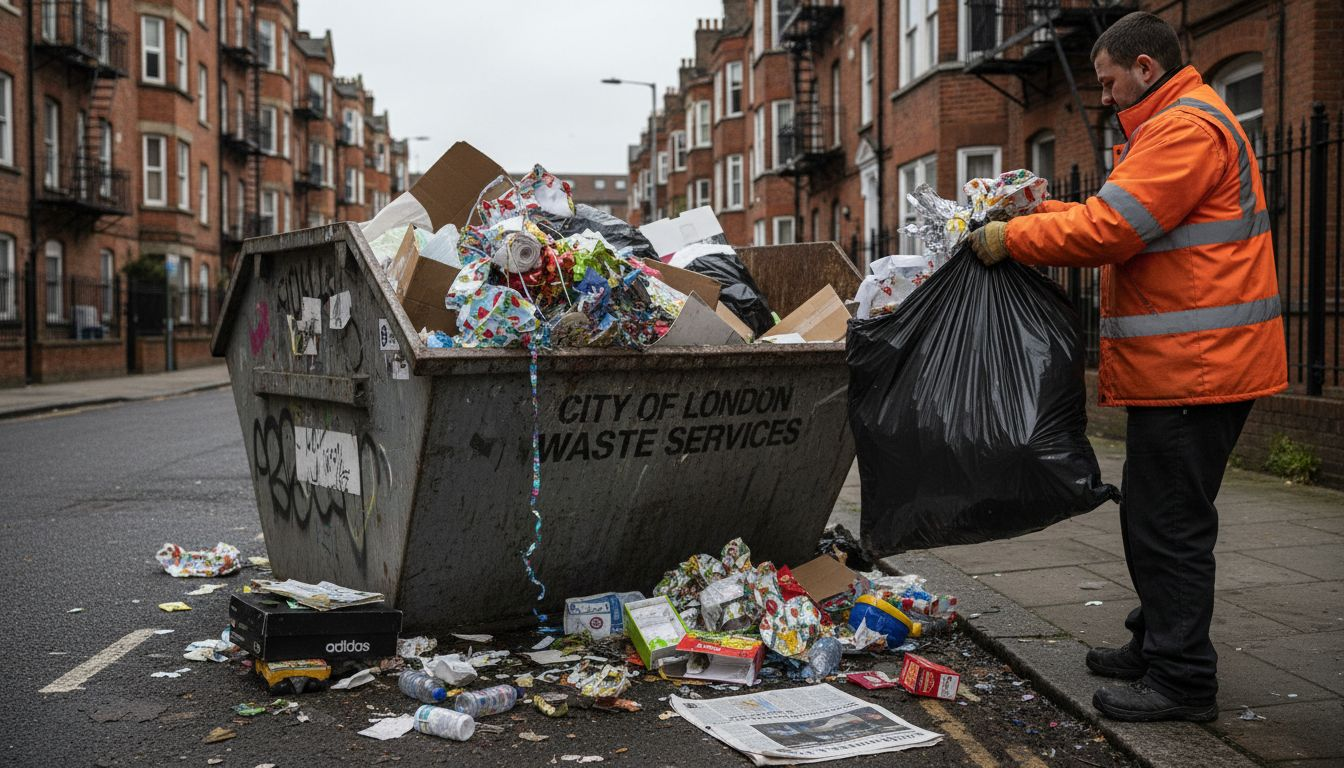
Traditional wrapping paper represents a significant environmental challenge, with staggering ecological consequences that often go unnoticed by consumers. Comprehensive research from environmental institutes reveals the profound impact of single-use gift wrapping, exposing a wasteful cycle that contributes substantially to global environmental degradation.
The statistics are alarming. University research indicates that in the United Kingdom and United States, approximately 2.6 billion pounds of wrapping paper are discarded annually, creating substantial waste management challenges. Most conventional wrapping papers are non-recyclable due to:
- Metallic and glossy finishes
- Glitter embellishments
- Synthetic adhesive elements
- Complex multi-layered compositions
Moreover, the environmental toll extends beyond mere waste generation. The production of traditional wrapping paper involves extensive resource consumption, including significant water usage, chemical processing, and deforestation. The manufacturing process releases greenhouse gases and creates chemical pollutants, while the disposal of these materials in landfills generates methane, further contributing to climate change. The brief moment of aesthetic pleasure provided by conventional wrapping paper comes at a considerable ecological cost.
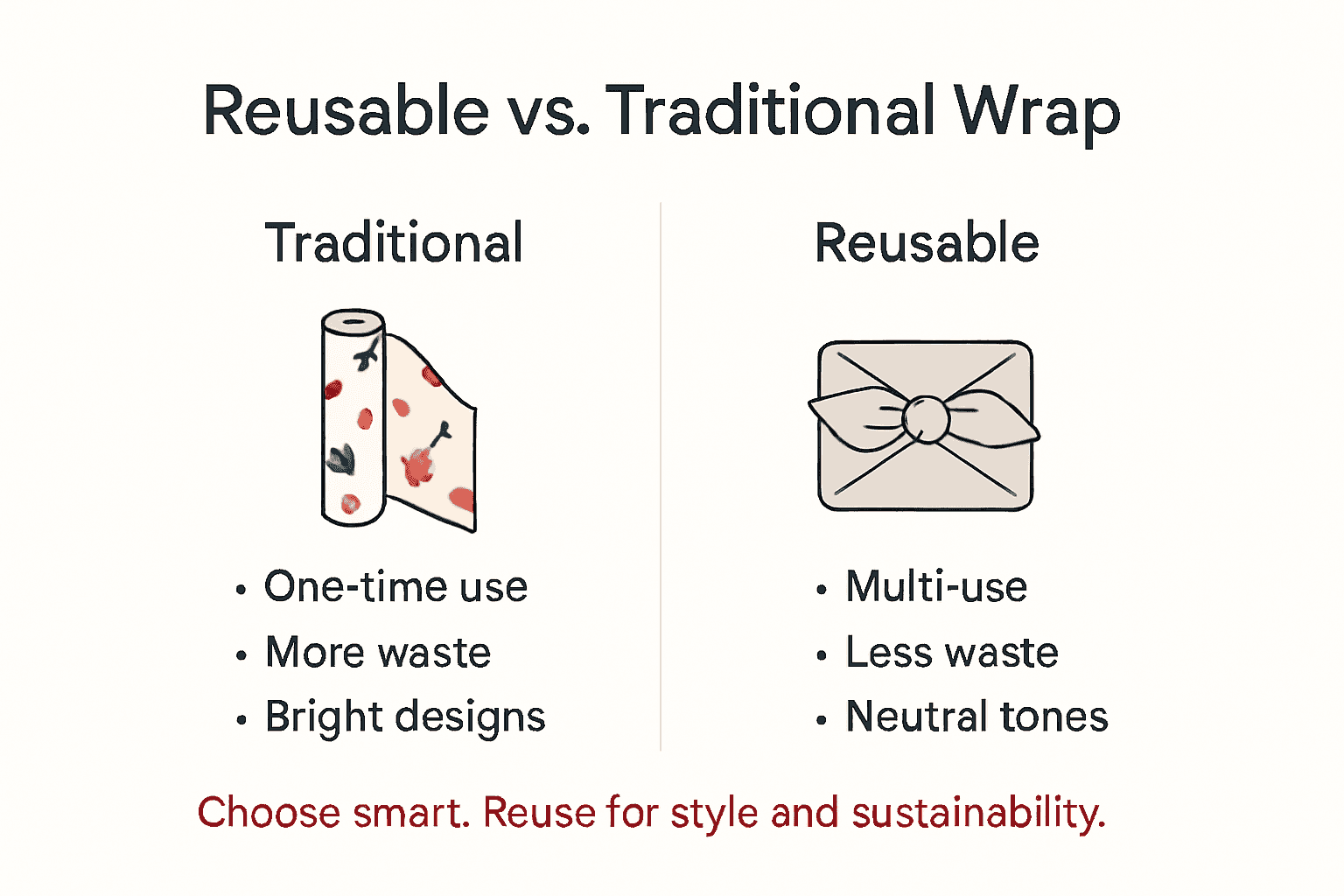
Here’s a comparison of traditional wrapping paper versus reusable fabric gift wrap:
| Aspect | Traditional Wrapping Paper | Reusable Fabric Gift Wrap |
|---|---|---|
| Environmental Impact | Generates significant waste | Zero waste, continuously reusable |
| Resource Use | High water and energy usage | Minimal resource consumption |
| Aesthetic Longevity | Single-use, disposable design | Lasting quality, can be repurposed |
| Emotional Value | Fleeting, limited sentiment | Becomes keepsake, adds significance |
| Economic Value | Repeated purchase required | One-time investment, ongoing use |
Pro tip: Choose wrapping materials that can be reused, recycled, or composted to minimise your environmental footprint and transform gift-giving into a more sustainable practice.
Luxury aesthetics and emotional value of reusable wraps
Reusable gift wraps transcend mere packaging, emerging as sophisticated expressions of personal style and environmental consciousness. Contemporary luxury research reveals that sustainable gifting is not just about reducing waste, but creating emotionally resonant experiences that engage both aesthetic sensibilities and ethical considerations.
The emotional architecture of luxury reusable wraps encompasses several profound dimensions:
- Tactile sophistication
- Narrative potential
- Personal connection
- Aesthetic versatility
- Sustainable storytelling
These fabric wraps become more than transient coverings; they transform into cherished objects with intrinsic value. The neuroscience of luxury consumption demonstrates that materials which invite touch, feature exquisite craftsmanship, and suggest thoughtful intentionality trigger deeper emotional responses. A silk wrap with delicate embroidery or a hand-printed linen panel becomes a memory-laden artefact, extending the gift’s significance beyond its initial moment of exchange.
Pro tip: Select reusable wraps that reflect personal narrative and quality craftsmanship, turning each gift into a multisensory experience that celebrates both aesthetic elegance and environmental mindfulness.
Cost, etiquette, and sustainable gifting practices
Sustainable gifting requires a nuanced approach that balances economic considerations, social etiquette, and environmental responsibility. Comprehensive cost analysis research reveals that reusable gift wraps represent a strategic investment, offering significant long-term financial and ecological advantages over traditional single-use alternatives.
Key considerations in sustainable gifting practices include:
- Initial investment vs. long-term savings
- Quality and durability of materials
- Cultural sensitivity in gift presentation
- Reduction of environmental impact
- Preservation of gifting traditions
Sustainable gifting guidelines emphasise that ethical gift-giving goes beyond mere cost calculation. It involves understanding the broader implications of our choices, selecting items and packaging that demonstrate thoughtfulness, respect for recipients, and commitment to environmental stewardship. This approach transforms gift-giving from a transactional experience into a meaningful social and ecological interaction, where every wrapped present becomes a statement of personal values.
Pro tip: Invest in versatile, high-quality fabric wraps that can be used across multiple occasions, balancing aesthetic elegance with economic and environmental mindfulness.
Elevate Your Gift Giving with Sustainable Luxury Fabric Wraps
The challenge of finding elegant yet eco-conscious gift presentation is real. As highlighted in the article, traditional wrapping paper creates vast waste and misses an opportunity to make gifting emotionally meaningful and environmentally responsible. You deserve a solution that offers durability, personalisation, and lasting value — exactly what reusable fabric gift wraps bring to your celebrations.
Experience the refined art of sustainable gift-wrapping through our curated Reusable Fabric Wrap - Luxurious Christmas Collection. Each piece can be personalised with exquisite embroidery, transforming every gift into a cherished keepsake that reflects thoughtful intention and respect for the planet.
Discover how you can make a meaningful impact with every present. Visit Nicholas & Rose today to explore timeless designs that balance eco-luxury, emotional value, and sustainable gifting practices. Turn your gift wrapping into a beautiful narrative of care and elegance and step confidently into a greener festive season.
Frequently Asked Questions
What are the benefits of using reusable fabric gift wrap?
Reusable fabric gift wrap offers numerous advantages including durability, zero waste generation, aesthetic versatility, and the ability to personalise each gift, enhancing the overall gifting experience.
How does reusable gift wrap contribute to sustainability?
Reusable gift wrap significantly reduces waste compared to traditional wrapping paper, which often ends up in landfills. It encourages a circular economy by promoting multiple uses and responsible resource consumption.
Can I personalise reusable gift wraps?
Yes, personalisation is a key feature of reusable gift wraps. Methods such as embroidery, custom printing, and monogramming allow you to create unique and thoughtful presentations that reflect the recipient’s style and preferences.
What materials are commonly used for reusable gift wraps?
Common materials for reusable gift wraps include silk, cotton, linen, and structured cloth bags. These materials not only enhance the aesthetic appeal but also ensure durability for multiple uses.