

Christmas eco checklist: sustainable gift wraps for newborns
Every Christmas, UK households produce enough wrapping paper to stretch 227,000 miles, much of it destined for landfill due to glitter and plastic coatings. For eco-conscious parents seeking sustainable alternatives for newborn and toddler gifts, reusable fabric wraps offer a practical solution that reduces waste whilst creating personalised keepsakes. This checklist guides you through selecting sustainable gift wraps and presents that minimise environmental impact whilst celebrating your little one’s first Christmases.
Table of Contents
- Key takeaways
- Setting your sustainable gift-wrapping criteria
- Exploring sustainable gift wrap options for newborns and toddlers
- Comparing traditional wrapping paper with reusable fabric wraps
- Making sustainable gift decisions for your family Christmas
- Discover personalised reusable fabric wraps at Nicholas & Rose
- Frequently asked questions
Key Takeaways
| Point | Details |
|---|---|
| Sustainable criteria | Prioritise organic cotton or FSC certified wooden products with safety and environmental standards for babies. |
| Durable multi use wraps | Furoshiki wraps sized 100 by 100 centimetres can be repurposed as nursing covers, pram blankets or play mats after unwrapping. |
| Waste reduction impact | Reusable fabric wraps could prevent around 108 million rolls of wrapping paper entering landfills annually, with each wrap replacing about 50 sheets of traditional paper. |
| Experience gifting | Consider giving theatre tickets, nature memberships or photography sessions to create memories without packaging waste. |
Setting your sustainable gift-wrapping criteria
Selecting eco-friendly wraps and gifts for babies requires clear criteria that balance environmental impact with safety and practicality. Start by prioritising certified organic cotton or FSC-certified wooden products that meet rigorous environmental standards whilst ensuring your little one’s wellbeing. These certifications guarantee materials are grown without harmful pesticides and sourced from responsibly managed forests.
Durability transforms gift wrap from disposable packaging into a functional item. Furoshiki fabric wraps, sized 100x100cm for baby gifts, can serve as nursing covers, pram blankets, or play mats long after unwrapping. This multi-use approach directly addresses the waste crisis, where traditional wrapping generates significant landfill contributions annually.
Quality matters profoundly when wrapping gifts for newborns and toddlers. Fabric wraps withstand repeated washing and handling, making them ideal for families who value both sustainability and practicality. The benefits of fabric gift wrap extend beyond environmental considerations to include tactile experiences that engage babies’ developing senses.
Consider gifting experiences rather than material goods when appropriate. Theatre tickets for older siblings, family memberships to nature reserves, or photography sessions create memories without generating packaging waste. This approach aligns with WWF recommendations to prioritise quality over quantity during festive celebrations.
Pro Tip: Create a reusable wrap collection by purchasing three to five fabric wraps in coordinating colours. This investment covers most gift-giving occasions throughout the year whilst maintaining your sustainable commitment.
Safety remains paramount when selecting items for babies. Check for GOTS certification on textiles and ensure wooden toys carry FSC marks. These standards protect your child from harmful chemicals whilst supporting ethical production practices. Understanding why fabric wraps beat paper helps you make informed decisions that benefit both your family and the planet.
Exploring sustainable gift wrap options for newborns and toddlers
Reusable fabric wraps revolutionise how we present gifts for little ones, offering environmental benefits that traditional paper cannot match. Furoshiki wraps, rooted in Japanese tradition, provide elegant solutions for wrapping awkwardly shaped baby items like plush toys, clothing sets, or board books. The technique requires no tape or ribbons, relying instead on clever folding and knotting that parents can easily master.
Organic cotton wraps sized 100x100cm suit newborn and toddler gifts perfectly. GOTS-certified fabrics ensure no toxic chemicals contact your baby’s skin when the wrap transitions to its second life as a comfort blanket or nursing cover. These wraps withstand countless wash cycles without losing softness or colour vibrancy, making them practical investments for growing families.
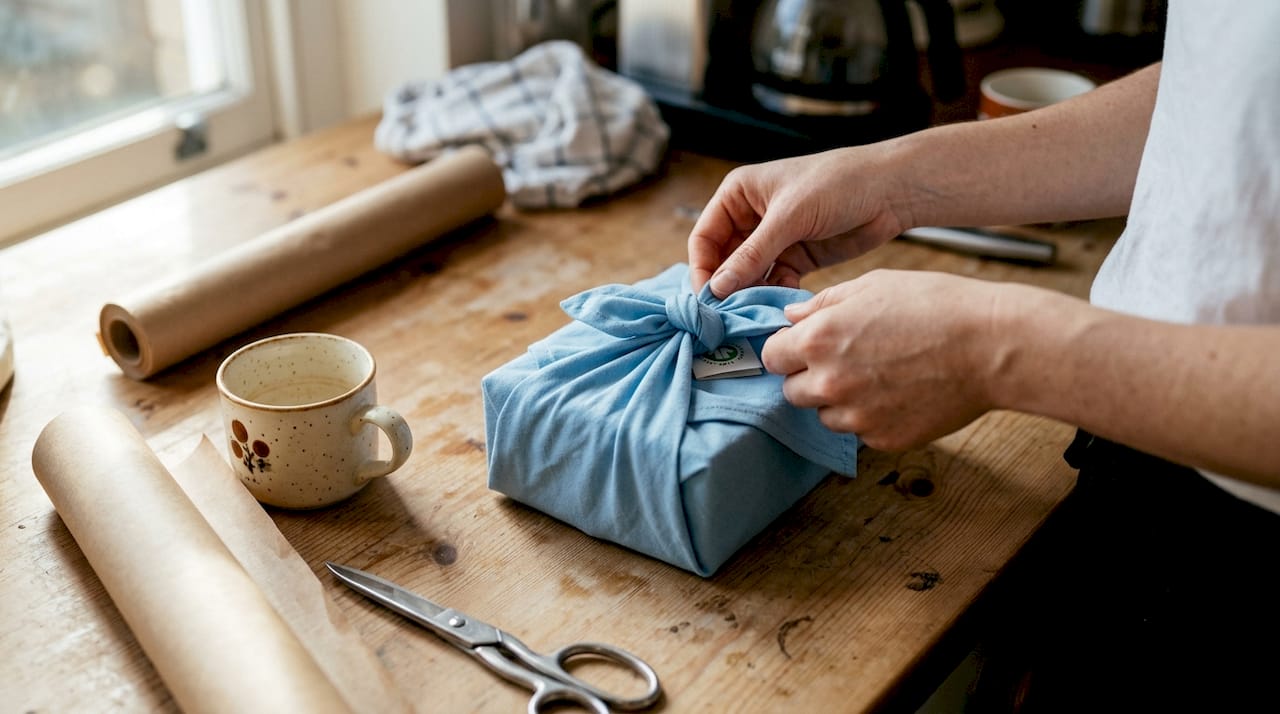
The environmental case for fabric wraps proves compelling. Reusable wraps eliminate 108 million rolls of wrapping paper from landfills annually when adopted widely. Each fabric wrap replaces approximately 50 sheets of traditional paper over its lifetime, dramatically reducing your household’s festive waste footprint.
Personalisation transforms functional wraps into cherished keepsakes. Embroidered names, birth dates, or special messages turn wrapping into part of the gift itself. Parents often preserve these personalised wraps in memory boxes alongside first shoes and hospital bracelets, creating tangible connections to early celebrations.
- Choose wraps in neutral colours like cream, grey, or sage green for versatility across occasions
- Select patterns featuring woodland animals, geometric shapes, or delicate florals that suit baby aesthetics
- Consider textured fabrics like linen blends that add tactile interest for sensory development
- Opt for larger sizes that accommodate bulky items like nappy cakes or gift baskets
The eco-luxury appeal of reusable wrap elevates gift presentation beyond what disposable paper achieves. Fabric drapes beautifully, creating sophisticated presentations that recipients genuinely appreciate and retain. This aesthetic quality encourages the cultural shift towards sustainable practices by making eco-friendly choices visually appealing.
After unwrapping, fabric serves numerous purposes in daily parenting life. Use wraps as burp cloths, lightweight blankets for pram outings, or picnic mats for outdoor play. This functionality ensures your investment continues delivering value long after Christmas morning, embodying the multiple ways to reuse gift wrap throughout your parenting journey.
Comparing traditional wrapping paper with reusable fabric wraps
Understanding the stark differences between paper and fabric wrapping helps parents make informed sustainable choices. Traditional wrapping paper creates a linear waste stream: purchase, use once, discard. This model contributes significantly to household waste during the festive period, when recycling systems struggle to cope with volume increases.
| Aspect | Traditional paper | Reusable fabric wraps |
|---|---|---|
| Environmental impact | 3kg CO2 per 1kg used | Zero waste after initial production |
| Lifespan | Single use, often unrecyclable | 50+ uses over several years |
| Cost per use | £2-4 per gift | £0.20-0.40 per gift (after 10 uses) |
| Post-gift function | Immediate disposal | Transforms into household textile |
| Recycling reality | Contaminated by tape, glitter, foil | Machine washable, no disposal needed |
| Storage requirement | None (discarded) | Minimal folded space |
Recycling rates plummet during Christmas despite good intentions. Over 80% of households produce extra bin bags during the festive period, overwhelming local collection services. Much wrapping paper marketed as recyclable contains plastic films or metallic finishes that contaminate recycling streams, ultimately reaching landfill regardless of household sorting efforts.
Fabric wraps eliminate this confusion entirely. No sorting decisions, no contamination concerns, no guilt about contributing to waste mountains. Simply fold clean wraps and store them for the next celebration, whether that arrives in weeks or months.
Pro Tip: Start your fabric wrap collection before December to avoid last-minute paper purchases. Three wraps can handle most immediate family gifts, with additional wraps added gradually as your sustainable practice expands.
“Switching to reusable fabric wraps transformed our family Christmas. We’ve saved approximately £60 annually on wrapping supplies whilst creating beautiful presentations that grandparents treasure and reuse for birthday gifts throughout the year.”
The economic argument strengthens over time. Initial fabric wrap investment costs £12-18 per wrap, seemingly expensive compared to £3 paper rolls. However, after ten uses, the per-gift cost drops below disposable alternatives. By year three, you’re saving money whilst maintaining your environmental commitment, demonstrating how investing in reusable wrap delivers both ecological and financial returns.
Practical considerations favour fabric for baby gifts specifically. Wraps contain messes during travel, protect delicate items from damage, and provide emergency changing mats when out with little ones. These unexpected benefits make fabric wraps indispensable parenting tools rather than mere packaging, justifying their place in your sustainable lifestyle. The advantages of reusable wrapping extend far beyond environmental metrics into daily functionality.
Making sustainable gift decisions for your family Christmas
Transforming knowledge into action requires a systematic approach to sustainable gift selection and presentation. Follow this decision-making framework to ensure your Christmas celebrations align with environmental values whilst creating meaningful experiences for your newborn or toddler.
-
Audit current gift lists: Review planned purchases for organic certification, FSC marks, or second-hand options. Replace conventional items with sustainable alternatives that meet safety standards for babies.
-
Calculate wrap requirements: Count gifts needing wrapping and determine fabric wrap quantities needed. Three to five wraps handle most small family celebrations, with borrowing or swapping covering larger gatherings.
-
Personalise strategically: Select one or two special wraps for embroidered personalisation, creating heirloom pieces that mark significant milestones. Standard wraps serve everyday gifting needs without additional cost.
-
Consider experience gifts: Gift experiences rather than objects when appropriate. Swimming lessons, music classes, or zoo memberships create memories without generating packaging waste.
-
Plan meal portions carefully: Order realistic food quantities to prevent waste. Compost vegetable peelings and donate excess non-perishables to food banks before spoilage occurs.
-
Establish wrap care routines: Designate storage space for clean wraps between uses. Fold systematically to prevent creasing and maintain presentation quality for future occasions.
-
Share sustainable practices: Gift fabric wraps to family members, explaining their environmental benefits and multiple uses. This spreads sustainable habits beyond your immediate household.
-
Track savings and impact: Monitor money saved on disposable wrapping and estimate waste diverted from landfill. Concrete numbers reinforce commitment and motivate continued practice.
Choosing the best reusable options involves balancing aesthetics with functionality. Neutral colours suit various occasions, whilst playful patterns specifically chosen for baby gifts add celebratory flair. Consider your family’s long-term needs when building your collection, selecting sizes and styles that adapt as your child grows.
Maintaining sustainable habits beyond Christmas requires minimal effort once systems establish. Store wraps with seasonal decorations for easy access throughout the year. Birthday parties, baby showers, and thank-you gifts all benefit from reusable wrapping, extending your environmental impact reduction across twelve months rather than one festive season.
The complete guide to repeat-use wrapping offers additional techniques for maximising your fabric wrap investment. Master basic furoshiki knots to handle various gift shapes confidently. Practice transforms wrapping from chore into creative expression, making sustainable choices genuinely enjoyable rather than obligatory sacrifices.
Discover personalised reusable fabric wraps at Nicholas & Rose
Nicholas & Rose specialises in premium reusable fabric wraps designed specifically for eco-conscious parents celebrating newborns and toddlers. Their collection features organic cotton wraps in carefully curated colours and patterns that suit baby gifts beautifully whilst maintaining sophisticated aesthetics that adults appreciate.
Personalisation through embroidery transforms functional wraps into treasured keepsakes that families preserve alongside precious baby mementoes. Choose from elegant script fonts or playful block lettering to add names, dates, or special messages that commemorate first Christmases and milestone celebrations.
The sunshine yellow furoshiki wrap brings cheerful warmth to winter gift-giving, whilst the woodland rabbit design offers gentle nature-inspired patterns perfect for nursery aesthetics. Each wrap measures 100x100cm, providing ample fabric for wrapping larger baby items or creating decorative presentations for smaller gifts.
Explore the complete collection at Nicholas & Rose to find sustainable wrapping solutions that align with your environmental values whilst celebrating your little one’s early years beautifully.
Frequently asked questions
Can I wash and reuse fabric gift wraps?
Fabric wraps are completely machine washable and designed for repeated use over many years. Wash on gentle cycles with mild detergent and air dry to maintain colour vibrancy and fabric integrity. Most quality wraps withstand 50 or more wash cycles without significant wear, making them genuinely sustainable alternatives to disposable paper.
What are the best sustainable gifts for newborns and toddlers?
Organic cotton clothing, FSC-certified wooden toys, and non-toxic bath products make excellent sustainable gifts for little ones. Prioritise items carrying GOTS, FSC, or similar certification marks that guarantee environmental and safety standards. Experience gifts like swimming lessons or music classes also provide developmental benefits without material waste.
How can I reduce waste throughout the Christmas season?
Plan meals carefully using realistic portion estimates to prevent food waste, and compost vegetable scraps where possible. Choose second-hand toys and books that offer equal play value at lower environmental cost. Use reusable fabric wraps for all gifts and recycle packaging materials diligently, keeping contaminated items separate from clean recyclables.
Do reusable wraps work for awkwardly shaped gifts?
Furoshiki techniques handle irregular shapes beautifully through strategic folding and knotting. Larger wraps accommodate bulky items like stuffed toys or gift baskets, whilst smaller wraps suit books and clothing perfectly. Online tutorials demonstrate various wrapping methods for different gift shapes, making fabric wraps more versatile than rigid paper alternatives.
How do I store fabric wraps between uses?
Fold clean wraps neatly and store them in a designated drawer or basket with seasonal decorations for easy access. Avoid cramming wraps into tight spaces that cause permanent creasing. Cedar sachets or lavender bags keep stored fabrics fresh whilst naturally deterring moths, ensuring wraps remain pristine for future gift-giving occasions.
Recommended
- UK eco wrapping checklist for sustainable celebrations – Nicholas & Rose Limited
- Modern holiday wrap: sustainable gifting for families – Nicholas & Rose Limited
- 7 Steps to a Gift Wrap Sustainability Checklist for Parents – Nicholas & Rose Limited
- Sustainable gift wrap trends 2026: eco-luxury for parents – Nicholas & Rose Limited