

Create personalised eco-conscious gift wrap in 5 steps
Traditional gift wrapping generates enormous waste, with UK households using 227,000 miles of wrapping paper annually. Much of this ends in landfill before babies arrive at their celebrations. Eco-conscious parents seeking luxury, personalised solutions face a dilemma: how to create memorable presentations without environmental guilt. This guide presents a complete workflow for designing sustainable, personalised gift wrap that transforms celebrations into keepsakes whilst dramatically reducing waste. You’ll learn material selection, design techniques, wrapping methods, and preservation strategies that honour both your values and your loved ones.
Table of Contents
- Key takeaways
- Understanding the impact of traditional gift wrap waste
- Preparing your personalised eco-conscious gift wrap: materials and design essentials
- Executing wrapping techniques: applying sustainable personalised wraps with style
- Verifying eco-friendliness and preserving your personalised gift wrap keepsakes
- Explore luxury personalised reusable gift wraps at Nicholas & Rose
- Frequently asked questions about personalised eco-conscious gift wrap
Key Takeaways
| Point | Details |
|---|---|
| Complete wrap design workflow | A complete workflow guides material selection, design techniques, wrapping methods and preservation strategies to create sustainable personalised gift wrap. |
| Reusable and printed materials | The guide highlights options such as 100gsm recycled FSC paper and fabric wraps that can be used repeatedly to cut waste. |
| Personalised keepsake focus | Personalisation is framed as central, transforming gifts into keepsakes that guests treasure long after celebrations end. |
| Waste reducing design choices | Suggestions include plantable seed paper tags, natural twine and fabric wraps that replace disposable elements. |
Understanding the impact of traditional gift wrap waste
The UK faces a staggering wrapping paper crisis. Each Christmas alone, British households use enough wrapping paper to circle the equator nine times, yet much contains non-recyclable elements like glitter, foil, and plastic coatings that contaminate recycling streams. Baby showers and children’s celebrations compound this problem year-round, with parents purchasing fresh paper for every occasion.
The carbon footprint tells an even grimmer story. Each kilogram of paper wrapping generates approximately 3kg of CO2 emissions through production, transport, and disposal. When you factor in the plastic ribbons, synthetic bows, and laminated tags accompanying most gifts, the environmental toll multiplies. A single baby shower with 20 guests easily produces 5kg of wrapping waste destined for landfill, contributing 15kg of carbon emissions before the celebration even begins.
Consider these sobering realities:
- 50% of wrapping paper contains metallic finishes or glitter that prevent recycling
- Plastic packaging waste from gift wrap accessories adds 8 million tonnes to UK landfills annually
- Traditional wrapping paper production requires virgin wood pulp from 50,000 trees each year
- Most wrapping paper reaches landfill within 2 hours of gift opening
Zero waste wrapping offers a compelling alternative. By choosing reusable materials and thoughtful design, you eliminate recurring waste whilst creating presentations that guests treasure long after celebrations end. Personalised eco-conscious wrapping transforms disposable excess into meaningful keepsakes that honour both recipients and planet.
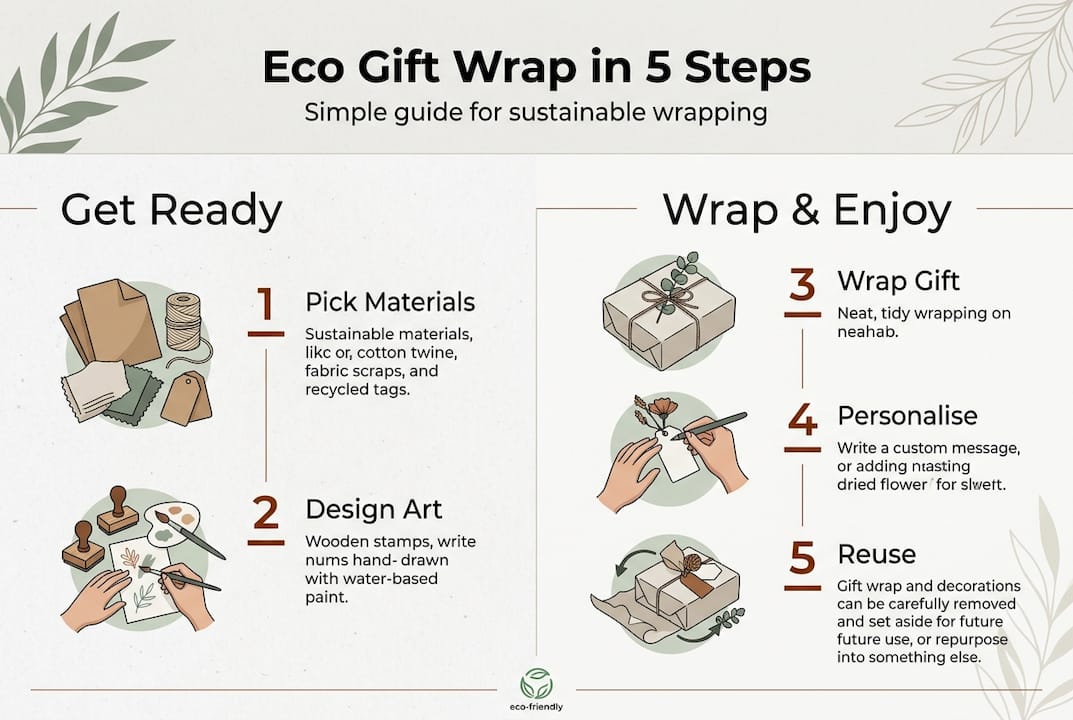
The shift requires rethinking wrapping as an investment rather than expense. When fabric wraps last decades and paper choices prioritise recyclability, your environmental impact drops dramatically whilst presentation quality soars. This approach particularly resonates for baby showers, where wrapping often outlives its purpose before the child arrives.
Preparing your personalised eco-conscious gift wrap: materials and design essentials
Selecting sustainable materials forms your foundation. Eco-conscious wrapping uses 100gsm recycled FSC paper with vegetable inks or reusable fabric like Furoshiki cloth. Each material offers distinct advantages for personalisation and environmental impact. Paper suits one-time custom designs with intricate patterns, whilst fabric provides infinite reuse potential with embroidered personalisation.
Your material options include:
- Recycled FSC-certified paper printed with vegetable-based inks
- Organic cotton or linen fabric squares in 50cm to 100cm sizes
- Furoshiki wraps in luxury fabrics like silk or satin for premium presentations
- Plantable seed paper tags that grow wildflowers after use
- Natural jute twine or organic cotton ribbons for finishing touches
Begin your design process by creating base artwork. Hand-drawn illustrations work beautifully for personal touches, scan them at 300dpi minimum for print clarity. Digital design offers precision and repeatability. Use design software like Photoshop or free alternatives like Canva to develop your patterns. For children’s celebrations, incorporate playful elements: woodland animals, pastel colour palettes, or the child’s name in elegant typography.
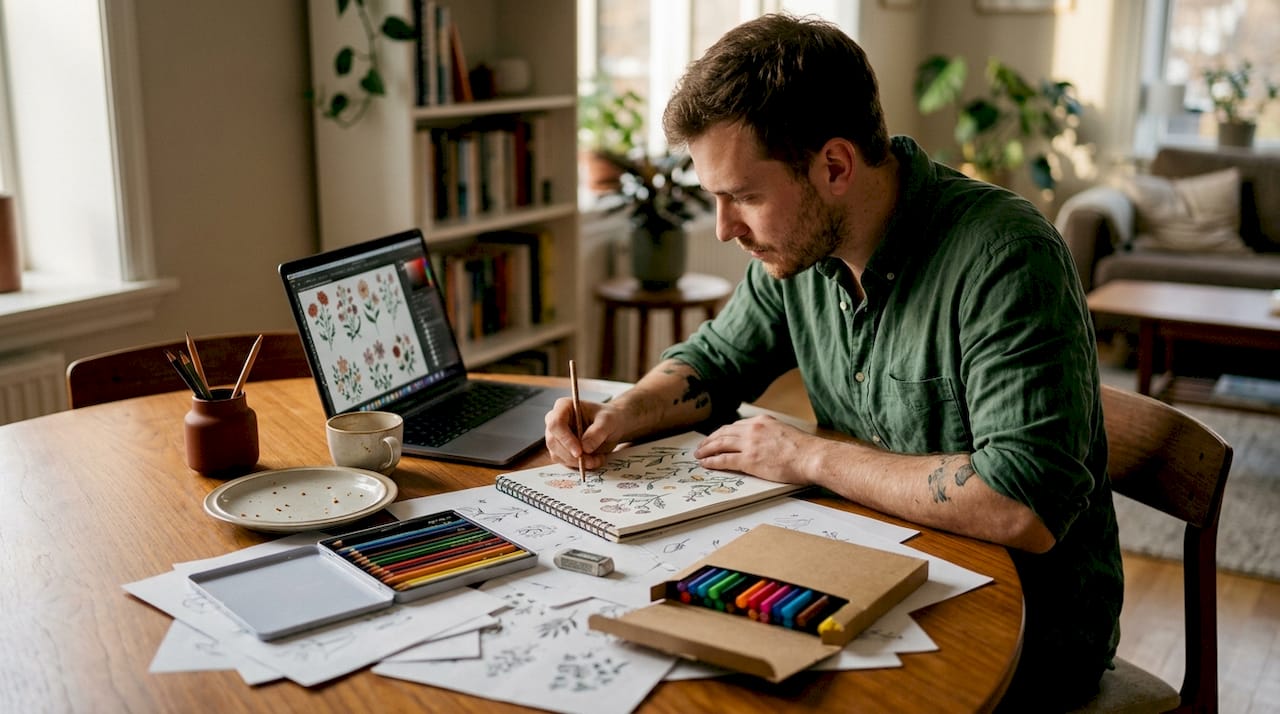
Seamless repeating patterns elevate professional appearance. Create a square canvas in your design software, position elements so edges align when tiles repeat. Online pattern generators simplify this process for beginners. Test your pattern by duplicating the tile in a grid to ensure smooth transitions without obvious seams. This technique works brilliantly for fabric wraps you’ll use repeatedly.
| Material Type | Ecological Benefit | Practical Usage | Personalisation Options |
|---|---|---|---|
| Recycled FSC Paper | 60% less water, 70% less energy than virgin paper | Single use, fully recyclable if uncoated | Custom printing, hand stamping, watercolour designs |
| Organic Cotton Fabric | Reusable 50+ times, biodegradable end of life | Multi-use, machine washable | Embroidery, fabric paint, block printing |
| Furoshiki Silk | Luxury keepsake, zero waste philosophy | Infinite reuse, becomes décor or accessory | Monogramming, hand-painted designs |
| Plantable Seed Paper | Grows into wildflowers, completely compostable | Tags and cards, adds experiential value | Letterpress, natural dye printing |
Pro Tip: Before committing to printed paper, perform the scrunch test. Crumple your paper sample into a tight ball, then release. If it springs back smooth, it likely contains plastic coating and won’t recycle. Choose paper that stays crumpled for genuine recyclability.
Align your designs with celebration themes. Baby showers suit soft pastels with animal motifs or nursery rhyme illustrations. First birthdays call for bold primary colours and playful patterns. Consider luxury presentation elements like hand-lettered names or birth dates that transform wrapping into commemorative textiles families preserve.
Executing wrapping techniques: applying sustainable personalised wraps with style
Mastering wrapping techniques ensures your sustainable choices deliver luxury presentation. Start with traditional box wrapping using your custom printed recycled paper. Position your gift diagonally on the paper, ensuring enough material to cover all sides with 5cm overlap. Fold opposite corners over the box top, securing with recyclable tape or natural adhesive. Create crisp hospital corners on remaining sides by folding edges inward before bringing paper up and over.
Furoshiki fabric wrapping offers elegant versatility for various shapes. This Japanese technique involves folding and knotting fabric squares between 30cm and 100cm, with specialised methods for boxes, bottles, and irregular shapes. The basic wrap works beautifully for square or rectangular gifts:
- Place your gift in the centre of your fabric square, positioned diagonally so corners point toward you
- Bring the bottom corner up and over the gift, tucking it slightly underneath
- Fold the top corner down to meet the bottom, creating a neat envelope
- Tie the left and right corners together above the gift in a secure square knot
- Adjust fabric folds to create symmetrical, elegant draping
For bottle wrapping, use the standing bottle technique. Position the bottle in the centre of your fabric. Gather two opposite corners and tie them together at the bottle neck, creating a handle. Wrap remaining corners around the bottle base and tie underneath. This method works brilliantly for baby shower gift sets or children’s drink bottles, creating a reusable tote bag after unwrapping.
Irregular shapes require the bundle wrap approach. Place your gift in the fabric centre, gather all four corners together above the gift, and tie them in a decorative knot. This creates a charming pouch presentation that accommodates stuffed animals, clothing bundles, or oddly shaped toys. Add personality by threading ribbons through the knot or attaching plantable tags.
Essential wrapping tools and finishing touches include:
- Natural jute twine or organic cotton ribbon in complementary colours
- Recyclable washi tape in coordinating patterns
- Plantable seed paper gift tags with hand-lettered messages
- Fresh herbs like rosemary or lavender tucked into knots for sensory appeal
- Dried flowers or cinnamon sticks as natural embellishments
- Reusable wooden gift tags that recipients return for future use
Personalise fabric wraps with embroidery for lasting keepsake value. Simple backstitch monograms add elegance without requiring advanced skills. Position initials or birth dates in corner sections that remain visible when wrapped. Use embroidery floss in contrasting colours for visibility, or tone-on-tone for subtle sophistication. This transforms your wrap into a treasured textile that families incorporate into nursery décor or save for future siblings.
Pro Tip: Select fabric size based on gift dimensions using this formula: measure your gift’s longest dimension, multiply by three, add 10cm. This ensures adequate fabric for secure knotting without excess bulk. For gifts under 20cm, use 50cm squares. For gifts 20cm to 35cm, use 70cm squares. Larger gifts require 90cm to 100cm squares.
Preserve fabric wraps for extended use by establishing a return system. Include a small card with wrapped gifts explaining the wrap’s reusable nature and inviting recipients to return it at future gatherings. Many families embrace this practice, creating a circular gifting culture that strengthens community bonds whilst eliminating waste. Store returned wraps in breathable cotton bags, organised by size and occasion theme for easy future selection.
Verifying eco-friendliness and preserving your personalised gift wrap keepsakes
Assessing your wrapping’s true sustainability prevents greenwashing disappointments. Apply these verification checks to ensure genuine environmental benefits. For paper choices, perform the scrunch test described earlier. Additionally, check for FSC or PEFC certification marks indicating responsible forestry. Examine printing inks, vegetable-based formulas biodegrade harmlessly whilst petroleum inks contaminate recycling.
Fabric wrap durability determines long-term sustainability. Quality natural fibres like organic cotton or linen withstand 50+ wash cycles without significant degradation. Inspect seam construction if purchasing pre-made wraps, double-stitched edges prevent fraying. Test fabric hand feel, substantial weight indicates durability whilst flimsy material suggests short lifespan. Verify fabric content labels, 100% natural fibres biodegrade at end of life whilst synthetic blends persist in landfills.
Sustainability verification checklist:
- Paper passes scrunch test and carries FSC/PEFC certification
- Inks specify vegetable or soy-based formulation
- Fabric contains 100% natural fibres without synthetic blends
- Dyes use low-impact or natural plant-based sources
- Embellishments avoid plastic components, favouring wood, metal, or natural materials
- Adhesives use natural gums rather than synthetic polymers
| Criterion | Paper Wrapping | Fabric Wrapping |
|---|---|---|
| Waste Generation | Single use, recyclable if uncoated | Reusable 50+ times, zero waste |
| Durability | Tears easily, damaged by moisture | Withstands washing, maintains appearance decades |
| Personalisation | Custom printing, stamps, painting | Embroidery, fabric paint, permanent designs |
| Keepsake Value | Limited, usually discarded | High, becomes treasured textile with memories |
| Cost per Use | £2-5 per gift | £15-30 initial, £0.30 per use over 50 uses |
| Environmental Impact | 3kg CO2 per kg paper | 0.06kg CO2 per use when amortised |
The Mottainai philosophy guides sustainable wrapping practices. This Japanese concept expresses regret over waste, encouraging mindful use of resources and creative reuse. Applied to gift wrapping, Mottainai transforms disposable presentation into cherished objects with ongoing purpose. Your personalised fabric wrap might serve as a baby’s comfort blanket, a decorative wall hanging in the nursery, or a cherished textile passed between family members at celebrations.
Store fabric wraps properly to maximise longevity. Wash wraps in cold water with gentle, eco-friendly detergent after each use. Air dry flat to prevent shrinkage and maintain shape. Iron natural fibres on appropriate settings to restore crisp appearance. Fold wraps neatly and store in breathable cotton storage bags, organised by size and design theme. Avoid plastic storage containers that trap moisture and promote mildew. Cedar sachets deter moths without chemical treatments.
Pro Tip: Enhance sentimental value by adding new embroidered elements after each use. Record gift dates, recipient names, or celebration types in tiny stitches along fabric edges. Over years, your wrap becomes a textile chronicle of family milestones, with each thread telling stories of love and connection. This practice particularly resonates for baby shower gifts, where wraps document a child’s arrival and early celebrations.
Encourage recipients to view personalised wraps as integral celebration components. Include care instructions and suggestions for alternative uses with each wrapped gift. Share the environmental impact statistics that motivated your choice, inspiring others to adopt sustainable gifting practices. Many families report that reusable wraps become anticipated elements of their celebration traditions, with children requesting favourite patterns for their special days.
Establish a wrap library within your community or family network. Create a shared collection of personalised fabric wraps in various sizes and themes, available for borrowing at celebrations. This amplifies environmental benefits whilst building social connections around sustainable practices. Document each wrap’s journey through photographs, creating a visual story of the joy and memories your eco-conscious choices generate across your community.
Explore luxury personalised reusable gift wraps at Nicholas & Rose
Transform your gift presentations with Nicholas & Rose’s exquisite collection of personalised reusable fabric wraps. Each piece combines luxury aesthetics with genuine sustainability, designed specifically for eco-conscious parents celebrating life’s precious moments. The range features premium organic fabrics in designs that capture childhood wonder whilst honouring environmental responsibility.
Discover the sunshine yellow Furoshiki wrap that radiates joy for baby showers and first birthdays. The cheerful confetti pattern delights children whilst the durable organic cotton ensures decades of reuse. For nature-inspired celebrations, explore the woodland rabbit reusable wrap featuring charming forest creatures in soft, soothing tones perfect for newborn gifts.
Each Nicholas & Rose wrap accepts personalised embroidery, transforming presentation into treasured keepsake. Add baby’s name, birth date, or meaningful symbols that families preserve long after celebrations end. Browse the complete collection at Nicholas & Rose to find designs that reflect your values and elevate your gifting experience. Your choice creates ripples of positive impact, reducing waste whilst building traditions that honour both loved ones and planet.
Frequently asked questions about personalised eco-conscious gift wrap
What materials are best for personalised eco-friendly gift wrap?
Recycled FSC-certified paper with vegetable-based inks works brilliantly for custom printed designs you’ll use once. For reusable options, organic cotton or linen Furoshiki wraps offer the best combination of durability, personalisation potential through embroidery, and environmental benefit. Luxury silk fabrics elevate special occasions whilst maintaining zero waste principles through infinite reuse.
How do reusable fabric wraps compare to paper in sustainability and cost?
Fabric wraps eliminate 100% of wrapping waste when used repeatedly, whilst even recyclable paper generates emissions and requires processing. Initial fabric investment of £15 to £30 delivers 50+ uses, reducing cost per use to £0.30 compared to £2 to £5 per paper wrap. Over a decade of celebrations, fabric wraps save hundreds of pounds whilst preventing kilograms of landfill waste.
Can I personalise fabric wraps similarly to paper designs?
Fabric wraps accept even more personalisation than paper through embroidery, fabric paint, block printing, and hand-painted designs that become permanent features. Monogramming adds elegant sophistication, whilst embroidered birth dates or names create keepsake value that increases over time. Unlike paper designs that tear and discard, fabric personalisation becomes part of family heritage passed between generations.
What are simple fabric wrapping techniques for irregularly shaped gifts?
The bundle wrap accommodates any shape beautifully. Place your gift in the fabric centre, gather all four corners together above it, and tie them in a secure decorative knot. This creates an elegant pouch presentation that works for stuffed animals, clothing, or oddly shaped toys. Add natural twine or ribbons through the knot for enhanced visual appeal and secure closure.
How should I care for reusable gift wraps to ensure longevity?
Wash fabric wraps in cold water with gentle eco-friendly detergent after each use, air dry flat to prevent shrinkage. Iron natural fibres on appropriate settings to restore crisp appearance before storage. Fold neatly and store in breathable cotton bags with cedar sachets to prevent moths. Proper care ensures your wraps maintain beauty and function for 50+ uses, maximising environmental and economic benefits whilst preserving their keepsake quality.
Recommended
- Step by Step Eco Gift Wrapping for Personalised Gifts – Nicholas & Rose Limited
- 7 Personalised Gift Wrap Ideas for Eco-Conscious Gifting – Nicholas & Rose Limited
- 7 Steps to a Gift Wrap Sustainability Checklist for Parents – Nicholas & Rose Limited
- Luxury Christmas Wrapping Tutorial for Eco-Conscious Gifts – Nicholas & Rose Limited
- How to customise party gifts for memorable celebrations – Personalise4uLtd