

Eco Conscious Gift Wrapping Explained: Sustainable Luxury
More than 227,000 tonnes of traditional wrapping paper are discarded by british households every festive season, often ending up in landfill rather than being recycled. For eco-conscious luxury shoppers, the hunt for holiday gift-wrapping that combines sustainability with personal flair has never been more urgent. Discover how innovative, environmentally responsible materials and bespoke touches can transform your gift presentation into an elegant statement of both care and conscience.
Table of Contents
- Eco Conscious Gift Wrapping Defined Clearly
- Types Of Sustainable Wrapping Materials
- Personalising Gifts With Embroidered Fabric
- Environmental Impact And Waste Reduction
- Comparing Eco Options With Traditional Wraps
Key Takeaways
| Point | Details |
|---|---|
| Eco Conscious Gift Wrapping | Prioritises environmental sustainability by using materials that are reusable, recyclable, or biodegradable. |
| Sustainable Materials | Options include organic cotton, kraft paper, and biodegradable materials that support reduced waste and ethical production. |
| Personalisation | Embroidered fabric wraps allow for unique and memorable gift presentations while promoting sustainability. |
| Environmental Impact | Traditional wrapping generates significant waste, making eco-friendly alternatives essential for reducing landfill contributions. |
Eco Conscious Gift Wrapping Defined Clearly
Eco conscious gift wrapping represents a thoughtful approach to packaging presents that prioritises environmental sustainability. At its core, this practice involves using sustainable materials that minimise waste and support ethical production, moving beyond traditional disposable wrapping techniques.
The fundamental principles of sustainable gift wrapping centre on selecting materials that can be reused, recycled, or naturally decomposed. This means moving away from conventional wrapping papers that often contain non-recyclable elements like glitter, metallic coatings, or synthetic adhesives. Traditional wrapping paper frequently becomes landfill waste due to its complex composition, making conscious material choices critical for environmentally responsible gift presentation.
Key characteristics of eco conscious gift wrapping include:
- Using natural, biodegradable materials like organic cotton, hemp, or sustainably sourced paper
- Selecting wrapping options that can be reused multiple times
- Choosing decorative elements that are compostable or recyclable
- Supporting small producers who prioritise ethical manufacturing processes
Pro Tip for Sustainable Wrapping: Invest in high-quality, reusable fabric wraps that can be used repeatedly, reducing annual packaging waste and adding a luxurious touch to your gift-giving experience.
Types Of Sustainable Wrapping Materials
Sustainable gift wrapping materials represent an innovative approach to reducing holiday waste while maintaining aesthetic elegance. Eco-friendly wrapping options range from recyclable kraft paper to reusable fabric wraps, offering environmentally conscious consumers multiple alternatives to traditional disposable packaging.
Fabric wraps emerge as a particularly sophisticated sustainable option. Traditional Japanese furoshiki techniques demonstrate how a single piece of fabric can transform gift presentation, creating beautiful, zero-waste packaging that can be reused numerous times. These wraps come in various materials including organic cotton, hemp, and lightweight silk, each offering unique textures and environmental benefits.
Sustainable wrapping material categories include:
- Natural Fibre Wraps: Organic cotton, hemp, linen
- Recyclable Papers: Kraft paper, seed-embedded papers
- Biodegradable Options: Jute gift bags, compostable tissue papers
- Innovative Alternatives: Beeswax cloth wraps, reusable mesh bags
Pro Tip for Material Selection: Choose wrapping materials that complement your gift’s size and texture, ensuring both aesthetic appeal and environmental responsibility.
Here is a comparison of common sustainable wrapping materials and their unique benefits:
| Material Type | Distinctive Benefit | Typical Reuse Potential |
|---|---|---|
| Organic Cotton | Soft texture, easily embroidered | Lasts several years if cared |
| Kraft Paper | Easily composted or recycled | Can be reused once if undamaged |
| Beeswax Cloth | Natural water resistance | Reused dozens of times |
| Jute Gift Bag | Strong, naturally biodegradable | Can be used for many seasons |
Personalising Gifts With Embroidered Fabric
Embroidered fabric wraps provide an exquisite opportunity to transform gift presentation into a personalised, sustainable experience. These unique wrapping solutions merge artistic craftsmanship with environmental consciousness, allowing gift-givers to create memorable packaging that extends far beyond a single use.
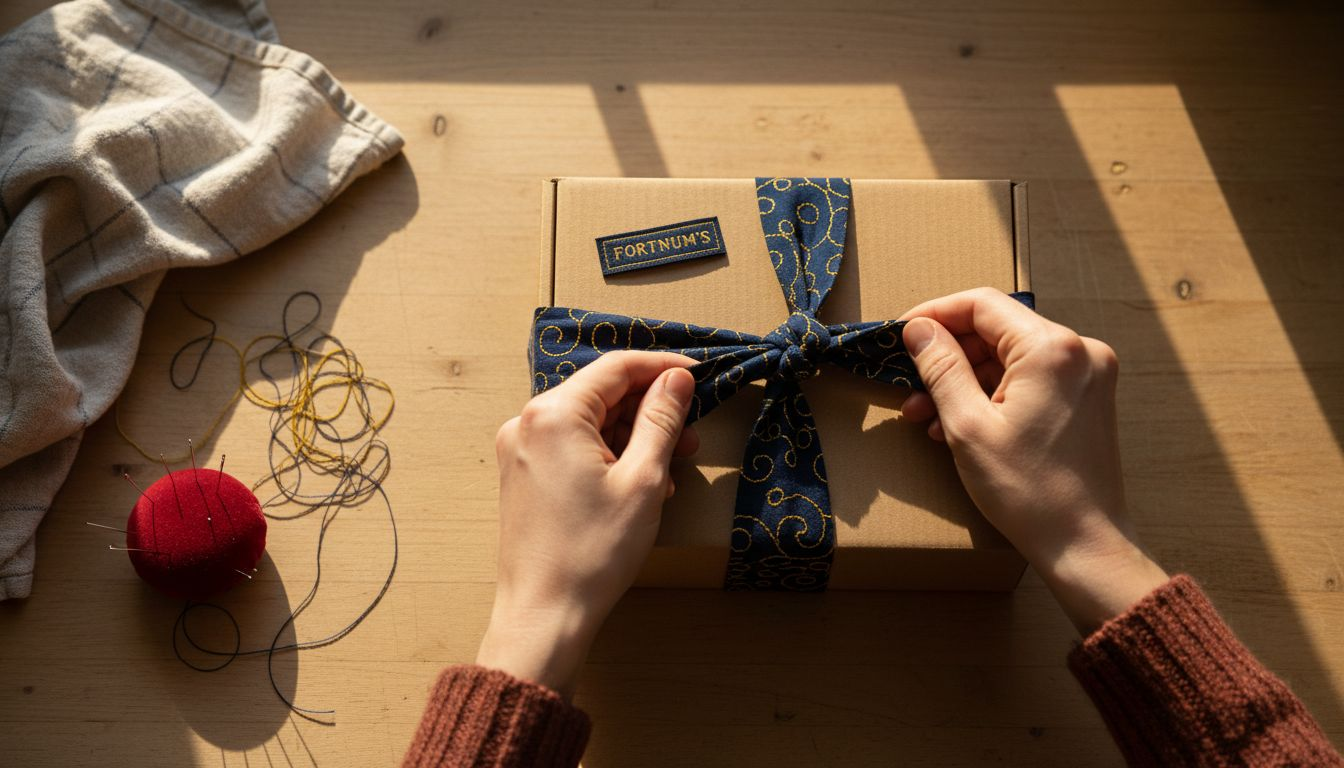
The art of personalising fabric wraps involves selecting high-quality, natural materials like organic cotton, linen, or hemp, which serve as elegant canvases for intricate embroidery. Techniques range from delicate monogramming to elaborate seasonal designs, enabling individuals to craft wrapping that reflects both the recipient’s personality and the giver’s thoughtfulness. Embroidered details can include names, significant dates, meaningful symbols, or decorative patterns that transform a simple fabric wrap into a cherished keepsake.
Personalisation techniques for fabric gift wraps include:
- Monogram Embroidery: Elegant initials or full names
- Seasonal Motifs: Winter snowflakes, summer botanical designs
- Commemorative Designs: Special dates, meaningful symbols
- Custom Colour Selections: Matching recipient’s preferred colour palette
Pro Tip for Embroidery Selection: Choose embroidery threads and designs that complement the fabric’s texture and colour, ensuring a cohesive and sophisticated presentation that elevates your gift-giving experience.
Environmental Impact And Waste Reduction
Traditional gift wrapping practices contribute substantially to environmental degradation, with millions of tonnes of non-recyclable materials ending up in landfills annually. Conventional wrapping paper, often adorned with glitter, metallic coatings, and synthetic elements, represents a significant ecological challenge that demands immediate reconsideration.

The environmental consequences of disposable gift wrapping extend beyond immediate waste generation. Each year, households discard substantial volumes of wrapping materials that cannot be recycled, creating unnecessary strain on waste management systems. Eco-friendly wrapping alternatives offer a meaningful strategy to mitigate these environmental challenges by utilising sustainable, biodegradable, and reusable materials.
Key strategies for reducing gift wrapping environmental impact include:
- Reusable Fabric Wraps: Eliminating single-use packaging waste
- Biodegradable Materials: Ensuring natural decomposition
- Minimalist Packaging: Reducing overall material consumption
- Recyclable Paper Options: Selecting compostable or easily recycled alternatives
Pro Tip for Waste Reduction: Invest in a versatile collection of reusable fabric wraps that can be used across multiple gift-giving occasions, dramatically reducing your annual packaging waste.
Comparing Eco Options With Traditional Wraps
Traditional wrapping materials represent a significant environmental challenge, with most commercial papers being non-recyclable and destined for immediate landfill. Glossy finishes, metallic embellishments, and glittery surfaces make conventional wrapping papers virtually impossible to recycle, creating substantial waste during festive seasons.
Eco-friendly alternatives offer a transformative approach to gift presentation. Sustainable wrapping options like kraft paper, fabric wraps, and biodegradable materials provide environmentally responsible solutions that dramatically reduce waste and support circular economy principles. These innovative materials not only minimise environmental impact but also introduce aesthetic sophistication to gift-giving practices.
Comparative breakdown of wrapping options:
-
Traditional Wraps:
- Single-use materials
- Non-recyclable
- High environmental burden
- Limited aesthetic versatility
-
Eco-Friendly Alternatives:
- Reusable designs
- Biodegradable or recyclable
- Low environmental impact
- Enhanced design flexibility
Pro Tip for Sustainable Selection: Choose wrapping materials that align with both environmental values and aesthetic preferences, prioritising reusability and minimal waste generation.
The table below summarises the environmental impact of traditional versus eco-friendly wrapping:
| Aspect | Traditional Wrapping | Eco-Friendly Alternatives |
|---|---|---|
| Waste Generated | High, mostly non-recyclable | Low, primarily biodegradable |
| Resource Use | Petroleum-based, synthetic | Renewable, natural fibres |
| Visual Appeal | Slick but generic finish | Unique, customisable aesthetics |
| Post-Use Value | Disposed after one use | Reused or composted multiple times |
Elevate Your Gift Giving with Sustainable Luxury Wraps
The challenge of finding truly eco conscious gift wrapping that marries sustainability with elegance is now easily solved. Rather than contributing to landfill waste with single use paper, embrace the bespoke charm and longevity of reusable fabric wraps. Their ability to be personalised through exquisite embroidery provides a deeply thoughtful touch while honouring the planet’s needs. These wraps embody the key principles of eco conscious gift wrapping discussed in the article including reusability, biodegradability, and personalised design.
Discover our curated festive range in the Reusable Fabric Wrap - Luxurious Christmas Collection and transform your seasonal gifting.
Choose conscious packaging solutions that reduce waste and elevate your presents into cherished keepsakes. Start your journey towards sustainable luxury gift presentation today at Nicholas & Rose. Explore more unique gifting ideas in our Favourite Four collection and make every gift an eco friendly statement.
Frequently Asked Questions
What materials are considered eco-conscious for gift wrapping?
Eco-conscious gift wrapping materials include natural fibres like organic cotton and hemp, recyclable papers such as kraft paper, biodegradable options like jute gift bags, and innovative alternatives like beeswax cloth wraps.
How can I make my gift wrapping more sustainable?
To enhance sustainability in gift wrapping, consider using reusable fabric wraps, biodegradable materials, minimalist packaging methods, and recyclable paper options. This helps reduce waste and promotes environmentally responsible gift presentation.
What are the benefits of personalised embroidered fabric wraps?
Personalised embroidered fabric wraps offer a unique, sustainable gift presentation that can be reused multiple times. They can include special designs, monograms, and colour selections that reflect the recipient’s personality, making them memorable keepsakes.
How does traditional gift wrapping impact the environment?
Traditional gift wrapping contributes significantly to environmental degradation, with most conventional wrapping materials being non-recyclable and ending up in landfills. This creates a substantial waste burden, prompting the need for eco-friendly alternatives.
Recommended
- Sustainable Gift Wrap Choices: Eco-Luxury for 2025 – Nicholas & Rose Limited
- Luxury Gift Wrapping: Complete Guide for 2025 UK – Nicholas & Rose Limited
- Sustainable Christmas Wrapping: A Luxurious Eco Choice – Nicholas & Rose Limited
- 7 Best Eco Gift Wrap Materials for Luxury Gifting – Nicholas & Rose Limited