

What Makes Wrap Environmentally Friendly: Key Benefits Explained
Every british household tosses out an average of 227,000 miles of gift wrap each year, creating mountains of unnecessary waste. Sustainable choices have never felt more urgent, especially as eco-friendly wrap options become more accessible than ever. Understanding how these alternatives work makes it easier to minimize your environmental impact and add thoughtful style to your gifts, all while supporting a cleaner future for the United Kingdom and beyond.
Table of Contents
- What Does “Eco‑Friendly Wrap” Mean
- Reusable Fabric Versus Single‑Use Paper
- Recycled And Sustainable Material Options
- Environmental Advantage And Carbon Savings
- Care, Longevity And Re‑use Practices
Key Takeaways
| Point | Details |
|---|---|
| Eco-Friendly Alternatives | Eco-friendly wraps reduce environmental waste through reusability and sustainable material choices. |
| Fabric vs Paper Wrap | Reusable fabric wraps significantly lower waste and offer long-lasting benefits compared to single-use paper wraps. |
| Sustainable Materials | Selecting wrapping made from recycled or biodegradable materials enhances ecological integrity while still providing appealing aesthetics. |
| Care and Reuse | Proper maintenance and creative repurposing of fabric wraps can extend their lifecycle, maximising environmental benefits. |
What Does “Eco‑Friendly Wrap” Mean
Eco-friendly wrap represents a sustainable alternative to traditional single-use gift wrapping materials, focusing on reducing environmental waste while maintaining aesthetic appeal. These innovative wrapping solutions prioritise reusability, minimal environmental impact, and responsible material selection.
At its core, eco-friendly wrap encompasses products designed to minimise waste and reduce the carbon footprint associated with traditional gift packaging. Unlike conventional wrapping paper that is discarded immediately after use, these wraps can be reused multiple times through thoughtful design, creating a circular approach to gift presentation. The materials typically include sustainable fabrics like organic cotton, recycled polyester, or naturally derived textiles that are both durable and environmentally conscious.
Key characteristics of eco-friendly wrap include biodegradability, low-impact manufacturing processes, and the ability to be repurposed or recycled. Consumers seeking sustainable gift-giving solutions are increasingly drawn to these alternatives, which offer both environmental benefits and aesthetic flexibility. By choosing eco-friendly wrap, individuals can significantly reduce annual waste generation while making a stylish statement about their commitment to environmental responsibility.
Pro Tip for Eco-Conscious Gifting: When selecting eco-friendly wrap, prioritise versatile designs that can be used across multiple occasions, ensuring maximum utility and minimal environmental impact.
Reusable Fabric Versus Single‑Use Paper
Fabric wrapping represents a revolutionary approach to gift presentation, offering a stark contrast to traditional single-use paper wrapping. While conventional paper wrapping contributes significantly to environmental waste, reusable fabric wraps provide a sustainable alternative that minimises ecological impact and offers long-term value.
The fundamental differences between fabric and paper wrapping are substantial. Single-use paper wrapping is typically manufactured from virgin wood pulp, requires significant energy and water resources during production, and becomes waste immediately after a single use. Conversely, fabric wraps are crafted from durable materials like organic cotton, recycled polyester, and other sustainable textiles that can be used repeatedly. These fabric alternatives often feature beautiful designs, elegant textures, and the potential for personalisation, transforming gift-giving into a more intentional and environmentally responsible experience.
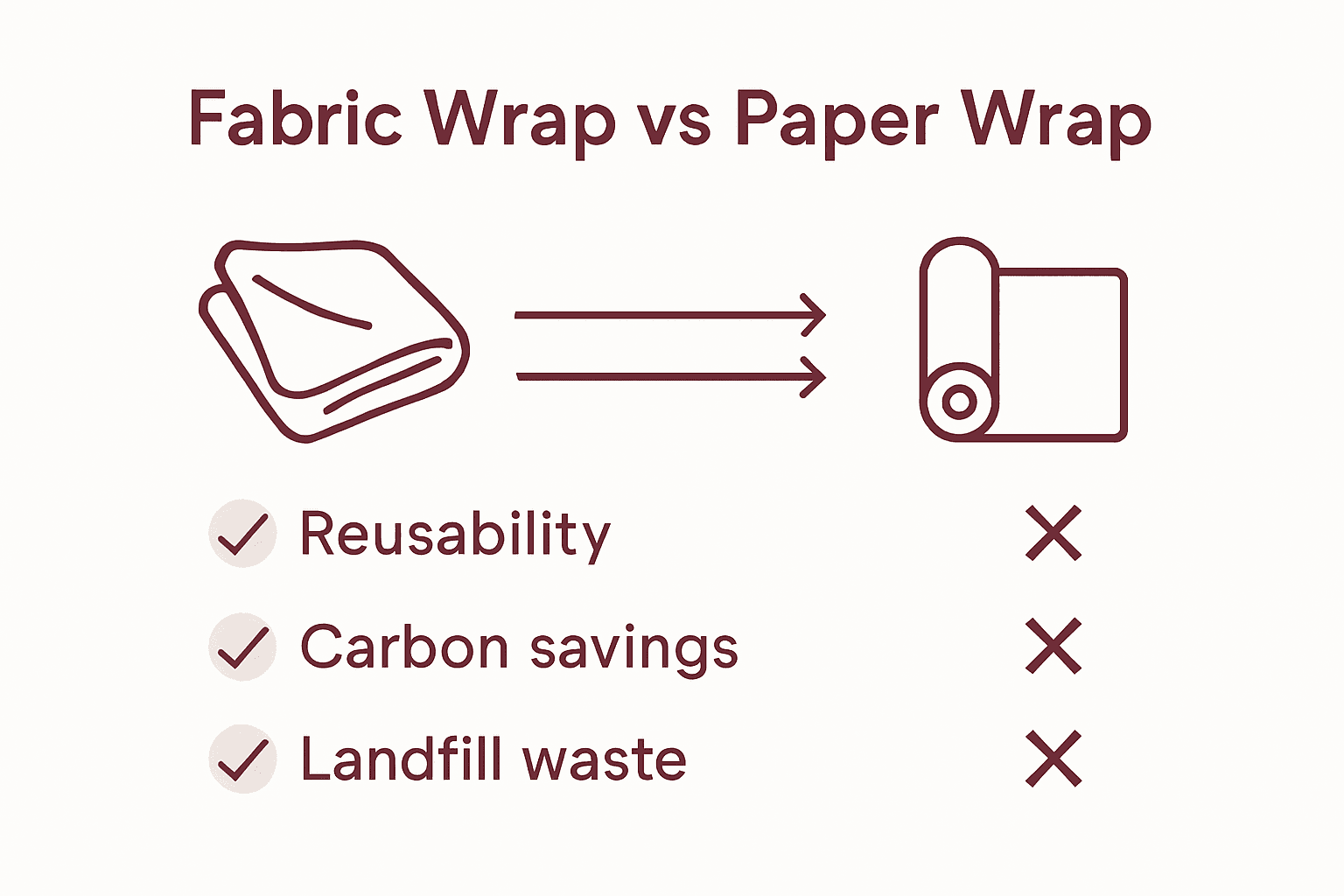
Key comparative advantages of fabric wrapping include superior durability, aesthetic versatility, and minimal environmental footprint. Where paper wraps tear easily and generate instant waste, fabric wraps can be laundered, stored, and reused dozens of times. This circular approach significantly reduces waste generation, with a single fabric wrap potentially replacing hundreds of paper wrapping sheets over its lifetime. Additionally, many fabric wraps can be repurposed as decorative items, storage solutions, or even fashion accessories, further extending their utility and environmental value.
Pro Tip for Sustainable Gifting: Invest in high-quality, versatile fabric wraps that complement multiple occasions and personal styles, maximising their environmental and aesthetic potential.
Here is a comparison of reusable fabric wrap and single-use paper wrap to help illustrate their respective impacts and benefits:
| Aspect | Reusable Fabric Wrap | Single-Use Paper Wrap |
|---|---|---|
| Lifespan | Can be reused dozens of times | Disposed after single use |
| Material Sourcing | Organic cotton, recycled fabrics | Virgin wood pulp, high resource use |
| Waste Generation | Minimises landfill waste | Contributes to significant waste |
| Aesthetic Potential | Wide variety, can be personalised | Often limited designs, not durable |
| Versatility | Repurposed as decor or storage | Cannot be repurposed |
| Overall Sustainability | Promotes circular use | Linear, wasteful process |
Recycled And Sustainable Material Options
Sustainable wrap materials represent a critical evolution in environmentally responsible gift presentation, offering innovative solutions that minimise ecological impact. Sustainable gift wrap choices are transforming how consumers approach packaging, with materials that prioritise both environmental integrity and aesthetic appeal.
Contemporary sustainable wrap materials encompass a diverse range of eco-conscious options. Recycled fabrics like organic cotton, reclaimed polyester, and hemp provide durable alternatives to traditional single-use materials. Innovative textile technologies now enable the creation of wrapping materials from unexpected sources, such as recycled plastic bottles, agricultural waste, and regenerated industrial textiles. These materials not only reduce waste but also demonstrate the potential for creative environmental solutions that transform potential landfill content into beautiful, functional products.
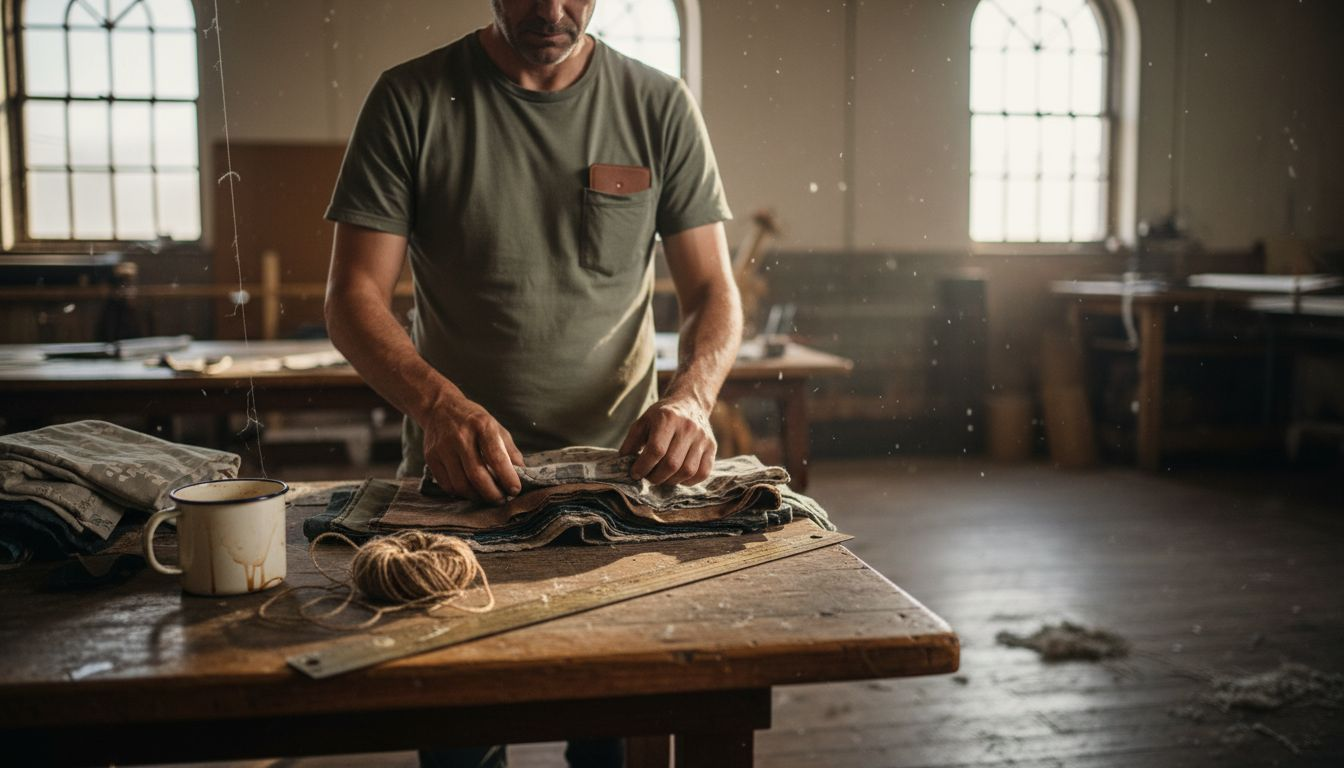
Beyond fabric options, emerging sustainable wrap materials include biodegradable alternatives like compostable cellulose wraps, beeswax-infused textiles, and plant-based films that naturally break down without harming ecosystems. These materials represent a significant advancement in wrap technology, offering consumers the ability to choose packaging that aligns with their environmental values. By selecting wraps made from recycled or naturally degradable materials, individuals can significantly reduce their carbon footprint and contribute to a more sustainable approach to gift-giving.
Pro Tip for Eco-Conscious Consumers: Prioritise multi-purpose sustainable wrap materials that can be reused, repurposed, or composted, maximising their environmental value and reducing overall waste generation.
To summarise the many eco-friendly wrap material options, here is a quick reference guide:
| Material Type | Environmental Benefit | Common End Use |
|---|---|---|
| Organic Cotton | Reduces pesticide use, renewable | Fabric wrap, bags |
| Recycled Polyester | Diverts plastic from landfill | Fabric wrap, packaging |
| Hemp | Low water use, biodegradable | Fabric wrap, ribbons |
| Compostable Cellulose | Breaks down naturally, non-toxic | Transparent gift wrap |
| Beeswax-Infused Fabric | Antibacterial, reusable, compostable | Reusable wrap, food covers |
| Plant-Based Film | Degrades safely, no microplastics | Wrapping sheets, covers |
Environmental Advantage And Carbon Savings
Carbon reduction through sustainable gift wrapping represents a profound opportunity for environmentally conscious consumers to make meaningful ecological impacts. Sustainable Christmas wrapping strategies demonstrate how seemingly small choices can generate significant environmental benefits across broader consumption patterns.
Research highlights the substantial environmental advantages of reusable materials. Comprehensive studies on reusable textile applications reveal that repeated use of fabric-based products can dramatically reduce carbon emissions compared to single-use alternatives. A single reusable fabric wrap can potentially replace hundreds of paper wrapping sheets over its lifetime, translating into measurable carbon savings. The manufacturing process for fabric wraps typically generates lower greenhouse gas emissions when amortised across multiple uses, making them a strategically intelligent environmental choice.
The carbon savings extend beyond material production. Reusable wraps minimise waste stream contributions, reduce landfill pressures, and eliminate the continuous resource extraction required for manufacturing disposable wrapping materials. By choosing sustainable wrapping options, consumers directly participate in a circular economy model that prioritises resource efficiency and long-term environmental preservation. The cumulative impact of widespread adoption could represent a significant reduction in annual waste generation and associated carbon emissions.
Pro Tip for Carbon-Conscious Gifting: Calculate your potential carbon savings by tracking the number of single-use wraps you replace with each reusable fabric wrap, transforming environmental awareness into tangible personal action.
Care, Longevity And Re‑use Practices
Fabric wrap maintenance is a critical aspect of ensuring environmental sustainability and maximising the lifecycle of reusable gift wrapping materials. Practical tips for reusable gift wrap success highlight the importance of proper care techniques that extend the usability and aesthetic appeal of sustainable wrapping solutions.
Effective care practices involve gentle washing techniques that preserve fabric integrity and colour vibrancy. Recommended approaches include hand washing in cool water with mild detergents, avoiding harsh chemicals or high-temperature treatments that might degrade fabric fibres. Most sustainable wraps can be air-dried, minimising energy consumption and preventing potential shrinkage or material damage. Storage is equally crucial, with experts suggesting folding wraps carefully and storing them in cool, dry environments away from direct sunlight to prevent colour fading and maintain structural integrity.
Re-use practices extend beyond simple cleaning and storage. Creative individuals are finding innovative ways to repurpose fabric wraps, transforming them into decorative elements, storage solutions, or even accessories when they are no longer suitable for gift wrapping. This approach embodies the circular economy principle, ensuring that each wrap continues to provide value long after its initial purpose. By implementing strategic care and imaginative re-use techniques, consumers can significantly extend the lifecycle of their sustainable wrapping materials, reducing overall waste and environmental impact.
Pro Tip for Wrap Preservation: Develop a dedicated storage system for your reusable wraps, using acid-free tissue paper to prevent creasing and maintaining their pristine condition between uses.
Discover Sustainable Elegance with Reusable Fabric Wraps
The challenge of finding truly eco-friendly wrap that combines beauty with genuine environmental benefits is real. You want to reduce waste, cut carbon emissions and embrace sustainable materials without compromising on style or personal touch. That is why investing in high-quality, reusable fabric wraps that can be personalised through embroidery is a brilliant solution. These wraps champion circular use, durability and versatility exactly as described in the article, turning each gift into a thoughtful statement of care for the planet.
Explore our Reusable Fabric Wrap - Luxurious Christmas Collection to experience elegant, sustainable gift wrapping designed for repeated use. Embrace the opportunity to reduce landfill waste and carbon footprint while making beautifully wrapped presents a memorable part of your celebrations. Visit Nicholas & Rose today to personalise your eco-friendly gift wrap and be part of the sustainable gifting movement now.
Frequently Asked Questions
What is eco-friendly wrap?
Eco-friendly wrap refers to sustainable alternatives to traditional gift wrapping that prioritise reusability and minimal environmental impact while maintaining aesthetic appeal.
How do reusable fabric wraps compare to single-use paper wraps?
Reusable fabric wraps are designed for multiple uses and are made from sustainable materials, whereas single-use paper wraps are disposable and contribute significantly to waste generation.
What materials are commonly used in eco-friendly wrapping?
Common materials include organic cotton, recycled polyester, hemp, compostable cellulose, beeswax-infused fabrics, and plant-based films that are environmentally friendly and often biodegradable.
What are the environmental benefits of using sustainable gift wrap?
Sustainable gift wrap reduces landfill contributions, diminishes carbon emissions through repeated use, and promotes a circular economy by allowing materials to be reused or recycled, significantly lowering overall waste generation.
Recommended
- Sustainable Gift Wrap Choices: Eco-Luxury for 2025 – Nicholas & Rose Limited
- Why Reuse Gift Wrap: Complete Guide for 2025 – Nicholas & Rose Limited
- 7 Best Reusable Gift Wrap Alternatives – Expert Comparison 2025 – Nicholas & Rose Limited
- Sustainable Christmas Wrapping: A Luxurious Eco Choice – Nicholas & Rose Limited
- Healthy Cookware Explained: Essential Guide to Safe Choices – Brass & Steel