

Fabric wrap in luxury sustainable gifting: why it matters
Luxury gift wrapping doesn’t have to end in the bin. For eco-conscious parents in the UK, reusable fabric wraps offer a sustainable alternative that combines elegance with environmental responsibility. Unlike traditional paper that often gets discarded before a baby is even born, soft, breathable fabric wraps provide a safe, luxurious solution for newborn and toddler presents. This guide explores how fabric wraps transform sustainable gifting, offering practical tips and insights to help you choose, use, and cherish these beautiful, reusable mementoes. You’ll discover why fabric wrapping is becoming the preferred choice for parents who value both quality and sustainability.
Table of Contents
- Key takeaways
- Why fabric wraps matter in sustainable luxury gifting
- How fabric wraps enhance the luxury experience for newborn gifts
- Practical tips for selecting and using fabric wraps for newborn and toddler gifts
- Comparing fabric wraps with traditional wrapping for luxury gifts
- Explore luxury reusable fabric wraps at Nicholas & Rose
- Frequently asked questions
Key Takeaways
| Point | Details |
|---|---|
| Waste reduction | Reusable fabric wraps dramatically cut waste compared with disposable paper gift wrap. |
| Baby skin friendly | The soft breathable fabrics are inherently safe for delicate newborn skin and have no sharp edges. |
| Luxurious presentation | The tactile quality of fabric wrapping elevates gifting beyond traditional paper with a refined and luxurious presentation. |
| Durable and versatile | Fabric wraps are durable, easy to store and suitable for various gift sizes and shapes. |
| UK eco parent trend | UK families are increasingly prioritising sustainable gift wrap for milestones such as baby showers and christenings. |
Why fabric wraps matter in sustainable luxury gifting
Traditional wrapping paper creates a staggering environmental burden. Each year, millions of tonnes of gift wrap end up in landfills, with most paper containing non-recyclable elements like glitter, foil, or plastic coating. For newborn gifts, this waste often occurs before the baby arrives, as excited friends and family shower expectant parents with beautifully wrapped presents that get torn open and immediately discarded.
Fabric wraps address this problem directly. By choosing reusable gift wrap, you eliminate the cycle of waste entirely. These wraps can be used dozens of times, dramatically reducing your carbon footprint whilst maintaining the luxury presentation that special occasions deserve. The environmental mathematics are compelling: one fabric wrap replaces potentially hundreds of sheets of disposable paper over its lifetime.
For baby gifts specifically, fabric wraps offer distinct advantages beyond sustainability. The soft, breathable materials used in quality wraps are inherently safe for delicate newborn skin. Unlike paper that can have sharp edges or contain chemical treatments, fabric wraps pose no risk if a curious toddler explores the wrapping before the gift inside. This safety consideration matters immensely to parents who scrutinise every item that comes near their children.
Pro Tip: Choose natural fibres like organic cotton or bamboo for baby gift wraps. These materials are not only sustainable but also hypoallergenic and gentle enough to later repurpose as muslin cloths or comfort blankets.
The practical benefits extend to everyday use. Fabric wraps are:
- Durable enough to withstand multiple wrapping sessions without tearing
- Easy to store flat or rolled, taking minimal space
- Simple to clean with a gentle wash when needed
- Versatile for various gift sizes and shapes
UK eco-parents are driving demand for these sustainable alternatives. Recent trends show that families increasingly prioritise gift wrapping solutions that align with their environmental values, particularly for milestone celebrations like baby showers, christenings, and first birthdays. This shift reflects a broader cultural movement towards conscious consumption and waste reduction in parenting.
How fabric wraps enhance the luxury experience for newborn gifts
The tactile quality of fabric wrapping elevates gifting into a sensory experience. When you hand someone a present wrapped in soft, high-quality fabric, they immediately feel the difference. The weight, texture, and drape of premium materials like organic cotton, linen, or bamboo communicate thoughtfulness and care in ways that paper simply cannot match.
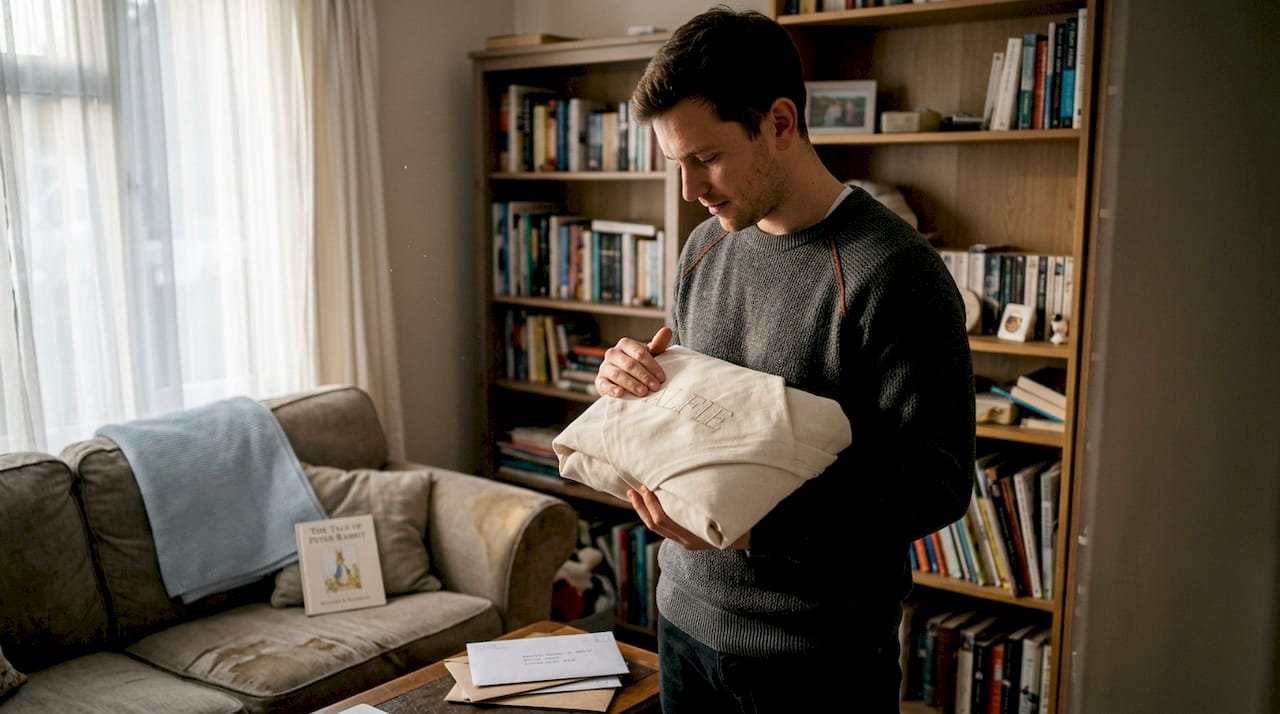
This sensory dimension matters particularly for newborn gifts. Parents receiving presents for their baby appreciate wrapping that feels as gentle and precious as the tiny clothes or toys inside. The breathability of natural fabrics also means wrapped gifts can be stored safely without concerns about moisture or mustiness, an important consideration for items that might be saved for future siblings or special occasions.
| Fabric type | Characteristics | Best for |
|---|---|---|
| Organic cotton | Soft, breathable, widely available, easy to personalise | Everyday baby gifts, christenings, baby showers |
| Linen | Elegant drape, durable, natural texture, slightly crisp | Luxury newborn presents, heirloom items, formal occasions |
| Bamboo | Silky smooth, hypoallergenic, sustainable, antimicrobial | Sensitive skin gifts, eco-conscious parents, premium wrapping |
| Cotton muslin | Ultra-soft, lightweight, versatile, gentle | Small baby items, delicate gifts, multi-purpose wrapping |
Fabric wraps differ fundamentally from traditional luxury wrapping paper. Whilst expensive paper might feature metallic finishes or embossed patterns, these enhancements often come at an environmental cost and still result in single-use waste. Luxury fabric wraps achieve elegance through quality materials, thoughtful design, and the inherent beauty of natural textiles.
Personalisation transforms fabric wraps from beautiful packaging into treasured keepsakes. Embroidered names, birth dates, or meaningful symbols turn each wrap into a unique memento that families can preserve alongside baby photos and first outfits. This emotional value extends the wrap’s purpose far beyond its practical function, creating a tangible connection between giver and recipient that paper can never provide.
Pro Tip: Select fabric wraps in neutral, timeless colours that can transition from nursery décor to play cloths as your child grows. A beautifully embroidered wrap makes an excellent comfort blanket or imaginative play prop for toddlers.
The aesthetic possibilities with fabric are remarkably diverse. You can achieve:
- Elegant, minimalist presentations with simple knots and natural fabric folds
- Playful, colourful designs featuring prints of woodland animals or nursery themes
- Sophisticated, textured looks using different fabric weights and complementary colours
- Personalised touches through ribbons, wooden tags, or dried flowers tucked into folds
Compared to traditional gift wrap materials, fabric offers superior versatility. The same wrap can present a tiny pair of booties or a larger nursery item simply by adjusting the folding technique. This adaptability means you need fewer wrapping supplies overall, further reducing waste whilst maintaining a cohesive, luxurious aesthetic across all your gifts.
Practical tips for selecting and using fabric wraps for newborn and toddler gifts
Choosing the right fabric wrap starts with understanding what makes materials safe and suitable for baby gifts. Look for certifications like GOTS (Global Organic Textile Standard) or OEKO-TEX, which guarantee fabrics are free from harmful chemicals and safe for infant contact. Natural, undyed fabrics in cream, white, or soft pastels work beautifully whilst ensuring no dye transfer onto baby items.
Size matters when selecting wraps. For newborn gifts, a 50cm x 50cm square handles most small items like clothing sets, toys, or books. Larger presents such as blankets or nursery equipment require 70cm x 70cm or even 90cm x 90cm squares. Having a few sizes on hand ensures you’re prepared for any gifting occasion without resorting to disposable paper.
Wrapping technique influences both presentation and practicality. The furoshiki method, a traditional Japanese wrapping style, works exceptionally well with fabric:
- Place your gift diagonally in the centre of the fabric square
- Bring two opposite corners up and over the gift, tying them in a simple knot
- Take the remaining two corners and tie them together, creating a handle if desired
- Adjust the folds to create an elegant, balanced appearance
- Add a personalised wooden tag or sprig of lavender for a finishing touch
This technique requires no tape, pins, or additional materials, making it genuinely sustainable. The knots hold securely but untie easily, allowing the recipient to unwrap without damaging the fabric. For eco-conscious gifting, this simplicity is part of the appeal.
Caring for fabric wraps ensures they remain beautiful through many uses. Most natural fabrics can be machine washed on a gentle cycle with mild, eco-friendly detergent. Air drying preserves the fabric’s integrity and avoids the energy consumption of tumble drying. Iron on a low setting if you prefer crisp folds, or embrace the natural, slightly rumpled texture that adds to the handmade charm.
Storage doesn’t require much space. Roll wraps loosely and secure with a ribbon, or fold them neatly and stack in a drawer. Keeping them in a designated basket or box means they’re always ready when you need to wrap a gift. Unlike wrapping paper that tears, creases, or gets crushed, fabric wraps maintain their quality even when stored casually.
Pro Tip: Involve older siblings in wrapping gifts for new babies. This activity teaches children about sustainability, develops their fine motor skills, and helps them feel included in welcoming their new brother or sister. Let them choose the fabric and help tie the knots.
Comparing fabric wraps with traditional wrapping for luxury gifts
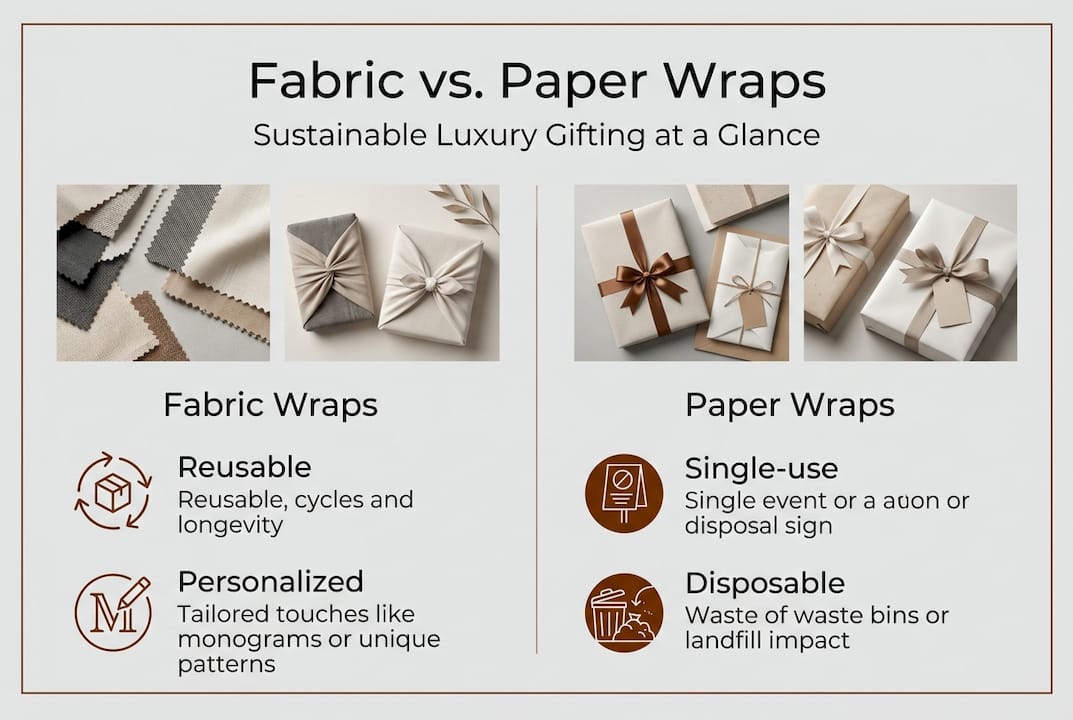
Understanding the practical differences between fabric and paper wrapping helps eco-conscious parents make informed choices. Whilst initial costs and habits might favour traditional paper, the long-term benefits of fabric become clear when you examine environmental impact, economics, and aesthetic value side by side.
| Factor | Fabric wraps | Traditional paper |
|---|---|---|
| Environmental impact | Reusable for years, zero waste after initial purchase, biodegradable natural fibres | Single-use, often non-recyclable, contributes to landfill waste |
| Cost over time | Higher upfront (£8-£25 per wrap), but used 50+ times | Lower per use (£2-£5 per sheet), but repeated purchases add up |
| Appearance | Soft, tactile, elegant drape, improves with age | Crisp, colourful, variety of patterns, tears easily |
| Reusability | Unlimited with proper care, becomes more characterful | None, discarded immediately after unwrapping |
| Personalisation | Embroidery, printing, dyeing create unique keepsakes | Limited to pre-printed designs, no lasting value |
| Safety for babies | Soft, breathable, no sharp edges or harmful chemicals | Potential paper cuts, chemical treatments, choking hazard from small pieces |
The environmental mathematics strongly favour fabric. A quality wrap used just 20 times eliminates the waste from 20 sheets of paper, and most fabric wraps last far longer. When you factor in the production emissions, water usage, and transportation costs of constantly purchasing new paper, the sustainability case becomes overwhelming.
Cost analysis reveals that fabric wraps pay for themselves surprisingly quickly. If you give gifts for birthdays, holidays, baby showers, and christenings throughout the year, you might easily use 15-20 sheets of wrapping paper annually. At £3 per sheet, that’s £45-£60 spent on something immediately discarded. A collection of five quality fabric wraps costing £75 total serves you for years, breaking even within 18 months and providing value indefinitely thereafter.
The visual and tactile qualities differ fundamentally. Paper offers bright colours and intricate patterns that appeal to certain aesthetics. Fabric provides depth, texture, and a handcrafted quality that conveys luxury through materials rather than printing. For sustainable gift wrap trends in 2026, the movement is clearly towards natural, reusable materials that age gracefully rather than disposable perfection.
Key practical considerations for eco-parents include:
- Fabric wraps require minimal storage space and don’t deteriorate over time
- Learning wrapping techniques takes practice but becomes quick and intuitive
- Fabric works for any occasion, whilst paper often needs to match specific themes
- Recipients can return wraps to you or keep them, extending the sustainability cycle
- Children can safely play with fabric wraps after unwrapping, unlike paper scraps
Personalisation represents perhaps the most significant difference. Whilst you can write on paper with a gift tag, fabric wraps can be embroidered with names, dates, or meaningful symbols that transform them into lasting mementoes. This emotional dimension adds value that extends far beyond the wrapping function itself, creating heirlooms that families treasure alongside the gifts they once contained.
Explore luxury reusable fabric wraps at Nicholas & Rose
If you’re ready to embrace sustainable luxury gifting, Nicholas & Rose offers premium reusable fabric wraps designed specifically for eco-conscious parents. Each wrap combines beautiful design with practical functionality, featuring soft, baby-safe materials that are gentle on delicate skin whilst looking absolutely stunning.
The collection includes charming designs like the woodland rabbit reusable furoshiki wrap, perfect for newborn and toddler gifts. These wraps can be personalised through embroidery, transforming them into treasured keepsakes that families will preserve long after the original gift is outgrown. Shopping online at Nicholas & Rose makes it easy to find the perfect wrap for any occasion, with eco-friendly packaging ensuring your purchase aligns with your values from start to finish. Discover how beautiful, sustainable gifting can be when you choose quality over disposability.
Frequently asked questions
What is fabric wrapping and why is it eco-friendly?
Fabric wrapping uses reusable cloth squares instead of disposable paper to present gifts beautifully. It’s eco-friendly because the same wrap can be used repeatedly for years, eliminating the waste cycle of single-use paper that typically ends up in landfills. Natural fabrics like cotton, linen, and bamboo are also biodegradable at the end of their long lifespan, unlike paper often treated with non-recyclable coatings.
Are fabric wraps safe for newborn and toddler gifts?
Yes, quality fabric wraps made from natural fibres are completely safe for baby gifts. They’re soft, breathable, and gentle on delicate skin, with no sharp edges or harmful chemicals found in some treated papers. Many parents even repurpose wraps as muslin cloths, comfort blankets, or play items once the gift is unwrapped, extending their usefulness whilst maintaining safety.
How do fabric wraps compare cost-wise to traditional wrapping paper?
Fabric wraps require a higher initial investment, typically £8-£25 per wrap compared to £2-£5 per sheet of quality paper. However, this cost is offset by reusability. A fabric wrap used 20 times costs less per use than disposable paper, and most wraps last for 50 or more uses. Long-term savings become significant for families who give gifts regularly throughout the year.
Can fabric wraps be personalised for a luxury touch?
Absolutely. Many luxury fabric wraps can be customised with embroidered names, birth dates, or meaningful symbols that transform them into treasured keepsakes. This personalisation adds emotional value that disposable paper cannot match, creating mementoes that families preserve alongside baby photos and first outfits. The combination of beautiful materials and personal touches elevates fabric wrapping into a truly luxurious gifting experience.
Recommended
- Why Reusable Gift Wrap Matters for Eco-Luxury – Nicholas & Rose Limited
- Designer Gift Wrap: Stylish, Sustainable Christmas Impact – Nicholas & Rose Limited
- Luxury Fabric Wraps: Sustainable Gifting Redefined – Nicholas & Rose Limited
- High-End Fabric Gift Wrap: Elevating Sustainable Luxury – Nicholas & Rose Limited
- Why Invest in Eco Handbags: Sustainable Style and Impact – The Cork Store