

Designer Gift Wrap: Stylish, Sustainable Christmas Impact
Over one third of British shoppers now actively seek eco-friendly options when buying luxury gifts, yet many find standard gift wrap choices uninspiring and wasteful. Discerning buyers crave sustainable designer gift wrap that makes every present as meaningful as the surprise inside. Discover how innovative materials and personalised touches are revolutionising the British gifting tradition, offering stylish and environmentally responsible ways to present holiday presents in 2025.
Table of Contents
- Designer Gift Wrap Defined And Its Appeal
- Styles, Materials And Eco-Friendly Innovations
- How Reusable Fabric Gift Wrap Works
- Personalisation And Luxury Options For Gifts
- Costs, Reuse Benefits And What To Avoid
Key Takeaways
| Point | Details |
|---|---|
| Designer Gift Wrap | Represents a sophisticated and eco-conscious approach to gift presentation, enhancing the gifting experience through artistic expression. |
| Sustainable Materials | Utilises a variety of eco-friendly options, including biodegradable papers and reusable fabrics, to minimise environmental impact. |
| Personalisation Options | Offers luxury elements that reflect individual taste and meaningful narratives, transforming the act of gift-giving into an emotional connection. |
| Long-Term Value | While initial costs may be higher, reusable gift wrap options provide significant lifecycle savings and eco-friendly benefits over time. |
Designer gift wrap defined and its appeal
Designer gift wrap represents a sophisticated approach to presenting gifts that transcends traditional packaging methods. This specialised wrapping style goes far beyond mere concealment, transforming the act of gift-giving into a nuanced artistic expression. Eco-design principles define modern designer gift wrap, balancing visual aesthetics with environmental consciousness.
At its core, designer gift wrap serves multiple sophisticated functions. It communicates thoughtfulness, respect, and personal connection through carefully selected materials and design elements. The wrap becomes an extension of the gift itself, creating anticipation and emotional resonance before the recipient even opens their present. Sustainable materials now play a crucial role in contemporary designer gift wrap, reflecting growing consumer preferences for eco-friendly practices.
Key characteristics of designer gift wrap include:
- Premium materials selected for texture and sustainability
- Personalised design elements reflecting individual style
- Reusable options that minimise environmental waste
- Artistic presentation that elevates the gifting experience
Pro tip: Select designer gift wrap that can be repurposed or composted to maximise both aesthetic appeal and environmental responsibility.
Styles, materials and eco-friendly innovations
Designer gift wrap has evolved dramatically, offering an impressive array of sustainable materials that challenge traditional packaging norms. Innovative packaging design now integrates ecological considerations with aesthetic excellence, presenting consumers with environmentally responsible wrapping options that do not compromise on visual appeal.
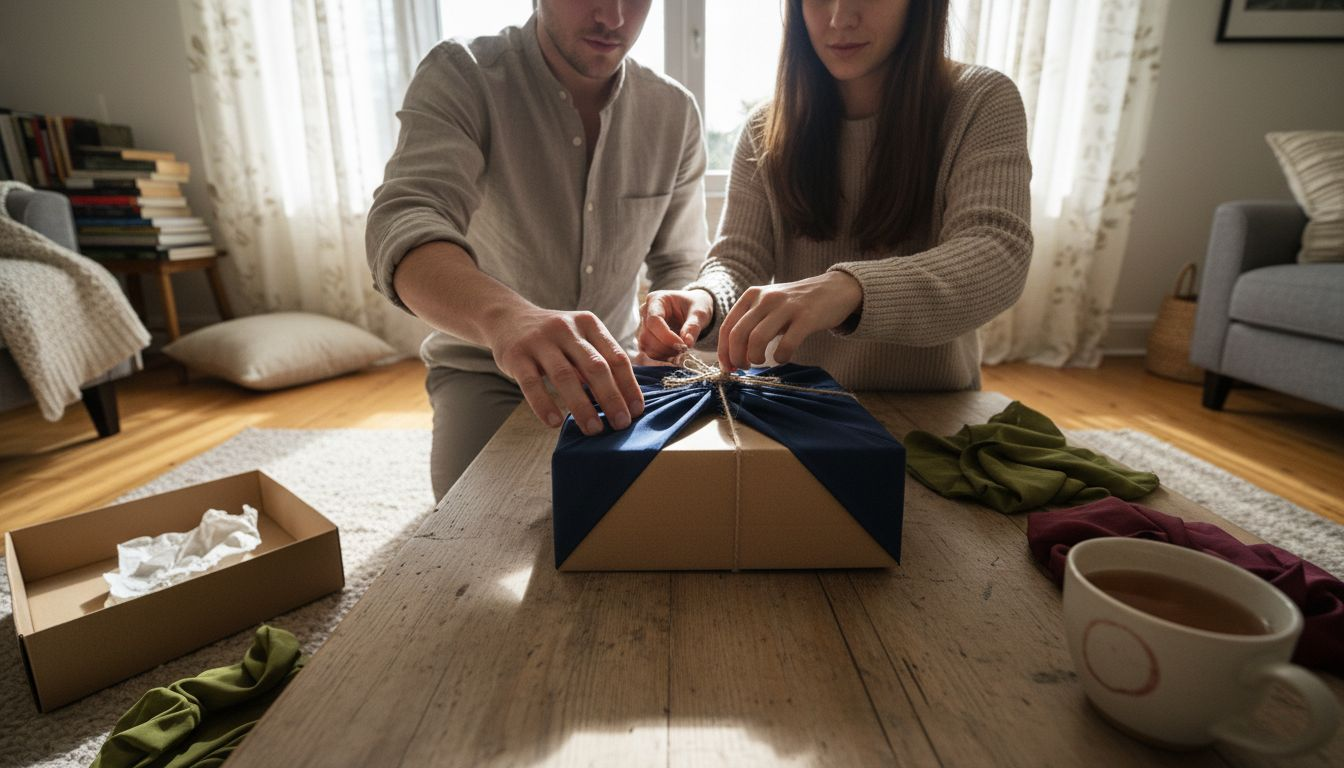
Contemporary gift wrap styles encompass a diverse range of materials and techniques. Sustainable wrapping techniques include fabric wrapping inspired by traditional Japanese Furoshiki methods, recycled paper alternatives, and creatively repurposed materials like vintage maps and artisan textiles. These approaches not only reduce waste but also transform gift presentation into an art form that celebrates both creativity and environmental consciousness.
Key eco-friendly gift wrap innovations include:
- Biodegradable papers made from agricultural waste
- Reusable fabric wraps with intricate designs
- Organic cotton and hemp textile wrappings
- Recycled paper with minimalist, elegant prints
- Compostable packaging materials
The spectrum of designer gift wrap now ranges from luxurious silk fabrics to ingeniously crafted recycled paper, each option telling a unique story of sustainability and style. Materials are carefully selected to minimise environmental impact while maximising aesthetic pleasure, reflecting a sophisticated approach to responsible gifting.
Pro tip: Invest in high-quality, multipurpose designer gift wrap that can be reused across multiple occasions to maximise both environmental and economic value.
The following table compares the environmental impact and reusability of popular designer gift wrap materials:
| Material Type | Environmental Impact | Reusability Level | Typical Cost per Use |
|---|---|---|---|
| Biodegradable Paper | Low—compostable and renewable | Single use | Low |
| Recycled Paper | Moderate—post-consumer content | Single use | Low |
| Fabric Wrap (Cotton) | Very low—long-lasting and washable | High—multiple uses | Moderate |
| Silk Fabric Wrap | Very low—luxurious and durable | High—many uses | High |
| Plastic-Coated Paper | High—hard to recycle | Single use | Low |
How reusable fabric gift wrap works
Reusable fabric gift wrap represents a revolutionary approach to sustainable gift presentation, transforming the traditional disposable packaging model. Innovative fabric wrapping techniques draw inspiration from cultural traditions like the Japanese Furoshiki method, offering an elegant and environmentally conscious alternative to single-use paper wrapping.
The core mechanism of fabric gift wrap involves strategically folding and securing cloth around gifts using various techniques. These methods accommodate different gift shapes and sizes, creating a flexible and adaptable wrapping solution. Fabrics are typically selected for their durability, aesthetic appeal, and ability to be reused multiple times, with materials ranging from lightweight silk to sturdy organic cotton and hemp textiles.
Key characteristics of reusable fabric gift wrap include:
- Versatile folding techniques that adapt to multiple gift shapes
- Durable materials that withstand repeated use
- Elegant presentation that adds value to the gifting experience
- Zero waste approach compared to traditional paper wrapping
- Easy cleaning and maintenance for continued use
Fabric gift wrap also offers significant environmental benefits. By eliminating single-use materials, these wrapping techniques dramatically reduce waste and promote a more sustainable approach to gift-giving. The wraps can be laundered, stored, and reused across multiple occasions, making them an economically and ecologically smart choice for conscientious consumers.
Pro tip: Invest in a small collection of versatile fabric wraps in neutral colours to maximise their reusability across different gift-giving scenarios.
Personalisation and luxury options for gifts
Luxury gift wrapping transforms the simple act of presenting a gift into an art form of personal expression and thoughtful communication. Personalised gift wrapping strategies elevate the entire gifting experience by combining exquisite materials, bespoke design elements, and carefully curated embellishments that reflect both the giver’s taste and the recipient’s unique personality.
The essence of luxury personalisation lies in meticulous attention to detail. High-end options might include hand-embroidered fabric wraps, custom monogrammed ribbons, or bespoke designs that tell a specific story. These sophisticated approaches go beyond traditional wrapping, creating an emotional connection that begins the moment the gift is presented. Sustainable luxury gift presentation now seamlessly integrates environmental consciousness with aesthetic sophistication.
Key personalisation options for luxury gift wrap include:
- Embroidered initials or meaningful symbols
- Custom colour palettes matching recipient’s preferences
- Hand-painted or block-printed fabric wraps
- Ethically sourced embellishments
- Thematic designs reflecting personal interests
- Reusable packaging with unique storytelling elements
Ultimately, personalised luxury gift wrap transcends mere packaging, becoming a statement of thoughtfulness, creativity, and environmental responsibility. It transforms gift-giving from a transactional experience into a memorable, emotionally resonant moment that celebrates both the giver and the recipient.
Pro tip: Select personalisation elements that create a meaningful narrative, focusing on quality and emotional significance rather than excessive ornamentation.
Costs, reuse benefits and what to avoid
Designer gift wrap represents a nuanced investment in sustainable gifting, where initial costs are balanced against long-term environmental and economic advantages. Sustainable packaging economics reveal that higher upfront expenses for quality reusable materials can translate into significant savings and reduced waste over time.
The key financial considerations involve understanding the lifecycle of gift wrap. Reusable wrap strategies demonstrate that fabric and high-quality wrapping materials can be used multiple times, effectively spreading the initial cost across numerous gift-giving occasions. This approach not only minimises environmental impact but also provides a more economically sensible alternative to single-use paper wrapping.
Critical aspects to avoid in sustainable gift wrapping include:
- Non-recyclable plastic-coated materials
- Excessive decorative elements that cannot be reused
- Single-use wrapping papers with complex mixed materials
- Ornaments that increase waste and environmental burden
- Packaging that cannot be easily cleaned or maintained
Understanding the true value of sustainable gift wrap means looking beyond immediate costs. The environmental savings, reduced waste, and potential for multiple uses make these options increasingly attractive for conscientious consumers seeking both elegance and responsibility in their gift presentation.
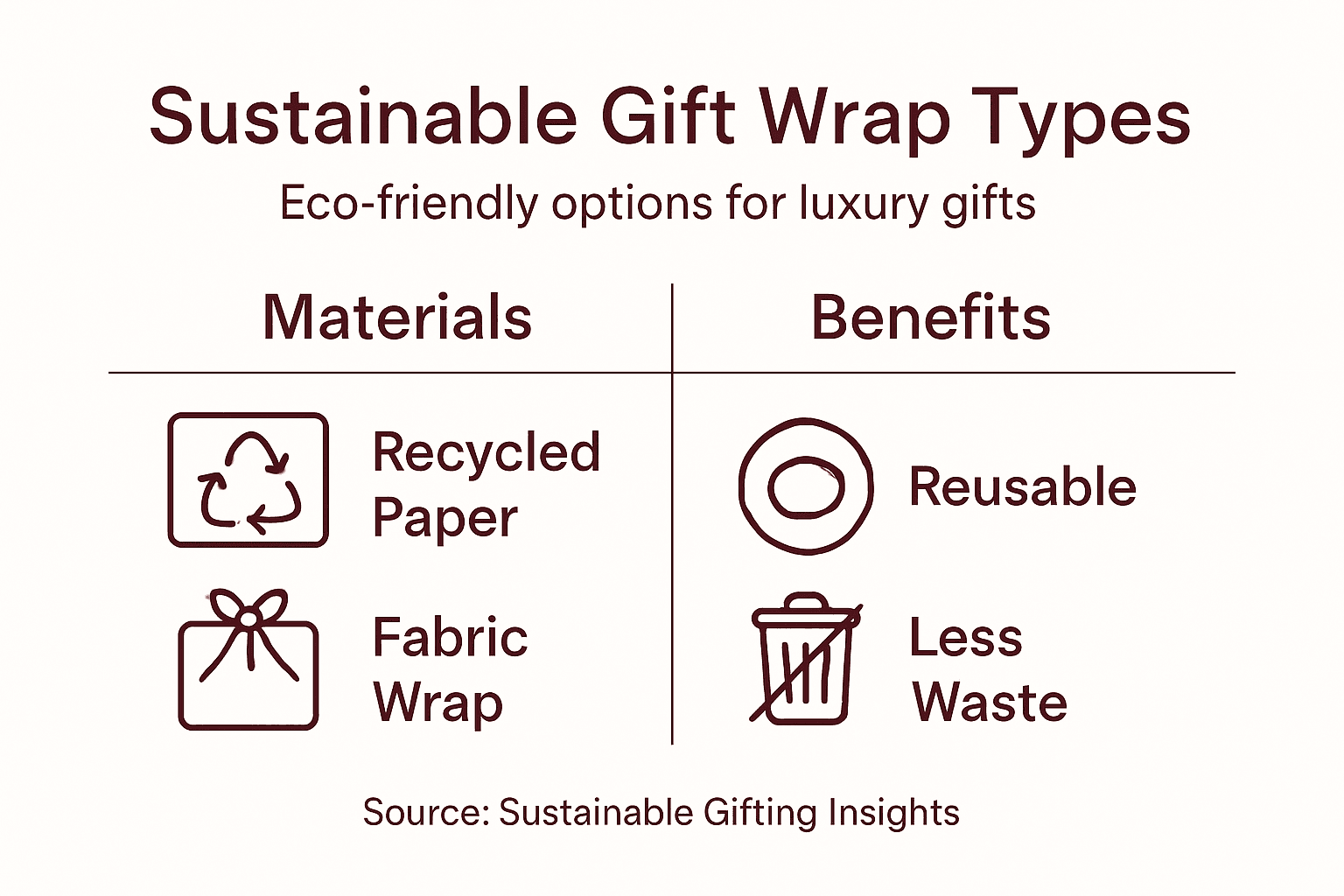
For reference, here is a summary of the main cost and benefit factors when choosing sustainable designer gift wrap:
| Factor | Sustainable Wrap | Single-Use Paper | Decorative Plastic |
|---|---|---|---|
| Upfront Cost | Moderate to high | Very low | Low |
| Lifecycle Savings | Significant—many uses | None | None |
| Disposal Impact | Minimal—often compostable | Creates waste | Pollutes environment |
| Maintenance Needs | Wash and store occasionally | Dispose after use | Dispose after use |
Pro tip: Calculate the number of potential uses for a piece of reusable gift wrap to determine its true economic and environmental value.
Elevate Your Christmas Gifting with Stylish, Sustainable Wrap
Finding designer gift wrap that is both elegant and eco-friendly can be challenging. This article highlights how reusable fabric wraps offer a luxurious solution that combines personalisation, sustainability and artistic presentation. If you want to transform your gift-giving rituals into thoughtful statements that reduce waste and impress loved ones, embracing reusable fabric wrap is the smart choice.
Discover our Reusable Fabric Wrap - Luxurious Christmas Collection that features exquisite designs ready to be personalised with embroidery. 
Make a lasting impression this festive season with bespoke fabric wraps that celebrate style, sustainability and meaningful storytelling. Visit Nicholas & Rose now to explore our curated collection and step into a greener, more sophisticated way to gift. For more unique personalised options, explore Favourite Four and see how easy it is to combine beauty with responsibility.
Frequently Asked Questions
What is designer gift wrap?
Designer gift wrap is a sophisticated method of wrapping gifts that focuses on artistic expression and personalised presentation, often using premium, sustainable materials.
How can I make my gift wrap more sustainable?
You can choose reusable fabric wraps, biodegradable paper, or recycled materials. Additionally, select options that can be repurposed or composted to minimise environmental impact.
What are the benefits of using reusable fabric gift wrap?
Reusable fabric gift wrap reduces waste, can be used multiple times, and often provides an elegant presentation. It also eliminates the need for single-use materials, promoting a zero-waste approach to gifting.
How does personalisation enhance luxury gift wrap?
Personalisation adds emotional significance to gift wrapping through custom designs, initials, or thematic elements, transforming the presentation into a thoughtful statement that resonates with the recipient.
Recommended
- Sustainable Christmas Wrapping: A Luxurious Eco Choice – Nicholas & Rose Limited
- Eco Conscious Gift Wrapping Explained: Sustainable Luxury – Nicholas & Rose Limited
- Sustainable Gift Wrap Choices: Eco-Luxury for 2025 – Nicholas & Rose Limited
- Gift Wrap Etiquette: Sustainable Luxury for 2025 – Nicholas & Rose Limited