

Examples of reusable gift traditions for eco-conscious givers
TL;DR:
- Reusable gift traditions focus on using items and packaging that can be reused many times, reducing waste and fostering meaningful relationships. Examples include fabric wraps, charm bracelets, water doodle books, reusable gift bags, and personalized keepsakes that grow in sentimental value. These practices strengthen connections, add sustainability, and create lasting memories across many celebrations.
Reusable gift traditions are practices where the gift or its packaging is designed to be used many times over, adding enduring sentimental or practical value rather than ending up in the bin. The United States alone generates 4 million tons of wrapping paper waste each year during the holiday season. That figure tells you everything about why thoughtful givers are turning to examples of reusable gift traditions, from furoshiki fabric wraps and charm bracelets to reusable water doodle books, especially for baby showers and children’s birthdays where the wrapping often hits the bin before the party ends.
1. Furoshiki and fabric wraps: a tradition rooted in beauty
Furoshiki is the Japanese art of wrapping gifts in cloth, a practice with centuries of history that has found a natural home in eco-friendly gifting. The cloth becomes part of the gift itself, folded into elegant knots and shapes that transform the act of unwrapping into a small ceremony. Unlike paper, a furoshiki wrap can be reused dozens of times, repurposed as a tote bag, a table runner, or even a headscarf.
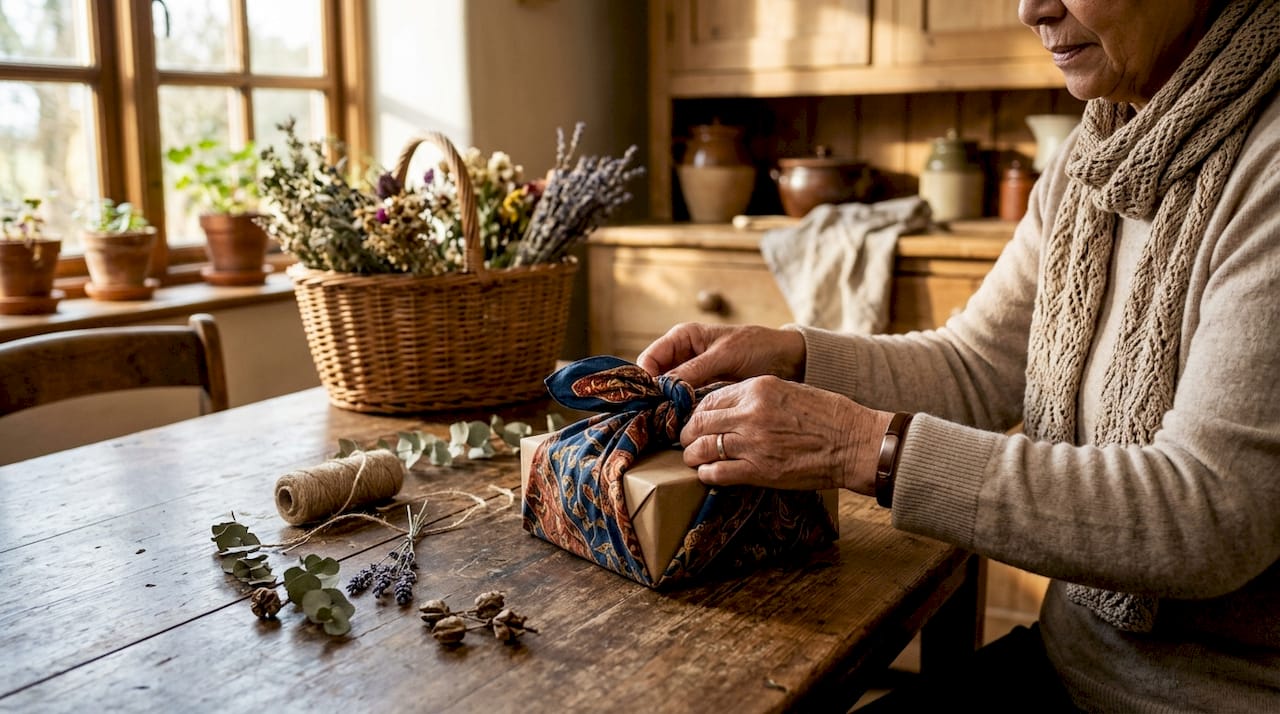
Fabric choice shapes the entire experience. A 70 cm square suits most standard gifts, while larger squares create functional tote bags the recipient can carry away from the party. Repurposed household textiles, such as a square cut from a quilted blanket, offer opacity and durability that thin cotton cannot match. Premium fabrics like linen or silk elevate the presentation for a baby shower gift or a milestone birthday.
The key benefits of fabric wrapping:
- The wrap itself becomes a second gift, functional and beautiful
- No scissors, tape, or single-use paper required
- Personalisation through embroidery or hand-stamped fabric adds a bespoke quality
- Recipients who understand the tradition pass the cloth on, creating a quiet circulation of care
Pro Tip: Include a small handwritten card explaining the furoshiki tradition and inviting the recipient to reuse or pass on the wrap. This single gesture transforms a lovely cloth into a living tradition.
For those wanting to explore UK wrapping cloth options, the range of fabrics available now spans everything from organic cotton to printed linen, making it straightforward to match the wrap to the occasion.
2. Charm bracelets: a wearable story that grows with the child
A charm bracelet tradition is one of the most personal examples of reusable gift traditions because the gift itself grows richer with every passing year. The bracelet begins at a meaningful milestone, perhaps a first birthday or a christening, with a single founding charm chosen to reflect that moment. From that point, family members and close friends add charms at each subsequent occasion, building a wearable autobiography the child carries into adulthood.
Research into charm bracelet gifting shows that a bracelet started at 18 can hold around 12 charms by the time the wearer reaches 30. Each charm marks a chapter: a tiny book for a reading milestone, a star for a school achievement, a flower for a favourite summer. The bracelet becomes an heirloom not through age alone but through the accumulation of shared memory.
How to start a charm bracelet tradition:
- Choose a high-quality base bracelet in sterling silver or gold-filled metal that will last decades.
- Select a founding charm that reflects the specific milestone, a pram for a newborn, a birthday cake for a first birthday.
- Write a clear invitation note explaining the tradition to family and friends, specifying the bracelet style so future charms fit correctly.
- Present the bracelet in a keepsake box with the note tucked inside, so the story of the tradition is preserved from the very first moment.
- Revisit the bracelet at each birthday or celebration, adding a charm that marks the year’s defining moment.
The success of this tradition depends heavily on that written note. Explicit invitation notes are the single most important factor in ensuring the bracelet becomes a collective, multi-year event rather than a one-off gift. Without them, even the most thoughtful founding charm risks becoming an isolated gesture.
Pro Tip: Photograph the bracelet each year before adding the new charm. Over time, this creates a visual record of the tradition that is as moving as the bracelet itself.
High-quality materials and presentation ensure the gift feels considered and lasting, which matters enormously when you are asking others to invest in a tradition over many years.
3. Reusable water doodle books: a gift children return to again and again
Reusable water doodle books are one of the most practical examples of reusable kids’ gifts for birthdays and baby showers. A child fills the special pen with water, draws on the page, and watches the image appear in vivid colour. Drawings fade in 3–5 minutes, leaving a blank canvas ready for the next creation. The book can be used hundreds of times without any ink, paper, or mess.
For parents, the appeal is immediate. There are no stained carpets, no dried-out felt tips, and no piles of paper to recycle. For children, the magic of watching their drawing disappear and reappear keeps the activity genuinely engaging across many sessions. These books suit toddlers from around 18 months and hold attention well into the early school years.
Why water doodle books work as a sustainable gift:
- Zero consumables: no ink, no paper, no replacement parts needed
- Mess-free play suits homes, travel, and restaurants equally well
- The repeated-use design means the gift remains relevant for years, not weeks
- Gifting alongside a reusable fabric wrap creates a fully sustainable gift package
Presenting a water doodle book wrapped in a beautifully folded furoshiki cloth, tied with a ribbon of natural twine, elevates a simple toy into a considered, eco-conscious present. The wrap and the gift share the same philosophy: use it again, and again, and again.
4. Reusable gift bags and dual-purpose packaging
Reusable gift bags made from repurposed or purposefully chosen fabrics are one of the quietest yet most enduring sustainable gift traditions. A bag sewn from a remnant of festive fabric, or cut from a worn but beloved garment, carries meaning beyond its function. Reusable fabric bags reduce wrapping waste and save time at every subsequent celebration, gradually becoming a habitual part of family life.
Metal tins and woven baskets serve a similar purpose. The container becomes a second gift, used for storing keepsakes, holding craft supplies, or sitting on a nursery shelf. This dual-purpose approach is the heart of sustainable gifting: the packaging has a functional second life, which deepens the recipient’s appreciation and makes reuse feel natural rather than obligatory.
Practical ways to build a reusable packaging tradition:
- Sew simple drawstring bags from cotton remnants in sizes that suit your most common gifts
- Keep a small collection of tins, baskets, and fabric pouches ready for wrapping throughout the year
- Attach a note to each reusable bag encouraging the recipient to return it or pass it on
- Build your collection gradually, adding one or two new pieces each season rather than replacing everything at once
The note matters as much as the bag itself. A short, warm message explaining that the bag is part of the gift, and that you hope to see it again at the next celebration, plants the seed of a shared tradition. Over time, families develop their own quiet rituals around these objects, and the bags themselves accumulate a gentle history.
For those seeking inspiration beyond wrapping, unique reusable gift ideas across different cultural gifting traditions offer a rich source of creative approaches to sustainable presents.
5. White Elephant and gift exchange traditions with a reuse focus
Post-Christmas White Elephant parties represent one of the most social examples of reusable gift traditions, prioritising connection and the circulation of existing objects over new purchases. Guests bring a wrapped item they already own but no longer need. The group exchanges gifts through a structured game, and objects find new homes where they are genuinely wanted. Nothing is wasted, and the evening generates far more laughter than a conventional gift list.
This tradition scales beautifully to children’s birthday parties. A “bring a book you love” exchange, where each child arrives with a favourite story to swap, creates a room full of pre-loved books and the kind of animated conversation that no new toy can generate. Each child leaves with a book that carries the warmth of a recommendation from a friend.
The social dimension of these gift exchange traditions is what makes them last. Sustainable party practices thrive when they are also genuinely enjoyable, and the White Elephant format delivers that in abundance. The reuse is almost incidental to the fun, which is precisely why the tradition endures.
6. Personalised keepsakes as long-term reusable gifts
Personalised gifts occupy a unique position in eco-friendly gifting because they are almost never discarded. A blanket embroidered with a newborn’s name, a wooden toy engraved with a birth date, or a fabric wrap stitched with a child’s initials becomes an object the family keeps and returns to across years. Personalisation transforms an ordinary item into a memento, and mementos are by nature reused, displayed, and treasured.
For baby showers in particular, personalised gifts carry an emotional weight that generic presents cannot match. The gift acknowledges the specific child, the specific moment, and the specific relationship between giver and recipient. That specificity is what makes it worth keeping. Combining sustainability with personalisation increases recipient engagement and supports tradition growth over time, because the recipient is far more likely to continue a tradition built around something that feels uniquely theirs.
The most enduring personalised gifts share three qualities: they are made from materials that age gracefully, they carry a detail specific enough to be unmistakably personal, and they are presented with care. A beautifully folded fabric wrap, embroidered with a name and tied with a satin ribbon, achieves all three before the inner gift is even revealed.
Key takeaways
Reusable gift traditions reduce waste, deepen personal meaning, and grow more valuable with every passing year, making them the most considered choice for baby showers and children’s birthdays.
| Point | Details |
|---|---|
| Fabric wraps replace single-use paper | Furoshiki and personalised cloth wraps serve as both packaging and a second gift. |
| Charm bracelets build over time | A founding charm with a written invitation creates a multi-year, collective tradition. |
| Reusable kids’ gifts reduce waste | Water doodle books offer hundreds of uses with no consumables and no mess. |
| Dual-purpose packaging deepens appreciation | Tins, baskets, and fabric bags give the wrapping a functional second life. |
| Personalisation prevents discarding | Embroidered or engraved gifts become mementos that families keep and return to for years. |
Why I believe reusable gift traditions matter more than ever
The most common objection I hear is that reusable gifting feels like extra effort. People worry the recipient will not understand the tradition, or that a fabric wrap will seem less generous than a pile of glossy paper. My experience is the opposite. The gifts that generate the most genuine emotion at baby showers and children’s birthdays are almost always the ones that carry a story.
I have watched a grandmother’s face when she received a furoshiki wrap embroidered with her grandchild’s name. She did not put it in a drawer. She used it as a table centrepiece at the next family gathering. That is the quiet power of a reusable gift: it keeps showing up.
The practical advice I would offer anyone starting out is to begin with one tradition rather than attempting to overhaul every aspect of gifting at once. A single charm bracelet, a single fabric wrap, a single reusable bag introduced with a warm note is enough to plant something that grows on its own. The families I have seen embrace these practices most fully are those who started small and let the tradition develop its own momentum.
The gifting culture is shifting, slowly but perceptibly, toward objects that carry meaning beyond their first unwrapping. Personalisation and sustainability are not in tension. They are, in fact, natural allies.
— Helen
Nicholasandrose: reusable fabric gift wrap for life’s most precious moments
Nicholasandrose makes premium reusable fabric gift wrap designed to become part of the gift itself. The Woodland Rabbit wrap, part of the new 2026 newborn and toddler range, combines a beautifully illustrated duck egg design with the option for personalised embroidery, so the wrap carries the child’s name from the very first moment. It is crafted to be folded, knotted, and reused across every birthday and celebration that follows, never ending up in the bin before the party is over. For baby showers and children’s birthdays where the gift deserves wrapping as considered as the present inside, the Nicholasandrose collection offers something genuinely lasting.
FAQ
What are the best examples of reusable gift traditions for baby showers?
Furoshiki fabric wraps, personalised embroidered cloths, and charm bracelets are the most enduring reusable gift traditions for baby showers. Each can be kept, displayed, or built upon across the child’s early years.
How do I start a charm bracelet tradition for a child?
Begin with a high-quality bracelet and a single founding charm that reflects the occasion, then include a written note inviting family and friends to add charms at future milestones. The note is the most important element for ensuring the tradition continues.
Are reusable water doodle books a good gift for toddlers?
Yes. Water doodle books offer mess-free, repeated creative play with drawings that fade in 3–5 minutes, making them one of the most practical reusable kids’ gifts for children from around 18 months upward.
How do I encourage recipients to reuse fabric gift wrap?
Include a short handwritten note with the wrap explaining the furoshiki tradition and inviting the recipient to reuse or pass it on. Dual-purpose fabric wraps that function as tote bags or scarves make reuse feel natural rather than effortful.
What makes a personalised gift more sustainable?
Personalised gifts are rarely discarded because they carry a specific meaning tied to a person and a moment. Combining personalisation with durable, quality materials, such as embroidered fabric or engraved wood, creates a gift that is kept and returned to across many years.
Recommended
- Personalisation in Gifting: Creating Keepsakes for Eco-Conscious Famil – Nicholas & Rose Limited
- Eco-friendly Christmas wrap: Curated, reusable family solutions – Nicholas & Rose Limited
- The role of eco values in gifting for UK families – Nicholas & Rose Limited
- 7 Personalised Gift Wrap Ideas for Eco-Conscious Gifting – Nicholas & Rose Limited