

Reusable Wraps in Sustainability: Lasting Impact
Every parent faces the dilemma of wrapping children’s gifts in endless paper that ends up in the bin after a single use. The environmental impact of traditional wrapping has spurred a shift towards reusable fabric wraps, a smarter, sustainable alternative that is kinder to nature and children’s future. Discover how British families can embrace personalised, eco-friendly wraps and turn baby showers or birthdays into moments of mindful celebration.
Table of Contents
- Reusable Wraps And Sustainability Defined
- Types Of Reusable Gift Wrap For Children
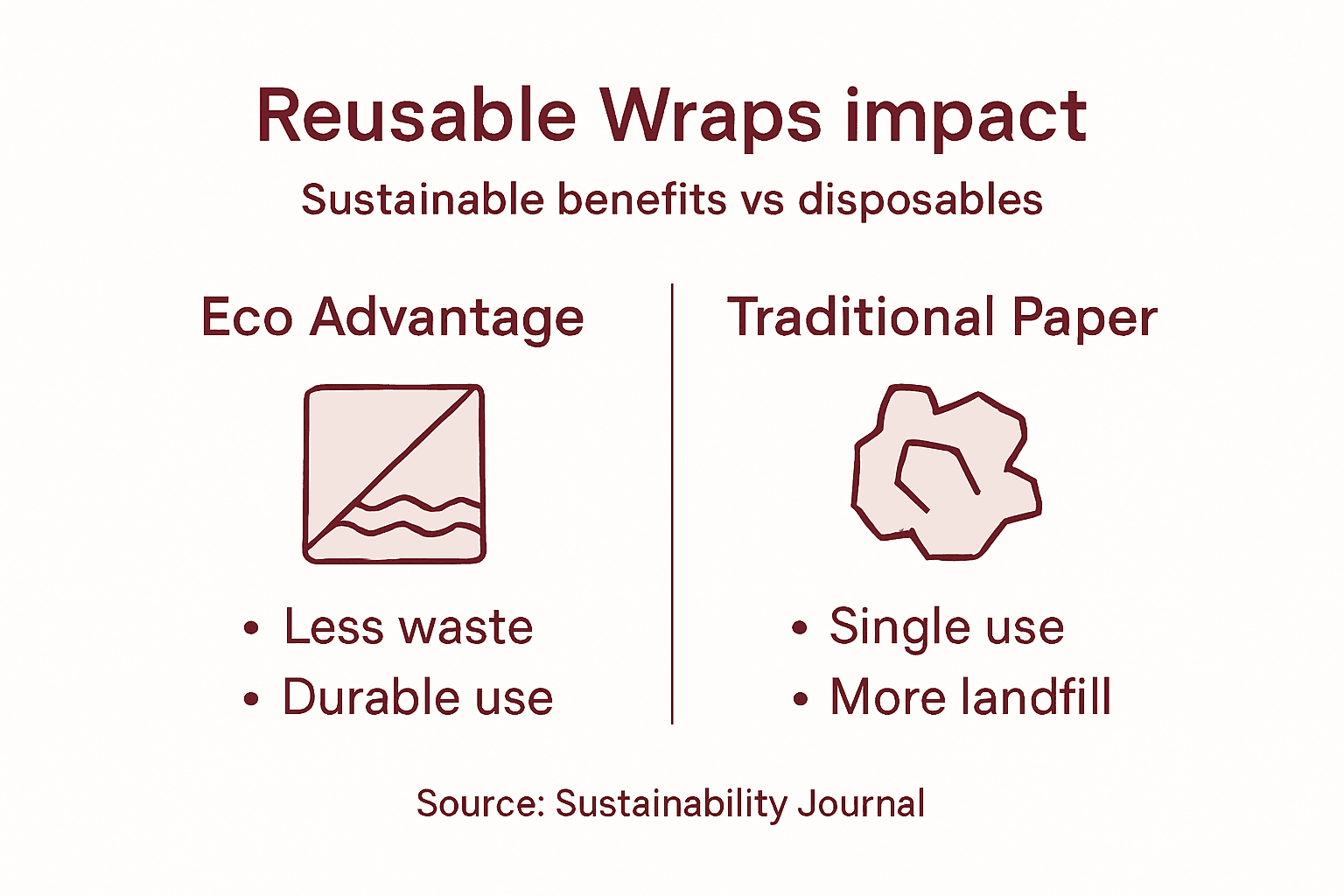
- Eco Benefits Versus Disposable Wrapping Paper
- Caring For And Personalising Fabric Wraps
- Common Mistakes And How To Avoid Them
Key Takeaways
| Point | Details |
|---|---|
| Sustainability in Packaging | Reusable fabric wraps provide an eco-friendly alternative to traditional single-use packaging, promoting a circular economy by extending the lifecycle of wrapping products. |
| Types of Reusable Wraps | Popular options for children’s gifts include fabric wraps, Furoshiki cloths, and organic cotton wraps, each offering benefits in durability and aesthetic appeal. |
| Environmental Impact | Reusable wraps significantly reduce waste and resource depletion compared to disposable wrapping paper, making them a more sustainable choice. |
| Proper Care and Maintenance | To maintain their longevity, fabric wraps should be washed gently, stored properly, and personalised carefully, enhancing their usability and sustainability. |
Reusable Wraps and Sustainability Defined
Sustainability in packaging represents a transformative approach to reducing environmental waste, particularly within the realm of gift wrapping. Reusable fabric wraps emerge as a sophisticated solution that challenges traditional single-use packaging paradigms, offering an elegant alternative that respects ecological principles.
Researchers have extensively studied the sustainability landscape, with scholarly investigations revealing comprehensive frameworks for understanding reusable packaging systems. Analytical sustainability frameworks demonstrate that sustainable packaging requires holistic consideration across multiple dimensions:
- Environmental Impact: Reducing material waste and carbon footprint
- Social Responsibility: Supporting ethical production practices
- Economic Viability: Creating long-term value for consumers and manufacturers
The circular economy concept underpins this approach, where packaging is designed not just for a single use, but for multiple lifecycles. By reimagining gift wrapping as a renewable resource, we shift from a disposable mindset to a more conscious, sustainable practice.
Understanding sustainability requires recognizing that reusable wraps are more than just an eco-friendly product - they represent a philosophy of mindful consumption. Sustainable packaging research emphasises developing packaging solutions that minimise environmental impact while maintaining aesthetic and functional quality.
Pro tip: When selecting reusable wraps, prioritise materials that are durable, washable, and versatile to maximise their sustainability potential.
Types of Reusable Gift Wrap for Children
Parents seeking sustainable gift-giving solutions now have a diverse array of reusable gift wrap options specifically designed for children’s presents. Eco-friendly gift wrap varieties offer creative and environmentally conscious alternatives to traditional disposable wrapping materials.
The most popular types of reusable gift wrap for children include:
- Fabric Wraps: Soft, colourful cotton or silk wraps that can be folded and reused multiple times
- Furoshiki Cloths: Traditional Japanese wrapping cloths with intricate designs perfect for children’s gifts
- Drawstring Fabric Bags: Reusable bags with playful patterns that can be used repeatedly
- Organic Cotton Wraps: Naturally dyed wraps with child-friendly prints and textures
Each type of wrap offers unique benefits beyond traditional paper packaging. Fabric wraps provide a tactile experience for children, introducing them to sustainable practices through visually engaging and touchable materials. Some wraps feature educational designs that can spark conversations about environmental responsibility.

Parents can transform gift-giving into an eco-conscious learning opportunity by selecting wraps that are not only beautiful but also washable and durable. The key is choosing materials that can withstand multiple uses while maintaining their aesthetic appeal and functional integrity.
Here’s how popular reusable gift wraps for children compare in terms of their features and use:
| Wrap Type | Durability | Washability | Child Appeal |
|---|---|---|---|
| Fabric Wraps | Highly durable | Machine washable | Soft textures, vibrant colours |
| Furoshiki Cloths | Very robust | Gentle machine wash | Cultural patterns, unique ties |
| Drawstring Bags | Sturdy stitching | Easy to wash | Fun shapes, playful prints |
| Organic Cotton Wraps | Long-lasting fibre | Colourfast washing | Natural dyes, gentle on skin |
Pro tip: Invest in versatile, machine-washable fabric wraps with child-friendly designs to create a sustainable gift-wrapping tradition that grows with your children.
Eco Benefits Versus Disposable Wrapping Paper
The environmental impact of traditional wrapping paper has long been a significant concern for eco-conscious consumers. Packaging sustainability research reveals that disposable wrapping materials contribute substantially to global waste streams and resource depletion.
Key environmental challenges with disposable wrapping paper include:
- Waste Generation: Most wrapping paper cannot be recycled due to coatings and embellishments
- Deforestation: Significant paper consumption leads to widespread tree harvesting
- Carbon Footprint: Manufacturing and transportation of single-use wrapping materials create substantial greenhouse gas emissions
- Limited Lifecycle: Typical wrapping paper is used once and immediately discarded
In contrast, reusable wraps offer multiple environmental advantages. Environmental impact of wrapping materials demonstrates that sustainable alternatives can dramatically reduce waste volume and pollution. Fabric wraps provide a versatile solution that can be used multiple times, significantly reducing the ecological footprint associated with gift presentation.
The economic and environmental calculus strongly favours reusable wraps. A single fabric wrap can replace dozens of disposable paper sheets, preventing unnecessary waste and conserving natural resources. By choosing sustainable alternatives, consumers directly contribute to reducing environmental degradation and promoting circular economy principles.
Below is a summary contrasting reusable wraps with single-use wrapping paper regarding sustainability:
| Aspect | Reusable Fabric Wraps | Disposable Wrapping Paper |
|---|---|---|
| Waste Generation | Minimal, used multiple times | High, discarded after each use |
| Resource Use | Requires fewer raw materials | Relies heavily on new tree pulp |
| Lifecycle Length | Multiple years | Single use only |
| Carbon Footprint | Reduced over time | High due to manufacture and waste |
Pro tip: Calculate the number of disposable wrapping papers you use annually and compare the cost with a set of high-quality reusable fabric wraps to understand your potential environmental and financial savings.
Caring for and Personalising Fabric Wraps
Maintaining the beauty and functionality of fabric gift wraps requires thoughtful care and attention. Reusable fabric wrap techniques offer comprehensive guidance for preserving these sustainable gifting solutions through proper maintenance and creative personalisation.
Key considerations for fabric wrap care include:
- Washing Instructions: Gentle cold machine wash or hand wash
- Drying Methods: Air dry or low-heat tumble dry
- Storage: Fold carefully and store in a cool, dry space
- Fabric Selection: Choose durable, washable materials like cotton or silk
Personalisation transforms fabric wraps from simple packaging into cherished keepsakes. Embroidery, appliqué, and carefully selected fabric patterns can create unique, meaningful gift presentations that reflect individual style and sentiment. Sustainable fabric wrap design emphasises creativity while maintaining the wrap’s ecological integrity.
Embroidery offers particularly compelling personalisation opportunities. Names, special dates, or meaningful symbols can be delicately stitched, turning each wrap into a memorable gift experience. The key is selecting techniques that enhance the fabric’s natural beauty without compromising its reusability or sustainable qualities.
Pro tip: Invest in high-quality, colourfast threads and practice embroidery techniques on scrap fabric before personalising your cherished reusable wraps.
Common Mistakes and How to Avoid Them
Reusable fabric wraps demand careful handling to maintain their sustainability and aesthetic appeal. Reusable wrap preservation techniques reveal critical errors that can compromise the longevity and effectiveness of these eco-friendly alternatives.
Common mistakes to avoid include:
- Exposure to High Heat: Avoid placing wraps near hot surfaces or in direct sunlight
- Improper Cleaning: Never use harsh chemicals or hot water
- Incorrect Storage: Keep wraps dry and folded in a cool environment
- Rough Handling: Handle delicate fabric wraps with gentle care
- Inappropriate Food Wrapping: Prevent wrapping very moist or greasy foods
Moisture management proves particularly crucial in maintaining fabric wrap integrity. Wrap usage mistakes highlight the dangers of storing damp wraps, which can lead to mould growth and fabric degradation. Proper drying techniques are essential to preserving the wrap’s structural and aesthetic qualities.
Understanding the nuanced care requirements prevents premature wear and ensures your fabric wraps remain a sustainable gifting solution. Each mistake avoided extends the lifecycle of these environmentally conscious alternatives, reducing overall waste and supporting circular economy principles.
Pro tip: Always air-dry your fabric wraps completely before folding and storing, and invest in a dedicated storage space that protects them from moisture and direct sunlight.
Embrace Sustainable Gift Giving with Personalised Reusable Wraps
The challenge of reducing disposables and embracing sustainability is clear when it comes to gift wrapping. Traditional wrapping paper often ends up in the bin before a child even arrives while reusable wraps offer a better solution. These elegant, durable fabric wraps align with the article’s call for mindful consumption and reducing environmental impact through versatile packaging that lasts multiple lifecycles.
At Nicholas & Rose Limited, we understand the importance of combining eco-consciousness with personal meaning. Our Reusable Fabric Wrap - Luxurious Christmas Collection provides beautifully crafted wraps that can be personalised through embroidery. This transforms each wrap into a lasting memento that celebrates the arrival of your little one or marks special occasions sustainably. For families welcoming new babies, our Newborn Essentials range offers thoughtful options to create cherished memories while practising waste-free gift wrapping.
Start your sustainable wrapping journey today by exploring the beautiful, washable wraps designed for a lasting impact. Visit Nicholas & Rose Limited now to discover how you can replace single-use paper with meaningful, reusable fabric wraps made to treasure for years to come.
Frequently Asked Questions
What are reusable wraps?
Reusable wraps are eco-friendly packaging solutions made from durable materials such as fabric or organic cotton, designed for multiple uses instead of single-use options like traditional wrapping paper.
How do reusable wraps contribute to sustainability?
Reusable wraps help reduce waste generation, lower carbon emissions, and conserve natural resources by promoting a circular economy approach, allowing for multiple uses over time.
How can I care for my reusable fabric wraps?
To maintain your reusable fabric wraps, wash them gently in cold water, air dry or tumble dry on low heat, and store them properly in a cool, dry place. Avoid exposure to high heat or moisture to prolong their life.
What are the advantages of fabric wraps compared to disposable wrapping paper?
Fabric wraps generate minimal waste, can be used multiple times, and reduce the need for new raw materials. In contrast, disposable wrapping paper is often not recyclable and contributes significantly to landfill waste.
Recommended
- What Makes Wrap Environmentally Friendly: Key Benefits Explained – Nicholas & Rose Limited
- Sustainable Gift Wrap Choices: Eco-Luxury for 2025 – Nicholas & Rose Limited
- Top 7 Sustainable Gift Wrap Solutions in 2026 for Eco-conscious Shoppe – Nicholas & Rose Limited
- Eco Aware Wrapping: Defining Sustainable Luxury – Nicholas & Rose Limited