

What is a unique wrapping experience for gifts?
TL;DR:
- A unique wrapping experience involves personalized, thoughtful design that transforms gift presentation into a meaningful ritual. Using reusable fabrics and natural adornments, especially for baby gifts, creates lasting keepsakes while reducing environmental impact. Carefully layered, bespoke wraps enhance emotional connection and elevate the entire gifting moment beyond mere concealment.
A unique wrapping experience is a carefully crafted, personalised gift presentation that tells a story through thoughtful design, considered materials, and an intentional aesthetic that honours both the recipient and the occasion. Far removed from the hurried tear of disposable paper destined for the bin, this approach transforms the act of wrapping into a ritual of its own. For those welcoming a new life into the world, celebrating a baby shower, or marking a child’s earliest milestones, the wrapping itself becomes a keepsake. When that wrap is made from reusable fabric, embroidered with a name or date, it endures long after the gift inside has been outgrown.
What is a unique wrapping experience, really?
A unique wrapping experience is defined by personalisation, intentionality, and the deliberate choice of materials that reflect the recipient’s story rather than simply concealing a gift. The industry term for this elevated approach is bespoke gift presentation, a phrase that captures the consultative, design-led process behind truly memorable wrapping. Both terms describe the same truth: that the outer layer of a gift carries emotional weight equal to what lies within.
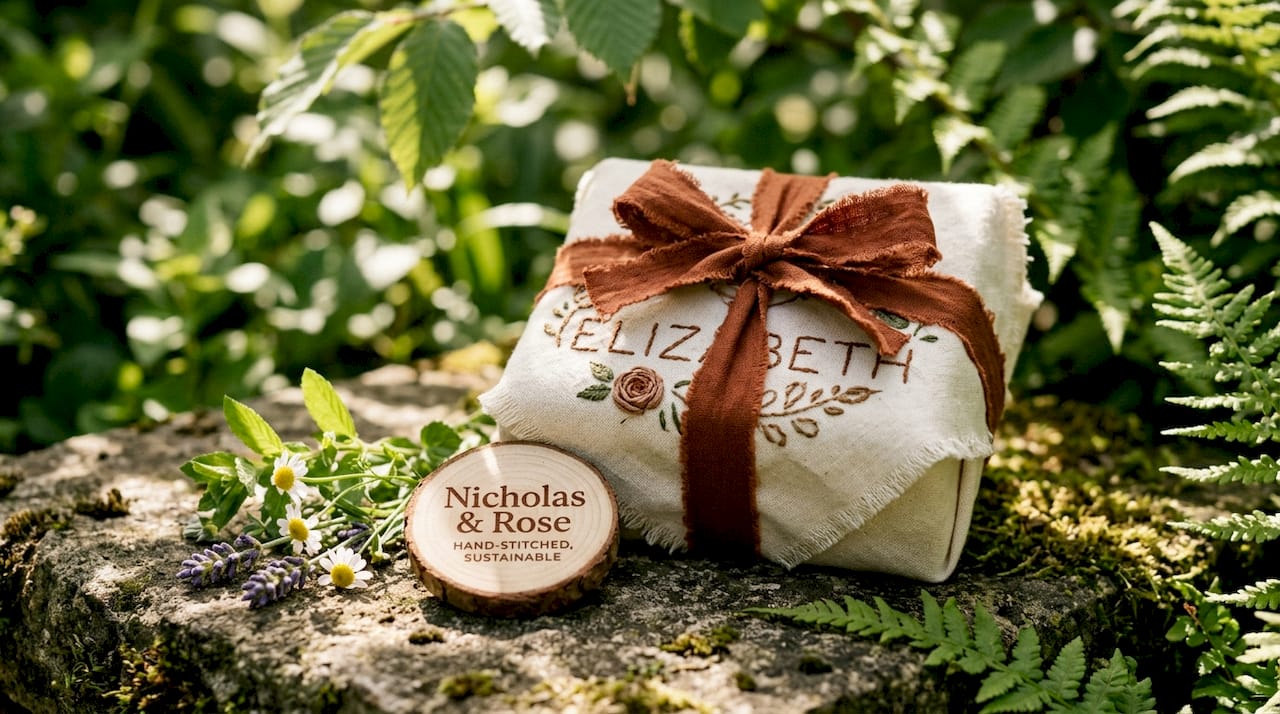
For new-born and baby shower gifts in particular, this distinction matters profoundly. Conventional wrapping paper is often discarded before the baby has even arrived home from the hospital, its brief moment of beauty surrendered to a recycling bag or, more commonly, landfill. A bespoke fabric wrap, by contrast, drapes softly over a gift and then lives on as a muslin cloth, a keepsake pouch, or a treasured piece of nursery décor. The presentation becomes part of the gift itself.
What separates a unique presentation from an ordinary one is not the price of the paper but the depth of thought behind it. Personalisation creates uniqueness in wrapping, not simply more expensive or fancier materials. A hand-embroidered name stitched into soft organic cotton communicates something no glossy bow ever could: that this gift was made with you, specifically, in mind.
How personalised design elevates gift wrapping
Bespoke gift presentation begins long before scissors meet fabric. The most considered wrapping services, such as those offered by WRAPT Studio in New York, begin with private consultations to understand the recipient, the occasion, and the emotional tone the giver wishes to convey. That intelligence is then translated into a conceptual design, with materials sourced specifically to realise it. The result is a sculptural, one-of-a-kind wrap that functions as an object of beauty before it is ever opened.
You can apply this same philosophy at home, even without a studio consultation. Consider the following elements when designing a personalised wrapping experience for a new-born or baby shower gift:
- The recipient’s story. A name, a birth flower, a favourite colour palette chosen by the parents. These details, when woven into the fabric or embroidered onto the wrap, create an immediate emotional connection.
- The occasion’s tone. A baby shower calls for softness and warmth. A first birthday might welcome something more playful and vivid. Let the moment guide the palette.
- The material’s character. Organic cotton carries a crisp hand-feel and a luminous drape that synthetic papers cannot replicate. Linen offers a slightly more textured, heirloom quality.
- The finishing details. Natural raffia, a sprig of dried botanicals, or a handwritten card tucked into a fabric fold each add a layer of sensory richness that elevates the entire presentation.
Luxury bespoke wrapping involves tiered service levels matched to gift size and sentiment, requiring specialist sourcing and handcrafted execution to deliver sculptural, personalised looks. You need not replicate every tier, but the principle holds: the more considered the detail, the more resonant the experience.
Pro Tip: When ordering an embroidered fabric wrap for a new-born gift, request the embroidery thread colour to match the nursery palette. This small gesture transforms the wrap into a decorative piece the parents will keep and display.
Creative sustainable wrapping techniques using reusable fabrics
Reusable fabric wrapping is the single most impactful choice you can make for both the environment and the gifting experience. Japan’s Ministry of the Environment promotes furoshiki folding techniques using square cloths and knots to wrap without tape or waste, and the method translates beautifully to baby and children’s gifts of any shape or size. Unlike disposable paper, a fabric wrap requires no adhesive, produces no scraps, and can be reused many times over by the recipient.
The environmental case is clear. Fabric wraps reused multiple times deliver far greater environmental benefits than even the most diligently recycled paper. This matters especially for baby shower gifts, where the volume of wrapping discarded in a single afternoon can be considerable.
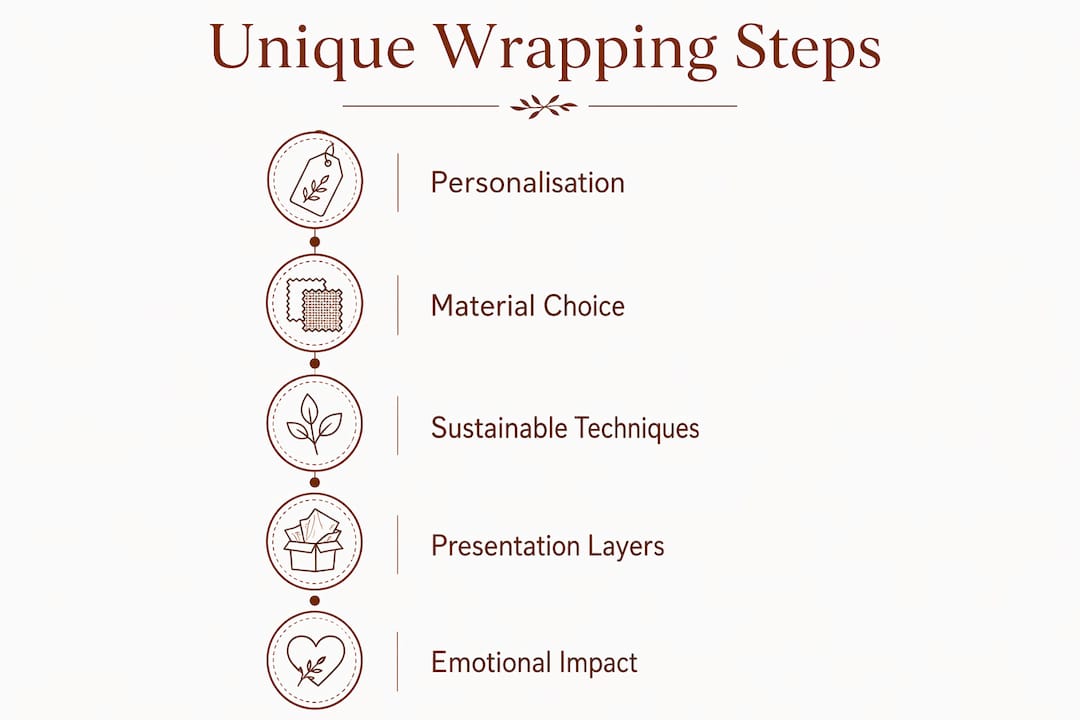
To begin wrapping uniquely with fabric, follow these steps:
- Choose the right cloth size. The fabric should be large enough to tie secure knots with fabric to spare. A 70cm square suits most baby gift sets; a 90cm square accommodates larger bundles such as blankets or stacked clothing.
- Select a fabric with structure. Guides recommend proportionate sizing and sturdy fabrics to secure gifts effectively without tape. Organic cotton and linen both hold knots beautifully and soften with each wash.
- Place the gift diagonally at the centre of the cloth. Fold the nearest corner up and over the gift, then bring the far corner to meet it. Tie the two remaining corners in a secure knot at the top.
- Embellish with natural adornments. Tuck a dried flower stem or a length of natural raffia beneath the knot. Avoid plastic bows or synthetic ribbon, which compromise the sustainability of the wrap.
- Add a personalised label. A small card or an embroidered tag with the recipient’s name completes the presentation and gives the wrap its identity as a keepsake.
Beyond furoshiki, decorative scarves, organic muslin squares, and small fabric bags all serve as reusable alternatives to paper. For new-born gifts, a muslin wrap that doubles as a swaddle cloth is both practical and poetic: the wrapping becomes the gift.
Pro Tip: For oddly shaped baby gifts, use a fabric bag rather than attempting to fold a flat cloth. A drawstring bag in organic cotton, embroidered with the baby’s name, is both a wrapping solution and a lasting keepsake the family will reach for again and again.
How does wrapping shape anticipation and emotional connection?
The moment before a gift is opened is, in many ways, the most emotionally charged. Shopify describes unboxing as an experiential method that guides the recipient emotionally before the gift is ever revealed. Applied to personal gifting, this means that the wrapping itself is a stage, and every texture, layer, and detail is part of the performance.
For a new-born gift, this staging carries particular tenderness. A parent lifting a softly knotted fabric wrap, feeling the weight of the cloth, catching the faint scent of natural fibres, and reading an embroidered name for the first time is experiencing something that no crinkled sheet of paper can replicate. The emotional staging of wrapping depends on sensory elements and anticipation to make the moment memorable beyond the gift itself.
“The wrap is the first impression the gift makes. When it is beautiful, considered, and personal, it tells the recipient that the giver truly saw them.”
Layering amplifies this effect. Consider placing tissue paper inside a fabric wrap, so that the recipient encounters one soft reveal before another. A handwritten note folded within the innermost layer adds a final, intimate moment. These details cost very little but communicate a depth of care that the recipient carries with them long after the occasion has passed.
Balancing uniqueness and sustainability in wrapping choices
Choosing materials that are both beautiful and responsible is not a compromise. It is, in fact, the foundation of a truly unique presentation for gifts. The table below compares the most common wrapping options across the criteria that matter most to eco-conscious gift-givers.
| Wrapping material | Reusable | Recyclable | Personalisation potential | Waste impact |
|---|---|---|---|---|
| Glossy or glitter paper | No | No | Low | High |
| Kraft paper with soy ink | No | Yes (up to 7 times) | Moderate | Moderate |
| Reusable fabric wrap | Yes | Yes | High (embroidery) | Very low |
| Decorative scarf or muslin | Yes | Yes | High | Very low |
| Plastic gift bag | No | No | Low | Very high |
Eco-friendly guidance from Martha Stewart supports reusable fabrics like furoshiki and warns explicitly about non-recyclable wrapping paper types, including those with glitter or glossy coatings. Kraft paper is recyclable up to seven times when free of paint, stickers, and synthetic finishes, making it a reasonable transitional choice for those not yet ready to commit fully to fabric.
The most sustainable wrapping avoids plastic components like tape and bows entirely. Washi tape, made from plant fibres, offers a biodegradable alternative for those using paper. Natural raffia, dried botanicals, and cotton twine replace synthetic ribbon without sacrificing elegance. For baby and children’s gifts, where the volume of wrapping across a single shower or birthday can be significant, these choices accumulate into a meaningful reduction in waste.
You can explore sustainable embellishment ideas that add beauty without adding to landfill, from pressed flowers to hand-stamped kraft tags. The goal is a wrap that feels luxurious precisely because every element has been chosen with care.
Key takeaways
A unique wrapping experience is defined by personalisation, reusable materials, and intentional design that transforms the outer presentation into a lasting part of the gift itself.
| Point | Details |
|---|---|
| Personalisation is the defining element | Embroidery, colour choices, and recipient-specific details create uniqueness far beyond expensive paper. |
| Fabric wraps outperform paper on sustainability | Reusable fabric wraps, especially furoshiki-style, eliminate tape, reduce waste, and can be kept as keepsakes. |
| Emotional staging amplifies the gifting moment | Layering textures, natural adornments, and handwritten notes build anticipation and deepen the recipient’s experience. |
| Avoid non-recyclable materials | Glitter, glossy finishes, and plastic bows compromise both sustainability and the integrity of the wrap. |
| Baby and milestone gifts benefit most | For new-born and baby shower gifts, a personalised fabric wrap becomes a memento the family treasures for years. |
Why I believe the wrap matters as much as the gift inside
I have watched parents unwrap a baby shower gift and set the contents aside to hold the fabric wrap a little longer, running their fingers over an embroidered name, reading the stitching as though it were a letter. That moment told me everything I needed to know about what a considered presentation can do.
The conventional wisdom is that wrapping is secondary, a formality before the real gift is revealed. My experience with new-born and baby gifts has taught me the opposite. When the wrap is made from something soft and lasting, when it carries a name or a date, it becomes the first object in that child’s life that was made specifically for them. The gift inside may be outgrown in three months. The fabric wrap, folded and kept in a memory box, may last a lifetime.
I also think the sustainability argument is often framed too coldly. It is not merely about reducing landfill, though that matters enormously. It is about choosing materials that are worthy of the occasion. A newborn’s first gifts deserve better than paper torn and discarded before the thank-you cards are written. Fabric wraps from Nicholasandrose, with their reusable fabric approach and bespoke embroidery, offer something the bin will never see.
— Helen
Discover Nicholasandrose’s Baby & Beyond collection
For those seeking a wrapping experience that endures as beautifully as the gift it holds, Nicholasandrose has created the Baby & Beyond collection specifically for milestone and children’s gifts.
Each piece in the collection is crafted from soft, reusable fabric and can be personalised through embroidery with a name, birth date, or short message, transforming the wrap into a keepsake the family will treasure long after the occasion has passed. The 2026 newborn and toddler range brings refined, eco-conscious design to life’s most tender moments. Explore the full Baby & Beyond collection and discover how a single, considered choice can make a gift truly unforgettable.
FAQ
What makes a wrapping experience unique?
A unique wrapping experience is defined by personalisation, considered material choices, and intentional design tailored to the recipient and occasion. It goes beyond decoration to create an emotional and sensory moment that the recipient remembers.
Is reusable fabric wrapping better than paper for baby gifts?
Reusable fabric wrapping is significantly better for the environment and for the gifting experience, as it produces no waste, requires no tape, and can be kept as a keepsake. For new-born and baby shower gifts, a personalised fabric wrap often becomes a treasured memento.
What is furoshiki wrapping?
Furoshiki is a Japanese wrapping method using a square cloth and knot techniques to wrap gifts without tape or paper, promoted by Japan’s Ministry of the Environment as a zero-waste alternative to disposable wrapping.
Can I personalise a fabric gift wrap?
Fabric gift wraps can be personalised through embroidery with a name, date, or short message, as offered by Nicholasandrose, turning the wrap itself into a bespoke and lasting gift.
Which wrapping materials should I avoid for eco-friendly gifting?
Avoid wrapping papers with glitter, glossy coatings, or plastic components, as these cannot be recycled. Replace synthetic ribbon and tape with natural raffia, washi tape, and biodegradable adornments to maintain the sustainability of your wrap.
Recommended
- Top 8 Bespoke Gift Wrap Options 2026 – Nicholas & Rose Limited
- Wrapping Gifts Without Paper: Elegant Fabric Solutions – Nicholas & Rose Limited
- Master the Sustainable Gift Wrapping Process for Luxury Gifts – Nicholas & Rose Limited
- Best Curated Christmas Gift Wraps for Unique Gifting 2026 – Nicholas & Rose Limited