

What is family heirloom wrapping: a complete guide
TL;DR:
- Family heirloom wrapping involves using protective, reusable materials to preserve keepsakes’ integrity and emotional significance. This practice emphasizes sustainable, cultural, and personal elements, transforming gift presentation into a meaningful ritual. Proper wrapping materials and techniques ensure the longevity of cherished items while fostering environmentally conscious gifting traditions.
Family heirloom wrapping is defined as the careful, protective, and often reusable packaging of inherited keepsakes to preserve their physical condition and emotional meaning, whether for gifting, storage, or passing between generations. Unlike disposable wrapping paper destined for the recycling bin, true heirloom wrapping draws on archival materials, breathable fabrics, and time-honoured techniques that safeguard what matters most. For new parents, gift-givers, and anyone marking a milestone occasion, understanding this practice transforms the act of wrapping from an afterthought into a ritual of genuine care and intention.
What is family heirloom wrapping and why does it matter?
Family heirloom wrapping is both a preservation method and a gifting philosophy. At its core, it means choosing materials and techniques that protect a keepsake from physical deterioration while also honouring the emotional weight of what is being given. The industry term for this broader practice is archival or conservation wrapping, and it applies equally to a grandmother’s christening gown, a set of hand-painted china, or a piece of gold jewellery passed down through generations.
The distinction from ordinary gift wrapping is significant. Standard wrapping paper, plastic bags, and adhesive tape can accelerate material damage through acid transfer, moisture trapping, and chemical off-gassing. Heirloom wrapping, by contrast, treats the packaging as part of the preservation process itself. The wrap is not discarded; it is part of the gift.
For families welcoming a new baby or celebrating a milestone, this approach carries particular resonance. A personalised fabric wrap embroidered with a child’s name becomes its own keepsake, layered with meaning long after the gift inside has been opened. Nicholasandrose was founded on precisely this idea: that the wrapping should outlast the occasion.
What materials and methods are best for wrapping different heirlooms?
Choosing the right material depends entirely on what you are wrapping. The wrong choice, however well-intentioned, can cause more harm than no wrapping at all.
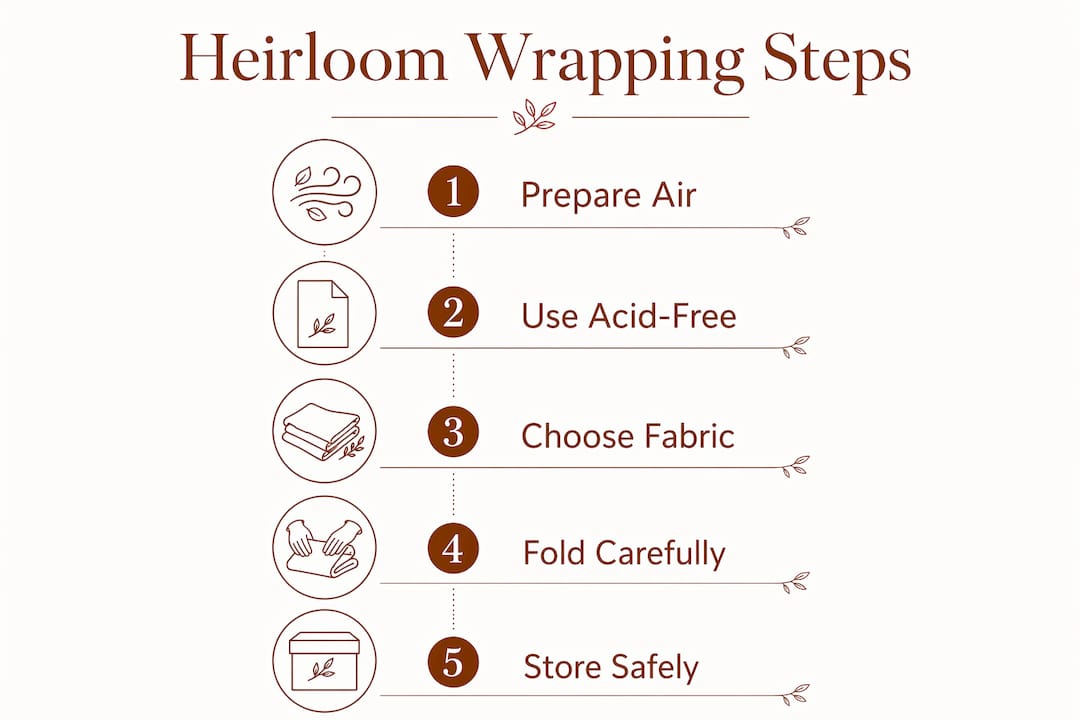
- Delicate textiles and paper items (christening gowns, letters, photographs): Use acid-free tissue and unprinted cotton paper. These materials are breathable and pH-neutral, preventing the yellowing and brittleness caused by acid migration. Store in acid-free boxes away from attics and basements, where temperature and humidity fluctuate most.
- Fragile glass, china, and ceramics: Cushioned wrapping is non-negotiable. Wrap each piece individually in clean, unprinted packing paper or cotton cloth, then add a layer of bubble wrap for transport. Vertical plate storage reduces pressure fractures far more effectively than stacking flat.
- Metal and antique items: Layering is the key principle. Begin with a sheet of protective tissue, then add a second layer of cotton cloth. Physical separation between metal pieces prevents abrasion and tarnish caused by contact. Indian jewellers have long used pink anti-tarnish paper for gold precisely because the mild coating addresses the chemistry of tarnish, not merely its appearance.
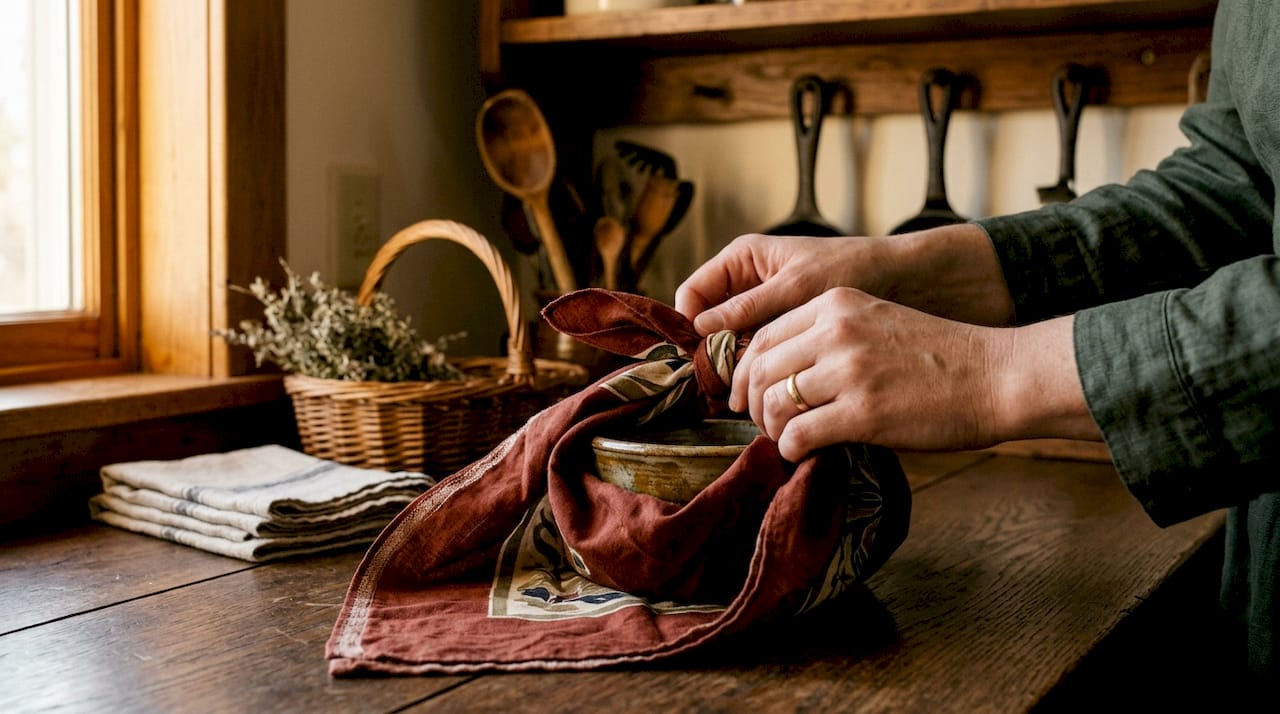
- Reusable cloth wraps for all heirloom types: Japanese furoshiki cloth wrapping requires no tape or glue and adapts to almost any shape. After the gift is opened, the cloth transforms into a bag, a scarf, or a wall hanging. This is sustainable heirloom wrapping at its most elegant.
What to avoid without exception: newspaper ink transfers to surfaces and is acidic. Plastic bags trap moisture, creating the humid microclimate that accelerates mould on textiles and tarnish on metals. Ordinary adhesive tape leaves residue and can tear delicate fabrics.
Pro Tip: Before wrapping any heirloom textile, allow it to air in a clean, dry room for several hours. This releases any residual moisture that would otherwise be sealed inside the wrapping, where it becomes a slow source of damage.
How does family heirloom wrapping support sustainable gifting?
Reusable fabric wraps replace single-use paper and tape entirely, removing the most wasteful element of conventional gift-giving. The environmental case is straightforward: wrapping paper cannot be recycled once it contains glitter, foil, or adhesive, and the majority of it is discarded within minutes of a gift being opened. Heirloom wrapping techniques break this cycle by design.
The cultural practice of furoshiki, which originated in Japan during the Nara period, demonstrates how zero-waste wrapping can carry deep aesthetic and philosophical meaning. The cloth is not packaging; it is part of the gift itself. This principle aligns precisely with what eco-conscious gift-givers are seeking today: something beautiful, purposeful, and lasting.
Consider the practical steps for making your wrapping genuinely sustainable:
- Choose a fabric wrap made from natural fibres such as cotton, linen, or silk. These are breathable, washable, and biodegradable.
- Select a wrap large enough to be repurposed after the gift is opened. A 70cm square cloth can wrap a newborn gift and later serve as a muslin, a play mat, or a keepsake cloth.
- Opt for personalisation through embroidery rather than printed labels or paper tags. Embroidered text does not fade, peel, or require replacement.
- Store the wrap with the gift so the recipient understands its value and intended reuse.
- Choose a brand that uses natural dyes or GOTS-certified fabrics to extend the environmental benefit beyond the wrapping itself.
“The wrap’s versatility to change function supports environmental and emotional value.” — Zen Echoes on furoshiki
The personalisation dimension matters as much as the sustainability one. A fabric wrap embroidered with a baby’s name and birth date becomes a memento that parents keep for years. It is the wrapping that outlives the wrapping paper, and that is precisely the point.
What cultural traditions shape heirloom wrapping practices?
Wrapping as a ritual of care and meaning is not a modern invention. Cultures across the world have long understood that how a gift is presented carries as much significance as what is inside.
| Tradition | Origin | Material used | Primary purpose |
|---|---|---|---|
| Furoshiki | Japan (Nara period) | Woven cloth, silk, cotton | Reusable wrapping, transport, and gift presentation |
| Pink anti-tarnish paper | India (jewellery trade) | Coated pink paper | Chemical protection for gold and silver |
| Trousseau wrapping | Europe (historical) | Linen, embroidered cloth | Preservation of textiles for marriage gifts |
| Bojagi | Korea | Silk or ramie patchwork cloth | Ceremonial wrapping for gifts and offerings |
The Indian jewellery tradition is particularly instructive. Jewellers wrap gold in pink anti-tarnish paper not for decoration but because the mild coating limits exposure to moisture and sulphur compounds that cause tarnish. The wrapping is doing chemical work invisible to the eye. Temple pearl jewellery experts note that this wrapping simultaneously preserves the piece and conveys cultural and emotional meaning in the exchange.
Japanese furoshiki carries a different but equally layered significance. The cloth itself is often chosen for its pattern and colour to communicate a message to the recipient. A cloth printed with pine, bamboo, and plum blossoms signals longevity and resilience. The act of folding and presenting the cloth is a practised art, and learning it is considered a mark of respect for the recipient.
For new parents and families celebrating milestones such as baby showers, christenings, or first birthdays, these traditions offer a template. A beautifully folded fabric wrap, personalised with embroidery, carries the same ceremonial weight as a furoshiki or a trousseau cloth. It signals that the giver has thought not only about the gift but about how it will be received and remembered.
Pro Tip: When wrapping a newborn gift in reusable fabric, fold the cloth so the embroidered name faces outward. The recipient sees the personalisation before they see the gift, and that moment of recognition is part of the experience.
How to wrap and transport family heirlooms safely
Safe heirloom wrapping for storage or transport requires a layered approach. A single sheet of tissue is never sufficient protection on its own.
- Wrap each item individually. Never allow two heirloom pieces to share a single layer of wrapping. Contact between items, even wrapped ones, creates friction and pressure points that cause chips, scratches, and abrasion over time.
- Add internal cushioning. For fragile ceramics and glass, crumple clean, unprinted paper into the interior of hollow items such as vases or cups. This prevents the walls from flexing under external pressure.
- Choose the right outer box. Double-walled boxes are the minimum standard for heirloom transport. For mirrors, framed art, or large antiques, wooden crates with foam lining offer the most reliable protection.
- Immobilise contents completely. Fill any remaining space in the box with crumpled paper, foam peanuts, or folded cloth. An item that can shift inside its box during transport will sustain damage regardless of how well it is individually wrapped.
- Control the storage environment. Avoid attics, garages, and basements. Aim for a stable temperature between 15°C and 21°C with relative humidity between 30% and 50%. Fluctuations in either direction accelerate deterioration in textiles, paper, and metals.
| Heirloom type | Recommended inner wrap | Recommended outer container |
|---|---|---|
| Textiles and clothing | Acid-free tissue, cotton muslin | Acid-free box, sealed with cotton tape |
| China and ceramics | Unprinted paper, bubble wrap | Double-walled china box |
| Gold and silver jewellery | Anti-tarnish tissue, cotton cloth | Padded jewellery roll or wooden box |
| Framed art and mirrors | Glassine paper, foam corners | Mirror box or wooden crate |
| Documents and photographs | Acid-free folders, polyester sleeves | Acid-free archival box |
For particularly complex or high-value pieces, professional conservation packers offer bespoke solutions including custom foam inserts and specialty boxes designed for unusual shapes. The cost is modest relative to the irreplaceable nature of what is being protected.
Key takeaways
Family heirloom wrapping is a preservation practice as much as a gifting ritual, and the choice of material determines whether a keepsake survives or deteriorates.
| Point | Details |
|---|---|
| Wrapping is a chemical safeguard | Acid-free, breathable materials prevent deterioration that decorative wrapping accelerates. |
| Reusable fabric wraps are the most sustainable choice | Furoshiki and embroidered cloth wraps eliminate single-use waste and become keepsakes themselves. |
| Cultural traditions offer proven methods | Indian anti-tarnish paper and Japanese furoshiki demonstrate wrapping as both science and ceremony. |
| Individual wrapping and immobilisation protect during transport | Each item must be wrapped separately and cushioned inside a sturdy, appropriately sized box. |
| Personalisation transforms wrapping into a lasting memento | Embroidered fabric wraps carry emotional meaning that printed paper cannot replicate. |
Why I believe the wrapping is the most underestimated part of the gift
Most people spend considerable time choosing a gift and almost no time thinking about how it is wrapped. After years of working with families who are seeking meaningful, lasting ways to mark the arrival of a new baby or celebrate a milestone, I have come to believe this is the wrong order of priorities.
The wrapping is the first thing the recipient touches. It sets the emotional register for everything that follows. When a new parent receives a gift wrapped in a beautifully embroidered cloth bearing their child’s name, the cloth itself becomes part of the memory of that day. I have heard from families who kept the fabric long after the gift inside had been outgrown, folded carefully in a drawer alongside other small mementos of those early weeks.
What I find most compelling about the furoshiki approach is its honesty. The cloth does not pretend to be disposable. It asks to be kept, reused, and appreciated. That is a very different relationship with material objects than the one most of us have been conditioned to accept. For eco-conscious gift-givers, this shift in thinking is not a sacrifice. It is an upgrade.
My practical advice is simple: invest as much thought in the wrap as in the gift itself. Choose natural fibres, add personalisation through embroidery, and give the recipient something they will want to keep. The wrapping paper in the bin before the baby is born tells its own story. Make yours a different one.
— Helen
Discover Nicholasandrose luxury reusable gift wraps
For families welcoming a new baby or marking a milestone occasion, Nicholasandrose offers a collection of reusable fabric gift wraps designed to become keepsakes in their own right.
Each wrap is crafted from natural fibres with a refined drape and crisp hand-feel, and can be personalised through bespoke embroidery with a name, date, or short message. The 2026 newborn and toddler range brings this philosophy to the earliest and most precious milestones. Explore the full milestone gift wrap collection and discover wrapping that is worthy of what it holds. Because a gift this meaningful deserves more than paper destined for the bin.
FAQ
What is family heirloom wrapping?
Family heirloom wrapping is the practice of using protective, often reusable or archival materials to package inherited keepsakes for gifting or storage. It prioritises preservation and emotional presentation over disposable convenience.
Is family heirloom wrapping necessary for all keepsakes?
For items with significant monetary or sentimental value, proper wrapping is the primary defence against deterioration. Incorrect materials such as newspaper or plastic bags can accelerate damage even when the item appears well-protected.
What is the best fabric for wrapping heirlooms sustainably?
Natural fibres such as cotton, linen, and silk are the most suitable choices. They are breathable, washable, and biodegradable, and they align with the zero-waste principles of Japanese furoshiki wrapping.
Can heirloom wrapping be personalised for newborn gifts?
Personalisation through embroidery is one of the most enduring options available. An embroidered name or birth date on a fabric wrap creates a memento that parents keep long after the occasion has passed, making the wrapping as meaningful as the gift itself.
How does heirloom wrapping differ from standard gift wrapping?
Standard gift wrapping is designed for a single use and is typically discarded immediately. Heirloom wrapping uses archival or reusable materials intended to protect the gift and serve a continuing purpose, whether as a keepsake cloth, a storage wrap, or a repurposed textile.