

What is heirloom gift wrap: sustainable reusable guide
Most gift wrap ends up in the bin within minutes of unwrapping, contributing to enormous waste especially around baby showers and children’s celebrations. Heirloom gift wrap offers a sustainable alternative: reusable fabric or durable materials designed to be kept, personalised, and used repeatedly. This guide explains what heirloom gift wrap is, how it differs from conventional wrapping, and why eco-conscious UK parents are choosing it for meaningful, waste-free gifting. You’ll discover practical wrapping techniques, care tips, and trusted sources for beautiful sustainable options that become cherished keepsakes.
Table of Contents
- Key takeaways
- What is heirloom gift wrap and why does it matter?
- Fabric heirloom gift wrap versus paper: benefits and challenges
- How to use and care for heirloom gift wrap for lasting value
- Where to find heirloom gift wrap and choose the right option in the UK
- Explore luxury sustainable gift wrap with Nicholas & Rose
- Frequently asked questions about heirloom gift wrap
Key Takeaways
| Point | Details |
|---|---|
| Sustainable gift wrap | Heirloom wraps are reusable fabrics or durable materials designed to be kept, personalised and used repeatedly to cut waste. |
| Fabric wraps for irregular shapes | Furoshiki style wraps handle odd shapes without tape or scissors, making them practical for bottles, soft toys or awkward items. |
| Paper wraps offer crisp folds | Paper wraps provide neat folds but are less reusable after the first use, reducing the sustainability advantage. |
| Personalised keepsakes | Embroidered names or dates and customised colours or patterns transform wraps into meaningful keepsakes handed down through generations. |
What is heirloom gift wrap and why does it matter?
Heirloom gift wrap refers to reusable, personalised wrapping made from fabric or durable materials designed for multiple uses rather than single occasions. Unlike traditional paper that tears and discards immediately, heirloom wraps become part of the gift itself, carrying memories forward through celebrations.
This approach matters enormously for several reasons. Traditional wrapping paper contributes significantly to landfill waste, particularly around baby showers and children’s birthdays when gifts multiply rapidly. Many new parents receive dozens of presents wrapped in paper that gets binned before the baby arrives home. Heirloom wraps interrupt this wasteful cycle entirely.
Fabric options such as furoshiki wraps are especially popular heirloom styles. These Japanese-inspired squares wrap various shapes without requiring tape or scissors, making them practical for bottles, soft toys, or awkwardly shaped items. The versatility suits children’s gifts perfectly, where shapes vary wildly.
Using heirloom wraps aligns naturally with sustainability values whilst enabling elegant, thoughtful presentation. Personalisation amplifies this appeal dramatically:
- Embroidered names or dates transform wraps into meaningful keepsakes
- Custom colours or patterns reflect the recipient’s personality
- Reusable wraps become part of family traditions, handed down through generations
- Each wrap tells a story, connecting past celebrations to future ones
For eco-conscious UK parents, heirloom gift wrap represents practical sustainability. It eliminates guilt about waste whilst creating beautiful, memorable presentations. The wrap becomes as cherished as the gift inside, rather than an afterthought destined for the bin.
Fabric heirloom gift wrap versus paper: benefits and challenges
Choosing between fabric and paper heirloom wraps depends on your priorities, the gift’s shape, and your commitment to sustainability. Each material offers distinct advantages and limitations worth understanding before purchasing.
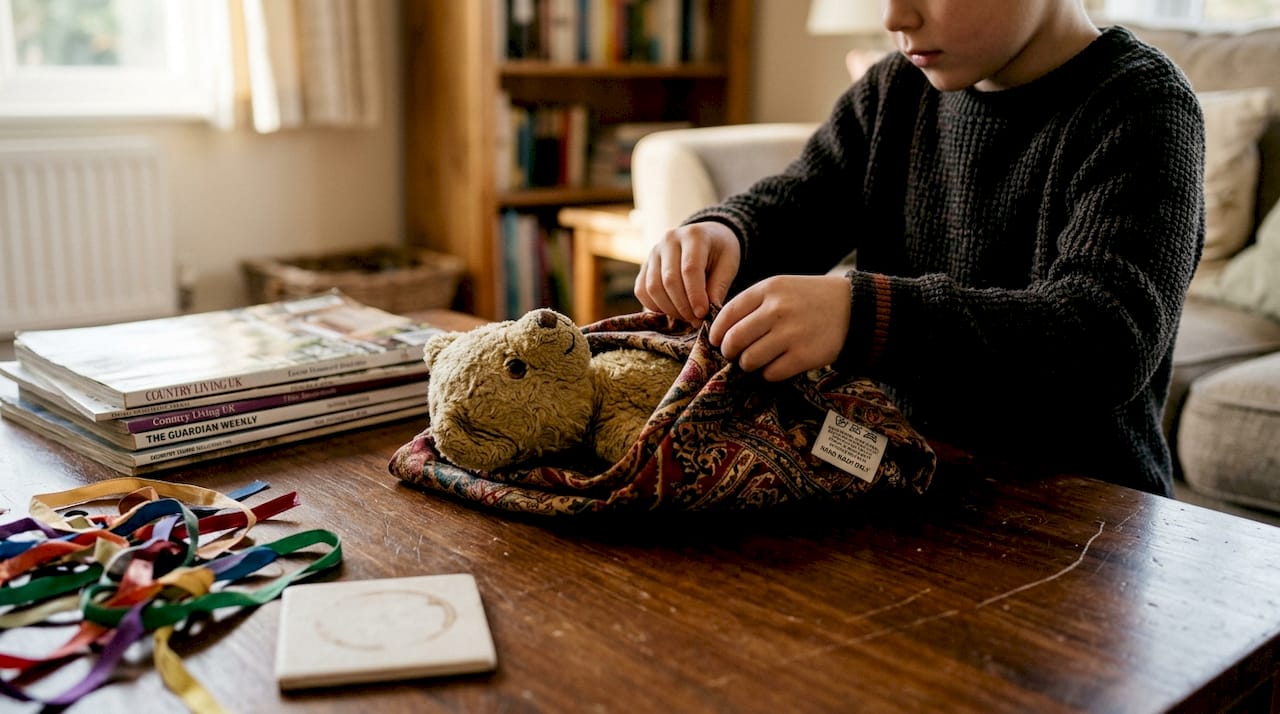
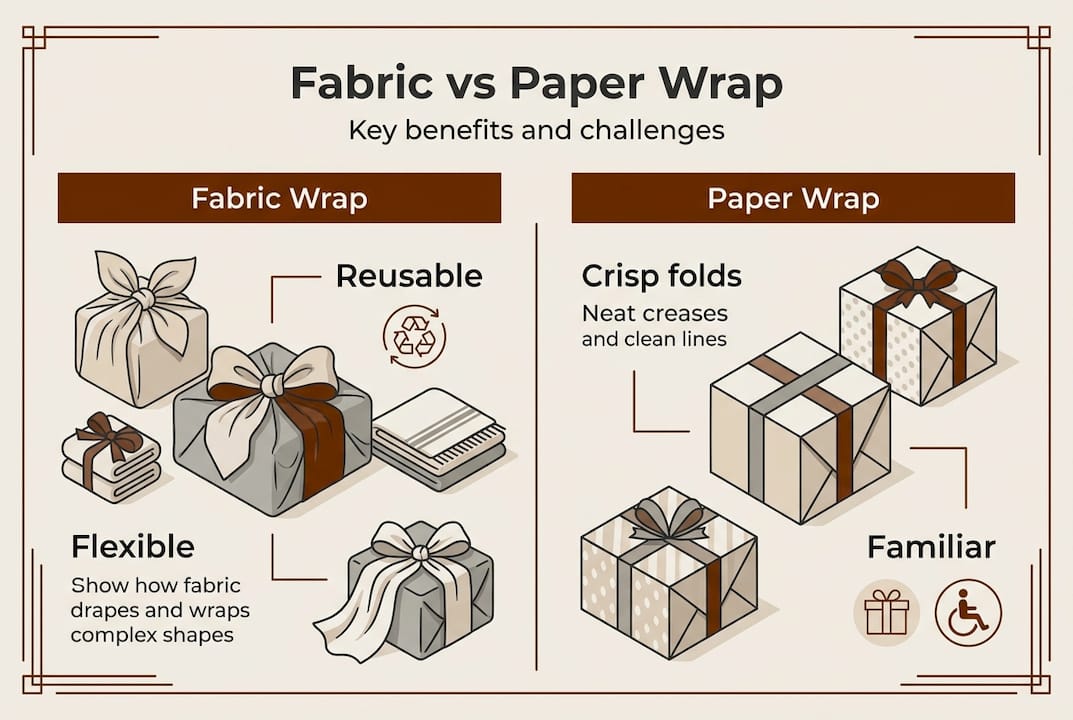
Fabric heirloom wraps, particularly furoshiki styles, excel at wrapping irregular shapes. Bottles, plush toys, or oddly proportioned items that frustrate paper wrappers become simple with fabric. You fold and tie without tape or scissors, creating elegant presentations that adjust to any form. Fabric wraps suit irregular shapes perfectly because the material drapes and secures through knotting techniques rather than adhesive.
Paper heirloom wraps provide crisp, sharp folds ideal for boxes and uniform shapes. The precision creates polished presentations for formal occasions. However, paper typically isn’t reusable after the first use. Once creased or torn, it loses structural integrity. This trades off the core sustainability benefit that defines heirloom wrapping.
Durability separates these materials dramatically. Fabric withstands dozens of uses when properly cared for, making it genuinely sustainable. Paper degrades quickly, especially when handled by excited children who tear enthusiastically. For baby showers and children’s celebrations, fabric’s resilience matters enormously.
Learning curves differ too. Paper wrapping feels familiar because most people grew up using it. Fabric techniques require initial practice, though basic furoshiki ties become second nature quickly. Online tutorials make learning straightforward, and the versatility rewards the modest time investment.
| Factor | Fabric heirloom wrap | Paper heirloom wrap |
|---|---|---|
| Ease of use | Requires learning basic ties; highly adaptable once mastered | Familiar techniques; precise folding needed |
| Reusability | Dozens of uses with proper care | Single use typically; degrades after unwrapping |
| Environmental impact | Minimal waste; truly sustainable | Better than conventional paper but still disposable |
| Best use cases | Irregular shapes, bottles, soft items, casual celebrations | Boxes, formal gifts, uniform shapes |
| Cost factors | Higher upfront; exceptional value long term | Lower initial cost; ongoing replacement needed |
Pro Tip: For maximum eco benefit, choose personalised fabric heirloom wraps that suit your most common gifting needs. A collection of three to five wraps in varying sizes handles most occasions whilst building reusable traditions.
Environmental impact tells the clearest story. Fabric wraps aligned with best eco gift wrap materials eliminate waste almost entirely. Paper, even when marketed as heirloom quality, generates ongoing disposal. For eco-conscious parents, this distinction matters fundamentally.
Cost considerations favour fabric dramatically over time. Yes, quality fabric wraps cost more initially than paper. But divide that cost across dozens of uses and the per-gift expense becomes negligible. Paper requires constant repurchasing, accumulating costs that exceed fabric’s upfront investment within a year of regular gifting.
Shape compatibility ultimately guides many decisions. Wrapping a teddy bear in paper creates frustration and waste. Fabric handles it beautifully. Wrapping a rectangular book box in fabric works fine but paper might look slightly neater. Match material to gift type, and keep reusable gift wrap tips in mind for best results.
For gift wrapping that balances elegance with sustainability, fabric emerges as the clear winner for most situations. The exceptions where paper excels become fewer once you master basic fabric techniques.
How to use and care for heirloom gift wrap for lasting value
Using heirloom gift wrap effectively requires learning a few simple techniques, then maintaining the materials properly to ensure years of beautiful presentations. These practical steps help you maximise sustainability benefits whilst creating memorable gift experiences.
Wrapping with fabric heirloom wraps follows straightforward methods:
- Choose appropriate wrap size: the fabric should extend at least twice the gift’s width in each direction for comfortable folding
- Centre your gift on the fabric square, positioning it diagonally for most furoshiki techniques
- Bring opposite corners together above the gift, tying a simple square knot or decorative bow
- Adjust fabric draping to create elegant folds that complement the gift’s shape
- Tuck excess fabric neatly or incorporate it into decorative elements that enhance presentation
- For bottles or cylindrical items, use the bottle wrap technique: centre the bottle, bring long edges up, twist together, then wrap around the neck and tie
These furoshiki tying methods adapt to virtually any gift shape once you practise the basic principles. The beauty lies in versatility: one square of fabric wraps books, toys, clothes, or irregular items equally well.
Personalisation transforms heirloom wraps from functional to meaningful. Consider these decoration approaches:
- Embroidery adds names, dates, or small motifs that commemorate specific occasions
- Fabric stamps create repeating patterns or custom designs using textile inks
- Fabric paints enable freehand artwork or handprints from children
- Appliqué techniques attach fabric shapes for dimensional decoration
- Natural dyes create unique, eco-friendly colour variations
These personalised decoration options make each wrap a keepsake that recipients treasure beyond the gift itself. A wrap embroidered with a baby’s name and birth date becomes a cherished memento, reused for that child’s birthday gifts year after year.
Caring for fabric wraps properly extends their lifespan dramatically. Gentle washing preserves colour and texture better than harsh detergents or hot water. Hand washing works beautifully for delicate fabrics, whilst sturdy cotton wraps tolerate machine washing on gentle cycles. Always air dry rather than tumble drying to prevent shrinkage and maintain fabric integrity.
Storage matters too. Fold wraps neatly and store in a dedicated drawer or box away from direct sunlight, which fades colours over time. Cedar blocks or lavender sachets keep fabrics fresh whilst deterring moths. Treating wraps as valued items rather than disposable supplies naturally encourages careful handling and proper storage.
For paper heirloom wraps, careful folding and flat storage between uses helps maintain crispness. Store in acid-free tissue or folders to prevent yellowing. However, accept that paper’s reusability remains limited compared to fabric.
Pro Tip: Share heirloom wraps within family or community circles to multiply sustainability impact. When wraps circulate through your social network, each piece prevents dozens of paper wraps from reaching landfills whilst building meaningful gifting traditions that connect people.
The gift wrap sustainability checklist approach treats wraps as investments in long-term sustainability rather than consumables. This mindset shift transforms gifting practices entirely, aligning celebrations with environmental values without sacrificing beauty or thoughtfulness.
Where to find heirloom gift wrap and choose the right option in the UK
Finding quality heirloom gift wrap in the UK requires knowing where to look and what criteria ensure you’re getting sustainable, reusable products that suit your needs. Several trusted sources specialise in eco-conscious wrapping for baby showers and children’s celebrations.
Nicholas & Rose stands out for baby and beyond milestone gift wraps, offering personalised fabric wraps specifically designed for newborns and toddlers. Their range emphasises embroidered customisation and luxurious materials that become family heirlooms. This specialisation matters because baby-focused designs incorporate appropriate colours, patterns, and sizes for infant gifts.
When selecting heirloom gift wrap, prioritise these key factors:
- Material sourcing: organic cotton, recycled fabrics, or sustainably harvested fibres ensure genuine environmental benefits
- Customisation options: embroidery, printing, or dyeing capabilities let you create meaningful personalised wraps
- Reusability features: durable construction, colourfast dyes, and washable materials guarantee long-term use
- Style variety: multiple sizes, patterns, and colour options help you match wraps to different occasions and recipients
- Care simplicity: wraps requiring complex maintenance get used less frequently than machine-washable options
Local and small businesses often prioritise sustainable practices more authentically than mass retailers. Seeking UK-based makers supports domestic economy whilst typically ensuring better material transparency. Many small producers happily discuss their sourcing and manufacturing processes, building trust through openness.
Price ranges vary considerably. Basic fabric wraps start around £8 to £12 for simple squares without personalisation. Mid-range options with custom embroidery or premium fabrics cost £15 to £25. Luxury heirloom wraps featuring intricate designs or exceptionally fine materials reach £30 to £50. Consider this an investment: even expensive wraps cost less per use than repeatedly buying paper after a year of regular gifting.
Value considerations extend beyond price. A £20 personalised wrap used 30 times costs 67p per gift. Compare that to £2 to £3 for quality paper each time. The sustainable gift wrap solutions that seem pricey upfront deliver exceptional value through longevity.
Questions to ask sellers before purchasing:
- What materials comprise the wrap, and where do they originate?
- How should I care for this wrap to maximise its lifespan?
- What personalisation options exist, and do they affect durability?
- Can you provide examples of how the wrap ages with repeated use?
- What’s your return policy if the wrap doesn’t meet expectations?
- Do you offer different sizes, and which suits common gift types best?
These questions reveal whether sellers understand their products deeply and prioritise customer satisfaction. Quality vendors answer confidently and provide detailed care guidance.
Online marketplaces like Etsy host numerous UK makers offering heirloom wraps. Search specifically for UK-based sellers to reduce shipping distances and support local artisans. Read reviews carefully, focusing on comments about durability and colour fastness after washing.
Specialist eco-lifestyle shops increasingly stock heirloom gift wrap as sustainable living gains popularity. These retailers typically curate products carefully, vetting suppliers for genuine environmental credentials rather than greenwashing.
For parents planning baby showers or building sustainable gifting practices, starting with a small collection makes sense. Purchase three wraps in complementary colours and varying sizes. This provides flexibility for different gift types whilst keeping initial investment modest. Expand your collection as you discover which sizes and styles you use most frequently.
Explore luxury sustainable gift wrap with Nicholas & Rose
After learning about heirloom gift wrap’s benefits and techniques, you might wonder where to find beautifully crafted options that align with your sustainability values. Nicholas & Rose offers a curated collection of luxury reusable fabric wraps designed specifically for baby and beyond milestone celebrations.
Their range emphasises personalisation through embroidery, transforming each wrap into a meaningful keepsake that recipients treasure for years. Organic fabrics and expert craftsmanship ensure durability through countless uses, whilst elegant designs suit both casual and formal gifting occasions.
The newborn and toddler range launching in 2026 addresses the specific needs of eco-conscious parents who want sustainable alternatives to disposable paper. Each wrap becomes part of your family’s gifting tradition, reducing waste without compromising on beauty or thoughtfulness.
Explore the complete collection at Nicholas & Rose to discover how luxury sustainable wrapping elevates every gift whilst honouring your environmental commitments. Their approach proves that sustainability and elegance complement each other perfectly.
Frequently asked questions about heirloom gift wrap
What exactly is heirloom gift wrap?
Heirloom gift wrap is reusable wrapping made from durable materials like fabric, designed to be kept and used repeatedly rather than discarded after one use. Unlike traditional paper that tears and bins immediately, heirloom wraps become cherished items passed through families, often personalised with embroidery or custom designs that commemorate specific occasions.
How does fabric heirloom wrap differ from regular wrapping paper?
Fabric wrap offers genuine reusability through dozens of uses, requires no tape or scissors, and adapts to irregular gift shapes that frustrate paper. Regular paper provides familiar folding techniques but creates waste after single use, lacks durability, and struggles with non-rectangular items. Fabric’s environmental advantage and versatility make it superior for sustainable gifting.
What care do heirloom wraps need to last years?
Gentle hand washing or machine washing on delicate cycles preserves fabric wraps best, using mild detergent and cool water. Always air dry to prevent shrinkage and maintain colour vibrancy. Store folded in drawers away from direct sunlight, which fades dyes over time. Treating wraps as valued items rather than disposables naturally encourages proper care.
Where should UK parents buy sustainable heirloom wrapping?
Nicholas & Rose specialises in personalised fabric wraps for baby showers and children’s celebrations, offering embroidered customisation and luxury materials. Look for UK-based small businesses prioritising organic or recycled fabrics, transparent sourcing, and genuine sustainability credentials. Local makers often provide better material information and support domestic economy whilst reducing shipping impacts.
Can heirloom wraps handle awkwardly shaped gifts effectively?
Fabric heirloom wraps excel at irregular shapes like bottles, soft toys, or oddly proportioned items through furoshiki tying techniques. The material drapes and secures through knotting rather than adhesive, adapting to virtually any form. This versatility makes fabric wraps ideal for children’s gifts, which vary wildly in shape and rarely fit standard box dimensions.
Recommended
- Why Reuse Gift Wrap: Complete Guide for 2025 – Nicholas & Rose Limited
- Repeat‑Use Gift Wrap: Complete Guide 2025 – Nicholas & Rose Limited
- What Is Reusable Gift Wrap? Complete 2025 Guide – Nicholas & Rose Limited
- 7 Steps to a Gift Wrap Sustainability Checklist for Parents – Nicholas & Rose Limited
- Gift Wrapping
- Nachhaltige Accessoires verstehen: Guide für bewusster Kauf – Breuermode.de