

Why Fabric Wraps Are Popular With Eco Parents
Every parent faces that moment when mountains of wrapping paper pile up after a celebration, creating more rubbish than memories. For eco-conscious families in the United Kingdom, finding sustainable alternatives that can be reused and personalised matters deeply. Fabric wraps stand out as the thoughtful and lasting choice, transforming gift giving into an experience that supports your values—while offering beauty and a personalised touch for baby showers and toddler birthdays.
Table of Contents
- What Makes Fabric Wraps Unique And Popular
- Key Types And Personalisation Options
- Practical Uses For Newborns And Toddlers
- Environmental Impact Versus Disposable Paper
- Cost, Keepsake Value, And Common Pitfalls
Key Takeaways
| Point | Details |
|---|---|
| Durability and Reusability | Fabric wraps offer lasting durability and can be reused multiple times, significantly reducing waste compared to single-use paper alternatives. |
| Environmental Benefits | Made from organic or recycled textiles, fabric wraps contribute to sustainability by reducing landfill impact and carbon footprints. |
| Personalisation | Embroidered fabric wraps provide a unique touch, transforming them into heirlooms that hold sentimental value beyond the gift itself. |
| Versatility | Fabric wraps serve multiple practical purposes, such as swaddling cloths and playmats, maximising their value for eco-conscious parents. |
What Makes Fabric Wraps Unique And Popular
Fabric wraps have emerged as the thoughtful alternative to traditional paper gift wrap, capturing the hearts of eco-conscious parents across the UK. Unlike single-use paper alternatives that end up in the bin before a baby is even born, fabric wraps offer lasting durability that transforms gift presentation into a cherished keepsake.
What sets fabric wraps apart is their fundamental difference in purpose. Traditional wrapping paper serves one fleeting moment. Fabric wraps serve a lifetime. A single wrap can replace hundreds of disposable alternatives, dramatically reducing household waste whilst adding genuine beauty to your gift-giving ritual.
The Environmental Advantage
Eco-conscious parents choose fabric wraps because they eliminate the guilt associated with single-use materials. Here’s why they resonate with sustainable-minded families:
- Made from organic or recycled textiles rather than virgin paper
- Biodegradable or fully recyclable, reducing landfill impact
- Free from plastic coatings, glitter, and non-recyclable components found in conventional wraps
- Sourced from sustainable fabrics that reduce carbon footprints and resource depletion
- Reusable dozens of times, eliminating the cycle of purchase and waste
A single fabric wrap can replace hundreds of disposable paper alternatives, dramatically reducing environmental impact whilst adding timeless elegance to gift giving.
The aesthetic benefit cannot be overlooked either. Fabric wraps possess a natural elegance that paper simply cannot match. The texture, drape, and tactile quality create an unboxing experience that feels intentional and thoughtful.
Personalisation Through Embroidery
The true magic lies in personalisation. Unlike any conventional wrap, fabric gift wraps can be embroidered with a child’s name, birth date, or a meaningful message. This transforms a simple wrap into a heirloom-quality memento that becomes part of family history.
Imagine presenting a baby gift wrapped in a beautiful fabric adorned with the baby’s name delicately embroidered in elegant lettering. The wrap itself becomes a keepsake that parents will treasure long after the gift inside is forgotten. For newborn gifts and baby shower presents, this personalised touch carries emotional resonance that mass-produced alternatives cannot provide.
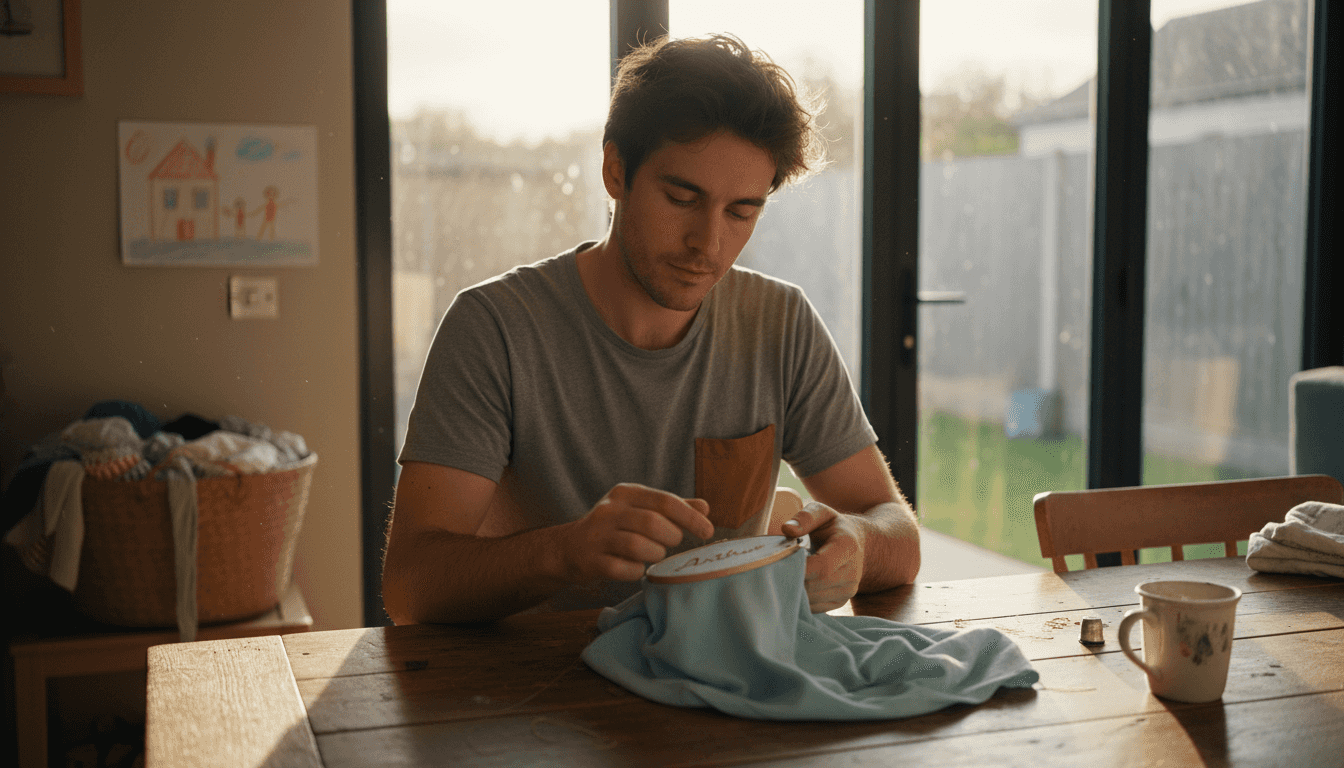
This bespoke approach appeals deeply to thoughtful gift-givers seeking to move beyond conventional gifting. You’re not simply wrapping a present; you’re creating a cherished object that will be rewrapped, reused, and remembered.
Why Parents Choose Them For Special Occasions
Fabric wraps have become particularly popular for milestone moments:
- Newborn gifts: Personalised wraps serve as lasting mementos of a baby’s arrival
- Baby shower gifts: Reusable wraps reflect the values shared between gift-giver and parents
- Toddler birthdays: Beautiful wraps add sophistication whilst teaching children about sustainability
- Christmas and special occasions: Premium fabric alternatives replace disposable paper rituals
Eco parents increasingly view their purchasing decisions as statements about the values they’re instilling in their children. Choosing fabric wraps demonstrates commitment to environmental stewardship whilst maintaining the elegance and thoughtfulness their gifts deserve.
Pro tip: When gifting to expectant parents, embroider the wrap with the baby’s expected birth date or nursery theme colours—this creates immediate emotional connection and turns your gift wrapping into a personalised welcome present that they’ll cherish for years.
Key Types And Personalisation Options
Fabric wraps come in diverse materials and styles, each offering distinct advantages for eco-conscious parents. The variety available means you can select options that align perfectly with your values, aesthetic preferences, and gifting occasions.
Material Choices For Every Parent
The foundation of any fabric wrap is its material composition. Quality matters enormously when selecting a wrap that will be reused countless times across years of gift-giving.
Common fabric types include:
- Organic cotton: Soft, breathable, and naturally durable for frequent reuse
- Hemp fabric: Exceptionally strong and becomes softer with each wash
- Recycled textiles: Transforms post-consumer waste into beautiful, functional wraps
- Linen blends: Premium feel with excellent durability and natural elegance
- Upcycled materials: Unique patterns and textures from reclaimed fabrics
Sustainable fabric options allow you to choose materials aligned with specific environmental commitments. Some parents prefer organic certification, whilst others prioritise recycled content or locally sourced textiles.
Here is a comparison of fabric gift wrap materials and their unique strengths:
| Material Type | Durability | Environmental Benefit | Aesthetic Quality |
|---|---|---|---|
| Organic cotton | Withstands frequent use | Biodegradable, low-impact farming | Soft and natural finish |
| Hemp fabric | Extremely long-lasting | Minimal water, fast growth | Textured, rustic appearance |
| Recycled textiles | Varies, often sturdy | Reduces landfill waste, reuses resources | Unique patterns and colours |
| Linen blends | Excellent over years | Flax uses fewer chemicals | Crisp, elegant look |
| Upcycled materials | Depends on origin | Prevents fabric waste | One-of-a-kind designs |
The material you choose determines not just aesthetics, but how the wrap ages, feels, and performs through decades of gifting moments.
Size And Customisation
Fabric wraps adapt to any gift size through thoughtful design. Rather than one-size-fits-all paper wrapping, fabric solutions offer flexibility that paper cannot match.
Consider selecting wraps in varying dimensions:
- Small wraps (60×60cm) for newborn gifts, jewellery boxes, and intimate presents
- Medium wraps (90×90cm) for standard gift boxes and baby items
- Large wraps (120×120cm) for larger toys, clothing bundles, and multiple gifts
- Extra-large wraps (150×150cm) for prams, furniture, or multiple items
This versatility means a single wrap collection serves your entire gifting needs across years. One wrap replaces dozens of paper purchases.
Personalisation Through Embroidery
Embroidery transforms a beautiful wrap into a treasured heirloom piece. This personalisation option elevates fabric wraps beyond any conventional alternative.
Popular embroidery choices include:
- Child’s name in elegant lettering
- Birth date or expected arrival date
- Nursery initials or monograms
- Meaningful dates or milestones
- Heartfelt messages or blessings
- Decorative motifs and patterns
The embroidered wrap becomes a keepsake parents display, photograph, and cherish long after the gift itself fades from memory.
Traditional Wrapping Techniques
Fabric wraps connect to centuries of sustainable gifting practice. The Japanese Furoshiki method exemplifies this approach—a traditional cloth wrapping technique that transforms fabric into elegant presentation without additional materials.
This method teaches intentionality about gift-giving whilst creating beautiful visual presentations. Many eco parents embrace Furoshiki techniques as part of their sustainability commitment.
Choosing Colours And Patterns
Selecting wrap aesthetics reflects personal style and occasion. Neutrals like soft grey, cream, or natural linen suit formal gifting, whilst vibrant colours and patterns work beautifully for celebrations.
Think about:
- Neutral tones for year-round versatility
- Seasonal patterns for Christmas and special occasions
- Nursery-coordinated colours for baby shower gifts
- Timeless designs that age gracefully
Many parents curate collections with multiple wraps, building a personal library suited to different recipients and moments.
Pro tip: Select a neutral wrap embroidered with the child’s name as your primary wrap—this becomes the keepsake they’ll treasure forever—then add seasonal or patterned wraps for variety without losing the personalised memento quality.
Practical Uses For Newborns And Toddlers
Fabric wraps extend far beyond gift presentation in a child’s early years. For eco-conscious parents, these versatile pieces become essential tools throughout infancy and toddlerhood, serving purposes that single-use disposables cannot match.
Beyond Gift Wrapping
The true value of fabric wraps emerges when you recognise their multipurpose potential. A single wrap becomes dozens of solutions across your child’s first years.
Practical uses include:
- Stroller covers: Shield your pram from sun, rain, and dust whilst maintaining breathability
- Swaddling cloths: Gentle wrapping for newborn comfort and security during sleep
- Burp cloths: Soft, absorbent protection during feeding time
- Reusable cloth wipes: Replace disposable wipes for nappy changes and gentle cleaning
- Nursing covers: Discreet support whilst feeding in public spaces
- Playmats: Portable, washable surface for tummy time or outdoor play
- Blankets: Lightweight layers for pushchairs, car seats, or cot time
Each use eliminates the need for single-use alternatives, reinforcing your commitment to sustainable parenting without sacrificing functionality or comfort.
Baby Carriers And Bonding
Fabric wraps as baby carriers provide safe, comfortable options for carrying newborns and toddlers whilst maintaining close physical contact. Made from organic, breathable fabrics, these wraps offer gentle support whilst enabling hands-free mobility.
The benefits extend beyond convenience. Carrying your baby in fabric wraps fosters bonding whilst allowing you to remain mobile throughout daily life. Your infant feels secure against your body, whilst you maintain practical freedom.
Quality fabric wraps support both physical development and emotional bonding, creating moments of connection that disposable alternatives cannot replicate.
Organic, breathable materials suit delicate baby skin whilst reducing exposure to synthetic chemicals. This matters profoundly during a child’s most vulnerable developmental stage.
Durability Through Early Childhood
Fabric wraps withstand the demands of active parenting. Unlike paper gift wrap or single-use items, these pieces improve with use.
Many parents find their wraps outlast specific developmental phases:
- Newborn stage: swaddling, stroller covers, burp cloths
- Infant months: playmats, nursing covers, travel blankets
- Toddler years: picnic blankets, messy-play protection, comfort items
- Early childhood: art project mats, outdoor adventure wraps
A single wrap purchased for a newborn gift continues serving your family for years. This longevity justifies quality investment whilst reducing overall consumption.
Easy Care And Hygiene
Fabric wraps simplify hygiene routines through simple washing. Machine-washable designs mean you can maintain cleanliness without special equipment or harsh chemicals.
The softness and breathability that make them suitable for delicate skin also mean they dry quickly and age gracefully. Unlike disposables that accumulate in landfills, your wraps become family heirlooms.
Pro tip: Keep one embroidered wrap as a special keepsake whilst using identical plain wraps for daily practical tasks—this protects your personalised memento whilst maximising functionality across all the messy, beautiful moments of early parenthood.
Environmental Impact Versus Disposable Paper
The environmental case for fabric wraps becomes clear when you examine what happens to traditional gift wrap. Most ends up in landfills within days of unwrapping, whilst creating invisible but significant environmental harm throughout its lifecycle.
The Problem With Disposable Paper Wrap
Conventional wrapping paper appears innocent, but it carries hidden environmental costs. Many popular varieties contain components that prevent recycling entirely.
Common problematic elements include:
- Plastic coatings: Glossy finishes contain polyethylene or polypropylene that cannot be recycled with paper
- Glitter and foil: Non-recyclable decorative elements contaminate waste streams
- Bleached pulp: Virgin paper production consumes vast quantities of water and chemicals
- Adhesives and inks: Synthetic materials prevent biodegradation and release toxins
- Packaging waste: Wrapping paper rolls require additional plastic or paper packaging
Disposable paper wraps frequently prevent recycling through plastic coatings and glitter, leading to sizable landfill contributions. A single roll of gift wrap becomes waste within moments of use.
Landfill Impact And Microplastics
The disposal phase creates lasting environmental consequences. Paper wrap with plastic components breaks down into microplastics rather than biodegrading safely.
This matters profoundly because microplastics:
- Persist in soil and water systems for centuries
- Contaminate ecosystems where children play outdoors
- Leach chemicals into groundwater sources
- Accumulate in food chains, reaching your family’s dinner table
Extending textile lifespan through reuse saves natural resources and lowers greenhouse gas emissions—vital for eco parents concerned with their environmental footprint.
Each Christmas season, UK households discard approximately 227,000 tonnes of wrapping paper. Most ends up incinerated or landfilled, creating carbon emissions throughout disposal processes.
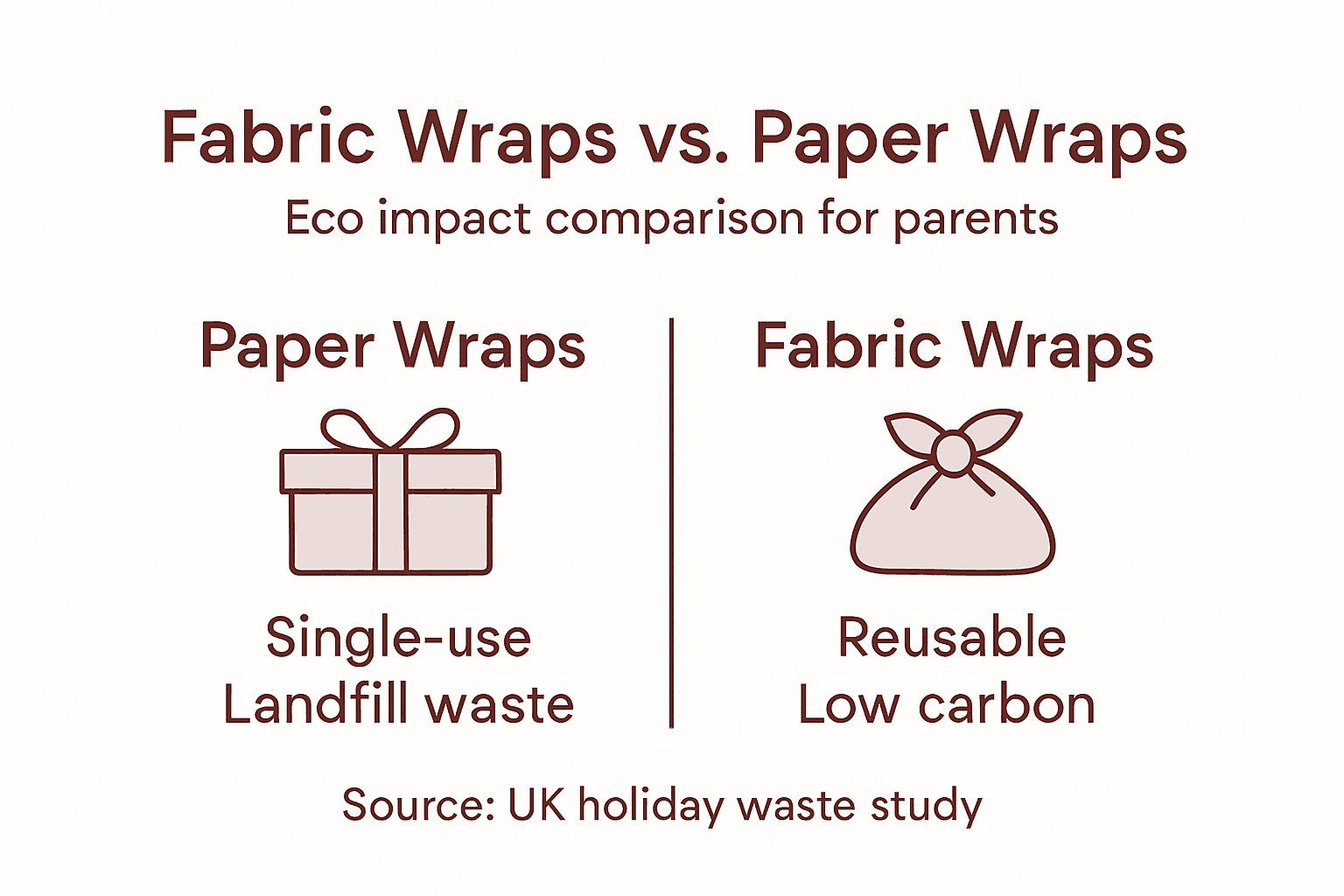
The Fabric Wrap Advantage
Fabric wraps operate within a circular lifecycle rather than the linear take-make-waste model. A single wrap purchased for a newborn gift serves your family for decades.
The environmental benefits compound across years:
- One fabric wrap replaces hundreds of disposable paper purchases
- Biodegradable or fully recyclable materials mean end-of-life responsibility is handled safely
- No plastic coatings or synthetic glitters contaminating landfills
- Lower manufacturing impact through reduced production volume
- Minimal packaging waste compared to rolls of disposable wrap
Carbon Footprint Reduction
The production phase matters enormously when calculating environmental impact. Manufacturing disposable paper wrap requires virgin pulp harvesting, bleaching, coating, and packaging for single uses.
Fabric wraps reduce this burden dramatically. Quality textiles manufacture once but serve countless purposes. The initial carbon cost amortises across years of reuse, becoming negligible per use.
For eco-conscious parents, this calculation proves compelling. Your commitment to one beautiful wrap eliminates decades of wasteful consumption and environmental harm.
Pro tip: Calculate your family’s annual paper wrap waste by checking last year’s bin contents—multiply rolls by weight, then multiply by years your child will receive gifts—you’ll likely find that investing in quality fabric wraps saves money whilst eliminating years of landfill contribution.
Cost, Keepsake Value, And Common Pitfalls
Fabric wraps require a larger upfront investment than disposable paper, yet this initial cost dissolves when you calculate their true value across years of service. Understanding both the financial and emotional benefits—alongside potential challenges—helps you make informed decisions about sustainable gifting.
Understanding The Initial Investment
Quality fabric wraps cost more per item than rolls of wrapping paper. A premium personalised wrap might cost £25-£45, whilst a roll of paper costs £2-£5.
This comparison misleads entirely. The calculation changes dramatically when you examine cost per use:
- Paper wrap: one use, then landfill
- Fabric wrap: 50+ uses across years of gifting
- Cost per use: paper approximately £2-£5; fabric approximately 50p-£1
Over a decade of gift-giving, families typically spend £200-£300 on disposable wrapping paper. A curated collection of three to five quality fabric wraps—totalling £75-£150—eliminates this wasteful cycle entirely.
This summary outlines how the upfront investment in fabric wraps is offset by long-term value:
| Aspect | Disposable Paper Wrap | Fabric Gift Wrap |
|---|---|---|
| Initial cost | £2–£5 per roll | £25–£45 per wrap |
| Uses per item | Single use | 50 or more times |
| Cost over 10 years | £200–£300 total | £75–£150 total |
| Legacy value | None, discarded | Lasting family keepsake |
Keepsake Value Beyond Function
Fabric wraps become cherished keepsakes passed between family and friends, adding meaningfulness that transcends their functional purpose. An embroidered wrap with your child’s name carries emotional resonance that no disposable alternative can replicate.
Parents often preserve these wraps long after their children reach adulthood. The wrap that wrapped a baby’s first gift becomes a treasured memory object, displayed on shelves or carefully stored in memory boxes.
A personalised fabric wrap transforms gift presentation into a lasting memento, creating emotional value that grows richer across generations.
This emotional dimension justifies the investment entirely. You’re not purchasing wrapping; you’re creating family heirlooms.
Common Pitfalls To Navigate
Whilst fabric wraps offer tremendous benefits, potential challenges deserve acknowledgement. Understanding these helps you maximise their value.
Common issues include:
- Staining: Food, wine, or dirt can mark fabric during use or storage
- Cleaning requirements: Wraps need proper washing to maintain appearance and hygiene
- Educating gift recipients: Others may not understand reuse expectations, discarding wraps after unwrapping
- Storage space: Collections require dedicated space to prevent creasing or damage
- Seasonal limitations: Thicker fabrics may prove challenging for small gifts
Preventing And Managing Stains
Stain prevention begins with thoughtful storage and careful unwrapping practices. Store wraps in breathable cotton bags away from direct sunlight rather than plastic containers that trap moisture.
When stains occur, prompt treatment prevents permanent damage. Most organic fabrics respond well to gentle hand washing with cool water and mild detergent, followed by air drying.
Accept that wraps will show character over time. Minor marks and gentle fading become part of their story, evidence of years of cherished gift-giving moments.
Setting Expectations Around Reuse
The environmental benefits depend entirely on recipients understanding and honouring reuse expectations. When gifting wrapped in fabric, briefly explain that the wrap itself is a reusable memento.
Simple communication transforms behaviour:
- Include a small tag explaining the wrap’s purpose
- Demonstrate how beautiful it looks when carefully folded
- Suggest it becomes a keepsake or gift wrap for their own family
- Emphasise the environmental benefit of reuse
Most eco-conscious families embrace this concept enthusiastically once they understand it. The wrap itself becomes part of the gift experience.
Pro tip: When gifting to those unfamiliar with fabric wraps, include a handwritten note explaining the wrap is a reusable keepsake—not single-use packaging—and suggest they either reuse it or display it as a cherished memento of the gifting moment.
Embrace Sustainable Gifting with Personalised Fabric Wraps
Eco-conscious parents face the challenge of balancing thoughtful gift-giving with reducing waste. Fabric wraps offer a lasting, beautiful alternative to disposable paper that often ends up in landfill before the baby even arrives. By choosing personalised wraps embroidered with meaningful details, you transform simple packaging into a treasured family heirloom that celebrates every newborn milestone.
Discover our Newborn Essentials and explore how reusable fabric wraps can enhance your gift-giving rituals while honouring sustainability.
Choose to make a meaningful difference today with our 2026 Newborn and Toddler range at Nicholas & Rose. Start building your personalised collection that grows with your family and reduces waste for years to come.
Frequently Asked Questions
What are the environmental benefits of using fabric wraps over traditional wrapping paper?
Fabric wraps are made from organic or recycled textiles, are biodegradable or fully recyclable, and eliminate the use of plastic coatings and glitter found in conventional wraps. They significantly reduce landfill waste as they can be reused dozens of times, reducing the overall carbon footprint.
How can I personalise a fabric wrap for a gift?
Fabric wraps can be personalised through embroidery. Common options include adding the child’s name, birth date, or a meaningful message. This transforms the wrap into a cherished heirloom that carries sentimental value.
What materials are commonly used for fabric wraps, and what are their benefits?
Common materials include organic cotton, hemp fabric, recycled textiles, linen blends, and upcycled materials. These fabrics are durable, eco-friendly, and aesthetically pleasing, with each offering unique strengths for repeated use over the years.
How can fabric wraps be used beyond just gift wrapping?
Fabric wraps have multiple uses, such as stroller covers, swaddling cloths, burp cloths, reusable cloth wipes, nursing covers, playmats, and lightweight blankets. Their versatility makes them a practical addition to parenting tools, maximizing their utility beyond gift presentation.
Recommended
- 7 Top Benefits of Fabric Gift Wrap for Eco Parents – Nicholas & Rose Limited
- Reusable Wraps in Sustainability: Lasting Impact – Nicholas & Rose Limited
- Why Invest in Reusable Wrap for Eco Gifting – Nicholas & Rose Limited
- 7 Steps to a Gift Wrap Sustainability Checklist for Parents – Nicholas & Rose Limited
- What Is Sustainable Streetwear and Why It Matters – BlackWisp.Studio
- 7 Essential Vintage Fabric Types for Sustainable Style
- Bamboo Fabric vs Cotton: Comfort, Health, Sustainability – SLY Collective Underwear