

Wrapping workflow for eco gifts: 2026 guide
TL;DR:
- A wrapping workflow for eco gifts is a structured system utilizing reusable materials and tape-free closures to minimize waste. It involves organized zones, pre-cut materials, and techniques like Furoshiki to create beautiful, sustainable gift presentations. This approach enhances emotional impact, encourages mindful giving, and transforms wrapping into an integral part of the gift.
A wrapping workflow for eco gifts is defined as a structured, repeatable process using reusable materials, tape-free closures, and organised assembly to present gifts beautifully without generating waste. For newborn and baby shower gifts especially, this matters deeply. Wrapping paper is often torn away and discarded before the baby has even arrived, leaving nothing behind but a bin full of foil and glitter. Reusable fabric gift wrap, by contrast, becomes part of the gift itself, a keepsake as tender and lasting as the present it holds. This guide walks you through every step, from choosing your materials to folding the final knot.
What is a wrapping workflow for eco gifts?
A wrapping workflow for eco gifts is not simply swapping paper for fabric. It is a considered system: the right materials, organised in the right order, applied with consistent technique. The result is a gift that looks refined, feels intentional, and leaves no trace of waste.
The standard industry term for this approach is sustainable gift presentation, and it encompasses everything from the wrap itself to how you secure, label, and store your materials between uses. For baby shower and newborn gifts, the stakes feel higher. You want the presentation to match the emotion of the occasion, and you want it to last long after the ribbon is untied.
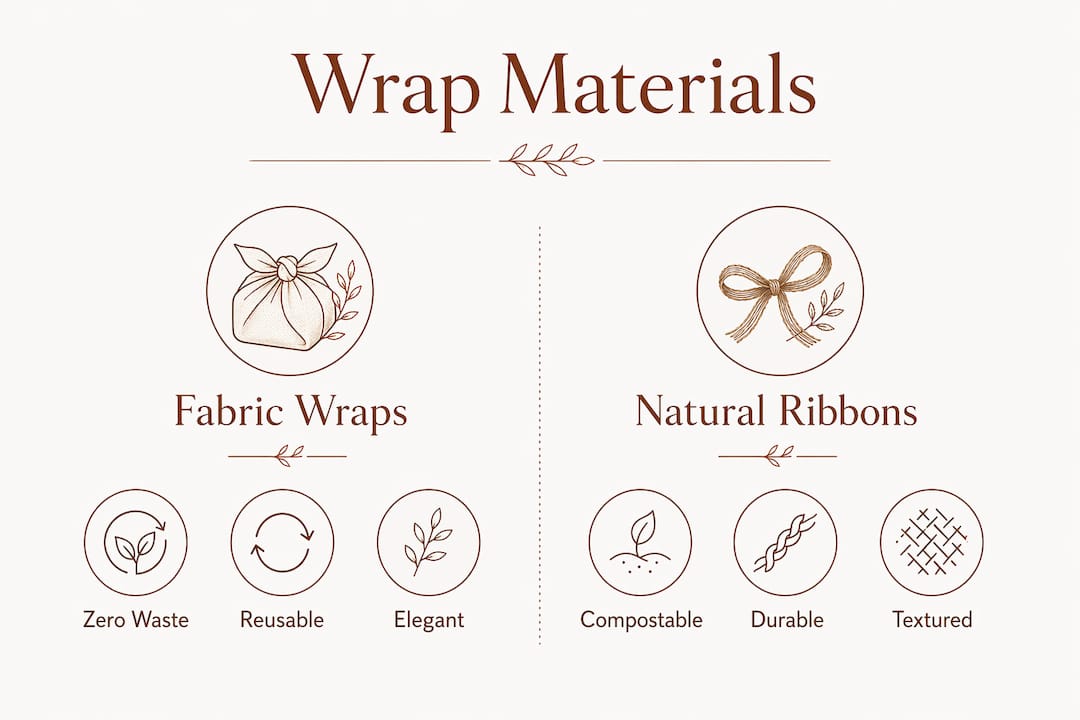
The core tools in any eco wrapping system include reusable fabric wraps, natural ribbons such as cotton twine or jute, kraft paper for secondary packaging, and mechanical closure methods that replace adhesive tape entirely. Nicholasandrose specialises in precisely this: bespoke, embroidered fabric wraps that transform the act of giving into a ritual worth remembering.
What materials do you need for sustainable gift wrapping?
The right materials are the foundation of any green wrapping technique. Choose poorly and you will find yourself reaching for tape or struggling with fabric that will not hold its shape. Choose well and the wrapping process becomes as pleasurable as the gifting itself.
A list of sustainable gift wraps by type
| Material | Eco Benefit | Reuse Potential | Aesthetic Quality |
|---|---|---|---|
| Reusable fabric wrap | Zero waste, washable | High (years of use) | Luxurious, tactile, personal |
| Kraft paper | Recyclable, biodegradable | Low (single use) | Warm, artisan, natural |
| Seeded paper bands | Plantable after use | None (by design) | Charming, nature-inspired |
| Cotton twine / jute | Fully compostable | Medium | Rustic, elegant |
| Raffia ribbon | Biodegradable | Medium | Soft, organic, refined |
Natural ribbons such as cotton, jute twine, and raffia replace conventional plastic ribbons entirely and biodegrade without trace. They also complement the warm, unhurried aesthetic that eco wrapping is known for.
Kraft paper is recyclable, biodegradable, and can be personalised with hand-drawn motifs or natural adornments such as rosemary sprigs and dried flowers, adding artisan quality at no environmental cost.
- Fabric wraps in cotton, linen, or muslin: the most reusable option, and the most beautiful
- Pre-cut kraft paper sheets: faster to use than rolls and reduce off-cut waste
- Seeded paper gift tags: the recipient plants them after opening
- Mechanical closure tools: bone folders, scoring boards, and pre-folded tab systems that eliminate tape entirely
- Natural twine dispensers: keep jute or cotton ribbon tidy and ready to cut
Mechanical closure systems such as folds, slots, and tabs eliminate plastic tape entirely, making the finished package fully recyclable and faster to assemble. That speed matters when you are wrapping a batch of baby shower gifts the evening before the party.
Pro Tip: Pre-cut your fabric squares and kraft paper sheets in advance, grouping them by gift size. This single step reduces your wrapping time significantly and keeps your workspace calm and ordered.
How do you set up an organised eco wrapping workflow?
Organisation is what separates a beautiful result from a frustrating one. Separating your workflow into distinct zones for picking, wrapping, and packing reduces confusion and maintains consistent quality across every gift you prepare. This principle applies whether you are wrapping three baby shower gifts or thirty.
Here is a numbered sequence to establish your workspace:
- Designate three physical zones. One surface for unwrapped gifts and materials, one for active wrapping, and one for completed, finished gifts. Never mix them.
- Label your storage by category. Use clearly marked bins or baskets: one for fabric wraps, one for paper, one for ribbons and twine, one for tags and embellishments. You will reach for the right thing without searching.
- Batch by gift size. Group small, medium, and large gifts together and wrap each size in sequence. Switching between sizes mid-session wastes time and disrupts your rhythm.
- Create a visual standard. Photograph one perfectly finished wrap from three angles and keep it visible at your station. A photographic reference prevents variability and serves as your quality benchmark for every subsequent gift.
- Set up a quality check point. Before a gift moves to the finished zone, hold it against your standard photograph. Check the knot, the drape of the fabric, and the placement of the tag.
For larger quantities, modular assembly stations dedicated to specific tasks such as folding, filling, ribbon tying, and quality checking prevent bottlenecks and maintain speed without sacrificing presentation. This approach is particularly useful for baby shower hosts preparing multiple gifts, or for small businesses offering gift wrapping as a service.
Pro Tip: Keep a small tray of embellishments at your ribbon station: dried lavender, a sprig of eucalyptus, or a hand-stamped tag. Adding one natural detail takes seconds and transforms a wrapped gift into something genuinely memorable.
How do you wrap a newborn gift using reusable fabric?
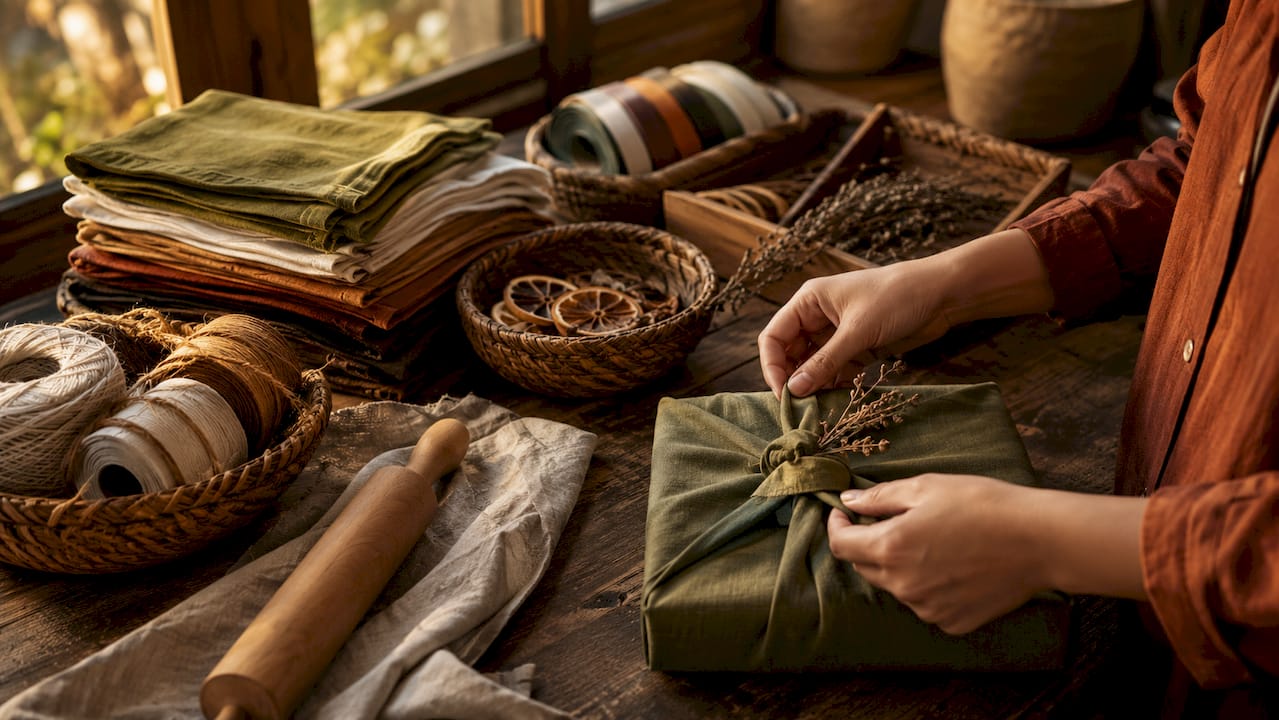
The Japanese Furoshiki method wraps gifts elegantly using squares of fabric and knots, making the wrap itself a reusable, beautiful part of the present. The recipient gains both the gift and the wrapping, which means nothing is discarded. For a newborn gift, this is particularly poignant: the fabric wrap can later become a keepsake cloth, a play mat, or a decorative piece in the nursery.
Follow this sequence for a classic Furoshiki-style wrap:
- Measure your fabric. Lay the gift in the centre of the fabric square. The fabric should extend at least twice the length of the gift on each side to allow for generous folds and a secure knot.
- Position the gift diagonally. Place it at a 45-degree angle to the fabric square, centred precisely.
- Fold the nearest corner up and over the gift. Tuck it snugly beneath the far edge of the gift.
- Bring the opposite corner up and over. Smooth the fabric as you go to avoid creasing.
- Gather the two remaining corners. Bring them up to meet above the gift and tie them in a single, firm knot. For a more refined finish, tie a double knot or a simple bow.
- Adjust the drape. Smooth the fabric panels so they fall evenly, and arrange the knot so it sits centred and upright.
For the personalised touches that make a newborn gift truly special:
- Tuck a sprig of dried lavender or a small rosemary branch beneath the knot
- Attach a seed paper tag with the baby’s name or birth date written by hand
- Choose a fabric wrap embroidered with the child’s name, as Nicholasandrose offers in its 2026 newborn and toddler range
- Loop a length of cotton twine through the tag and tie it alongside the fabric knot for a layered, considered finish
Common challenges and how to resolve them:
- Fabric slipping during folding: Use a non-slip surface such as a folded towel beneath the gift while you work.
- Knot sitting off-centre: Re-gather the corners before tying and hold them level above the gift.
- Fabric too small for the gift: Use two overlapping squares and tie them together at the centre for a layered effect.
Pro Tip: For oddly shaped newborn gifts such as soft toys or gift sets in irregular boxes, the Furoshiki method adapts beautifully. Simply gather all four corners upward and tie them in a single topknot for a gathered, bouquet-like finish.
Eco wrapping vs traditional wrapping: which is better?
The comparison is not simply environmental. It is aesthetic, emotional, and practical.
| Factor | Traditional Wrapping | Eco Fabric Wrapping |
|---|---|---|
| Waste generated | High (paper, tape, foil) | None (fully reusable) |
| Recyclability | Low (glitter, foil not recyclable) | High (fabric washed and reused) |
| Cost over time | Recurring annual spend | One-time investment |
| Aesthetic appeal | Familiar, disposable | Refined, tactile, memorable |
| Personalisation | Limited | High (embroidery, natural tags) |
| Unboxing experience | Brief, discarded | Lasting, becomes part of gift |
Reusable fabric wraps perform better in unboxing content, attracting premium buyers and generating stronger engagement on social media. For a baby shower gift shared on social media by the recipient, the presentation matters as much as the present inside.
The social dimension of eco wrapping is often overlooked. When a guest receives a beautifully wrapped newborn gift in embroidered fabric, they are not simply unwrapping a present. They are receiving an object with a story, a piece of craft that encourages them to think differently about how they give in future. That ripple effect is the quiet power of sustainable gift wrapping done well.
For a deeper look at how to build your eco wrapping system from the ground up, Nicholasandrose has published a practical guide specifically for parents and gift givers navigating this shift.
Key takeaways
A well-organised wrapping workflow for eco gifts, built on reusable fabric, tape-free closures, and zoned assembly, produces consistently beautiful results while eliminating waste entirely.
| Point | Details |
|---|---|
| Define your system first | Treat eco wrapping as a repeatable workflow, not a one-off creative task. |
| Choose materials by reuse potential | Fabric wraps outlast kraft paper and deliver a richer unboxing experience. |
| Zone your workspace | Separate picking, wrapping, and packing areas to maintain quality and speed. |
| Use Furoshiki for newborn gifts | The knot-and-fold method requires no tape and transforms the wrap into a keepsake. |
| Personalise with natural details | Embroidered names, seed paper tags, and natural sprigs add lasting meaning at minimal cost. |
Why i believe eco wrapping is the future of thoughtful gifting
Helen’s perspective
I have watched the gifting conversation shift considerably over the past few years, but what strikes me most is how slowly the wrapping conversation has followed. People will spend considerable thought choosing an organic baby gift, then wrap it in foil paper that goes straight into the bin. The disconnect is real, and it matters.
What I have found, both personally and in speaking with gift givers, is that the barrier is rarely conviction. Most people want to wrap sustainably. The barrier is confidence: not knowing where to start, or worrying that eco wrapping will look less polished than conventional paper. That concern dissolves the moment you hold a well-folded fabric wrap in your hands. The drape, the weight, the texture of quality cotton or linen is simply more beautiful than anything you can buy on a roll.
The Furoshiki method in particular has changed how I think about gifting entirely. The wrap is not packaging. It is part of the present. For a newborn gift, that reframing is especially powerful. The fabric can be kept, used, and loved long after the gift inside has been outgrown. That is the kind of thoughtfulness that stays with people.
The future of this space lies in personalisation. An embroidered name, a birth date, a small motif chosen with care: these details transform a practical object into something heirloom-worthy. Nicholasandrose has understood this from the beginning, and the 2026 newborn range reflects exactly that vision.
— Helen
Discover Nicholasandrose reusable fabric gift wraps
If you are ready to bring your eco wrapping practice to life with something truly special, Nicholasandrose offers a collection of premium reusable fabric wraps designed with newborn and baby shower gifts in mind.
The Woodland Rabbit Duck Egg wrap is a particular favourite: a luminous, nature-inspired design in soft duck egg blue, crafted for the Furoshiki folding method and available with personalised embroidery. It arrives ready to wrap, ready to treasure, and ready to be used again and again. For reusable gift wrap tips that help you style your wrap beautifully for every occasion, the Nicholasandrose blog is a considered and inspiring resource.
FAQ
What is a wrapping workflow for eco gifts?
A wrapping workflow for eco gifts is a structured process using reusable materials, tape-free closures, and organised assembly zones to wrap gifts consistently and without generating waste. It replaces ad hoc wrapping with a repeatable, refined system.
What is the furoshiki method and is it suitable for baby gifts?
The Furoshiki method is a Japanese fabric-wrapping technique using square cloth and knots instead of tape or paper. It is ideal for baby and newborn gifts because the fabric wrap becomes a reusable keepsake rather than discarded packaging.
Can eco gift wrapping look as polished as traditional wrapping?
Reusable fabric wraps consistently outperform traditional paper in visual appeal, particularly in unboxing content, attracting premium buyers and generating stronger engagement. With the right technique and natural embellishments, the result is more refined, not less.
What natural ribbons work best for zero waste wrapping?
Cotton twine, jute, and raffia are the strongest choices for zero waste wrapping. All three are fully compostable, complement the aesthetic of fabric or kraft paper wrapping, and are widely available in natural tones that suit newborn and baby shower gifts beautifully.
How do i keep my eco wrapping consistent across multiple gifts?
Photograph one finished wrap from multiple angles and use it as your visual standard throughout the session. Zoning your workspace into picking, wrapping, and packing areas further maintains consistency and prevents errors when preparing several gifts at once.
Recommended
- Eco gift wrapping workflow: Sustainable steps for parents – Nicholas & Rose Limited
- Luxury Christmas Wrapping Tutorial for Eco-Conscious Gifts – Nicholas & Rose Limited
- Christmas Eco Wrapping Steps for Elegant Sustainable Gifts – Nicholas & Rose Limited
- How to embellish gift wraps sustainably: 2026 guide – Nicholas & Rose Limited