

Artisan Gift Wrap: Elevating Sustainable Gifting Trends
Choosing the perfect Christmas gift wrap often means weighing meaningful presentation against environmental concerns. Luxury consumers across the United Kingdom are seeking more than just elegant packaging—they desire options that combine aesthetic artistry with sustainable values. Explore the world of artisan fabric gift wrap, where personalisation, reuse, and craftsmanship come together to redefine festive gifting in a beautifully responsible way.
Table of Contents
- Defining Artisan Gift Wrap And Its Legacy
- Types Of Artisan Gift Wrap For Christmas
- Personalisation Through Embroidery And Materials
- Eco-Friendly Impact Compared To Traditional Wraps
- Costs, Care, And Common Mistakes To Avoid
Key Takeaways
| Point | Details |
|---|---|
| Artisan Gift Wrap Significance | Artisan gift wrap combines cultural craftsmanship with sustainability, enhancing the emotional value of gifts through reusable materials. |
| Types of Artisan Wraps | Popular artisan Christmas gift wrap includes fabric-based options, recycled paper designs, and personalised textiles, each promoting eco-friendliness. |
| Environmental Benefits | Artisan wraps significantly reduce waste compared to traditional paper, offering a more sustainable gifting approach that celebrates creativity. |
| Investment and Care | While artisan wraps may have higher upfront costs, their long-term reuse potential makes them economically and environmentally advantageous. |
Defining Artisan Gift Wrap And Its Legacy
Artisan gift wrap represents a sophisticated and environmentally conscious approach to presenting gifts, rooted in centuries of cultural craftsmanship. Traditional wrapping techniques reveal a rich legacy of textile artistry that transcends mere packaging, transforming gift-giving into a meaningful cultural exchange.
Originating from ancient Asian traditions like Japanese Furoshiki and Korean Bojagi, artisan gift wrap embodies principles of sustainability, respect, and aesthetic elegance. These traditional cloth wrapping methods use carefully selected textiles that can be reused multiple times, representing a profound commitment to reducing waste. Fabric gift wrapping techniques serve not just as decorative elements, but as communicative emblems that enhance the emotional value of the gift itself.
Modern artisan gift wrap continues this legacy by combining traditional craftsmanship with contemporary sustainable design principles. By utilising high-quality, reusable fabrics and intricate embroidery techniques, artisan gift wrap celebrates both cultural heritage and environmental responsibility. The practice transforms gift-giving from a disposable transaction into a meaningful, eco-conscious ritual that honours both the recipient and the broader ecological context.
Expert Tip: When selecting artisan gift wrap, prioritise natural fabrics like organic cotton or linen that can be laundered and reused multiple times, maximising both aesthetic appeal and environmental sustainability.
Types Of Artisan Gift Wrap For Christmas
The world of artisan Christmas gift wrap offers a stunning array of eco-friendly and aesthetically pleasing options that transform the traditional gifting experience. Creative Christmas wrapping techniques showcase innovative approaches that blend sustainability with festive elegance, providing discerning gift-givers with multiple environmentally conscious choices.
Fabric-based artisan gift wraps represent a particularly sophisticated category, drawing inspiration from traditional Asian wrapping styles. These include luxurious options such as silk, organic cotton, and linen wraps in rich festive colours, adorned with delicate embroidery or hand-printed designs. Sustainable gift wrapping materials also encompass creative alternatives like vintage music sheets, recycled kraft paper, and natural embellishments including pinecones, dried orange slices, and rustic twine, each adding a unique personal touch to Christmas presentations.
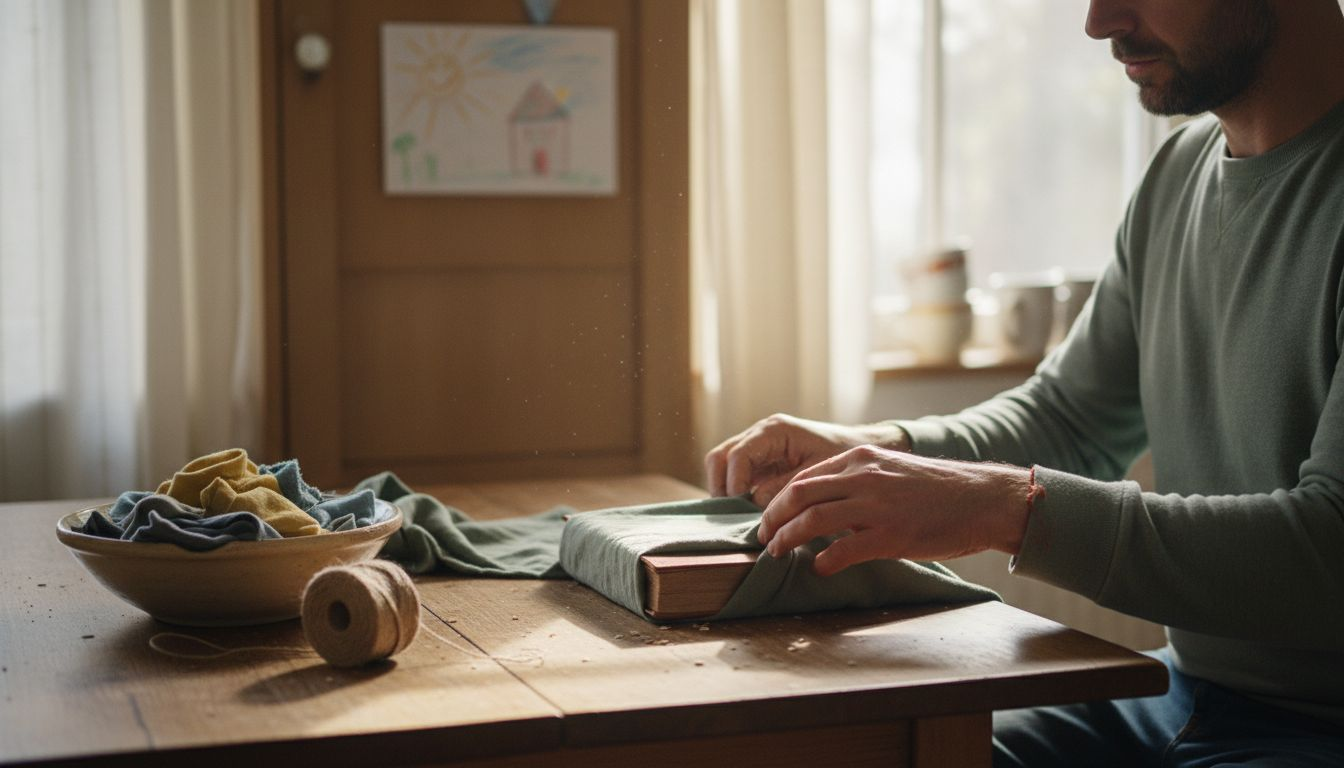
The most compelling artisan gift wrap styles for Christmas typically fall into distinct categories: natural fabric wraps, recycled paper designs, and personalised textile options. These might include rustic burlap wraps with woodland-inspired prints, vintage music sheet coverings for the nostalgic recipient, or hand-embroidered silk wraps featuring festive motifs. Each style offers a meaningful alternative to disposable wrapping paper, transforming the act of gift-giving into an environmentally responsible and aesthetically pleasing ritual.
Expert Tip: Mix and match different sustainable wrapping materials, combining fabric wraps with natural embellishments like cinnamon sticks or dried citrus to create a truly unique and memorable Christmas gift presentation.
Here’s a summary of major artisan Christmas gift wrap categories and their key attributes:
| Wrap Type | Material Examples | Unique Features | Sustainability Level |
|---|---|---|---|
| Natural Fabric Wraps | Silk, cotton, linen | Reusable, elegant, embroidered | Highly sustainable |
| Recycled Paper Designs | Kraft paper, music sheets | Nostalgic, custom prints | Moderately sustainable |
| Personalised Textiles | Embroidered linen, silk | Custom messages, motifs | Highly sustainable |
Personalisation Through Embroidery And Materials
Personalisation transforms artisan gift wrap from a simple covering into a meaningful, cherished experience that speaks directly to the recipient’s heart. Embroidery techniques for handmade gifts offer an extraordinary method of creating deeply personal and emotionally resonant gift presentations that transcend traditional wrapping approaches.
The art of personalisation involves selecting materials and embellishment techniques that reflect individual stories and connections. High-quality substrates like organic linen, soft cotton, and delicate silk provide excellent canvases for intricate embroidery designs. Techniques range from machine-rendered monograms to hand-stitched custom motifs, allowing gift-givers to incorporate meaningful symbols, initials, significant dates, or even reproduced handwritten messages that transform the wrap itself into a treasured keepsake.
Modern artisan gift wrap personalisation celebrates both craftsmanship and emotional storytelling. By carefully selecting materials and embroidery styles, creators can craft wrapping that communicates thoughtfulness through every carefully placed stitch. Whether utilising traditional hand embroidery methods or sophisticated machine techniques, the goal remains consistent: to create a gift presentation that feels intimately connected to its recipient, elevating the entire gifting experience beyond mere aesthetic pleasure.
Expert Tip: Select embroidery threads that complement the fabric’s texture and colour palette, ensuring the personalised design feels harmonious and intentionally crafted.
Eco-Friendly Impact Compared To Traditional Wraps
Traditional gift wrapping practices have long been a significant environmental challenge, generating substantial waste and consuming considerable resources. Eco-friendly gift wrapping alternatives represent a transformative approach that dramatically reduces the ecological footprint associated with festive gift presentations.
The environmental impact comparison between traditional and artisan gift wraps reveals stark differences. Conventional wrapping paper typically contains non-recyclable elements like plastic coatings, glitter, and metallic treatments that render them unrecyclable and destined for landfill. In contrast, sustainable gift wrapping materials such as reusable fabric wraps, recycled papers, and natural decorative elements significantly minimise waste generation. A single fabric wrap can replace dozens of single-use paper wrappings, creating a substantial reduction in annual waste production and resource consumption.
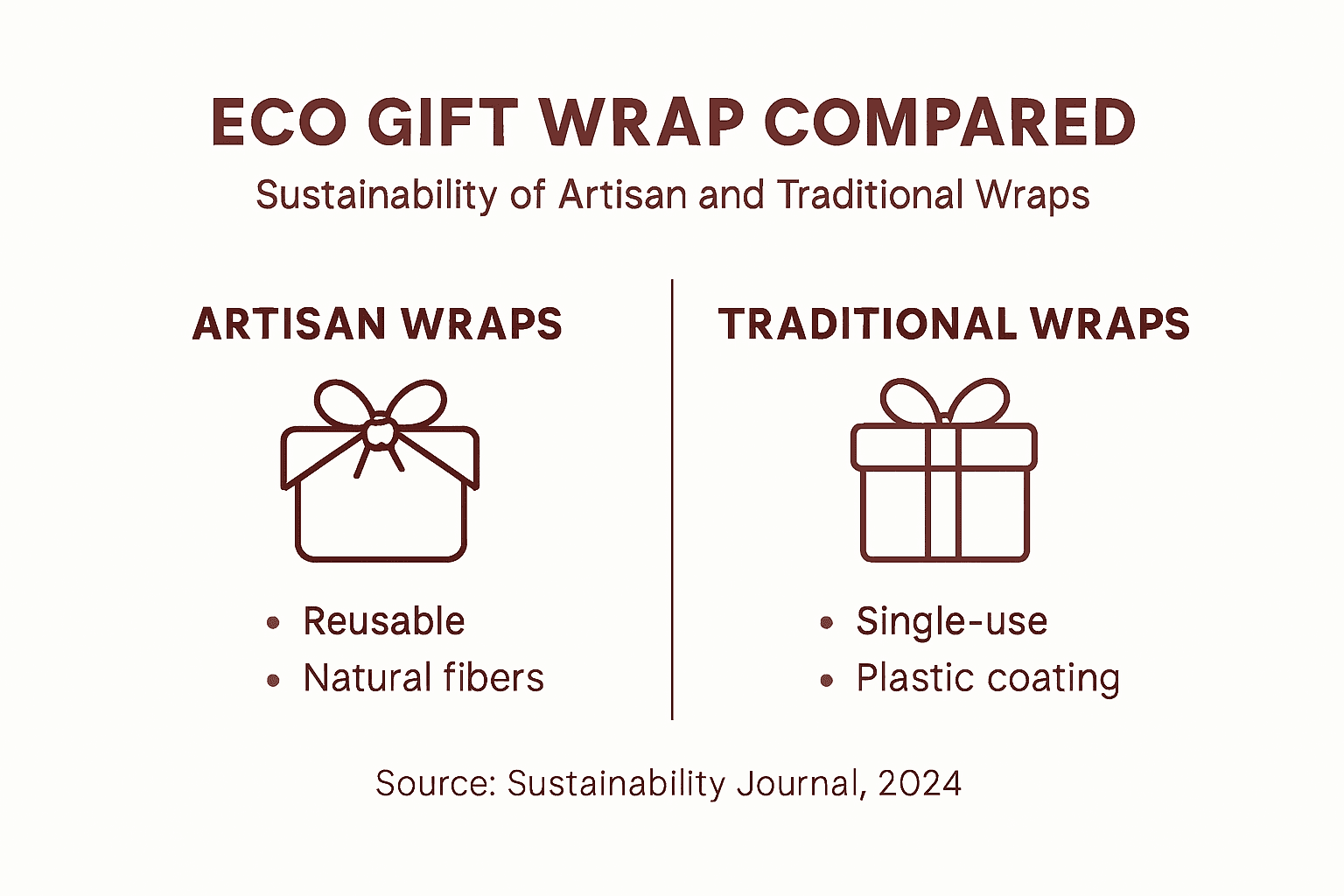
Statistically, artisan gift wraps demonstrate remarkable environmental advantages. Reusable fabric wraps like Japanese Furoshiki can be used multiple times, potentially eliminating hundreds of disposable paper wrappings over their lifecycle. These sustainable alternatives not only reduce waste but also provide aesthetic elegance, transforming gift-giving from a potentially environmentally harmful practice into a conscious, responsible experience that celebrates both creativity and ecological mindfulness.
Expert Tip: Calculate the potential waste reduction by choosing reusable fabric wraps, and consider gifting these eco-friendly wraps as part of your present to multiply the sustainable impact.
Compare the typical environmental impact of wrapping options:
| Wrapping Method | Waste Generated Per Year | Reusability Potential | Ecological Footprint |
|---|---|---|---|
| Traditional Paper Wrap | 30kg per household | Single-use, not recyclable | Very high |
| Fabric Artisan Wrap | Negligible (multi-use) | Can last for years | Very low |
| Recycled Paper/Decor | Reduced (5-10kg) | Some reusability, compostable | Moderate |
Costs, Care, And Common Mistakes To Avoid
Artisan gift wrap requires thoughtful investment and strategic approach to ensure long-term value and aesthetic appeal. Gift wrapping cost considerations reveal that while initial expenses might seem higher, the sustainable benefits significantly outweigh traditional disposable wrapping methods.
Understanding proper care techniques is crucial for maintaining the quality and longevity of artisan gift wraps. Gentle washing, careful storage, and mindful handling can extend the life of fabric wraps dramatically. Common mistakes include using harsh detergents, incorrect storage techniques, and neglecting fabric-specific care instructions. Delicate embroidered wraps require particular attention, with recommendations including hand washing in cool water, avoiding direct sunlight during drying, and storing in breathable fabric bags to prevent moisture and potential fabric degradation.
Cost management strategies for artisan gift wraps involve looking beyond immediate price points and considering long-term value. While a single fabric wrap might cost more than disposable paper, its ability to be reused dozens of times makes it a more economical and environmentally responsible choice. Smart consumers evaluate wrap quality through factors like fabric weight, embroidery craftsmanship, and potential customisation options that enhance the wrap’s versatility and personal significance.
Expert Tip: Invest in neutral-coloured, high-quality fabric wraps that can be accessorised with seasonal decorative elements, maximising their versatility and cost-effectiveness.
Elevate Your Gift Giving With Sustainable Artisan Wraps
The challenge many face is finding gift wrap that is both beautiful and environmentally responsible. Traditional wrapping often leads to waste and disappointment after a single use. This is where artisan, reusable fabric gift wrap excels by combining elegance with sustainability. The article highlights how personalised embroidery and high-quality natural fabrics turn wrapping into a meaningful and lasting part of the gift experience.
Discover our Reusable Fabric Wrap - Luxurious Christmas Collection curated for discerning gifters who desire eco-friendly solutions that do not compromise on style or sentiment.
Transform your presents into cherished keepsakes with personalised artisan gift wraps that respect the planet and celebrate unique stories. Visit Nicholas & Rose Limited today and explore how you can make a lasting impression this Christmas with our bespoke options. Act now to embrace sustainable gifting that honours both your loved ones and the environment.
Frequently Asked Questions
What is artisan gift wrap?
Artisan gift wrap is a sustainable approach to presenting gifts that combines traditional craftsmanship with modern eco-friendly design. It often uses reusable fabrics, reducing waste and enhancing the gift-giving experience.
How does artisan gift wrap compare to traditional wrapping paper?
Unlike traditional wrapping paper, which is often single-use and non-recyclable, artisan gift wrap is made from natural materials that can be reused multiple times. This significantly reduces waste and offers an environmentally responsible alternative.
What types of materials are commonly used in artisan gift wrap?
Common materials for artisan gift wrap include organic cotton, silk, linen, and recycled paper. These materials not only promote sustainability but also add an elegant touch to the gift presentation.
How can I personalise artisan gift wrap for a special occasion?
You can personalise artisan gift wrap by using embroidery techniques to add names, initials, or meaningful designs. Selecting fabrics and embellishments that reflect the recipient’s style can also enhance the personal touch.
Recommended
- Gift Wrap Etiquette: Sustainable Luxury for 2025 – Nicholas & Rose Limited
- Eco Conscious Gift Wrapping Explained: Sustainable Luxury – Nicholas & Rose Limited
- Designer Gift Wrap: Stylish, Sustainable Christmas Impact – Nicholas & Rose Limited
- Sustainable Gift Wrap Choices: Eco-Luxury for 2025 – Nicholas & Rose Limited
- 7 Best Gift Ideas for Hosts Every Party Guest Should Know - DressMeUpNY
- Conscious Fashion Meaning: Aligning Style With Purpose – ELEDOasis
- 7 Key Advantages of Personalized Art Gifts Explained