

Circular Economy Gift Wrap: Style Meets Sustainability
Choosing the perfect gift often leads to disappointment when beautiful wrapping turns into unnecessary waste. For British luxury shoppers who value sustainability and elegant presentation, circular economy gift wrap offers a refreshing alternative to single-use paper and landfill-bound ribbons. This approach redefines wrapping as an artful, reusable part of the gift, blending ecological responsibility with personal style. Discover how innovative materials and personalised options elevate both gifting and environmental principles for a more mindful Christmas 2025.
Table of Contents
- Defining Circular Economy Gift Wrap Principles
- Variations: Reusable Fabrics, Personalisation, and More
- How the Circular Model Reduces Christmas Waste
- Key Benefits for Eco-Conscious Gift Givers
- Comparing Circular Economy and Traditional Wrapping
Key Takeaways
| Point | Details |
|---|---|
| Embrace Sustainable Materials | Utilise organic fabrics, recycled papers, and biodegradable options to minimise environmental impact in gift wrapping. |
| Prioritise Reusability | Select gift wrap that can be reused across multiple occasions to reduce waste and promote sustainability. |
| Incorporate Personalisation | Customise reusable gift wraps to enhance the gifting experience while aligning with eco-conscious principles. |
| Transform Waste into Resources | Adopt strategies that support material recovery and recycling, reducing the burden of Christmas waste on landfills. |
Defining Circular Economy Gift Wrap Principles
Circular economy gift wrap represents a sophisticated approach to sustainable packaging that transcends traditional single-use wrapping methods. By reimagining gift presentation through an environmentally conscious lens, this innovative concept transforms how we perceive packaging’s lifecycle. Sustainable packaging design fundamentally challenges conventional disposable wrapping practices by introducing principles of reusability, material efficiency, and ecological responsibility.
The core principles of circular economy gift wrap centre on three critical strategies: material selection, design for longevity, and end-of-life recyclability. Sustainable materials such as organic fabrics, recycled paper, and biodegradable alternatives replace conventional petroleum-based wrapping papers. These materials are carefully chosen to minimise environmental impact while maintaining aesthetic appeal. Circular economy systems prioritise resource retention, ensuring that each piece of gift wrap can be reused, repurposed, or safely returned to natural cycles without generating waste.
Key characteristics of circular economy gift wrap include modular design, multipurpose functionality, and minimal environmental footprint. Designers focus on creating wrap solutions that can be easily cleaned, stored, and redeployed across multiple gift-giving occasions. This approach dramatically reduces the estimated 227,000 miles of wrapping paper discarded annually in the United Kingdom, transforming a traditionally wasteful practice into an elegant, sustainable ritual.
Pro tip: When selecting circular economy gift wrap, prioritise versatile designs that can be reused across different celebrations and gift sizes to maximise sustainability and reduce long-term environmental impact.
Variations: Reusable Fabrics, Personalisation, and More
Reusable fabric gift wraps represent a revolutionary approach to sustainable gifting, drawing inspiration from traditional techniques while embracing modern design principles. Innovative fabric wrapping techniques transform gift presentation by introducing multi-functional textiles that extend far beyond traditional single-use paper wrappings. These elegant solutions blend Japanese Furoshiki traditions with contemporary sustainable design, creating wraps that can seamlessly transition from gift covering to fashion accessories, home decor, or practical tote bags.
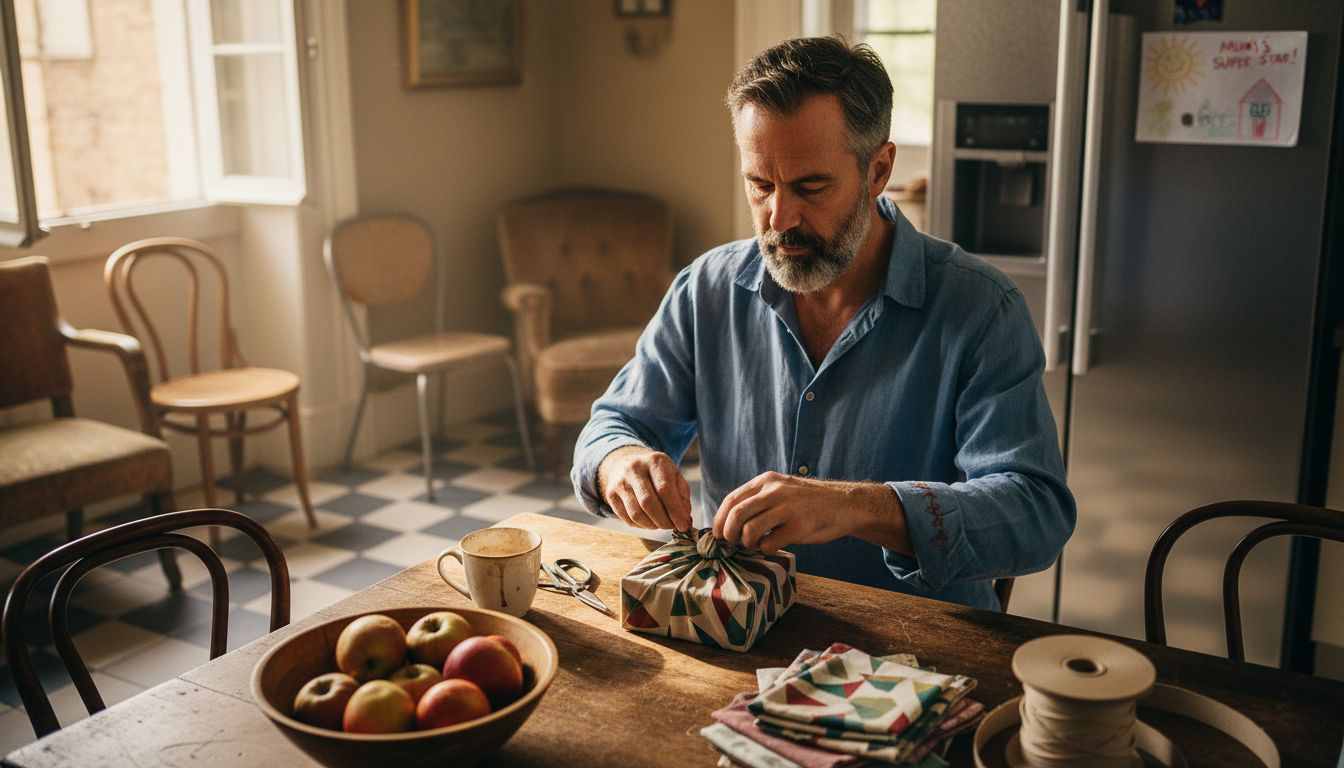
The world of personalised reusable gift wrap offers an extraordinary range of customisation options. Crafters and designers now produce wraps in diverse organic materials like cotton, linen, and recycled fabrics, each offering unique textures and aesthetic possibilities. Sustainable fabric wrap designs enable individuals to select patterns, sizes, and styles that reflect personal taste while supporting environmental responsibility. This approach transforms gift wrapping from a disposable practice into a meaningful, reusable art form that celebrates both creativity and ecological consciousness.
Personalisation techniques for fabric gift wraps have evolved dramatically, offering multiple customisation strategies. Embroidery allows for adding names, special dates, or meaningful messages directly onto the fabric. Digital printing enables intricate, full-colour designs that can commemorate specific occasions or reflect the recipient’s personal interests. Advanced techniques like screen printing and fabric painting provide additional opportunities for creating truly unique, memorable gift wrap that becomes a cherished keepsake in its own right.
Here is a summary of customisation possibilities for reusable fabric gift wraps:
| Personalisation Method | Key Features | Ideal Uses |
|---|---|---|
| Embroidery | Adds names or messages | Birthdays, anniversaries, personal gifts |
| Digital Printing | Intricate patterns, vivid colours | Special occasions, themed celebrations |
| Screen Printing | Bold, durable designs | Corporate gifting, creative expression |
| Fabric Painting | Unique, handcrafted touch | Artistic, bespoke or one-off presentations |
Pro tip: Invest in versatile, high-quality fabric wraps with neutral colour palettes that can be easily styled across multiple gift-giving occasions, maximising both sustainability and aesthetic flexibility.
How the Circular Model Reduces Christmas Waste
The circular economy model presents a transformative approach to managing Christmas waste, particularly in gift wrapping practices that traditionally generate substantial environmental burden. Waste reduction strategies demonstrate how thoughtful design and material selection can dramatically decrease the festive season’s ecological footprint. By reimagining wrapping as a resource rather than a disposable item, households can prevent thousands of tonnes of wrapping paper from entering landfills each year, simultaneously reducing embedded carbon emissions and supporting broader climate action goals.
Crucial to the circular economy approach is the principle of designing out waste before it occurs. This means selecting gift wrapping materials that can be reused, recycled, or naturally decomposed, rather than ending up as single-use waste. Circular economy Christmas principles encourage consumers to choose fabric wraps, recyclable papers, and innovative packaging solutions that maintain material value throughout multiple gift-giving cycles. Such strategies not only minimise environmental impact but also introduce a more intentional, mindful approach to festive gift presentation.
Implementing circular economy practices during Christmas involves multiple strategic interventions. Families can invest in high-quality, reusable fabric wraps that can be used across multiple occasions. Recycling existing wrapping paper, choosing biodegradable alternatives, and supporting brands committed to sustainable packaging are additional methods of reducing waste. These approaches collectively contribute to a more sustainable festive season, transforming Christmas from a period of significant environmental strain to an opportunity for meaningful ecological responsibility.
Pro tip: Create a dedicated storage system for reusable gift wraps to ensure they remain clean, pressed, and readily available for future celebrations.
Key Benefits for Eco-Conscious Gift Givers
Eco-conscious gift givers are increasingly recognising the profound impact of their packaging choices, with sustainable gift wrapping offering a powerful avenue for environmental responsibility. Eco-friendly gift wrapping strategies demonstrate how thoughtful material selection can transform gifting from a waste-generating activity into a meaningful ecological statement. By choosing reusable fabrics, recyclable papers, and innovative wrapping techniques, individuals can significantly reduce their environmental footprint while maintaining the joy and aesthetic of gift presentation.
The circular economy approach to gift wrapping delivers multiple tangible benefits beyond environmental conservation. Reusable fabric wraps like Furoshiki not only minimise waste but also become part of the gift experience, adding intrinsic value and cultural richness to the act of giving. Circular economy gift solutions enable consumers to align their purchasing decisions with broader sustainability values, creating a ripple effect of conscious consumption that extends far beyond individual gift exchanges.
Beyond environmental advantages, sustainable gift wrapping represents a sophisticated form of social signalling. Eco-conscious gift givers communicate their commitment to planetary health through carefully selected, aesthetically pleasing wrapping solutions. This approach transforms gift-giving from a transactional exchange to a statement of personal values, demonstrating that luxury and sustainability can coexist harmoniously. By investing in high-quality, reusable wrapping materials, individuals contribute to a global movement towards more responsible consumption patterns.
Pro tip: Curate a collection of versatile fabric wraps in neutral tones that can be elegantly reused across different occasions, minimising waste while maintaining aesthetic flexibility.
Comparing Circular Economy and Traditional Wrapping
Traditional gift wrapping represents a linear, wasteful approach that epitomises single-use consumption. Traditional wrapping environmental impact reveals a stark contrast with circular economy models, highlighting how conventional wrapping practices generate substantial environmental harm. Typically, traditional wrapping papers incorporate glossy plastic coatings, metallic elements, and non-recyclable embellishments that render them essentially unrecyclable, contributing thousands of tonnes of waste to landfills annually.
Circular economy gift wrapping fundamentally reimagines packaging as a resource with multiple potential lifecycles. Unlike traditional methods that prioritise momentary aesthetic appeal, circular economy approaches focus on durability, reusability, and material recovery. Sustainable wrapping alternatives demonstrate how innovative materials like organic fabrics, recyclable papers, and multipurpose textiles can transform gift presentation from a disposable experience to a sustainable practice. These solutions not only reduce environmental impact but also introduce aesthetic and functional versatility previously unexplored in gift packaging.
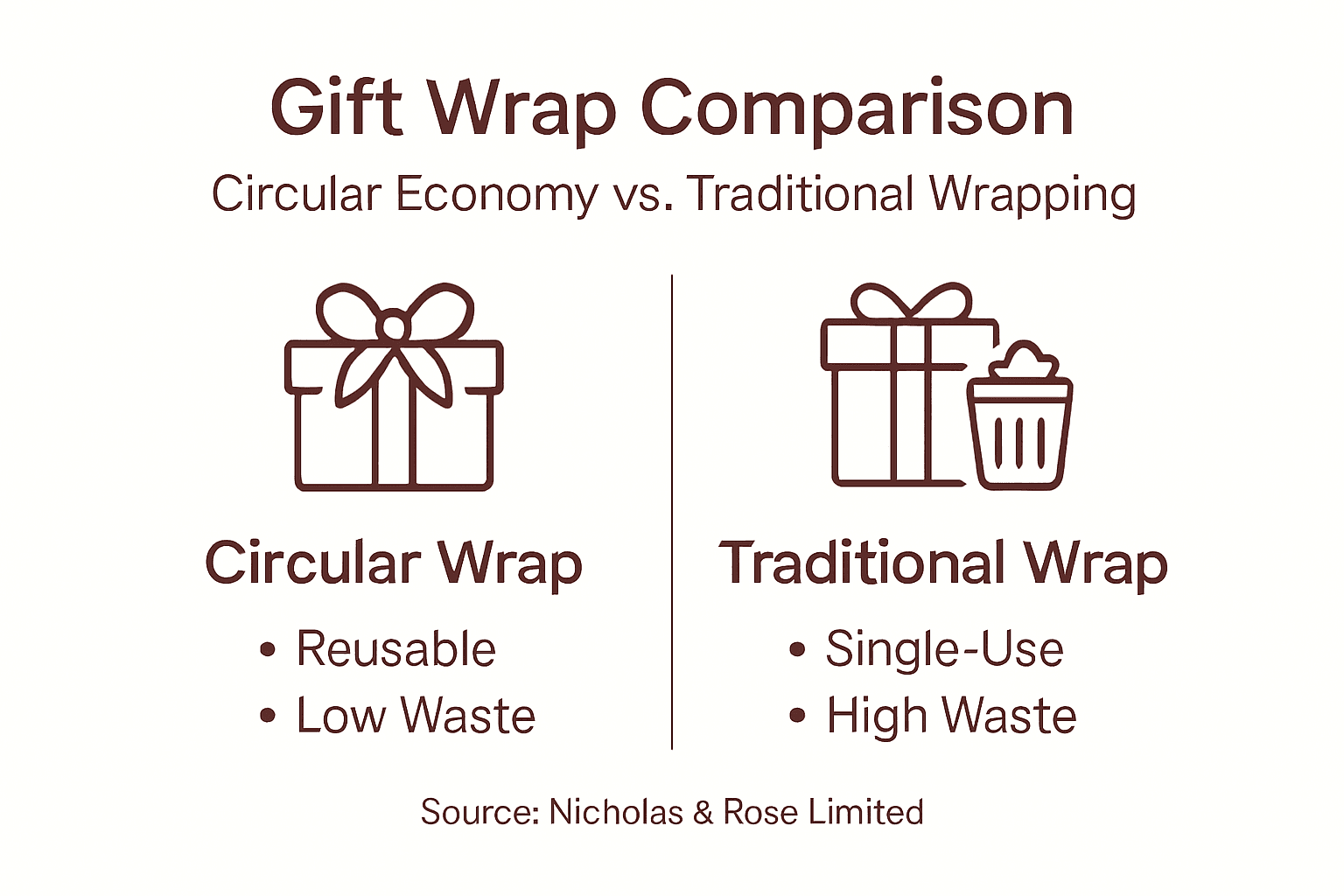
The key differentiators between traditional and circular economy wrapping extend beyond material composition to encompass broader systemic considerations. Traditional wrapping operates within a linear ‘take-make-dispose’ model, whereas circular economy wrapping embeds principles of regeneration, longevity, and intentional design. By selecting materials that can be reused, repurposed, or safely biodegraded, eco-conscious consumers challenge the historical paradigm of disposable packaging, creating a more responsible and thoughtful approach to gift presentation.
The following table highlights essential differences in environmental impact and design between traditional and circular economy gift wrapping:
| Aspect | Traditional Wrapping | Circular Economy Wrapping |
|---|---|---|
| Material Source | Virgin, mixed materials | Organic, recycled, biodegradable |
| End-of-Life Outcome | Landfill waste | Reusable, recyclable, compostable |
| Environmental Footprint | High carbon emissions | Significantly reduced emissions |
| Aesthetic Flexibility | Single-use, themed | Multipurpose, timeless designs |
Pro tip: Invest in a versatile collection of fabric wraps in neutral, complementary colours that can be elegantly reused across multiple gift-giving occasions, maximising sustainability and aesthetic flexibility.
Elevate Your Gift Wrapping with Stylish Sustainability
The challenge of reducing wrapping waste while maintaining elegance is at the heart of circular economy gift wrap principles. If you seek to merge style with sustainability through reusable, personalised fabric wraps that honour longevity and minimise environmental impact this is your answer. Embrace versatile designs crafted to be reused across celebrations helping you reduce waste and celebrate gifting as a meaningful ritual.
Discover our Reusable Fabric Wrap - Luxurious Christmas Collection featuring exquisite fabrics you can personalise through embroidery for that special touch.
Experience the joy of giving wrapped in conscious craftsmanship. Visit Nicholas & Rose Limited now to explore elegant, sustainable gift wrap solutions that transform packaging from disposable to treasured. Start your journey towards a circular gifting tradition today.
Frequently Asked Questions
What is circular economy gift wrap?
Circular economy gift wrap refers to sustainable packaging methods that emphasise reusability, material efficiency, and ecological responsibility, aiming to reduce waste and environmental impact.
How can I personalise reusable fabric gift wraps?
You can personalise reusable fabric gift wraps using various methods such as embroidery for names or messages, digital printing for intricate designs, screen printing for bold visuals, and fabric painting for unique artwork, transforming wrapping into a meaningful keepsake.
What are the benefits of using circular economy gift wrap compared to traditional wrapping?
Circular economy gift wrap reduces waste, promotes sustainability, and utilises materials that can be reused or recycled, whereas traditional wrapping often results in single-use waste and has a higher environmental footprint.
What strategies can I implement to reduce Christmas waste with gift wrapping?
To reduce Christmas waste, consider using reusable fabric wraps, recycling existing wrapping paper, opting for biodegradable alternatives, and supporting brands with sustainable packaging options.
Recommended
- Sustainable Gift Wrap Choices: Eco-Luxury for 2025 – Nicholas & Rose Limited
- Gift Wrap Etiquette: Sustainable Luxury for 2025 – Nicholas & Rose Limited
- What Makes Wrap Environmentally Friendly: Key Benefits Explained – Nicholas & Rose Limited
- Eco Conscious Gift Wrapping Explained: Sustainable Luxury – Nicholas & Rose Limited