

Fabric wraps: sustainable choice for newborn gifts in 2026
Every year, UK families generate hundreds of thousands of tonnes of plastic packaging waste during holidays and celebrations. For eco-conscious parents celebrating newborn arrivals and toddler milestones, traditional wrapping paper often ends in the bin before the baby even arrives home. Reusable fabric wraps offer a stylish, sustainable alternative that transforms gift presentation into a cherished keepsake whilst protecting our planet for the next generation.
Table of Contents
- Introduction To Sustainable Gift Wrapping
- Environmental Impact Of Fabric Wraps
- Cultural And Historical Roots: Furoshiki Wrapping
- Benefits Of Personalisation And Keepsake Value
- Economic Benefits And Cost Effectiveness
- Common Misconceptions About Fabric Wraps
- Practical Care And Reuse Tips
- Summary: Embracing Sustainable Fabric Wraps For Newborn And Toddler Gifts
- Discover Sustainable Fabric Wraps At Nicholas & Rose
- FAQ
Key takeaways
| Point | Details |
|---|---|
| Waste reduction | Fabric wraps reduce landfill waste through 50+ reuse cycles, vastly outperforming single-use paper. |
| Cultural heritage | Furoshiki-inspired wrapping combines 8th-century Japanese tradition with practical zero-waste gifting. |
| Keepsake value | Personalised embroidery transforms wraps into treasured mementos that encourage repeated use. |
| Economic benefit | Initial investment offsets annual UK family spending of £15.80 on disposable paper through long-term savings. |
| Durability | Proper care ensures fabric wraps maintain quality for many years, maximising environmental impact. |
Introduction to sustainable gift wrapping
The environmental toll of disposable gift wrapping creates mounting pressure on UK landfills and natural resources. Each celebration season, families across Britain contribute to hundreds of thousands of tonnes of plastic packaging waste, much of it from gift wrapping that serves a fleeting decorative purpose before permanent disposal. Non-recyclable materials like glitter-coated paper, metallic finishes, and plastic ribbons compound the problem by contaminating recycling streams.
Traditional wrapping paper production depletes forests and consumes substantial energy and water. The manufacturing process releases greenhouse gases whilst creating products destined for immediate disposal. For parents celebrating precious newborn arrivals and toddler birthdays, this wasteful cycle contradicts deeply held values about protecting the environment their children will inherit.
Sustainable choices align parenting decisions with ecological responsibility. Fabric wraps emerge as a promising solution, offering:
- Reusable materials that serve multiple celebrations
- Beautiful presentation without environmental guilt
- Personalisation options that enhance sentimental value
- Practical alternatives to wasteful paper traditions
- Educational opportunities to model eco-conscious behaviour for children
Exploring zero-waste gift wrapping ideas reveals how simple changes create meaningful environmental impact. Fabric wraps transform gift presentation from disposable ritual into sustainable practice that honours both recipient and planet.
Environmental impact of fabric wraps
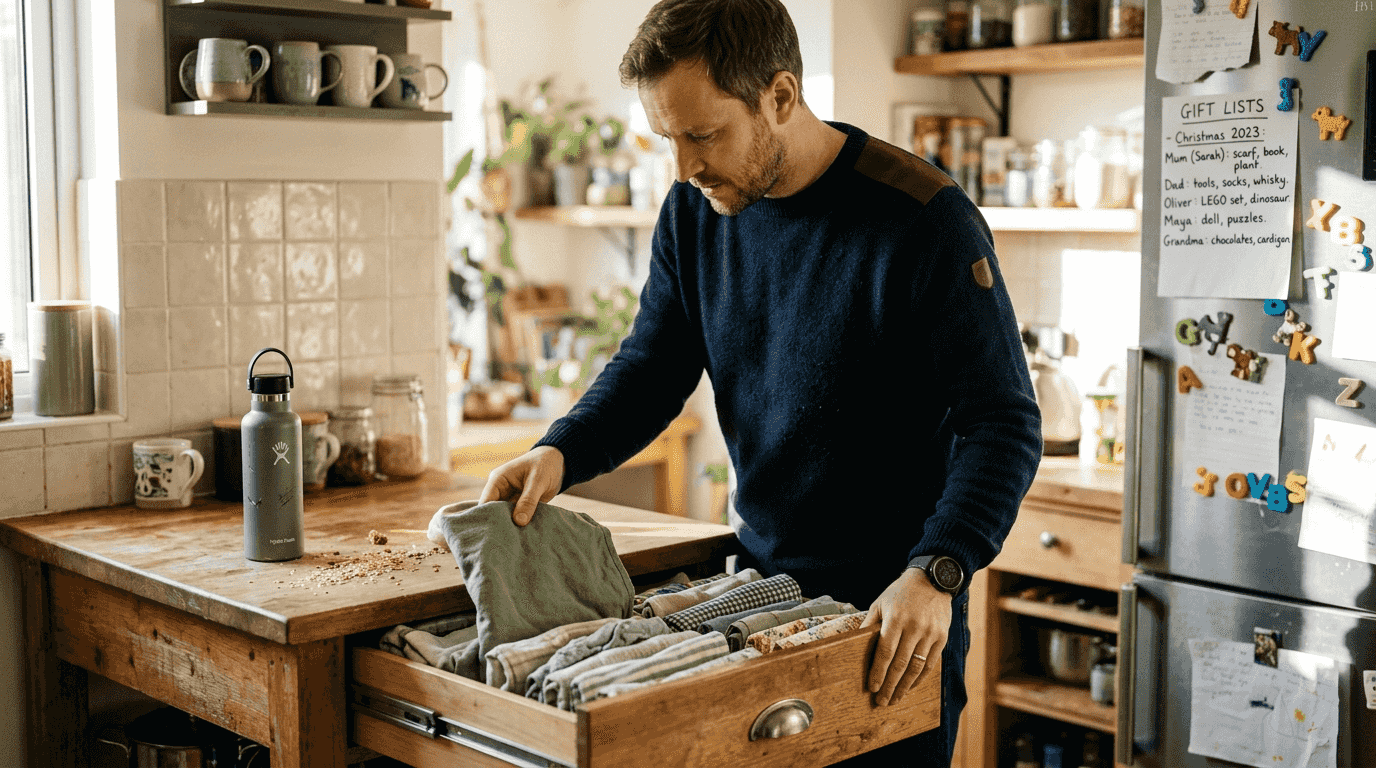
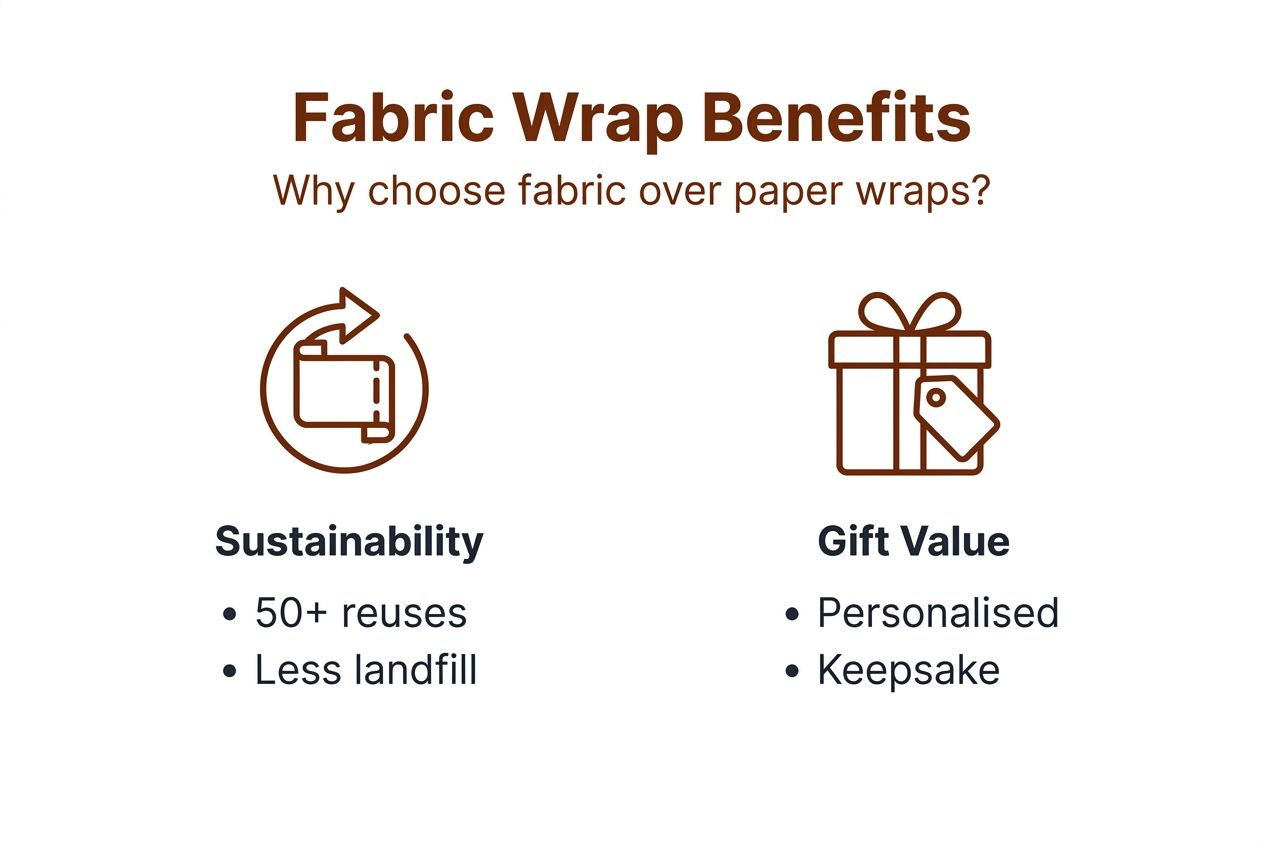
Fabric wraps dramatically reduce environmental harm through repeated use. A single cloth wrap used over 50 times eliminates the need for dozens of sheets of disposable paper, preventing substantial landfill accumulation. This reusability fundamentally shifts the environmental equation from linear waste to circular use.
Resource consumption drops significantly when families embrace fabric wrapping. Producing new wrapping paper demands far more energy and materials than reusing textile wraps made from organic or recycled fibres. Each avoided paper purchase prevents tree harvesting, water pollution from bleaching processes, and carbon emissions from manufacturing and transport.
Fabric wraps avoid the recycling complications that plague traditional paper. Many decorative papers contain:
- Plastic coatings that prevent fibre recovery
- Metallic foils that contaminate recycling batches
- Glitter particles that create microplastic pollution
- Synthetic adhesives that reduce paper quality
These additives render most gift wrap unsuitable for recycling, ensuring landfill disposal despite consumer recycling efforts.
Carbon footprint analysis reveals compelling advantages. The table below compares lifecycle environmental impacts:
| Factor | Disposable Paper | Reusable Fabric |
|---|---|---|
| Uses per item | 1 | 50+ |
| Resource extraction | High (trees, water, energy per use) | Low (one-time textile production) |
| Manufacturing emissions | Repeated for each purchase | Single production cycle |
| End-of-life waste | 100% to landfill | Minimal after extended service |
| Recycling potential | Often contaminated, non-recyclable | Textile recycling or repurposing |
Pro Tip: Choose fabric wraps made from organic cotton or recycled textiles to maximise environmental benefits from the very first use.
Understanding why fabric over paper wrap matters helps parents make informed choices. The benefits of fabric gift wrap for eco parents extend beyond waste reduction to include teaching children sustainable values through everyday actions. Detailed eco friendly wrap explained resources demonstrate how small changes create lasting positive impact for families committed to environmental stewardship.
Cultural and historical roots: furoshiki wrapping
The Japanese furoshiki tradition offers timeless wisdom for modern sustainability challenges. This 8th-century practice originated as a practical method for transporting goods using square cloth, embodying zero-waste principles centuries before contemporary environmental movements emerged. Furoshiki represents cultural heritage intertwined with ecological intelligence.
Traditional furoshiki techniques demonstrate remarkable versatility. A single square of fabric wraps items of varying shapes and sizes through elegant folding and knotting methods that require no tape, pins, or disposable fasteners. The cloth itself becomes both wrapping and carrying vessel, serving multiple functions through thoughtful design.
Modern revival of furoshiki connects historical wisdom with current sustainability needs. Key aspects include:
- Respectful presentation that honours both gift and recipient
- Resourcefulness that transforms simple materials into beautiful packaging
- Mindfulness about consumption and waste in daily life
- Adaptability to contemporary gifting whilst preserving traditional techniques
- Aesthetic appeal that elevates sustainable choice to art form
The furoshiki philosophy particularly resonates with newborn and toddler gift giving. Celebrations marking new life naturally align with practices that protect environmental futures. Parents appreciate wrapping methods that model values they wish to instil in their children from birth.
Learning how to tie fabric gift wrap connects families to this rich cultural tradition whilst developing practical skills. The techniques prove surprisingly simple once basic principles are understood, making sustainable wrapping accessible to everyone regardless of crafting experience.
Benefits of personalisation and keepsake value
Personalised fabric wraps transcend functional wrapping to become integral parts of the gift itself. Custom embroidery transforms simple cloth into treasured mementos that commemorate special occasions. For newborn celebrations, a wrap embroidered with the baby’s name and birth date becomes a keepsake parents preserve alongside first photos and hospital bracelets.
Emotional attachment dramatically increases reuse likelihood. When fabric wraps carry sentimental value, recipients treat them with care rather than discarding them after initial use. This psychological shift from disposable to valuable sustains the environmental benefits through genuine behavioural change.
Personalisation options suit different celebration types:
- Names and dates for birth announcements and first birthdays
- Meaningful symbols like stars, animals, or family crests
- Special messages from gift givers to recipients
- Coordinating colours and patterns for themed celebrations
- Custom sizes tailored to common baby gift dimensions
The keepsake nature encourages proper storage and maintenance. Parents who view fabric wraps as mementos naturally handle them more carefully, extending usable life and maximising sustainability impact. Some families create collections of personalised wraps that document their children’s early years through fabric rather than photographs alone.
Pro Tip: Select neutral base colours with personalised details so wraps remain versatile for future gift occasions whilst retaining their special commemorative character.
Brands specialising in newborn and toddler celebrations understand how personalisation enhances both aesthetic appeal and environmental commitment. Thoughtful fabric tie techniques for keepsakes preserve embroidered details whilst creating beautiful presentations that recipients eagerly reuse for their own gift giving.
Economic benefits and cost effectiveness
Fabric wraps represent smart financial investment despite higher initial purchase costs. The reusability equation changes economic calculations fundamentally. Average UK families spend approximately £15.80 annually on disposable wrapping paper, an expense repeated every year throughout their children’s upbringing.
Long-term savings accumulate through repeated use. Consider this five-year comparison:
- Year one: Purchase quality fabric wraps for £40
- Years two through five: Zero wrapping paper purchases
- Disposable paper alternative: £15.80 × 5 years = £79
- Net savings over five years: £39
- Extended use beyond five years magnifies savings further
The financial advantage grows with larger families celebrating multiple children’s milestones. Parents wrapping gifts for several birthdays, holidays, and special occasions annually see faster return on fabric wrap investment.
| Timeframe | Fabric Wrap Cost | Disposable Paper Cost | Cumulative Savings |
|---|---|---|---|
| Year 1 | £40 | £15.80 | -£24.20 |
| Year 3 | £40 | £47.40 | £7.40 |
| Year 5 | £40 | £79.00 | £39.00 |
| Year 10 | £40 | £158.00 | £118.00 |
Economic benefits align perfectly with sustainability values. Families appreciate solutions that simultaneously reduce environmental impact and household expenses. This dual advantage makes fabric wraps particularly appealing during periods when budgets face pressure from rising living costs.
Understanding the investment in reusable wrap helps parents justify upfront spending. The cost savings over time prove fabric wraps deliver practical value alongside environmental responsibility.
Common misconceptions about fabric wraps
Several persistent myths discourage families from adopting sustainable wrapping practices. Addressing these misconceptions directly helps parents make confident, informed decisions.
Myth: Fabric wraps eventually create similar waste to disposable paper. Reality: Proper care extends lifespan dramatically, enabling decades of use rather than single-occasion disposal. Well-maintained fabric wraps outlast their owners’ gift-wrapping needs, often passing to other families or repurposed for household uses.
Myth: Fabric wrapping looks less polished than traditional paper. Reality: Modern fabric wraps feature sophisticated designs, elegant patterns, and beautiful textures that rival or exceed paper presentation quality. Skilled folding techniques create stunning visual impact whilst demonstrating thoughtful care in gift preparation.
Myth: Cleaning fabric wraps requires excessive time and effort. Reality: Simple maintenance routines preserve fabric quality without burdensome labour. Most wraps tolerate standard washing machine cycles, making care as convenient as laundering other household textiles.
Key clarifications include:
- Initial learning curve for wrapping techniques proves minimal with practice
- Storage requires only modest space similar to other linens
- Fabric wraps suit various gift sizes through versatile folding methods
- Recipients appreciate reusable wraps rather than viewing them as burdensome
“Fabric wraps last for many years with proper care and reuse, significantly reducing waste compared to one-time paper use.”
Understanding eco friendly wrap explained thoroughly dispels doubts about practicality and effectiveness. Examining common sustainable wrapping misconceptions reveals how unfounded concerns prevent adoption of genuinely superior alternatives. Education overcomes hesitation, empowering families to embrace methods that serve both practical and environmental needs.
Practical care and reuse tips
Maximising fabric wrap longevity requires straightforward maintenance practices. Proper care ensures wraps maintain attractive appearance and structural integrity through countless reuses.
Washing instructions preserve fabric quality:
- Check fabric composition and follow specific care labels
- Hand wash delicate materials or use gentle machine cycles
- Select mild, eco-friendly detergents without harsh chemicals
- Wash similar colours together to prevent dye transfer
- Address stains promptly before they set permanently
Storage methods prevent damage between uses:
- Fold wraps neatly to minimise creasing
- Store in dry, cool locations away from direct sunlight
- Use breathable containers rather than plastic bags
- Separate embroidered or delicate pieces for extra protection
- Label storage containers by size or occasion for easy retrieval
Air drying protects fabric integrity better than machine drying. Proper care and washing extend wrap lifespan substantially, enabling reuse for many occasions and maximising sustainability impact.
Creative reuse ideas beyond gift wrapping include:
- Table runners or placemats for celebration meals
- Decorative wall hangings in nurseries
- Protective covers for precious baby items during storage
- Picnic or beach blankets for family outings
- Teaching materials for practising folding and knotting skills
Pro Tip: Create a simple digital photo album showing different wrapping techniques you’ve successfully used, building a personal reference library that makes future wrapping faster and more confident.
Detailed fabric wrap storage tips prevent common deterioration problems. Following fabric wrap care and reuse instructions ensures wraps remain beautiful through years of service. Consulting fabric wrap washing guidance provides specific recommendations for different textile types.
Summary: embracing sustainable fabric wraps for newborn and toddler gifts
Fabric wraps unite environmental responsibility with beautiful, meaningful gift presentation perfectly suited to celebrating new life. The compelling benefits span multiple dimensions of family values and practical needs.
Key advantages include:
- Dramatic waste reduction through 50+ reuse cycles versus single-use paper
- Lower carbon footprint from reduced manufacturing and resource extraction
- Cultural connection to furoshiki traditions that honour heritage and sustainability
- Personalisation opportunities that transform wraps into cherished keepsakes
- Economic savings that accumulate over years of repeated use
- Teaching moments that model eco-conscious behaviour for children
Proper maintenance ensures fabric wraps deliver maximum value throughout their extended service life. Simple washing, careful storage, and creative reuse practices sustain both appearance and function. Families who embrace these sustainable alternatives discover that environmental choices enhance rather than compromise celebration quality.
For eco-conscious parents, fabric wraps resolve the tension between beautiful gift presentation and planetary protection. Each wrapped present becomes a statement of values, demonstrating that sustainability and style coexist harmoniously when families choose thoughtfully designed alternatives to wasteful traditions.
Discover sustainable fabric wraps at Nicholas & Rose
Ready to transform your gift wrapping into sustainable celebration art? Nicholas & Rose offers exquisite reusable fabric wraps designed specifically for newborn and toddler milestones. The curated collection combines luxury materials with eco-friendly practices, featuring personalisation options that create lasting mementos families treasure for generations.
Each wrap balances beautiful design with environmental responsibility, helping you honour precious moments whilst protecting the planet your children will inherit. Explore the range today and discover how sustainable choices elevate gifting from temporary decoration to enduring keepsake.
FAQ
What fabrics are best for sustainable gift wrapping?
Cotton, linen, and recycled textiles offer excellent sustainability credentials for reusable wraps. Look for organic certifications or OEKO-TEX labels indicating eco-friendly production without harmful chemicals. Durable yet easy-to-clean fabrics ensure wraps withstand repeated washing whilst maintaining attractive appearance through many years of use.
How do I care for and clean fabric wraps?
Hand wash delicate wraps or use gentle machine cycles with mild detergent to preserve fabric quality. Air drying prevents shrinking and maintains structural integrity better than tumble drying. Store wraps carefully folded in dry locations away from direct sunlight to avoid fading and damage between gift-giving occasions.
Are fabric wraps really more sustainable than paper?
Yes, fabric wraps deliver substantially greater sustainability through extended reuse. Enabling 50+ use cycles drastically reduces waste compared to single-use paper destined for immediate disposal. Lower lifecycle carbon footprint results from avoiding repeated manufacturing, whilst proper maintenance ensures environmental benefits endure throughout the wrap’s service life.
Can fabric wraps work for awkwardly shaped gifts?
Fabric’s flexibility accommodates irregular shapes more effectively than rigid paper. Furoshiki folding techniques specifically address varied dimensions through adaptable knotting methods. Practice with different wrapping styles builds confidence for challenging items, whilst larger wraps provide extra material for securing unusual shapes elegantly.
Where can I learn different fabric wrapping techniques?
Numerous online tutorials demonstrate traditional furoshiki methods and modern variations suited to contemporary gifts. Video guides provide step-by-step visual instruction for various folding and knotting approaches. Starting with basic techniques builds foundational skills, whilst experimentation develops personal style that reflects your aesthetic preferences and practical needs.
Recommended
- Assembling a Gift Wrap Set for Sustainable Newborn Gifts – Nicholas & Rose Limited
- Why Fabric Wraps Are Popular With Eco Parents – Nicholas & Rose Limited
- Luxury Fabric Wraps: Sustainable Gifting Redefined – Nicholas & Rose Limited
- Seasonless Gift Wrap: Sustainable Personalised Solutions – Nicholas & Rose Limited
- Fabric Sustainability Trends 2025: What Changes Next - fabric fabric