

Green gifting trends 2025: what eco-conscious gift-givers need to know
TL;DR:
- Green gifting involves choosing biodegradable, reusable, or recycled gifts to lessen environmental impact. Reusable fabric wraps with personal embroidery serve as sustainable, meaningful packaging for newborn and children’s presents. Certified eco-labels like B Corp and Fairtrade ensure genuine sustainability and help consumers avoid greenwashing.
Green gifting is defined as selecting gifts that are biodegradable, made from recycled or natural materials, or reusable, with the intention of reducing environmental impact without sacrificing meaning or beauty. The green gifting trends 2025 movement has moved well beyond paper-free wrapping and token gestures. Consumer demand is reshaping the entire gifting ritual, from the materials inside the box to the fabric that wraps it. 73% of Gen Z consumers are willing to pay a premium for demonstrably sustainable products. That figure signals a generational shift that is now influencing baby showers, newborn gifts, and children’s celebrations as much as corporate gifting. Personalised, reusable fabric gift wrap sits at the heart of this shift, offering a bespoke alternative to paper that ends in the bin before the candles are even blown out.
What are the core green gifting trends in 2025?
Sustainable gifting is defined by five core methods, each reducing environmental impact in a distinct way. Experts identify these as re-gifting, recycled or alternative packaging, experiential gifts, handmade gifts, and digital gifts. Together, they form a practical framework for anyone who wants their gift to carry genuine ecological weight.
The five methods break down as follows:
- Re-gifting gives pre-loved or unused items a second life, reducing demand for new production.
- Recycled or alternative packaging includes materials like organic cotton wraps, seed paper, and the Japanese art of furoshiki, where fabric replaces disposable paper entirely.
- Experiential gifts such as memberships, classes, or spa days create lasting memories without generating physical waste.
- Handmade gifts prioritise craft and intention over mass production, often using natural or foraged materials.
- Digital gifts eliminate shipping emissions and packaging waste altogether.
For newborn and baby shower gifts specifically, the most meaningful shift is in packaging. Traditional wrapping paper is typically used for seconds before being discarded, often before the baby has even arrived home. Reusable fabric gift wrap, such as the personalised embroidered wraps offered by Nicholasandrose, replaces that single-use paper with something the family keeps and treasures. The wrap itself becomes part of the gift, a soft, tactile keepsake that carries the child’s name and the warmth of the occasion.
Popular sustainable materials for 2025 gifts include bamboo, organic cotton, seed paper, and recycled glass. For children’s gifts, organic textiles certified to recognised standards are particularly sought after, as parents prioritise both environmental and skin safety.
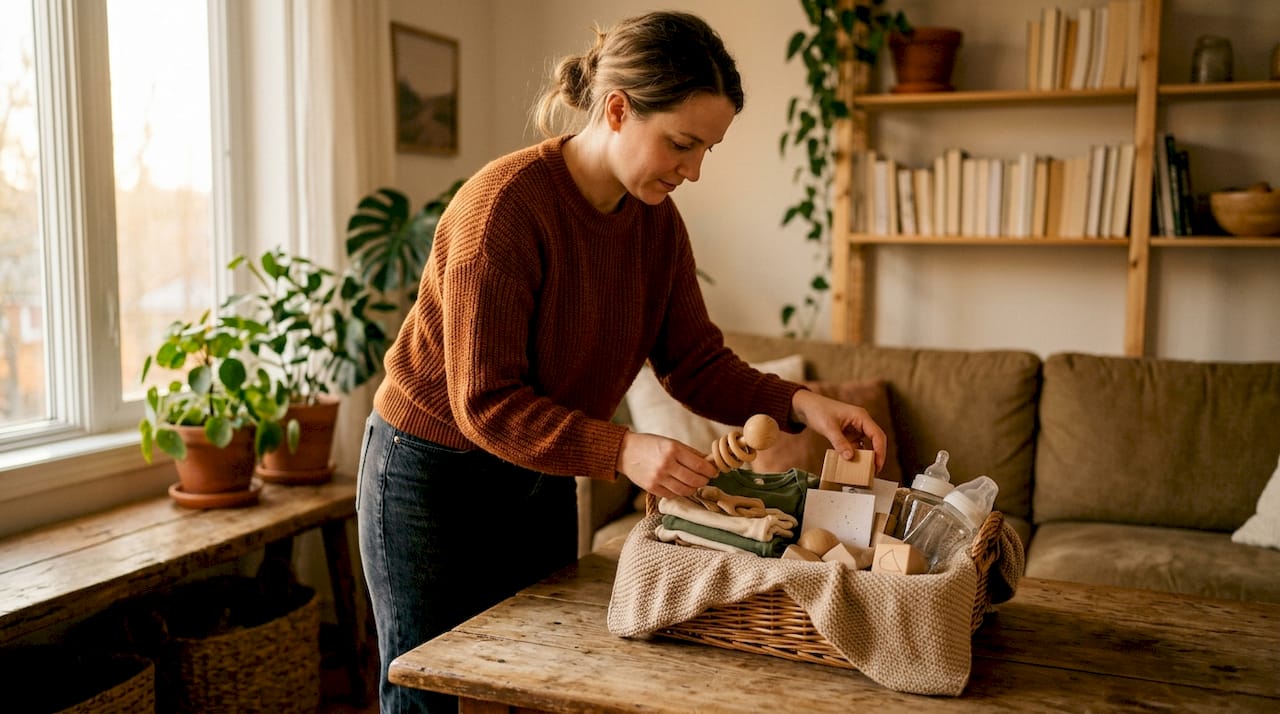
Pro Tip: Choose one gift that is both beautiful and genuinely useful rather than several items that will be discarded. A personalised reusable wrap paired with a considered organic gift creates a lasting impression and generates almost no waste.
How do certifications help you avoid greenwashing?
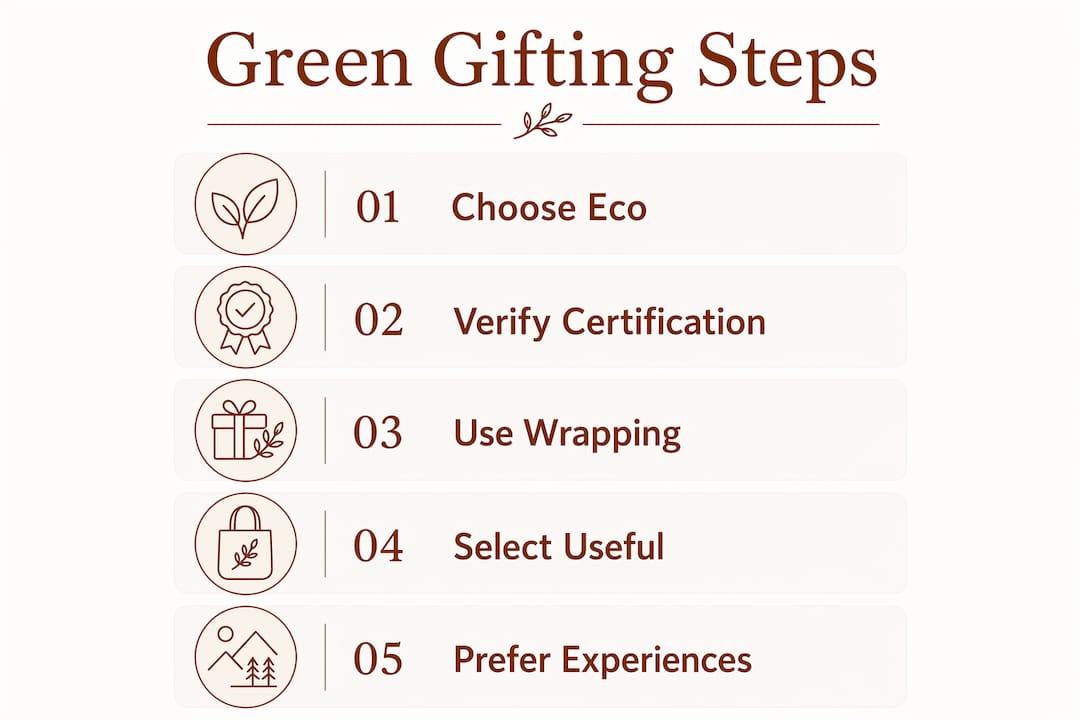
The word “sustainable” is one of the most overused and least regulated terms in retail. Legal guidelines increasingly demand verifiable sustainability credentials, and vague claims are coming under greater scrutiny from trading standards bodies across the UK.
Third-party certifications are the clearest signal of genuine sustainability. When choosing eco-friendly presents for babies and children, look for these markers:
- B Corp certification confirms a business meets verified standards of social and environmental performance.
- Fairtrade guarantees ethical production and fair wages throughout the supply chain.
- Soil Association Organic certifies that textiles and materials are free from harmful pesticides and chemicals, which matters greatly for items near a newborn’s skin.
- Global Recycled Standard (GRS) verifies that recycled content claims are accurate and traceable.
Relying on certifications like B Corp or Fairtrade is the most reliable way to avoid greenwashing. A product labelled “natural” or “eco” without any third-party verification is simply marketing language. For baby and children’s gifts, this distinction carries real weight, as parents are rightly cautious about what touches their child’s world.
Vetting a supplier takes only a moment. Check the brand’s website for certification logos, then verify the certificate number directly on the certifying body’s own database. Nicholasandrose publishes its material and production credentials openly, making it straightforward to confirm the provenance of every fabric wrap.
Pro Tip: When gifting for a newborn or young child, prioritise Soil Association Organic or GOTS-certified textiles. These standards confirm the fabric is safe for sensitive skin and produced without environmental harm.
What role does personalised fabric gift wrap play in sustainable gifting?
Reusable fabric gift wrap is one of the most quietly radical shifts in the gifting sustainability trends of recent years. The premise is simple: replace single-use paper with a beautiful, durable fabric that the recipient keeps and reuses. The environmental logic is equally clear.
Personalised fabric wraps with embroidery or bespoke design transform the wrapping from disposable packaging into a cherished memento. For newborn gifts and baby shower presents, this is particularly resonant. A wrap embroidered with a baby’s name and birth date becomes an heirloom piece, folded away with the first shoes and the hospital bracelet.
The benefits of fabric gift wrap over traditional paper are substantial:
- Reusability means one wrap can serve dozens of occasions across a child’s life.
- Personalisation through embroidery creates an emotional connection that paper can never replicate.
- Reduced waste removes the guilt of watching beautiful wrapping torn away and binned within moments.
- Tactile luxury gives the gift a presence and weight that elevates the entire gifting experience.
- Circular gifting aligns with the principle that intentional gifting considers the full lifecycle of every element, including the wrap.
| Feature | Traditional paper wrap | Personalised fabric wrap |
|---|---|---|
| Reusable | No | Yes, many times over |
| Personalisation | Limited | Embroidered name, date, message |
| Waste generated | High | Minimal |
| Keepsake value | None | Lasting memento |
| Environmental impact | Significant | Low |
Nicholasandrose’s 2026 newborn and toddler range brings this philosophy to life with wraps designed specifically for the earliest, most tender milestones. The fabrics drape softly, the embroidery is refined, and the result is a gift presentation that feels as considered as the gift within. You can also explore vintage and pre-loved gift ideas as a complementary approach to reducing the environmental footprint of your gifting.
How are experiential and digital gifts shaping conscious gifting?
Experiential gifts are growing in popularity precisely because they generate no physical waste. A membership to a National Trust property, a pottery class for a new parent, or a family swimming lesson creates a memory rather than a material object. These gifts align naturally with the 2025 ethical gifting principle of minimising environmental impact while maximising personal meaning.
Digital gifts take this further by removing physical logistics entirely. Digital gifting significantly reduces emissions linked to shipping and packaging. The largest environmental cost in gifting is often the journey the gift takes, not the object itself. A digital gift card, a streaming subscription, or an e-book eliminates that footprint entirely.
The “gift with choice” model is a particularly thoughtful approach. It allows the recipient to select their own gift from a pre-vetted pool of sustainable options. This eliminates the risk of an unwanted gift generating waste, which is the most common failure point in even well-intentioned green gifting. Recipient alignment is the biggest hurdle in sustainable gifting, and this model addresses it directly.
For baby showers and newborn celebrations, experiential gifts work beautifully alongside a physical keepsake. A gift of postnatal yoga classes paired with a personalised fabric wrap from Nicholasandrose offers both lasting utility and a tangible, embroidered memento of the occasion.
Pro Tip: For remote gifting, combine a digital experience with a small, beautifully wrapped physical keepsake. The fabric wrap travels flat, costs little to post, and arrives as something the family will keep long after the digital gift has been redeemed.
Key takeaways
Sustainable gifting in 2025 is defined by reusable materials, verified certifications, and personalised presentation that reduces waste while deepening the emotional value of every gift.
| Point | Details |
|---|---|
| Green gifting definition | Gifts must be biodegradable, reusable, or made from recycled materials to qualify as genuinely sustainable. |
| Certification matters | Look for B Corp, Fairtrade, Soil Association Organic, or GRS labels to avoid greenwashing. |
| Fabric wrap over paper | Reusable, personalised fabric wrap eliminates single-use waste and becomes a lasting keepsake. |
| Experiential gifts reduce waste | Memberships, classes, and digital gifts create meaning without generating physical waste. |
| Personalisation adds lasting value | Embroidered wraps for newborns and children transform packaging into a treasured heirloom. |
Why I think green gifting needs to become a quiet habit, not a grand gesture
The conversation around sustainable gifting often focuses on the dramatic swap: ditch the plastic, choose the bamboo, wrap it in recycled paper. That framing misses something important. Sustainability works best as an ongoing default rather than a calendar event, and the same is true of gifting.
What I have found, after years of thinking carefully about this, is that the most meaningful green gifts are the ones that pass a simple test: does this connect with the person receiving it, does it reflect a shared value, and does it leave a light footprint? Gifts that fail that test are not truly green, regardless of the certification on the label.
For newborn and children’s gifts, this test is even more clarifying. A beautifully embroidered fabric wrap from Nicholasandrose passes it effortlessly. It is personal, it is reusable, and it carries the kind of quiet sentiment that a roll of paper simply cannot hold. The wrap outlasts the gift inside it. That is the point.
The uncomfortable truth about green gifting is that it asks you to slow down. It asks you to think about the recipient, the material, the journey the gift has taken, and the life it will have after the ribbon is untied. That is not a burden. It is the difference between a gift that is forgotten and one that is kept.
— Helen
Nicholasandrose: bespoke sustainable gifts for your newest arrival
The Baby & Beyond collection from Nicholasandrose brings together the finest sustainable newborn and children’s gifts, each one wrapped in a personalised reusable fabric wrap that carries the child’s name in refined embroidery.
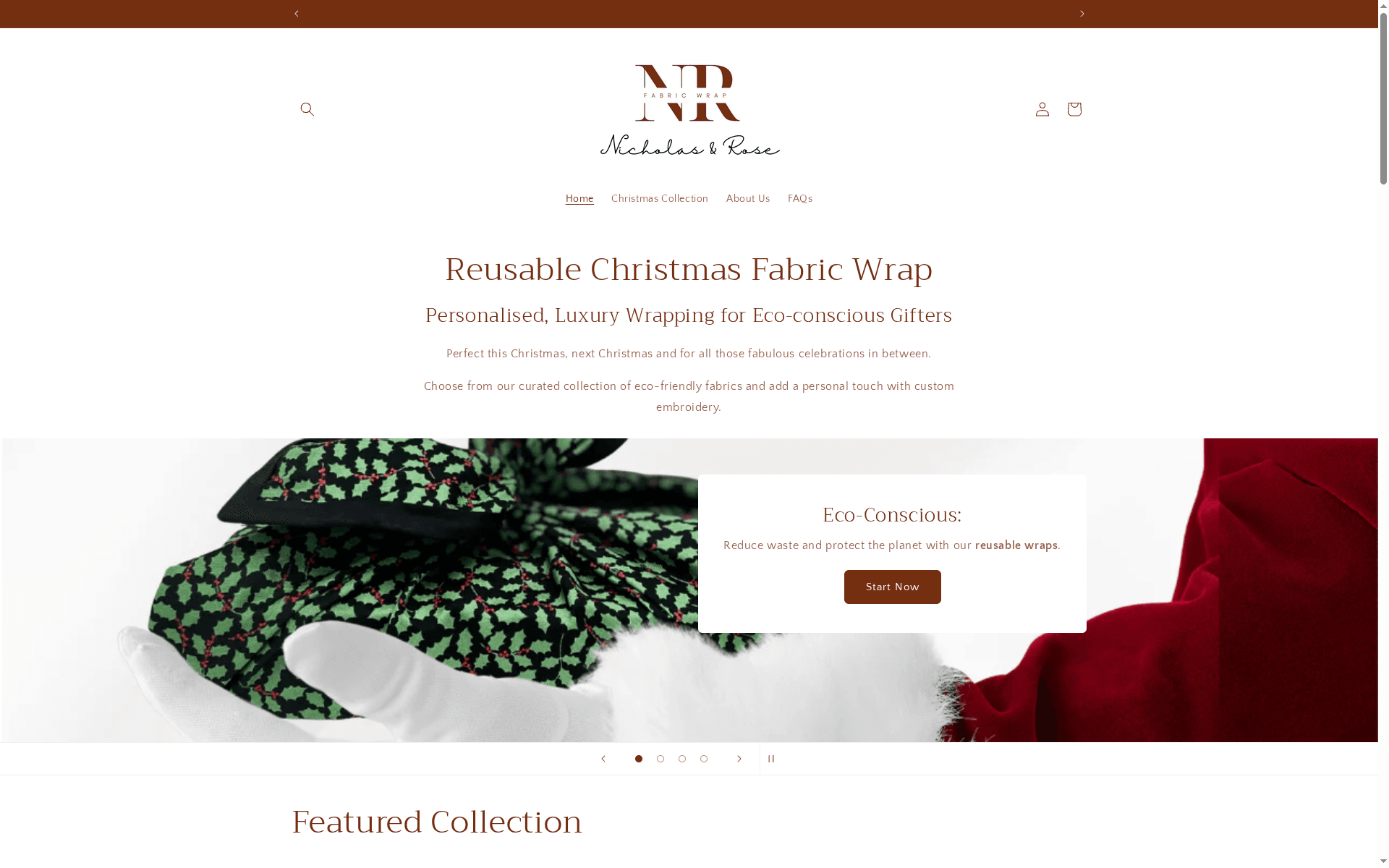
Every wrap is designed to be kept, reused, and loved across years of gifting occasions. The fabrics are chosen for their soft drape and tactile warmth, and the embroidery transforms each piece into a bespoke memento of a milestone moment. This is gifting that aligns with every principle of conscious consumerism, without sacrificing a single thread of elegance. Explore the full Baby & Beyond collection and discover personalised milestone gift wraps crafted for the occasions that matter most.
FAQ
What is green gifting?
Green gifting is the practice of choosing gifts that are biodegradable, reusable, or made from recycled or natural materials to reduce environmental impact. It also encompasses sustainable packaging choices, such as reusable fabric wraps, and experiential or digital gifts that generate no physical waste.
How do I know if a sustainable gift is genuinely eco-friendly?
Look for third-party certifications such as B Corp, Fairtrade, Soil Association Organic, or the Global Recycled Standard. Vague terms like “natural” or “eco” without a verifiable certification are marketing language, not evidence of genuine sustainability.
Why is reusable fabric gift wrap better than recycled paper?
Reusable fabric gift wrap, unlike recycled paper, can be used dozens of times and personalised with embroidery to become a lasting keepsake. It eliminates single-use waste entirely and adds a tactile, bespoke quality that elevates the gifting experience.
What are the best sustainable gift ideas for a baby shower in 2025?
The most thoughtful sustainable baby shower gifts combine organic or certified materials with personalised presentation. A personalised embroidered fabric wrap from Nicholasandrose paired with an organic textile gift creates a keepsake that the family will treasure long after the occasion.
Are digital gifts genuinely more sustainable than physical ones?
Digital gifts remove the environmental cost of shipping and packaging, which is often the largest part of a gift’s carbon footprint. They work particularly well when combined with a small, beautifully wrapped physical keepsake for occasions that call for something tangible.
Recommended
- What is green gifting? A guide for eco-conscious givers – Nicholas & Rose Limited
- Top eco trends for Christmas: sustainable gifting for children – Nicholas & Rose Limited
- Eco-conscious gifting for UK parents: sustainable choices – Nicholas & Rose Limited
- Gift Wrap Etiquette: Sustainable Luxury for 2025 – Nicholas & Rose Limited