

Eco-conscious gifting for UK parents: sustainable choices
Each year in the UK, £1.2 billion is wasted on unwanted gifts, with three in five adults receiving presents they neither want nor need. For parents welcoming a newborn or watching a toddler take their first curious steps into the world, this reality feels particularly poignant. The gifts we choose for our smallest loved ones carry enormous weight, not just in sentiment, but in their environmental footprint. Eco-conscious gifting offers a graceful alternative, one rooted in thoughtfulness, natural materials, and lasting personal significance rather than fleeting novelty destined for landfill.
Table of Contents
- What does eco-conscious gifting mean?
- Key principles of sustainable and mindful gifting
- Why does eco-conscious gifting matter for UK parents?
- Common myths and surprising truths about eco-gifting
- Practical tips: Eco-conscious gifting for newborns and toddlers
- Discover our 2026 newborn and toddler collection
- Frequently asked questions
Key Takeaways
| Point | Details |
|---|---|
| Focus on sustainability | Choose gifts made from natural, renewable, or recycled materials to minimise environmental impact. |
| Thoughtful is better than new | Personalised, second-hand, or experience-based gifts often mean more than conventional store-bought items. |
| Packaging makes a difference | Using fabric or recycled wrapping significantly cuts down gift waste for UK families. |
| Eco-gifting suits any budget | Affordable, sustainable options exist for every parent, not just luxury buyers. |
| Certifications provide trust | Look for official credentials like GOTS or Fair Trade to ensure truly ethical gifts. |
What does eco-conscious gifting mean?
At its heart, eco-conscious gifting is the practice of selecting gifts made from sustainable, natural, renewable, or recycled materials, produced ethically and with full transparency about their origins. It stands in quiet but firm contrast to the conventional gifting culture of fast production, excessive packaging, and disposable sentiment. Where traditional gifting often prioritises novelty and price tags, eco-conscious gifting asks a more considered question: will this gift endure, and does it honour both the recipient and the planet?
Understanding the eco aware wrapping definitions that underpin sustainable presentation is a wonderful starting point. The core principles of eco-conscious gifting include:
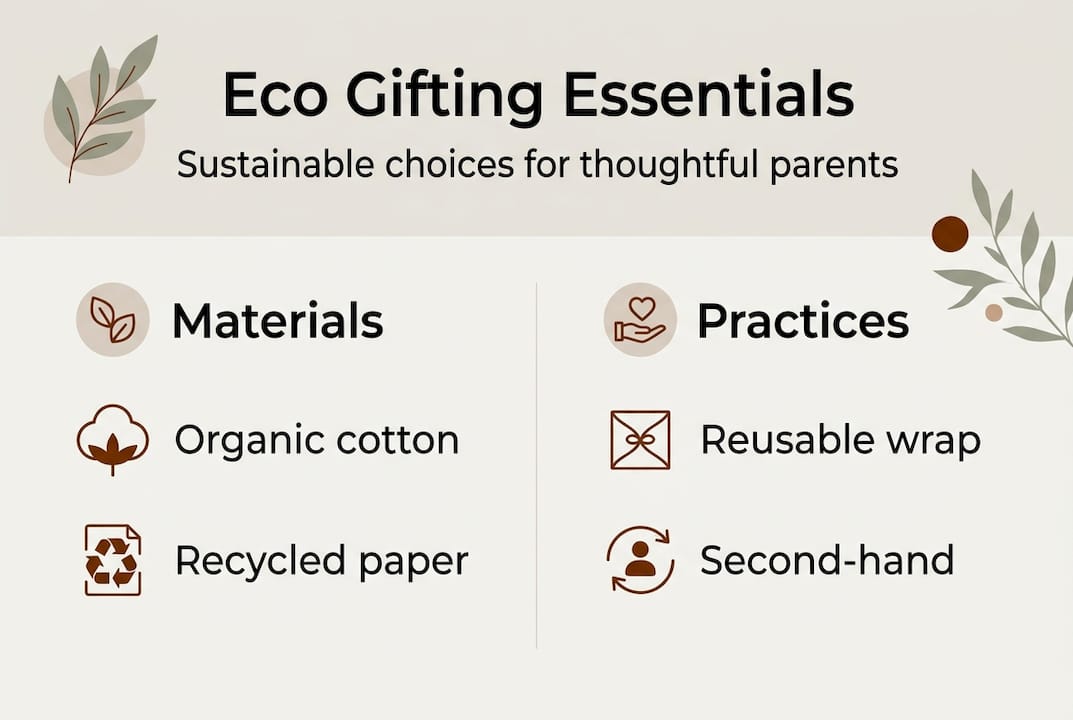
- Materials: Choosing natural fibres, organic cotton, untreated wood, or recycled components over synthetic, petroleum-based alternatives.
- Ethics: Supporting brands that pay fair wages, operate transparently, and minimise their carbon output throughout production.
- Durability: Selecting gifts designed to last years, not weeks, so they become cherished objects rather than forgotten clutter.
- Personal significance: Prioritising meaning over mass production, whether through personalisation, handcrafting, or a deep understanding of the recipient’s world.
“The most enduring gifts are those chosen with intention, where the thought behind the giving is as beautiful as the gift itself.”
Exploring eco gifting best practices reveals how even small, considered choices accumulate into a genuinely meaningful gifting philosophy. The sustainable materials gift impact on a child’s earliest memories and on the environment is far greater than many parents initially realise.
Key principles of sustainable and mindful gifting
With the foundations of eco-conscious gifting understood, it becomes easier to apply a clear framework when choosing presents for the little ones in your life. Choosing durable, long-lasting items with low-waste packaging, opting for experiences or second-hand gifts, and prioritising recognised certifications are the cornerstones of truly mindful gifting.
Here is a practical framework to guide your choices:
- Seek recognised certifications. Look for GOTS (Global Organic Textile Standard), FSC (Forest Stewardship Council), and Fair Trade marks. These certifications verify that materials and production meet rigorous ethical and environmental standards.
- Favour multi-use and durable gifts. A beautifully crafted organic cotton blanket or a set of solid wooden building blocks will serve a child through multiple stages of development, offering far greater value than a single-use novelty.
- Consider second-hand, handmade, or experience-based gifts. Baby swim classes, a nature walk subscription, or a lovingly restored vintage toy carry profound meaning without generating new waste.
- Choose recyclable or reusable packaging. The wrapping is often discarded before the gift is even opened. Opting for fabric wraps or recycled paper transforms presentation into something lasting and beautiful.
- Plan ahead and resist impulse purchases. Mindful gifting research consistently shows that thoughtfully chosen gifts are received with far greater warmth than last-minute purchases.
Our eco materials gifting guide offers a deeper look at the materials worth seeking out, while our guide to reducing single-use wrapping explores how presentation itself can become part of the gift.
Pro Tip: When in doubt, choose a gift that serves at least two purposes, such as a fabric wrap that doubles as a keepsake, or a wooden toy that grows with the child. Versatility is the hallmark of truly thoughtful gifting.
Why does eco-conscious gifting matter for UK parents?
The numbers tell a compelling story. Demand for eco-baby products has risen by 15% in recent years, and 68% of UK parents now actively prioritise sustainability when selecting products for their children. This is not a passing trend. It reflects a deeper, generational shift in values, one where the wellbeing of the planet is understood as inseparable from the wellbeing of the child.
| Gifting approach | Environmental impact | Emotional value | Longevity |
|---|---|---|---|
| Conventional wrapping paper | High waste, single use | Low | Discarded immediately |
| Eco fabric wrap | Minimal, reusable | High, becomes a keepsake | Years of use |
| Plastic novelty toy | High carbon footprint | Fades quickly | Often weeks |
| Organic cotton keepsake | Low impact, natural | Deeply personal | Lifelong |
The financial and environmental cost of unwanted gifts is staggering. Beyond the £1.2 billion wasted annually, there is the quieter cost of landfill, of resources consumed in production, and of the emotional flatness that comes from receiving something impersonal. Conscious gifting impact research suggests that both givers and recipients experience greater wellbeing when gifts are chosen with genuine care.
“A gift chosen with love for both the child and the earth is a gift that speaks long after the occasion has passed.”
For parents of newborns and toddlers, the stakes feel especially tender. These early gifts often become the first objects a child knows, the soft blanket, the worn wooden toy, the embroidered wrap that smells faintly of home. Our Christmas eco checklist and guide to fabric gift wrap impact offer parents a clear path toward gifting that honours these precious early moments.
The benefits of eco-conscious gifting for UK parents include:
- Reduced household clutter and waste
- Gifts that retain sentimental value over time
- A positive environmental legacy for the next generation
- Greater personal satisfaction in the act of giving
Common myths and surprising truths about eco-gifting
Perhaps the most persistent myth is that sustainable gifting is somehow earnest, dull, or prohibitively expensive. Experts note it enhances joy, deepens connection, and can be both playful and affordable when approached with creativity. The truth is that eco-conscious gifting, at its finest, is more imaginative and more personal than anything found in a generic high-street basket.
| Common myth | Surprising truth |
|---|---|
| Eco gifts are always expensive | Many sustainable options cost the same or less than conventional alternatives |
| Second-hand gifts feel thoughtless | Research shows the vast majority of recipients welcome them warmly |
| Eco gifting is boring | Personalisation and natural materials create gifts of rare beauty and meaning |
| Sustainable packaging looks plain | Fabric wraps and natural materials are often more visually stunning than foil paper |
Personalisation is where eco-gifting truly shines. An eco keepsake gift bearing a child’s name, birth date, or a small embroidered motif becomes something entirely irreplaceable. It is not merely a present; it is a small piece of the child’s story, woven into fabric or carved into wood.
“Thoughtfulness, not price, is the true currency of meaningful gifting.”
Pro Tip: If you are concerned about budget, consider that a beautifully personalised fabric wrap costs far less than many conventional gift sets, and it will be treasured long after the contents are forgotten. Explore personalised eco wrap ideas for inspiration that balances elegance with economy.
Practical tips: Eco-conscious gifting for newborns and toddlers
Putting eco-gifting into practice for the very youngest recipients is both simpler and more rewarding than many parents expect. The key is to think in layers: the gift itself, its presentation, and the story it will carry forward.
- Choose multi-functional, durable gifts. Organic cotton blankets, natural rubber teethers, and solid wooden toys are gentle on sensitive skin, free from harmful chemicals, and built to last through years of devoted use.
- Embrace fabric wraps as part of the gift. Low-waste wrapping using fabric or kraft paper transforms presentation into something the family will keep. A personalised fabric wrap becomes a swaddle, a keepsake, a memory.
- Consider experience-based gifts. Baby sensory classes, a family nature membership, or a contribution toward a child’s first library of books offer joy without generating physical waste.
- Personalise wherever possible. A name embroidered in soft thread, a birth date stitched into a corner of fabric, these small details elevate a gift from lovely to luminous.
Our guide to eco-conscious gift wrapping explores the full range of sustainable presentation options, and our piece on the circular economy wrap explains how reusable wrapping fits into a broader commitment to reducing waste.
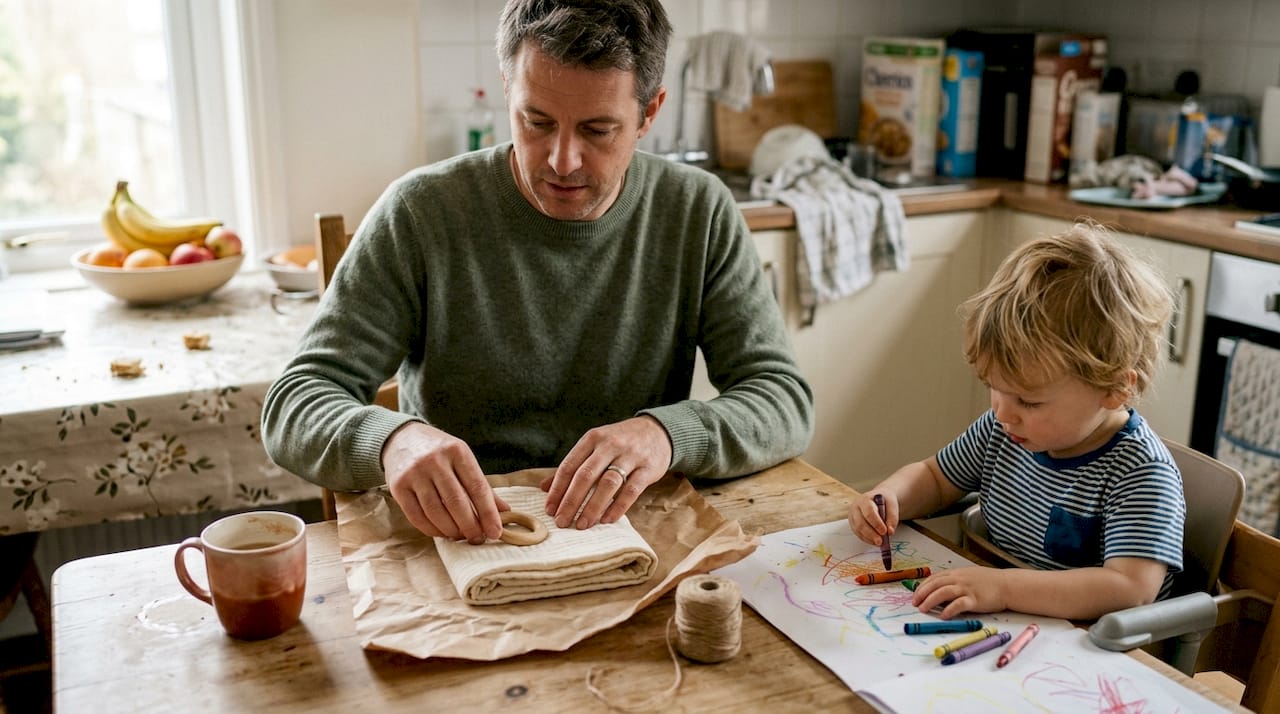
Pro Tip: When gifting for a newborn, choose a fabric wrap large enough to serve as a swaddle or playmat. The gift inside is wonderful, but the wrap itself becomes part of the child’s earliest world, soft, familiar, and entirely their own.
Discover our 2026 newborn and toddler collection
At Nicholas and Rose, we believe that the wrapping should be as cherished as the gift it holds. Our new 2026 newborn and toddler range of reusable fabric gift wraps is crafted from natural materials with a crisp, gentle hand-feel, designed to drape beautifully and endure far beyond the moment of unwrapping.
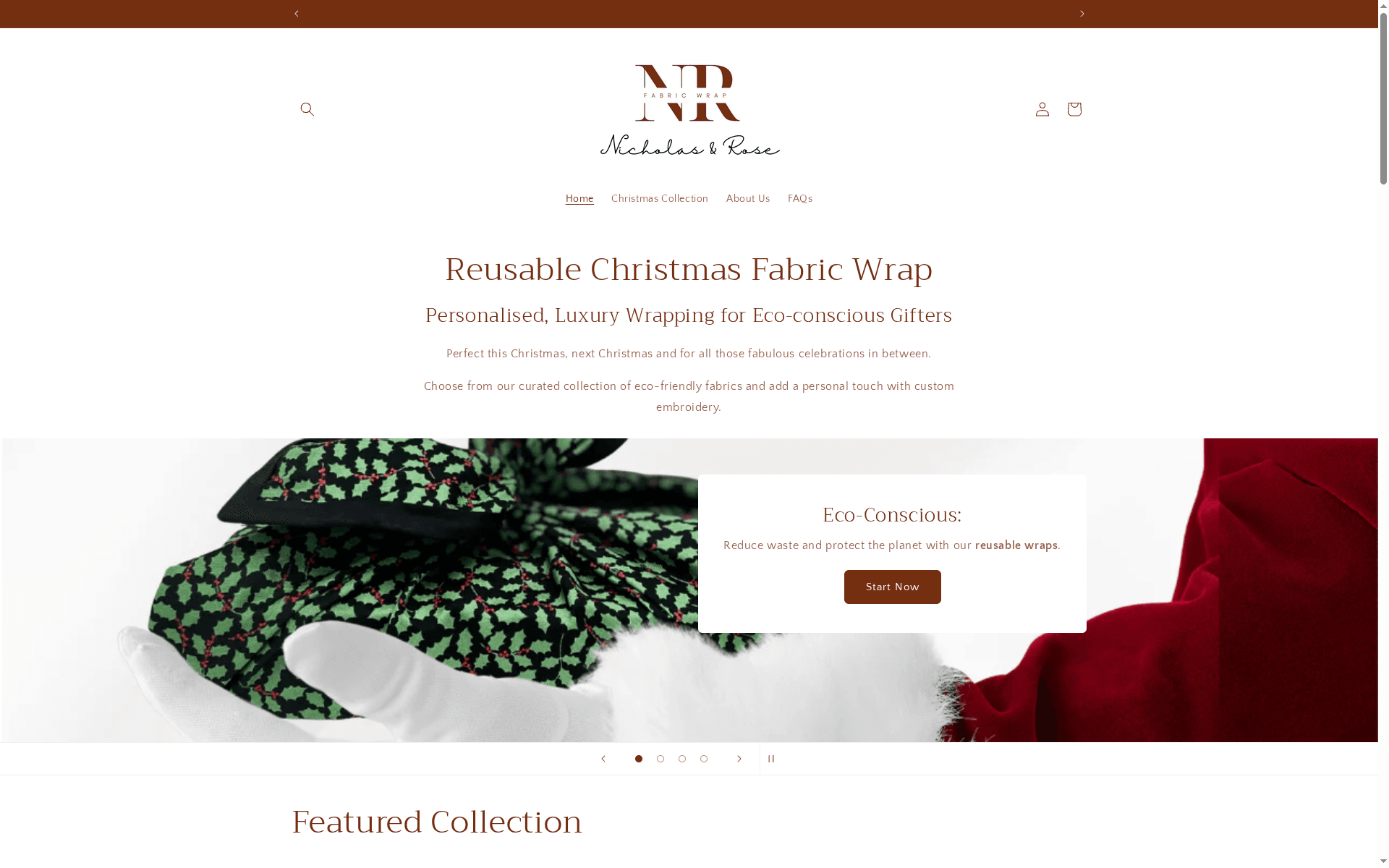
Each wrap can be personalised through bespoke embroidery, transforming a simple piece of fabric into a luminous keepsake that carries a child’s name, birth date, or a motif chosen with love. Unlike wrapping paper that ends in the bin, often before the baby has even arrived, our fabric wraps become swaddles, wall hangings, and treasured mementos. If you are ready to gift with both elegance and intention, explore our reusable fabric gift wraps and discover how beautiful sustainable gifting can truly be.
Frequently asked questions
Are eco-conscious gifts more expensive than regular gifts?
Eco-conscious gifts are often comparable in price to conventional alternatives, and second-hand or experience-based options can be considerably more affordable. Certifications help you verify genuine sustainability claims without paying a premium for greenwashing.
How can I make eco-gifting meaningful for my child?
Focus on gifts with personal or educational value, such as handmade keepsakes, personalised embroidered items, or nature-inspired experiences, as personalisation and experiences are consistently shown to deepen the joy and lasting significance of a gift.
Is eco-friendly packaging really that important?
Yes, packaging can account for a substantial portion of a gift’s total waste, and choosing fabric, recycled or reusable options greatly reduces environmental impact while adding beauty and longevity to the presentation.
Are second-hand gifts socially acceptable in the UK?
Absolutely. Research shows that 92.3% of people are happy to receive second-hand gifts, reflecting a welcome and growing openness to sustainable, thoughtful alternatives across the UK.
Recommended
- Eco materials in gifting: safer, sustainable options for UK parents – Nicholas & Rose Limited
- Luxury personalised gifts for eco-conscious UK parents – Nicholas & Rose Limited
- Unique fabric gift ideas for eco-conscious UK parents 2026 – Nicholas & Rose Limited
- Personalisation in Gifting: Creating Keepsakes for Eco-Conscious Famil – Nicholas & Rose Limited