

How to care for fabric wraps: a complete guide
TL;DR:
- Proper care for fabric wraps involves gentle handling, cold water washing, air drying, and careful storage to extend their lifespan. Be aware of material-specific sensitivities, such as heat sensitivity in beeswax wraps and delicate embroidery on gift wraps, to prevent damage. Regular re-waxing and small routine rituals can keep wraps functional and meaningful as lasting keepsakes.
Proper care for fabric wraps is defined by one principle: gentle handling preserves both the material and its purpose. Whether you are tending to a beeswax food wrap or a reusable cloth gift wrap from Nicholasandrose, the method is the same in spirit. Cold water, mild soap, careful drying, and thoughtful storage are the four pillars of fabric wrap maintenance. Get these right, and a single wrap can serve you through dozens of gifts, from newborn celebrations to toddler birthdays, becoming a keepsake rather than a casualty of the recycling bin.
How to care for fabric wraps: understanding your materials first
Before you wash anything, you need to know what you are washing. Fabric wraps fall into two broad categories, and each responds differently to cleaning.
Beeswax wraps are made from cotton infused with beeswax, jojoba oil, and tree resin. The wax coating is what gives them their characteristic cling and water resistance, and it is also their most vulnerable quality. Heat is the enemy. Warm water, a radiator, or a sunny windowsill will soften and eventually strip the wax, leaving you with a limp piece of cotton that no longer holds its shape around a gift.
Reusable fabric gift wraps, such as those crafted by Nicholasandrose, are typically made from cotton, silk, or linen. These are more forgiving than beeswax wraps in terms of temperature, but they carry their own sensitivities. Embroidered details, bespoke prints, and delicate weaves require a measured hand. A rough scrub or a harsh detergent will fade the very features that make a personalised wrap so precious.
The table below summarises the key differences in care requirements:
| Material | Washing temperature | Soap type | Machine wash? | Key risk |
|---|---|---|---|---|
| Beeswax wrap | Cold only | Mild dish soap | Avoid; cold cycle if needed | Wax melting |
| Cotton gift wrap | Cool to lukewarm | Eco detergent | Gentle cycle, inside out | Colour fading |
| Silk gift wrap | Cold only | Specialist silk wash | Hand wash only | Fibre damage |
| Linen gift wrap | Cool | Mild eco detergent | Gentle cycle | Shrinkage |
Understanding your wrap’s composition is the first act of care. It takes thirty seconds to check the label or product description, and it can add months to your wrap’s life.
How do you wash fabric wraps without damaging them?
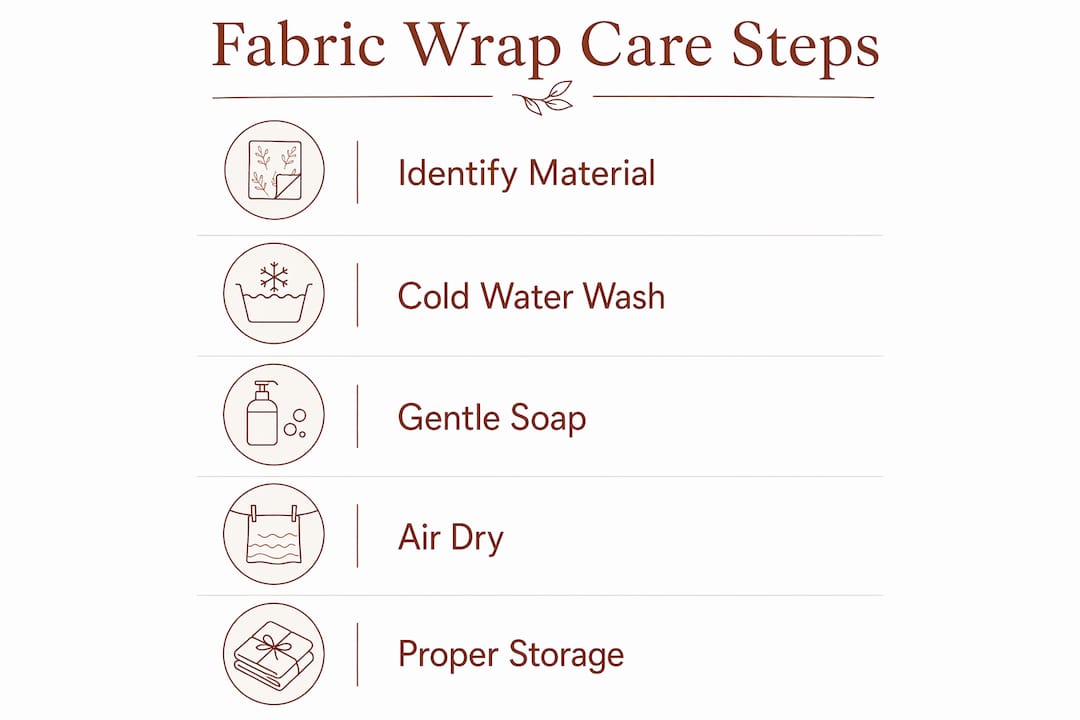
Washing fabric wraps is less about effort and more about restraint. The instinct to scrub firmly or use boiling water to sanitise is precisely what shortens a wrap’s life. Cold water washing is the non-negotiable rule for beeswax wraps, as heat melts the wax coating and destroys the wrap’s ability to cling and seal.
Follow these steps for beeswax wraps:
- Shake off any loose crumbs or debris over a bin before you begin.
- Rinse the wrap under a cool tap, using your hands to loosen any residue.
- Apply a small amount of mild dish soap directly to a soft sponge or cloth.
- Wipe the wrap gently in circular motions, paying attention to any soiled areas.
- Rinse thoroughly under cool running water until the soap is completely gone.
- Do not wring the wrap. Lay it flat or drape it over a rack to air dry.
For reusable cloth gift wraps, the process is similar but allows slightly more flexibility. A cool, gentle machine cycle is acceptable for cotton and linen wraps, provided you turn them inside out to protect any embroidery or print. Silk wraps should always be hand washed. The stepwise cleaning routine recommended by Beekeeper Corner, which covers rinsing, gentle wiping, and air drying, applies equally well to fabric gift wraps.
Pro Tip: If your beeswax wrap has developed a faint odour, add a few drops of lemon juice to your rinse water. It neutralises smells without introducing heat or harsh chemicals.
For stubborn marks on beeswax wraps, a vinegar soak of equal parts cold water and white vinegar for thirty minutes before washing will lift residue without compromising the wax. This is far gentler than any commercial stain remover and costs almost nothing.
Machine washing beeswax wraps is best avoided entirely, but if you must, use the coldest setting available and a delicate cycle. Turn the wrap inside out and place it in a mesh laundry bag. Even then, expect some reduction in wax performance over time.
What are the best ways to dry and store fabric wraps?
Drying is where many well-intentioned people go wrong. The temptation to speed things along with a radiator, tumble dryer, or even a sunny windowsill is understandable, but air drying away from heat is the only method that preserves both wax coatings and fabric integrity. Wild Hearth Life and Moral Fibres both emphasise this point: heat sources and direct sunlight degrade the wrap’s structure and cause creasing that becomes permanent over time.
For drying, follow these practices:
- Hang the wrap over a clean airer or drape it across a towel rail in a cool room.
- Lay flat on a clean, dry surface if hanging is not possible, turning once halfway through.
- Never fold a damp wrap. Folding traps moisture and creates the conditions for mildew.
- Allow the wrap to dry completely before storing, which typically takes one to two hours at room temperature.
Once dry, storing fabric wraps correctly is what separates a wrap that lasts one season from one that lasts several years. Proper care can extend a wrap’s functional lifespan to a year or more, according to Serious Eats, but only when storage conditions are right. Keep wraps in a cool, dry drawer or a woven basket away from direct sunlight. Avoid plastic bags, which trap humidity and encourage mildew.
For Nicholasandrose fabric gift wraps with embroidered details, rolling rather than folding is the gentler option. Rolling prevents sharp creases from forming across stitched areas and keeps the drape of the fabric looking fresh. You can find more detail on reducing wrap fraying through thoughtful storage in the Nicholasandrose guide to storing reusable wraps.
Pro Tip: Tuck a small sachet of dried lavender into your wrap drawer. It deters moths from natural fibres like cotton and linen, and leaves a gentle, clean scent on the fabric.
How do you refresh beeswax wraps when the wax wears off?
Even with perfect care, beeswax wraps will eventually lose some of their cling. This is not a sign that the wrap has failed. It is simply a signal that it is time for a refresh. Recognising the signs early means you can restore the wrap before it becomes unusable.
Signs that your beeswax wrap needs refreshing include a loss of stickiness when warmed in your hands, dull or patchy areas on the surface, and a tendency to unfold rather than hold its shape around an object.
The two most common re-waxing methods are the iron method and the oven method:
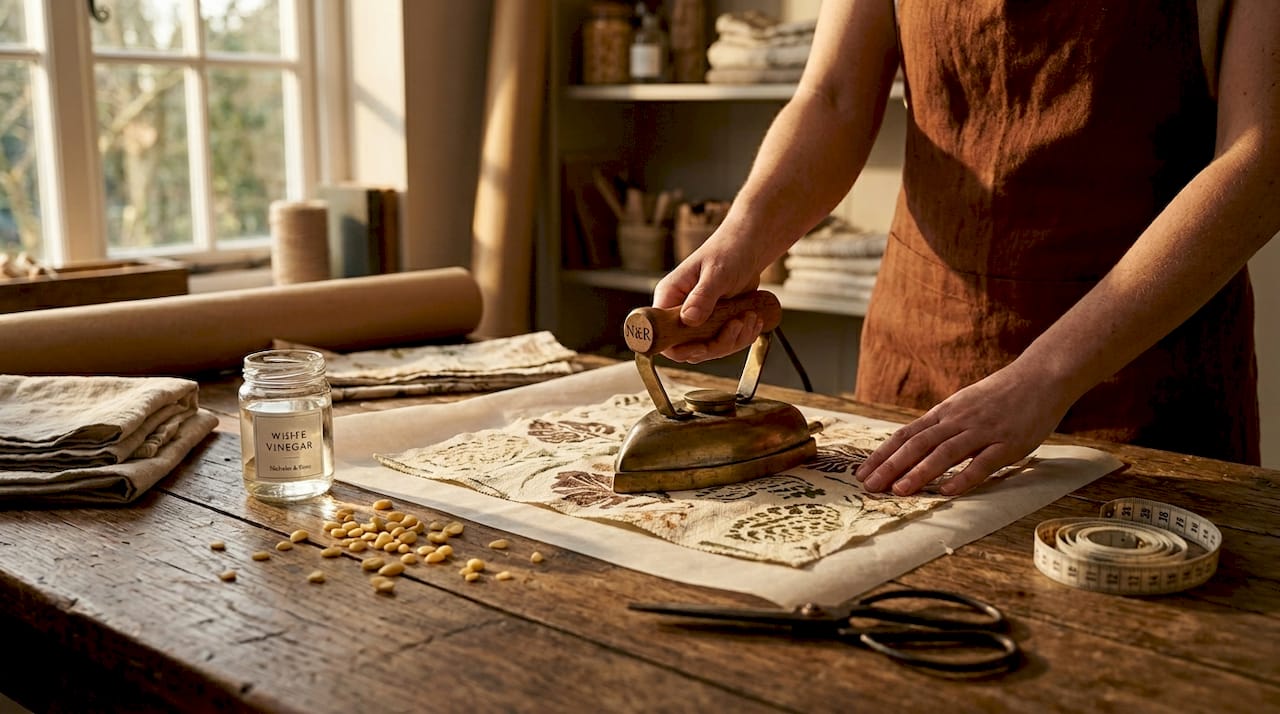
- Iron method: Place the wrap on a sheet of baking paper on an ironing board. Scatter a small amount of beeswax pellets or grate a beeswax refresher bar evenly across the surface. Lay another sheet of baking paper on top. Press with a warm iron on the lowest setting, moving slowly to melt the wax evenly into the fabric. Peel back the top paper while still warm and allow to cool flat.
- Oven method: Preheat your oven to its lowest setting, typically around 70 to 80 degrees Celsius. Place the wrap on a baking tray lined with baking paper, scatter beeswax pellets across the surface, and place in the oven for two to three minutes until the wax melts. Remove carefully, spread the wax with a pastry brush, and hang to cool immediately.
The table below compares the two methods:
| Method | Equipment needed | Time | Best for |
|---|---|---|---|
| Iron method | Iron, baking paper, beeswax pellets | 5 minutes | Small wraps, precise coverage |
| Oven method | Oven, baking tray, baking paper, pastry brush | 10 minutes | Larger wraps, even distribution |
Re-waxing with fresh beeswax pellets is a practical skill that can extend a wrap’s life multiple times over, according to KitMaii. The wrap must be completely dry before you begin, and the wax must be distributed evenly to avoid sticky patches or brittle areas.
How do you remove stains from reusable fabric gift wraps?
Reusable cloth gift wraps, particularly those used for baby shower gifts or newborn presents, will inevitably encounter the occasional mark. The approach here is measured and methodical, not vigorous.
Gentle stain removal for fabric gift wraps follows a clear sequence, as advised by My Citron UK:
- Shake the wrap to remove loose debris before applying any liquid.
- Blot the stain from the outer edge inward using a clean cloth dampened with cold water. Working inward prevents the stain from spreading.
- Test any diluted mild detergent on a hidden seam or inner corner before applying it to the visible surface. This protects embroidered details and printed patterns from unexpected fading.
- Apply the detergent solution sparingly with a soft cloth, dabbing rather than rubbing.
- Rinse with cold water and allow to air dry flat.
Avoid commercial stain removers, bleach, or enzyme-based detergents on personalised wraps. These products are formulated for durability, not delicacy, and they will strip colour and damage embroidery thread over time. For wraps with bespoke embroidery, such as a name or birth date stitched in silk thread, the loss of that detail is irreversible.
Gentle cleaning techniques also prevent microbial growth and unwelcome odours, which is particularly relevant for wraps stored between uses over several weeks. A wrap that smells fresh and looks luminous is one that will be used again and again, fulfilling its purpose as a sustainable alternative to single-use paper.
Key takeaways
Fabric wrap longevity depends on cold water washing, air drying away from heat, appropriate storage, and timely re-waxing when the coating begins to fade.
| Point | Details |
|---|---|
| Cold water is non-negotiable | Hot water melts beeswax coatings and permanently reduces a wrap’s cling and function. |
| Air dry only | Radiators, dryers, and direct sunlight degrade both wax and fabric; always dry flat or on a rack. |
| Store in cool, dry conditions | A drawer or basket away from sunlight prevents mildew, fraying, and colour fade. |
| Re-wax before the wrap fails | Refreshing beeswax wraps with pellets and gentle heat restores function and extends life significantly. |
| Test before treating stains | Always test diluted detergent on a hidden seam to protect embroidery and printed details. |
Why small care rituals make the biggest difference
Helen’s perspective
I have used and recommended fabric wraps for years, and the single most common mistake I see is treating them like ordinary kitchen cloths or standard gift bags. People assume that because a wrap is made from natural materials, it is either indestructible or disposable. Neither is true.
The wraps I have seen last longest are the ones whose owners treat the care routine as a small, deliberate ritual rather than a chore. They rinse after each use, hang to dry in a cool spot, and store flat in a drawer. They notice when the wax begins to dull and refresh it before the wrap loses its function entirely. That attentiveness is what transforms a £15 purchase into a three-year companion.
What surprises most people is how little effort this actually requires. The key to longevity lies in respecting the wax coating and avoiding heat and harsh chemicals, and that translates to perhaps two minutes of care after each use. Two minutes to avoid contributing to the 227,000 miles of wrapping paper the UK discards each Christmas. That exchange feels rather worthwhile.
For personalised fabric gift wraps, the emotional dimension adds another layer of reason to care well. A Nicholasandrose wrap embroidered with a newborn’s name is not just packaging. It is a keepsake that a family may hold for decades. Treating it with the same consideration you would give a fine linen or a treasured garment is simply the right approach.
— Helen
Discover Nicholasandrose fabric gift wraps
If you are ready to make the shift to reusable, personalised gift wrapping, Nicholasandrose offers a beautifully curated collection of fabric gift wraps crafted for longevity and bespoke sentiment. Each wrap can be embroidered with a name, date, or message, transforming it from a simple covering into a lasting memento.
The 2026 newborn and toddler range is designed with new parents in mind, offering wraps that survive the chaos of early childhood while retaining their refined appearance. For those who want to go deeper into care and storage, the eco-friendly care guide on the Nicholasandrose blog covers every detail, from first wash to long-term storage. Gifting beautifully and sustainably has never been more considered.
FAQ
How do you wash fabric wraps without ruining them?
Wash fabric wraps by hand using cold or cool water and a small amount of mild soap, then air dry flat away from heat. Avoid hot water entirely for beeswax wraps, as it melts the wax coating and reduces the wrap’s stickiness and function.
Can you machine wash reusable fabric gift wraps?
Cotton and linen gift wraps can be machine washed on a cold, gentle cycle if turned inside out, but beeswax wraps should be hand washed wherever possible. Machine washing beeswax wraps on anything other than the coldest setting will strip the wax coating prematurely.
How should you store fabric wraps between uses?
Store fabric wraps in a cool, dry drawer or basket, rolled rather than folded to prevent creasing and protect any embroidered details. Never store a damp wrap, as folding traps moisture and creates conditions for mildew.
How do you refresh a beeswax wrap that has lost its cling?
Scatter beeswax pellets across the dry wrap, cover with baking paper, and press with a warm iron on the lowest setting to melt the wax evenly back into the fabric. Re-waxing with beeswax pellets can restore a wrap’s function multiple times over, significantly extending its useful life.
How do you remove a stain from a personalised fabric gift wrap?
Blot the stain from the outer edge inward with a cold, damp cloth, then test a diluted mild detergent on a hidden seam before applying it to the visible surface. Avoid bleach or enzyme-based removers, which will fade colour and damage embroidery thread irreversibly.
Recommended
- How to care for fabric gift wrap: an eco-friendly guide – Nicholas & Rose Limited
- What is fabric wrap etiquette: guide for eco parents – Nicholas & Rose Limited
- Upcycled fabric wrapping process: a complete guide – Nicholas & Rose Limited
- Wrapping Gifts Without Paper: Elegant Fabric Solutions – Nicholas & Rose Limited