

School project eco wrapping ideas: a creative guide
TL;DR:
- Reusable fabric knot wraps, inspired by Japanese furoshiki, teach students sustainability and are cost-effective. Using recycled paper, natural trims, and natural decorative elements facilitates eco-friendly wrapping that promotes reuse and environmental awareness. Choosing simple, reusable closures and matching fabric sizes to gift shapes enhances reusability and minimizes waste in school projects.
School project eco wrapping ideas are creative, sustainable methods for presenting work and gifts using reusable or recycled materials that eliminate single-use waste. From furoshiki-inspired fabric knot wraps to newspaper and dried botanicals, these approaches give students and educators a meaningful way to reduce their environmental footprint. Over 227,000 miles of wrapping paper are discarded every year in the UK, much of it unrecyclable due to plastic coatings and tape. That figure makes the classroom an ideal place to begin changing habits, one thoughtfully tied knot at a time.
1. What are fabric knot wraps and why are they ideal for school eco wrapping?
Fabric knot wraps, rooted in the Japanese tradition of furoshiki, are single squares of fabric tied into secure parcels without tape or scissors. The technique replaces disposable paper with a durable, reusable textile that can be untied, smoothed flat, and used again. AUB’s 2025–26 textiles students designed original 70cm knot wraps as part of their Knot Wrap Revolution project, demonstrating how fabric wrapping can anchor a full sustainability curriculum.
The educational value extends well beyond aesthetics. A knot wrap teaches folding geometry, textile care, and the concept of circular use, all within a single hands-on activity. Students who design their own wraps engage with material choices, colour theory, and environmental consequence in a way that a worksheet cannot replicate.
UK students took this further with ForeverWrap, a reusable fabric product made from 100% cotton deadstock fabric with sewn-in ribbon loops at each corner. Those ribbons eliminate the need for tape entirely. The design insight here is significant: sustainability gains come not just from swapping materials, but from rethinking how a wrap fastens and releases.
Key benefits of fabric knot wraps for school use:
- No tape or scissors required, making them safe for younger students
- Reusable across multiple gifting occasions, reducing ongoing cost
- Available in a range of sizes to suit books, boxes, and oddly shaped projects
- Sewn-in ribbon corners allow clean, elegant closure without adhesives
- Deadstock or scrap fabric sourcing keeps material costs low
Pro Tip: Iron your fabric knot wrap flat after each use and store it folded. A well-maintained 70cm square lasts for years of classroom gifting.
2. How can recycled and natural materials create beautiful eco wraps?
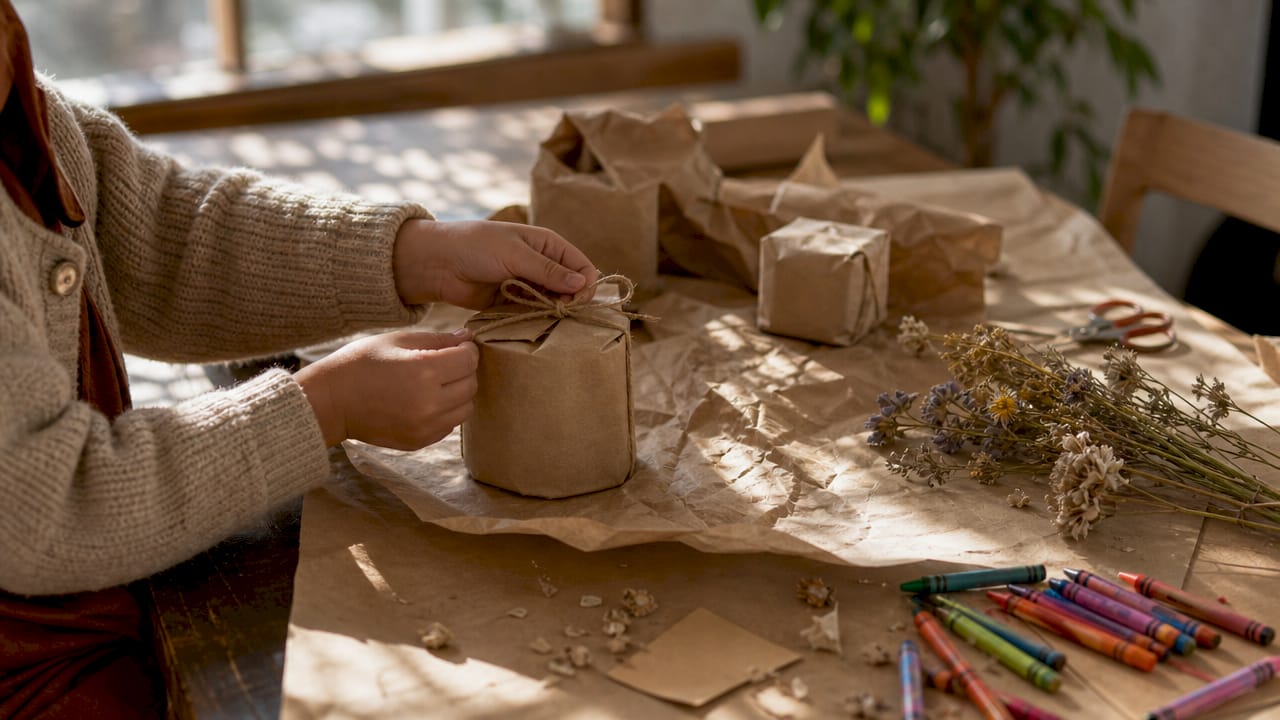
Recycled paper wrapping is the most accessible entry point for sustainable gift wrapping ideas in any classroom. Brown kraft paper, newspaper comic strips, old road maps, and calendar pages all make striking, zero-cost wraps that carry their own visual character. The key is choosing materials that your local council accepts for recycling, since local recycling rules vary and some printed papers require specific disposal routes.
Natural finishing touches lift a recycled paper wrap from functional to genuinely beautiful. Dried flowers, cinnamon sticks, sprigs of rosemary, and lengths of natural jute twine add texture and scent without synthetic materials. These elements are compostable in most home bins, which means the entire wrap, paper and trim, can be disposed of responsibly.
Practical recycled wrapping options worth keeping in your classroom supply cupboard:
- Brown kraft paper rolls (unbleached, widely recyclable)
- Newspaper pages, particularly illustrated sections or maps
- Old sheet music or book pages for a literary aesthetic
- Fabric ribbon scraps, ironed flat and reused across multiple projects
- Natural twine or raffia for tying and finishing
Pro Tip: Collect fabric ribbon offcuts throughout the term and store them in a labelled tin. Fabric ribbons can be ironed flat and reused many times, making them one of the most cost-effective green wrapping materials in any classroom.
One nuance worth teaching: not all wrapping labelled “eco-friendly” carries equal environmental benefit. Prioritising reuse over single-use, even recycled single-use, reduces impact most effectively. A fabric scrap used ten times outperforms ten sheets of recycled kraft paper every time.
3. Which eco wrapping methods balance cost, ease, and environmental impact?
Choosing the right method depends on your budget, the age of your students, and how often wrapping features in your projects. The table below compares the most practical options across four criteria.
| Method | Cost | Ease of use | Reusability | Environmental impact |
|---|---|---|---|---|
| Fabric knot wrap (70cm square) | Low to medium (deadstock sourcing) | Moderate (technique needed) | High (many uses) | Very low |
| Recycled kraft paper | Very low | High | None (single use) | Low if recycled correctly |
| Newspaper or map wrap | Free | High | None (single use) | Low if recycled correctly |
| Reusable fabric gift bag | Low to medium | Very high | Very high | Very low |
| Natural botanical trim | Free to low | Moderate | None (compostable) | Negligible |
Sourcing deadstock fabric is the most cost-effective route for classroom-scale fabric wrapping. Deadstock and discounted fabric reduces material costs significantly, and fabric sales at the end of each season offer further savings. Schools can build a shared wrap library, a collection of fabric squares that students borrow, use, and return, which spreads the cost across the entire year group.
Closure method matters as much as material choice. Wraps secured with sewn-in ribbons or simple knots require no adhesive and can be opened without tearing. This keeps the fabric intact for its next use. Avoiding plastic trims, metallic ribbons, and sticky tape is the single most effective step for lowering a wrap’s environmental footprint.
Storage is straightforward. Folded fabric squares stack neatly in a drawer or basket. Label each size clearly so students can select the right wrap for their project shape without guesswork.
4. Step-by-step techniques for wrapping school projects sustainably
The right technique depends on the shape of what you are wrapping. A flat book calls for a different fold than a cylindrical tube or an irregular sculpture. Matching fabric size to gift shape is the first decision: a 28-inch (approximately 70cm) square suits most book-sized gifts, while larger boxes need a proportionally bigger square.
Wrapping a flat or book-shaped project
- Lay the fabric square flat, rotated 45 degrees so one corner points toward you.
- Place the project face-down in the centre of the fabric.
- Fold the corner nearest you up and over the project.
- Fold the opposite corner down to meet it, tucking the edge neatly underneath.
- Bring the two side corners up and tie them in a firm double knot at the top.
Wrapping a box or oddly shaped project
- Centre the box on the fabric square.
- Lift two opposite corners and tie them once over the top of the box.
- Bring the remaining two corners up and tie them over the first knot.
- Adjust the fabric so it drapes evenly, then tie a final bow to secure.
For recycled paper wraps, cut your paper generously. A tight wrap tears at the edges and cannot be reused. Secure with natural twine rather than tape, finishing with a sprig of dried lavender or a cinnamon stick tucked under the knot.
Pro Tip: Natural decorations like evergreen tips dry out quickly and should be added on the day of gifting. They are unsuitable for posted projects but perfect for in-school presentations.
Personalising a wrap adds genuine meaning. Students can use personalised packaging stamps to print names, patterns, or messages directly onto kraft paper or plain fabric, turning a simple wrap into a keepsake. This step transforms the wrapping from packaging into part of the gift itself.
5. How sustainability education connects to eco wrapping projects
Eco wrapping is a tangible entry point into broader sustainability thinking. When students choose materials, consider their end of life, and practise reuse, they are applying circular economy principles in a context that feels immediate and personal. The AUB Knot Wrap Revolution frames wrapping as a cultural ritual and a shared sustainability system, not merely decoration.
The gifting act itself carries educational weight. When a wrap is passed forward and reused by the recipient, it models the circular gift tradition in a way that a lesson plan alone cannot. Students who design wraps for classmates begin to see materials as resources with ongoing value, not disposable packaging.
Compostability claims deserve careful attention in the classroom. Certifications such as EN 13432, OK Compost Industrial, and OK Compost Home distinguish between materials that break down in industrial facilities and those that compost at home. Teaching students to read these labels builds critical thinking about environmental claims and prepares them to evaluate products throughout their lives.
“The knot wrap transforms gift wrapping into a shared storytelling practice, encouraging reuse and sustainable social habits.” — AUB Knot Wrap Revolution, 2025–26
Reflective activities deepen the learning. Ask students to calculate how many sheets of paper their class would save by switching to fabric wraps for one term. Or invite them to research the gift wrap reuse principles that underpin sustainable gifting culture in the UK. These moments connect craft to consequence in a way that stays with students long after the project is complete.
Key takeaways
The most effective school project eco wrapping ideas combine reusable fabric knot wraps with recycled paper and natural trim, reducing waste while building genuine sustainability literacy.
| Point | Details |
|---|---|
| Fabric knot wraps lead the way | A 70cm fabric square tied without tape is reusable, educational, and cost-effective for classrooms. |
| Recycled materials are accessible | Brown kraft paper, newspaper, and fabric ribbon offcuts create attractive wraps at near-zero cost. |
| Closure method determines reusability | Sewn-in ribbons or simple knots preserve fabric integrity far better than tape or plastic trims. |
| Sustainability education is built in | Wrapping projects teach circular economy thinking, material literacy, and critical evaluation of eco claims. |
| Timing matters for botanicals | Add natural decorations on the day of gifting to keep them fresh and presentable. |
Why eco wrapping changed how I think about classroom creativity
The first time I watched a group of secondary students tie a furoshiki knot wrap around a handmade book, I realised something had shifted. They were not just packaging a project. They were making a decision about materials, about what gets thrown away and what gets passed on. That quiet moment of intention is what most sustainability lessons miss entirely.
Recycled paper wraps are a fine starting point, and I have used them often. But fabric changes the relationship between the giver and the object. When a student knows their wrap will be untied, smoothed, and used again by someone else, they take more care with the fold, the knot, the finishing touch. The wrap becomes part of the gift’s story rather than its disposable shell.
The challenge I hear most from educators is cost. My honest answer is that deadstock fabric sourcing and a shared classroom wrap library solve this almost entirely. A set of twenty 70cm squares, sourced from fabric sales, can serve a whole year group across multiple projects. The initial effort pays back quickly.
What I find most compelling is the cultural dimension. The furoshiki tradition carries centuries of intention behind it. Bringing that into a school project connects students to a global conversation about how we value objects, how we give, and what we choose to keep. That is a lesson worth wrapping carefully.
— Helen
The Nicholasandrose woodland rabbit wrap: a gift worth keeping
For school projects that deserve something truly special, the Woodland Rabbit reusable fabric gift wrap from Nicholasandrose offers a premium alternative to anything disposable. Crafted with the same furoshiki spirit that inspires classroom knot wrap projects, it is designed to be unwrapped, treasured, and used again.
Nicholasandrose specialises in reusable fabric gift wraps that can be personalised through embroidery, making each one a lasting memento rather than a moment of waste. The 2026 newborn and toddler range brings this same thoughtful approach to baby shower gifts and children’s presents. A wrap that carries an embroidered name becomes an heirloom, not packaging. Visit Nicholasandrose to find a wrap that outlasts the occasion.
FAQ
What is a fabric knot wrap?
A fabric knot wrap is a square of fabric tied around a gift using knots rather than tape or scissors. Inspired by the Japanese furoshiki tradition, it is fully reusable and leaves no waste.
What size fabric do I need for a school project wrap?
A 70cm square suits most book-sized or medium box projects. Larger or oddly shaped items benefit from a proportionally bigger square, as zero-waste guides recommend matching fabric size to gift shape.
Can newspaper be recycled after use as gift wrap?
Plain newspaper wrap is generally recyclable, but local rules vary. Check with your local council before assuming printed or coloured newspaper qualifies for kerbside recycling.
How do I keep natural decorations fresh on a wrapped project?
Attach botanical elements such as evergreen sprigs or dried flowers on the day of gifting. Natural decorations dry out quickly and are unsuitable for projects that need to be posted or stored overnight.
Are compostable wrapping materials always eco-friendly?
Not automatically. Certifications like EN 13432 and OK Compost Home indicate specific composting conditions. A material certified for industrial composting will not break down correctly in a home bin, so reading the label is the only reliable guide.
Recommended
- Eco gift wrapping workflow: Sustainable steps for parents – Nicholas & Rose Limited
- Step by Step Eco Gift Wrapping for Personalised Gifts – Nicholas & Rose Limited
- UK eco wrapping checklist for sustainable celebrations – Nicholas & Rose Limited
- Eco-friendly Christmas wrap: Curated, reusable family solutions – Nicholas & Rose Limited