

Educational list on gift wrap reuse: UK guide
TL;DR:
- Reusing gift wrap reduces waste and transforms ordinary materials into meaningful keepsakes, especially when using fabric or furoshiki methods. Proper unwrapping, careful storage, and natural finishes enhance reuse, while understanding recycling rules prevents contamination. Personalised, durable fabric wraps serve as cherished mementos long after the initial celebration.
Gift wrap reuse is defined as the deliberate practice of salvaging, repurposing, or transforming wrapping materials so they serve a second or third life rather than ending in landfill. For eco-conscious gift-givers in the UK, this educational list on gift wrap reuse offers a curated path from casual recycler to genuinely thoughtful celebrant. Whether you are preparing for a baby shower, a child’s birthday, or a quiet seasonal gathering, the choices you make about wrapping carry real weight. Many gift wrap papers contain plastic coatings or glitter that contaminate recycling streams entirely, which means reuse is not simply a preference but a necessity. Fabric wraps, the Japanese furoshiki tradition, and personalised textile solutions from Nicholasandrose offer a graceful alternative to the single-use cycle.
1. The educational list on gift wrap reuse: start with careful unwrapping
The single most overlooked reuse habit is how a gift is opened. Tearing paper apart destroys its future potential in seconds, yet a moment of patience preserves it entirely.
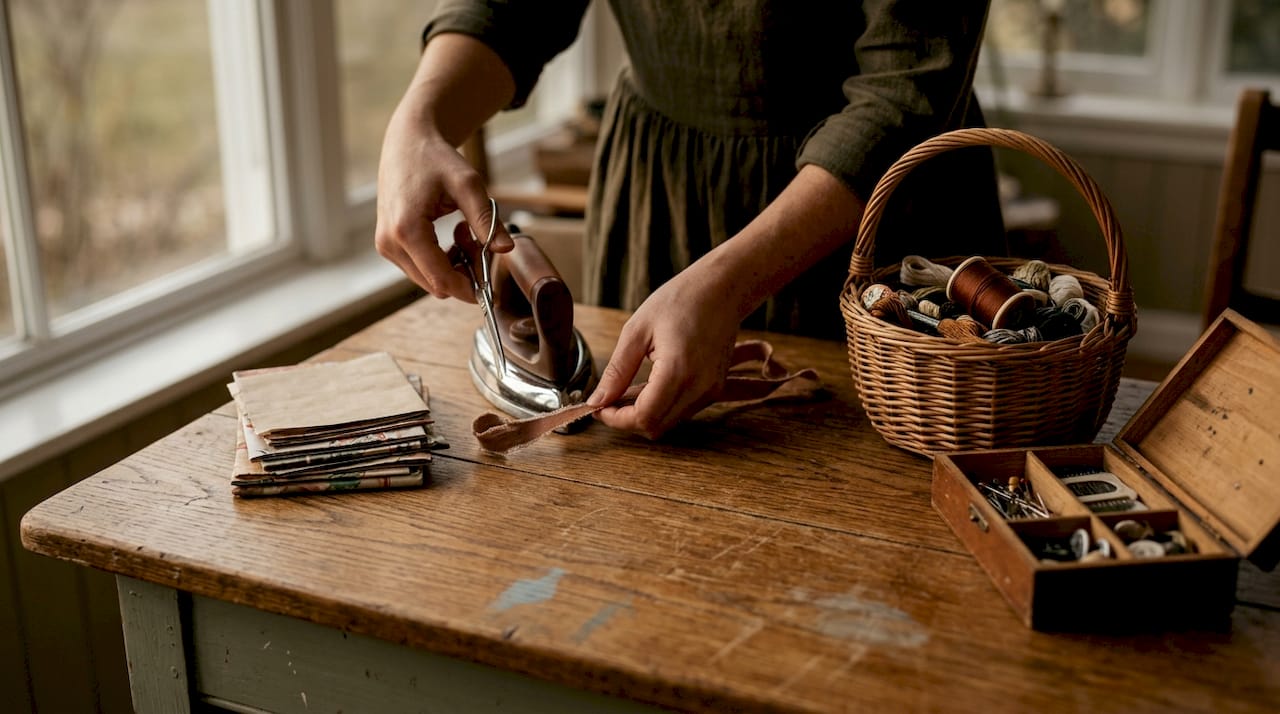
Selective salvage and maintenance extends wrapping paper and ribbon life considerably. The technique is straightforward: slide a finger under taped edges rather than pulling across the fold, and cut away only the damaged corners with scissors. What remains is often a generous, usable sheet.
Fabric ribbons deserve particular attention. Ironing them flat on a low heat setting restores their drape and sheen, making them indistinguishable from new. A ribbon stored loosely in a small tin or box will serve five or six gifts before it shows any real wear.
Pro Tip: Ask guests at children’s parties or baby showers to unwrap gifts slowly. Frame it as part of the celebration ritual rather than an inconvenience, and you will recover far more material for reuse.
2. Reuse smaller sections for smaller gifts
Large sheets of wrapping paper rarely survive a gift intact, but the undamaged portions are perfectly sized for smaller presents. A half-sheet that once covered a book becomes the ideal wrap for a newborn’s first keepsake box or a set of wooden stacking toys.
Cut salvaged paper into neat rectangles and store them flat in a portfolio folder or between the pages of a large hardback. This keeps them crease-free and ready to use without any additional preparation. The presentation remains polished, and the environmental saving is genuine.
Scraps too small for wrapping find purpose as gift tags, envelope liners, or decorative tissue layers inside gift boxes. Nothing need go to waste when you approach each piece with intention.
3. Craft new decorations from paper scraps
Paper chains, bunting, and party hats are among the most charming uses for wrapping paper offcuts, and they cost nothing beyond a little time. A child’s birthday party decorated with bunting made from last year’s Christmas wrap carries a quiet, knowing elegance that shop-bought decorations rarely achieve.
To make bunting, cut salvaged paper into triangles of equal size, fold a narrow hem along the top edge, and thread onto natural twine. The result is lightweight, colourful, and entirely free. Paper chains require only strips, a glue stick, and patience, making them an ideal activity to share with older children.
These craft uses transform the concept of waste into one of creativity and continuity, which is precisely the mindset that sustainable gifting requires.
4. Refresh and reuse gift bags and boxes
Gift bags and rigid gift boxes are among the most reusable wrapping materials available, yet they are routinely discarded after a single occasion. A quality paper bag with rope handles will withstand ten or more uses if stored carefully, folded flat, and kept away from moisture.
Reusing gift bags and delivery cardboard for wrapping reduces waste and adds a considered charm to the presentation. A bag that has travelled between friends and family members over several years becomes a small, shared story in itself.
Rigid boxes, particularly those used for baby gifts or children’s toys, are worth keeping indefinitely. Line them with a square of fabric or a sheet of tissue paper, and they present as beautifully as anything purchased new. For newborn gifts especially, a keepsake box that doubles as storage is a genuinely useful secondary gift.
5. Embrace furoshiki: the art of fabric wrapping
Furoshiki is the Japanese practice of wrapping objects in cloth using knots and tension rather than tape or adhesive. It is not merely decorative craft. Tension and knot friction hold gifts securely without any synthetic materials, making it a fully zero-waste technique.
The recommended cloth size for most gifts and hampers is 70 to 100 cm square, with the precise measurement determined by the gift’s dimensions. An undersized cloth produces an insecure, untidy wrap, while an oversized cloth looks bulky and wastes fabric. Getting the sizing right is the single most important step.
For newborn gifts, a soft muslin square or a lightweight cotton cloth in a gentle print works beautifully as both wrap and secondary gift. The recipient keeps the fabric long after the occasion has passed, which is the defining advantage of this approach. Nicholasandrose offers personalised fabric wraps with bespoke embroidery, transforming the wrapping itself into an heirloom keepsake.
Pro Tip: When wrapping a hamper or a collection of small items, place them in a shallow box first before wrapping in fabric. This creates a stable base and makes the knot-tying considerably easier.
6. Use fabric wraps as a secondary gift
The most elegant dimension of reusable fabric wrapping is that the wrap becomes part of the gift. A beautifully embroidered cloth used to present a newborn’s first outfit is not discarded after the ribbon is untied. It becomes a muslin, a keepsake, or a treasured memento of the occasion.
This principle applies equally to scarves used as wrap for adult gifts, napkins folded around a bottle of wine, or a small blanket arranged around a set of baby books. The sustainable gift wrapping with fabric approach saves up to 90% of the waste associated with traditional paper wrapping, and it elevates the entire gifting experience.
For parents and grandparents choosing gifts for newborns and toddlers, this dual-purpose approach is particularly meaningful. The wrapping carries the child’s name, a birth date, or a gentle motif stitched in thread, and it endures long after the paper would have been forgotten.
7. Explore natural and alternative wrapping materials
Newspaper, vintage maps, pages from illustrated calendars, and wallpaper offcuts all serve as wrapping paper with considerable character. A gift wrapped in a page from a 1970s botanical calendar and tied with natural jute twine has a warmth and individuality that glossy commercial paper cannot replicate.
Scrap fabric from sewing projects, old cotton pillowcases, and linen tea towels are equally effective and entirely free. These materials reduce reliance on single-use materials and plastic tape while adding a tactile, sensory quality to the presentation that paper rarely achieves.
Natural string, beeswax twine, and dried botanical decorations such as cinnamon sticks, sprigs of rosemary, or pressed leaves replace plastic ribbon with something genuinely beautiful. The finishing touch of a small wooden gift tag, hand-lettered with the recipient’s name, completes the picture with quiet refinement.
8. Know your paper: the scrunch test and recycling rules
Not all wrapping paper is recyclable, and understanding the difference protects both your recycling bin and your local authority’s processing stream. UK wrapping paper recyclability is tested most reliably using the scrunch test: scrunch the paper into a ball, and if it holds its shape, it is generally recyclable. If it springs back, it contains plastic or foil and must not enter the recycling bin.
Local council recycling rules vary considerably across the UK, so checking your local authority’s guidance is always worthwhile. Ribbons, bows, and sticky tape must be removed before recycling paper where it is accepted.
The most effective household approach is a three-pile sorting system immediately after opening gifts: intact paper for reuse, recyclable paper for the bin, and non-recyclable material for crafting or responsible disposal. This small act of organisation prevents contamination and maximises the value of every sheet.
9. Personalise and store reusable materials with care
Reuse only works as a long-term habit when materials are stored thoughtfully. Fabric wraps should be washed on a gentle cycle, pressed lightly, and folded with tissue paper to prevent creasing. Paper sheets store best in a flat portfolio or between the pages of a large book, away from damp and direct light.
Personalised fabric wraps from Nicholasandrose are designed to withstand repeated washing without losing their embroidered detail or their luminous drape. This durability is what separates a genuine heirloom piece from a decorative novelty. For eco-friendly tips for parents on storing and caring for reusable wraps, the Nicholasandrose blog offers detailed seasonal guidance.
Labelling your storage with the occasion or the recipient’s name adds a layer of sentimentality that makes the reuse habit feel less like a chore and more like a cherished practice.
Key takeaways
Reusable fabric gift wrap, particularly when personalised through embroidery, is the most durable, zero-waste, and emotionally resonant alternative to single-use wrapping paper for newborn and children’s gifts.
| Point | Details |
|---|---|
| Reuse before recycling | Many papers contain plastic coatings that contaminate recycling; reuse is always the better first choice. |
| Furoshiki sizing matters | Use a 70 to 100 cm square cloth for most gifts; correct sizing produces a secure, tidy wrap without tape. |
| Fabric wraps become keepsakes | Personalised cloth wraps serve as heirloom mementos long after the occasion, especially for newborn gifts. |
| Sort paper immediately | A three-pile sorting system after opening gifts maximises reuse and prevents recycling contamination. |
| Natural finishes complete the gift | Dried botanicals, wooden tags, and jute twine replace plastic ribbon with something genuinely beautiful. |
Why I changed how I wrap every gift
From Helen
I spent years assuming that buying recycled wrapping paper was enough. It felt responsible, it looked lovely, and it went straight in the bin within minutes of being opened. The moment that shifted my thinking was wrapping a newborn gift in a soft cotton cloth embroidered with the baby’s name. The mother kept it. She used it as a muslin, then as a keepsake in the nursery drawer. The paper from the other gifts at that shower was in a bin bag before the sandwiches were served.
What I have learned from working with fabric wraps is that the barrier to reuse is almost never environmental conviction. Most people care deeply. The barrier is habit and presentation. If a reusable wrap looks as beautiful as paper, if it feels considered and personal, people will keep it without being asked. The reuse methods that work are not the ones that feel like sacrifice. They are the ones that feel like an upgrade.
My honest advice is to begin with one fabric wrap for the next baby shower or children’s birthday you attend. Choose something personalised, something with the child’s name or a motif that means something. Watch what happens to it after the gift is opened. You will not go back to paper.
— Helen
Discover Nicholasandrose reusable fabric gift wraps
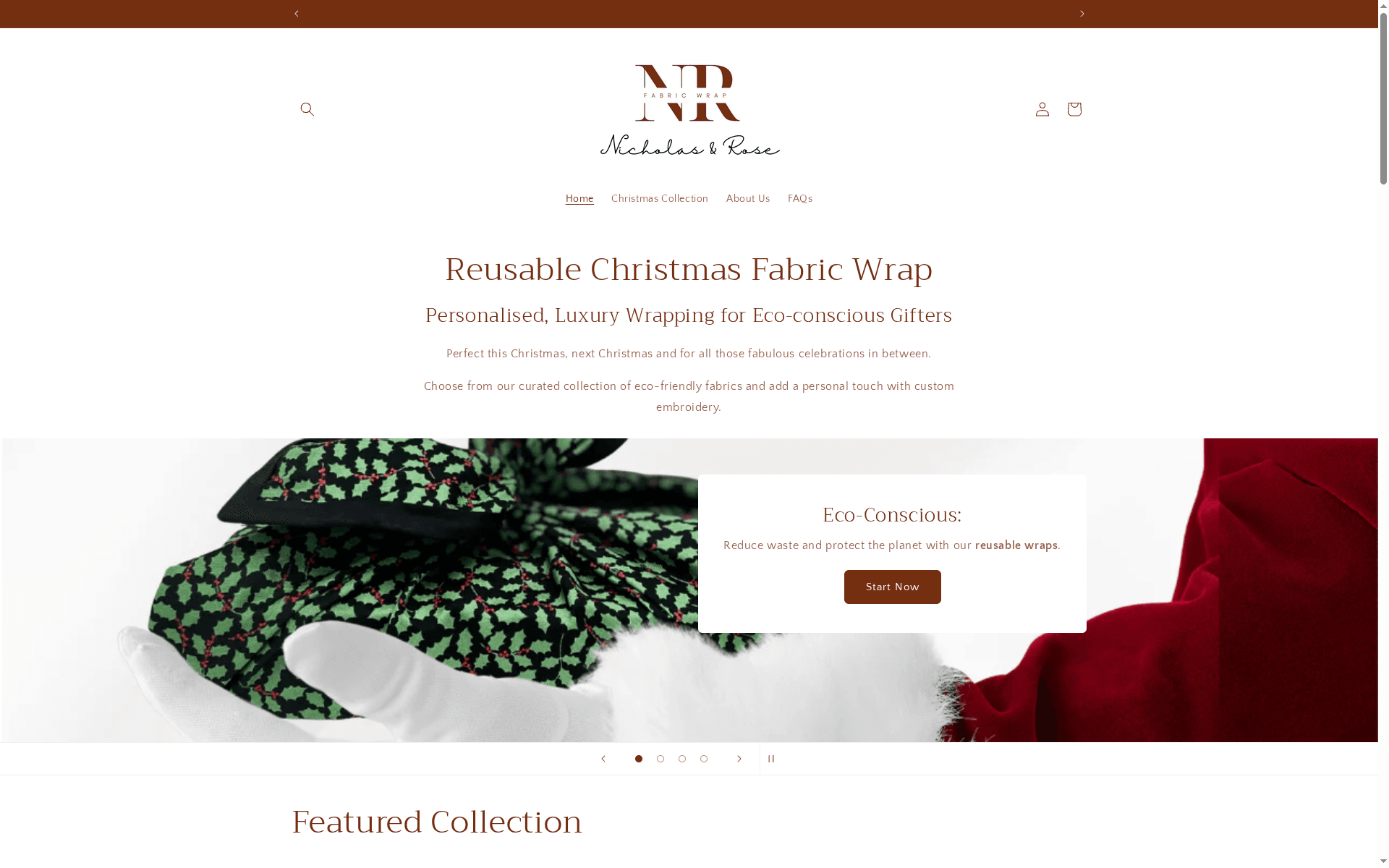
Nicholasandrose creates reusable fabric gift wraps personalised through bespoke embroidery, designed specifically for newborn gifts, baby showers, and children’s celebrations. The 2026 newborn and toddler range offers luminous, soft-touch cloths that wrap beautifully, wash gently, and endure as treasured mementos long after the occasion. Each wrap arrives as both presentation and gift, carrying a name, a date, or a motif stitched with quiet precision. For parents and gift-givers who want their wrapping to mean something beyond the moment of opening, explore the full reusable fabric wrap collection at Nicholasandrose and find the piece that will be kept for years.
FAQ
What is the scrunch test for wrapping paper?
The scrunch test determines whether wrapping paper is recyclable: scrunch the paper into a ball, and if it holds its shape, it is generally accepted by UK recycling collections. Paper that springs back contains plastic or foil and should not enter the recycling bin.
What size cloth is needed for furoshiki wrapping?
A 70 to 100 cm square cloth suits most gifts and hampers, with the precise size depending on the gift’s dimensions. Correct sizing is the most important factor in achieving a secure, tidy wrap without tape.
Can fabric gift wrap be washed and reused?
Yes. Quality fabric wraps, particularly those from Nicholasandrose, are designed for repeated gentle machine washing without losing their embroidered detail or their drape. Pressing lightly after washing and storing flat preserves their appearance between uses.
Which wrapping papers cannot be recycled in the UK?
Papers decorated with glitter, foil, or plastic coatings cannot be recycled and should not enter the recycling bin. Local council rules vary across the UK, so checking your local authority’s guidance alongside the scrunch test gives the most reliable answer.
How do personalised fabric wraps work as newborn gifts?
A personalised fabric wrap embroidered with a baby’s name or birth date serves as both the gift presentation and a keepsake the family retains. Unlike paper, it becomes a muslin, a nursery memento, or a treasured cloth that carries the memory of the occasion for years.
Recommended
- Sustainable gift wrap UK: Eco-friendly tips for parents – Nicholas & Rose Limited
- 7 Steps to a Gift Wrap Sustainability Checklist for Parents – Nicholas & Rose Limited
- Zero waste gift wrapping for UK parents: a 2026 guide – Nicholas & Rose Limited
- Complete Guide to UK-Made Gift Wrap – Nicholas & Rose Limited