

The role of crafts in luxury gifts: why it matters
TL;DR:
- Craftsmanship creates emotional value in luxury gifts by showing care, skill, and intention, especially for personal occasions. Handcrafted items are more durable, sustainable, and carry meaningful stories, transforming them into cherished heirlooms. Buying artisanal gifts supports traditional crafts and enhances the emotional and lasting impact of the gift.
Craftsmanship is defined as the deliberate application of skilled human labour to create objects of lasting beauty, function, and meaning. The role of crafts in luxury gifts is to transform what might otherwise be a pleasant gesture into something genuinely irreplaceable. A hand-embroidered keepsake, a piece of bespoke fabric wrap bearing a newborn’s name, or a hand-stitched textile chosen with care each carry a weight that no factory line can replicate. The handmade gift market is projected to reach $1,942.4 billion by 2033, growing at a compound annual growth rate of 8.83% from 2024 levels. That figure reflects a profound shift in how people think about giving, particularly for life’s most tender occasions.
How craftsmanship creates emotional value in luxury gifts
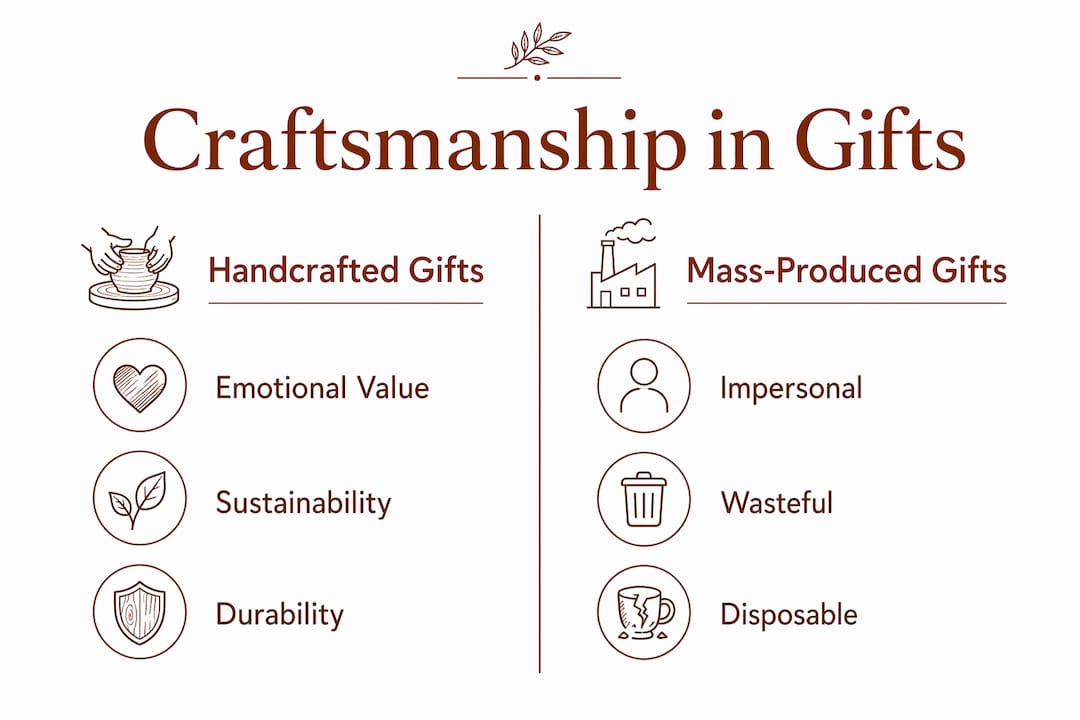
The “handmade effect” is a well-documented phenomenon in consumer psychology. Buyers consistently perceive handcrafted luxury items as more thoughtful and emotionally resonant than mass-produced alternatives, and they are willing to pay a premium for that perception, especially when the gift is for someone they love deeply.
This matters most when the occasion is personal. A newborn’s arrival, a baby shower, a child’s first birthday: these are moments that deserve more than a generic package pulled from a warehouse shelf. Artisanal gifts carry intention. They signal that you considered not just what to give, but how it was made, by whom, and with what care.
The emotional logic is straightforward. When a gift takes longer to create, uses rarer materials, or bears the mark of a maker’s hands, the recipient senses that effort. Handcrafted gifts carry unique material origins and slower creation processes, qualities particularly valued for personal celebrations. That slowness is not inefficiency. It is evidence of devotion.
- Perceived relationship value rises when a gift is visibly made rather than merely purchased.
- Personalisation deepens the bond. A name embroidered into soft fabric speaks directly to the recipient in a way a printed label never can.
- Premium pricing becomes justified not by the cost of materials alone, but by the human hours and skill embedded in each piece.
- Newborn and toddler gifts benefit most from artisanal quality, because parents and grandparents seek items that will endure and be remembered.
Pro Tip: When choosing a handcrafted gift for a newborn, look for pieces that can be personalised with the child’s name or birth date. These details transform a beautiful object into a lifelong memento.
Why sustainability and durability define artisanal luxury gifts
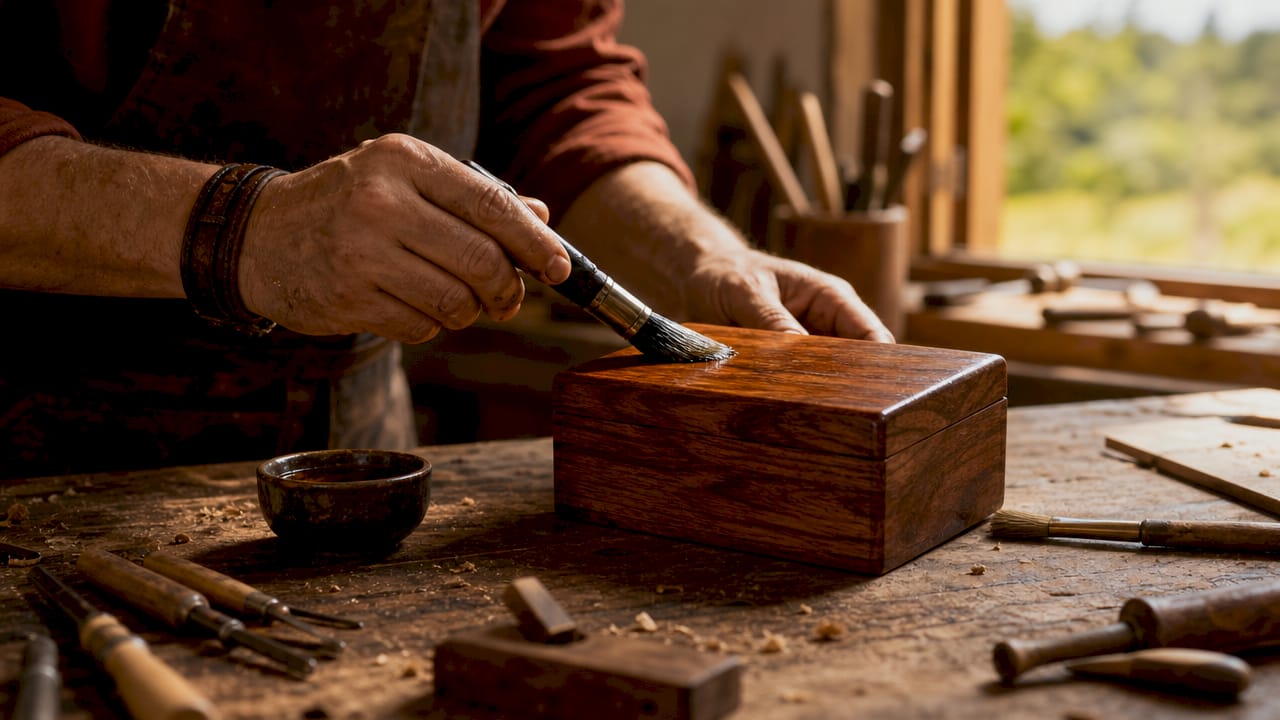
Handcrafted goods last. This is not sentiment. Handmade items often use local, natural resources, reducing carbon footprint compared to industrial processes, and they outlast mass-produced equivalents by a significant margin. When you choose a handcrafted gift, you are choosing something built to be kept, not discarded.
The contrast with fast-fashion gifting is stark. Conventional wrapping paper, for instance, is typically torn open and binned within minutes, often before the baby has even arrived. Reusable fabric gift wrap, by contrast, becomes part of the gift itself. It can be kept, used again, and cherished as a tactile memory of the occasion.
Consumers who care about the environment are increasingly drawn to the circular economy values that artisan crafts embody. Fewer materials wasted, longer product lifecycles, and a preference for quality over quantity all align with the ethos of thoughtful gifting.
| Gift type | Typical lifespan | Environmental impact |
|---|---|---|
| Mass-produced wrapped gift | Single use wrapping, item varies | High waste from packaging |
| Handcrafted gift in reusable fabric wrap | Item lasts years; wrap reused indefinitely | Minimal packaging waste |
| Artisanal keepsake with personalisation | Heirloom potential across generations | Low waste, high emotional value |
Pro Tip: Choose reusable fabric wrap over paper for newborn and baby shower gifts. The wrap itself becomes a keepsake, and you eliminate the waste that ends up in the bin before the celebration is over. Nicholasandrose offers sustainable fabric wrapping that can be personalised through embroidery.
How storytelling and heritage transform artisanal gifts into heirlooms
Craftsmanship stories act as a hidden language that builds trust, desire, and legacy, transforming luxury from mere decoration into genuine heritage. The story answers three questions every discerning gift-giver should ask: who made this, how long did it take to learn, and why can it not be rushed or copied?
When you know that a piece of fabric was woven using a technique passed down across generations, or that an embroidered motif was stitched by hand over several hours, the object changes in your hands. It becomes a cultural asset rather than a commodity. This is the principle that luxury storytelling curates deliberately, educating buyers on the artisan’s journey so they see what they hold as something earned rather than simply expensive.
For newborn and personalised gifts, this narrative dimension is particularly powerful. A fabric wrap embroidered with a child’s name carries the story of its making alongside the story of the child’s arrival. Both narratives become woven together, quite literally, into the object itself.
- Heritage techniques such as hand-embroidery, hand-lacing, and natural dyeing give each piece a traceable origin story.
- Limited runs and vintage materials create genuine scarcity. Limited production windows and numbered pieces stem from true constraints, ensuring authentic rarity and future heirloom potential.
- Artisan legacies connect the buyer to a living tradition. Purchasing a handcrafted item is an act of patronage that funds a maker’s livelihood and sustains a craft for the next generation.
- Personalisation amplifies the story. A name, a date, or a short phrase embroidered into fabric anchors the object to a specific moment in time, making it irreplaceable.
The importance of artisanal gifts lies precisely here. They do not merely mark an occasion. They record it, in thread and texture and the quiet evidence of a maker’s hands. You can read more about why story matters in luxury gifting and how it shapes the way recipients experience a gift long after the day itself has passed.
What exclusive craftsmanship techniques bring to bespoke luxury gifts
Specialised artisan techniques are the foundation of genuine exclusivity in luxury gifting. Hand-lacing, hand-engraving, and hand-embroidery each require years of practice to master. The result is an object that bears the maker’s personal investment in a way that no machine can approximate.
In haute couture, handcrafted works require hundreds of artisan hours using rare materials, often produced in extremely limited runs to preserve rarity. High-end handcrafted accessories can cost £800 to £3,000, reflecting the intensity of skilled labour and the scarcity of materials. That pricing logic applies equally to bespoke gifts at every level: the value is in the making, not just the material.
Scarcity is a genuine driver of value in artisanal gifting. When a piece is made to order, or produced in a limited run, it cannot be replicated on demand. This is what separates a custom luxury present from a premium product. The former is made for you, or for the person you are celebrating. The latter is simply expensive.
Luxury brands today invest beyond products, funding ateliers, schools, and mentorship programmes to sustain craft skills and preserve cultural heritage. Purchasing from artisan-led makers, whether for a newborn gift or a baby shower, participates in that same ecosystem. You are not just buying an object. You are supporting the continuation of a skill.
For bespoke newborn and toddler gifts, the most meaningful techniques are those that leave a visible human mark: an embroidered name in a chosen thread colour, a hand-stitched border on soft fabric, or a personalised motif that reflects the family’s story. These details are what parents and grandparents return to, years later, when they lift the piece from a drawer and remember the day it was given. Exploring a guide to luxury gift shopping can help you identify which artisan techniques carry the most lasting value for the recipient.
Key takeaways
Craftsmanship is the defining quality that separates a luxury gift from an expensive one, and its value lies in the human skill, story, and intention embedded in every handmade piece.
| Point | Details |
|---|---|
| Emotional value of handcrafted gifts | Artisanal gifts are perceived as more thoughtful, especially for personal occasions like newborn arrivals and baby showers. |
| Sustainability through craft | Handcrafted goods and reusable fabric wrap outlast mass-produced alternatives, reducing waste significantly. |
| Storytelling as a value driver | The narrative behind a handmade piece transforms it from a commodity into a cultural keepsake or heirloom. |
| Exclusivity through technique | Specialised skills like hand-embroidery and hand-lacing create genuine scarcity and personal investment in each piece. |
| Personalisation as the final layer | A name, date, or motif embroidered into fabric anchors a gift to a specific moment, making it truly irreplaceable. |
Why I think most gift-givers underestimate the power of craft
Most people choose gifts by price. They set a budget, find something that looks appropriate, and wrap it. The craft behind the object rarely enters the conversation. I think this is the single biggest missed opportunity in gifting, particularly for newborns and young children.
The imperfections in handcrafted pieces signal human authenticity and are intentional signatures valued by discerning buyers. That slight variation in an embroidered stitch, the gentle irregularity in a woven border: these are not flaws. They are proof that a person made this, for this moment, with care. A machine cannot produce that feeling, no matter how sophisticated it becomes.
What I find most overlooked is the patronage dimension. When you buy a handcrafted gift, you are funding a maker’s livelihood and sustaining a skill that might otherwise disappear. That is a meaningful act, and it adds a layer of purpose to the gift that the recipient may never fully know but will somehow sense.
For newborn gifts specifically, I believe the choice of craft matters more than almost any other factor. A child will not remember the occasion, but the object will remain. A beautifully embroidered fabric wrap, kept and reused and eventually passed on, carries the memory of a welcome into the world. That is worth far more than anything that ends up in the bin before the baby arrives.
— Helen
Artisanal gifting for newborns and babies, beautifully wrapped
Nicholasandrose brings together the values this article has explored: skilled craft, meaningful personalisation, and a genuine commitment to sustainability. The 2026 newborn and toddler collection offers reusable fabric gift wrap that can be embroidered with a child’s name, making every gift a bespoke keepsake rather than a single-use gesture.
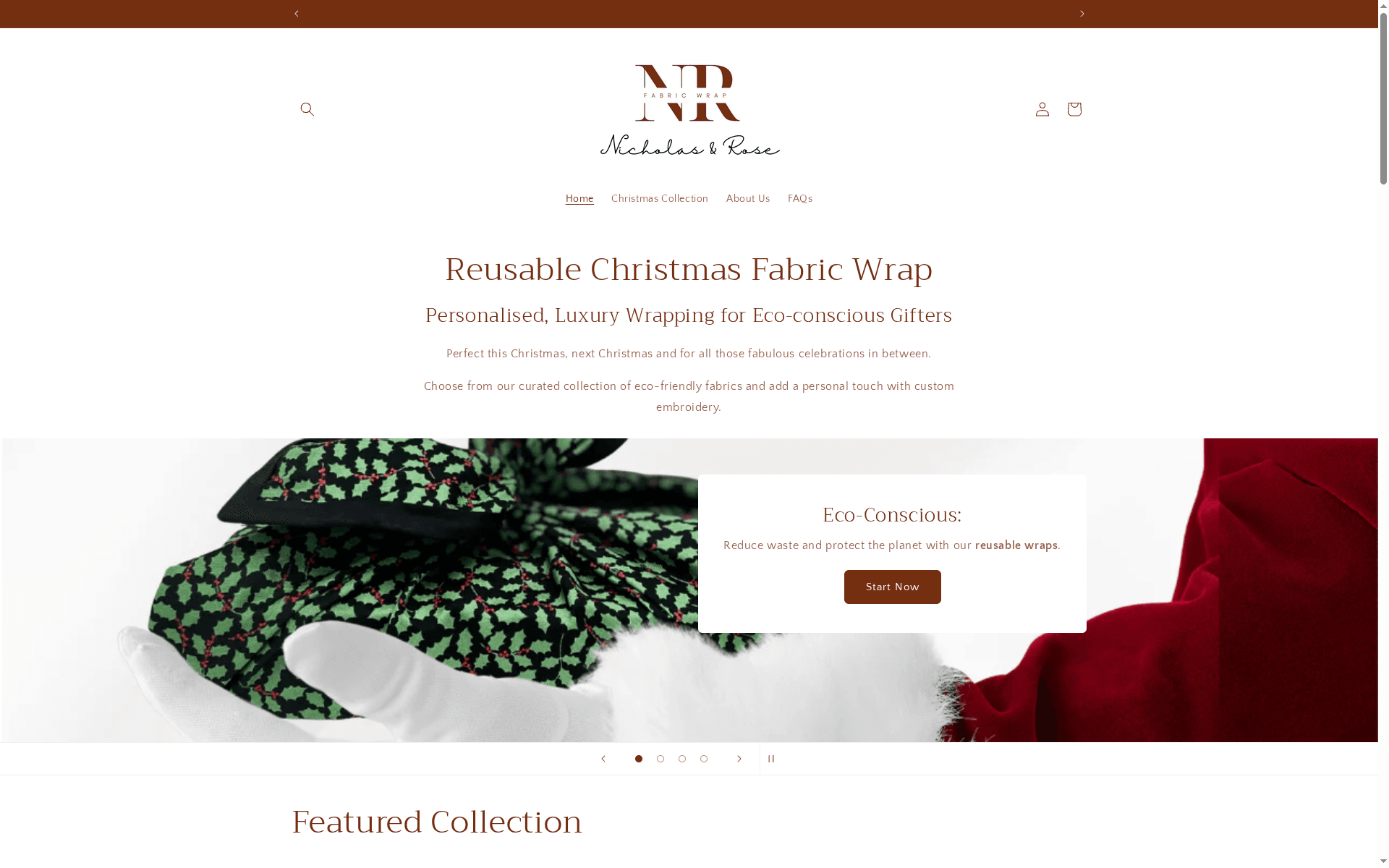
The fabric wrap does not end up in the bin. It becomes part of the gift, a soft, luminous memento that parents keep long after the occasion has passed. Each piece reflects the tradition of craft in eco-friendly wrapping, where the presentation is as considered as the gift itself. For baby showers, newborn welcomes, and children’s celebrations, Nicholasandrose offers something rare: a gift that is beautiful to give, meaningful to receive, and made to last. Visit Nicholasandrose to explore the full collection.
FAQ
What is the role of crafts in luxury gifts?
Craftsmanship gives luxury gifts their emotional depth, authenticity, and lasting value. Handmade techniques like embroidery and hand-lacing create objects that carry a maker’s skill and intention, qualities that mass production cannot replicate.
Why are handcrafted gifts more valuable than mass-produced ones?
Handcrafted gifts are perceived as more thoughtful and emotionally resonant, and they are built to last significantly longer than mass-produced alternatives. The human skill and time invested in each piece justify a premium, particularly for personal occasions.
How does personalisation enhance an artisanal gift?
Personalisation, such as embroidering a child’s name or birth date into fabric, anchors the gift to a specific moment and person. This transforms a beautiful object into an irreplaceable keepsake with genuine heirloom potential.
Are handcrafted gifts more sustainable?
Handcrafted goods typically use natural, local materials and last far longer than mass-produced items, reducing overall waste. Reusable fabric gift wrap, in particular, eliminates the single-use packaging that conventional wrapping paper creates.
What makes a newborn gift truly luxurious?
A truly luxurious newborn gift combines skilled craftsmanship, meaningful personalisation, and sustainable materials. Reusable fabric wrap embroidered with the child’s name exemplifies all three qualities, creating a memento that endures well beyond the occasion itself.
Recommended
- The role of story in luxury gifting: why it matters – Nicholas & Rose Limited
- Why customisation elevates luxury gifts for lasting memories – Nicholas & Rose Limited
- How texture elevates luxury wrapping for children’s gifts – Nicholas & Rose Limited
- Luxury wrapping: details that create lasting impressions – Nicholas & Rose Limited