

Why innovation in wrapping matters for eco gifting
TL;DR:
- Innovative wrapping shifts from single-use wasteful materials to reusable, compostable options that benefit both the planet and emotional value.
- Fabric wraps made from natural fibers reduce environmental impact, create lasting keepsakes, and enhance the unboxing experience for eco-conscious consumers.
Wrapping innovation is defined as the deliberate shift from single-use, waste-generating materials towards reusable, compostable, and thoughtfully designed alternatives that serve both the gift-giver and the planet. For eco-conscious individuals across the UK, this shift is not a peripheral concern but a quiet, meaningful act of care, one that begins the moment you reach for a roll of paper destined for the bin before the baby has even arrived. The importance of wrapping innovation is felt most acutely in the gifting of newborns and young children, where the wrap itself can become a keepsake, a whisper of love stitched into fabric and remembered long after the gift inside has been outgrown.
Why innovation in wrapping matters for the environment
The textile industry accounts for approximately 10% of global carbon emissions and consumed 124 million tons of material in 2023. That single figure reframes the wrapping paper aisle entirely. Every sheet of plastic-coated, glitter-dusted paper that cannot be recycled is a small contribution to a vast, compounding problem, and in the UK alone, an estimated 227,000 miles of wrapping paper is discarded each Christmas season.
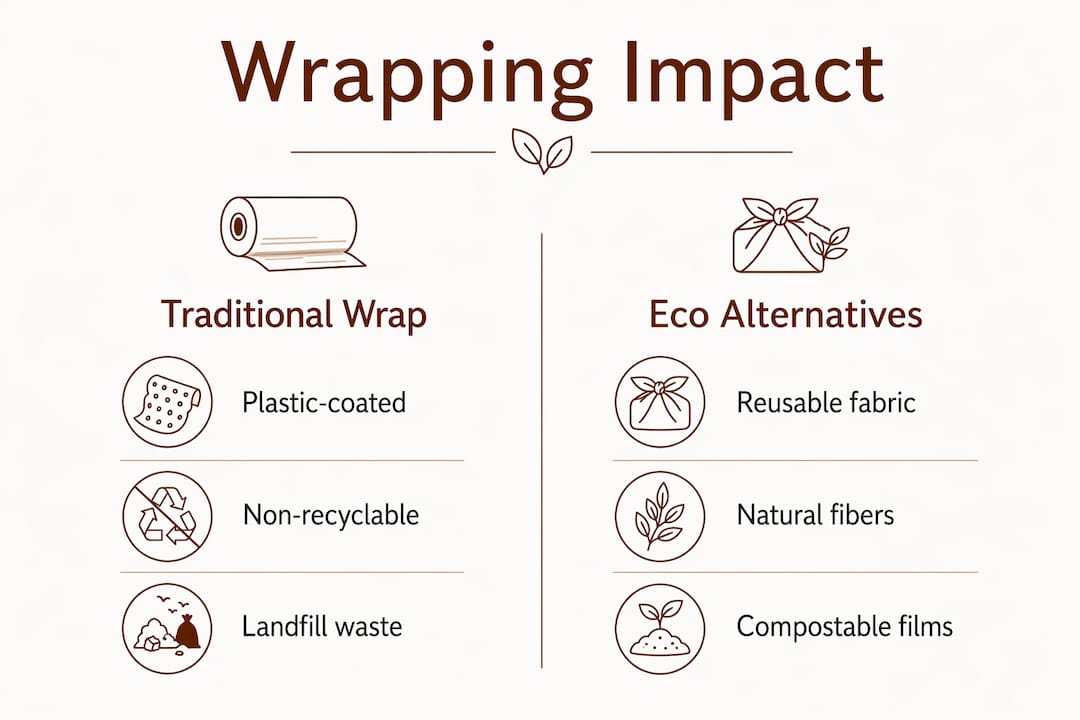
Traditional wrapping paper presents a particular challenge because its festive finishes, foil laminates, and synthetic dyes render it unrecyclable in most UK kerbside collections. The paper itself may be recyclable in theory, but the coatings prevent it from being processed effectively. This is not a minor inefficiency. It is a structural flaw in the way we have been taught to celebrate.
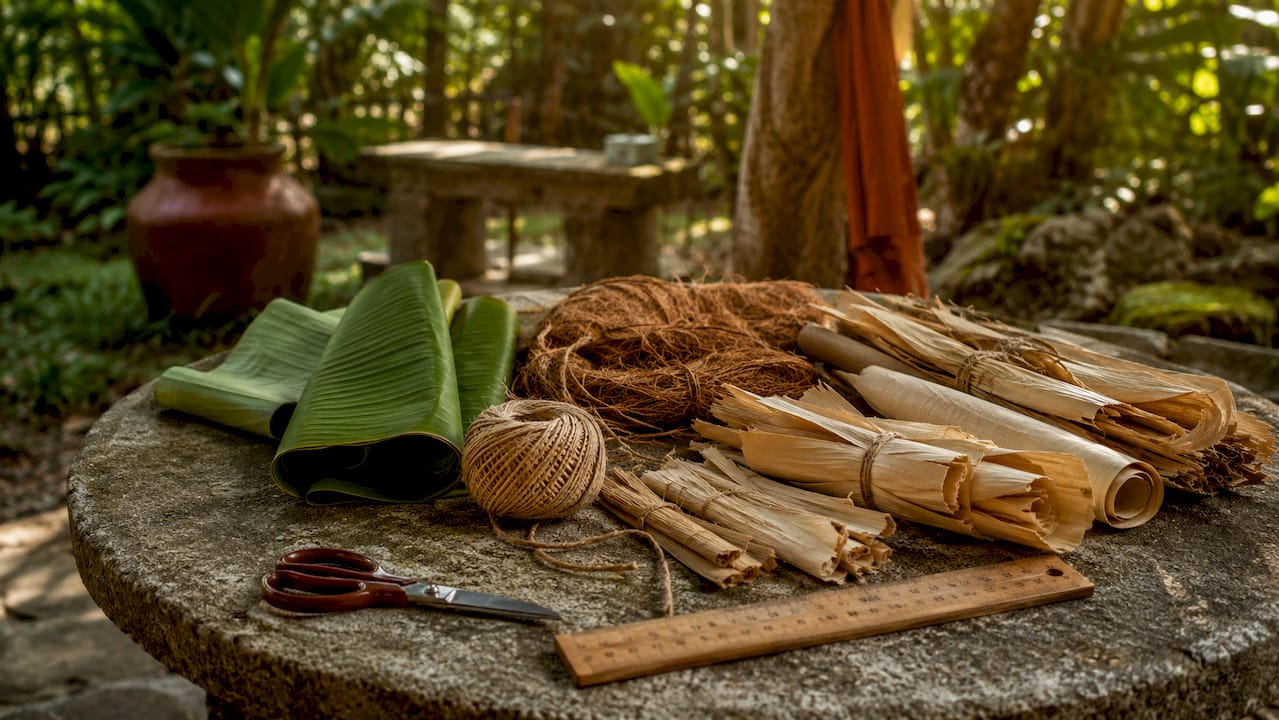
The emergence of natural fibres such as PALF (pineapple leaf fibre), Abaca, Kapok, and PLA-based films offers a genuinely different path. These materials are either compostable, biodegradable, or designed for repeated use, and they carry a tactile quality that mass-produced paper simply cannot replicate. The crisp hand-feel of a woven cotton wrap or the soft drape of an organic muslin cloth transforms the act of unwrapping into something closer to a ritual than a transaction.
Circular economy principles applied to gift wrapping mean that the material does not end its life in a bin bag. It returns to the giver, is passed to a sibling, or is folded away as a memento. The benefits of fabric gift wrap for eco-conscious parents extend well beyond the environmental, touching on sentiment, longevity, and the quiet pride of choosing differently.
Pro Tip: When selecting a reusable wrap for a newborn gift, choose a fabric with at least 200 thread count or a certified organic weave. These materials wash beautifully and retain their colour and structure through years of reuse, making them worthy of the heirloom status they deserve.
| Wrapping type | Environmental impact |
|---|---|
| Plastic-coated paper | Non-recyclable; ends in landfill after single use |
| Standard kraft paper | Recyclable if uncoated; limited reuse potential |
| Compostable PLA film | Biodegradable under industrial composting conditions |
| Reusable fabric wrap | Near-zero waste over multiple uses; washable and durable |
What do consumers actually want from gift wrapping?
Protective packaging is a priority for 95% of consumers, and 59% say packaging quality directly influences their repeat buying decisions. These figures come from a 2025 Shopify survey of 6,000 individuals, and they confirm what many thoughtful gift-givers already sense intuitively. The wrap is not incidental. It is the first physical impression, the opening note of the experience you are creating for someone you love.
Packaging forms quality judgements in seconds, before the gift inside is even visible. For a newborn gift or a baby shower present, this moment carries particular weight. The recipient is often exhausted, overwhelmed, and deeply moved. A beautifully wrapped gift, especially one bearing an embroidered name or a date stitched in thread, communicates care in a language that transcends the contents of the parcel.
UK consumers are also demanding greater transparency. Sustainability is now a baseline expectation, with purchasing decisions shaped by recyclability, carbon footprint, and ethical sourcing. This is not a niche preference. It is the direction of the market, and gift-givers who align with it are not simply making an environmental choice. They are making a social one.
The unboxing experience has become a form of storytelling, particularly for gifts shared on social media or documented in baby memory books. A luminous fabric wrap, tied with a satin ribbon and personalised with a child’s name, photographs beautifully and lingers in the memory. Simple aesthetic touches, such as seeded bands or handwritten notes on recycled kraft paper, elevate perceived luxury and signal that the giver has thought carefully about every detail.
Traditional wrap vs. compostable vs. reusable fabric: which is right for you?
The choice between wrapping materials is rarely as simple as it appears, and understanding the trade-offs helps you make a decision that aligns with your values, your budget, and the nature of the gift itself.
| Option | Environmental cost | Perceived value | Practical challenge |
|---|---|---|---|
| Traditional paper | High; mostly landfill | Low to moderate | None for giver |
| Compostable film | Low if composted correctly | Moderate | Requires industrial composting |
| Reusable fabric wrap | Very low over time | High; premium feel | Initial cost; return logistics |
Reusable fabric wrap programmes increase average order value by 11 to 18% on premium products, though return handling costs can erode that gain if not managed thoughtfully. This finding, drawn from a 12-week field test of six eco-wrap systems, underlines a truth that applies equally to individual gift-givers: the value of reusable wrapping is realised over time, not in a single transaction.
LUSH has long championed recycled fabric wraps in its retail gifting, and the artisan textile market in the UK has grown steadily around the same principle. What distinguishes the finest fabric wraps is not merely their environmental credentials but their capacity to become part of the gift itself. A wrap embroidered with a baby’s name and birth date is not discarded. It is folded into a drawer, brought out for a younger sibling, or kept as a memento of a day that mattered.
A hybrid approach suits many eco-conscious gift-givers well. Lightweight compostable mailers for postal gifts, combined with premium reusable fabric wraps for in-person occasions, allows you to honour both practicality and principle. Personalisation adds another layer entirely, transforming a functional object into something irreplaceable.
Pro Tip: If you are gifting a newborn and wish to use a reusable fabric wrap, include a small card explaining how to care for and reuse the wrap. Clear, warm instructions increase the likelihood that the fabric will be kept and used again, completing the circular intention you began.
How to choose innovative wrapping for newborn and baby gifts
Selecting the right wrap for a newborn or toddler gift requires a different kind of consideration than wrapping an adult present. The gift itself is often soft, fragile, or irregularly shaped, and the occasion carries an emotional weight that calls for something beyond the ordinary.
-
Choose fabric suited to the gift. A lightweight organic cotton or muslin wrap works beautifully for clothing, soft toys, and blankets. For firmer gifts such as books or wooden toys, a slightly heavier woven fabric with structure will hold its shape and drape with elegance.
-
Personalise with intention. Embroidered names, birth dates, or a simple motif transform a wrap into a keepsake. Nicholasandrose offers bespoke embroidery on reusable fabric wraps, making each piece a memento that outlasts the gift it carries. Explore personalised gift wrap ideas for inspiration tailored to eco-conscious UK gifting.
-
Communicate the wrap’s purpose. Include a note explaining that the fabric is designed to be reused, washed, and passed on. Many recipients will not have encountered reusable wrapping before, and a gentle explanation transforms potential confusion into delight.
-
Consider the unboxing experience. Tie the wrap with a natural cotton ribbon or a length of raffia. Tuck a sprig of dried lavender or a small handwritten card beneath the knot. These details cost very little but create a sensory memory that endures.
-
Source from trusted UK makers. Nicholasandrose and other British artisan brands offer fabric wraps that meet both aesthetic and ethical standards. For a broader overview of sustainable choices available in the UK, the sustainable gift wrap guide offers a considered starting point.
Pro Tip: For baby shower gifts, choose a wrap in a gender-neutral tone such as sage, stone, or soft ivory. These colours photograph beautifully, age gracefully, and suit any nursery palette, making the wrap as versatile as it is beautiful.
What does the future of wrapping innovation look like?
The next chapter of wrapping innovation is being written at the intersection of material science, artificial intelligence, and consumer expectation. Several developments are already reshaping what is possible.
- Smart packaging and AI integration. AI now optimises bio-textile production, predicts material durability, and ensures that sustainable wrapping meets the structural demands of shipping. This means eco-friendly wraps will increasingly match the protective performance of conventional packaging.
- Circular economy investment. New regulatory frameworks across the UK and EU are directing capital towards circular packaging models, accelerating the shift away from single-use materials at a structural level.
- High-performance natural fibres. PALF, Abaca, and Kapok are moving from niche applications into mainstream gifting, offering premium tactile qualities that rival silk and fine linen at a fraction of the environmental cost.
- Traceability and transparency. Consumers are beginning to expect verifiable information about where their wrapping materials originate and how they were produced. QR codes, certifications, and supply chain transparency are becoming part of the future of packaging solutions rather than optional extras.
- Emotional connection as a design principle. The most forward-thinking wrapping solutions are designed not merely to protect but to connect. A wrap that carries a name, a date, or a carefully chosen motif becomes part of the story of a child’s earliest days, a thread woven into the fabric of family memory.
Key takeaways
Reusable, personalised fabric wrapping is the most effective way to reduce gifting waste while deepening the emotional resonance of a gift, particularly for newborns and young children.
| Point | Details |
|---|---|
| Environmental urgency | Traditional wrapping paper is largely non-recyclable; fabric wraps reduce waste across multiple uses. |
| Consumer expectations | 95% of consumers prioritise protective packaging, and 59% say quality influences repeat decisions. |
| Personalisation adds value | Embroidered names and dates transform a wrap into a keepsake that outlasts the gift itself. |
| Hybrid approaches work | Combining compostable mailers with premium fabric wraps suits both postal and in-person gifting. |
| Future trends favour circularity | AI, natural fibres, and traceability are converging to make sustainable wrapping the new standard. |
Why I believe wrapping innovation changes everything
I have watched wrapping paper torn from a newborn gift and discarded before the mother has even held the baby properly. The paper lands on the floor, crumpled and forgotten, while the gift is passed around the room. That moment crystallised something for me: the wrap is not the afterthought. It is the first act of care.
What strikes me most about reusable fabric wrapping is not its environmental virtue, though that matters enormously. It is the way personalisation changes the recipient’s relationship with the wrap itself. When a name is stitched into the fabric, people do not throw it away. They fold it. They keep it. They bring it out again for a younger sibling and feel the warmth of the original occasion return.
The challenge is education, and it is a gentle one. Many people have simply never encountered a reusable wrap before, and the first time they do, they need a little guidance. Clear care instructions, a warm note explaining the intention, and a beautiful presentation do most of the work. Once someone has received a fabric wrap and understood its purpose, they rarely go back to paper. That quiet conversion is, I think, how lasting change actually happens.
— Helen
Discover bespoke reusable wrapping for newborns and children
Nicholasandrose creates reusable fabric gift wraps designed with newborns, toddlers, and young children in mind, each one available with bespoke embroidery so that the wrap itself becomes a treasured memento. The 2026 newborn and toddler range brings together organic textiles, refined design, and the kind of personalisation that transforms a gift into a keepsake. If you are ready to move beyond paper that ends in the bin before the baby is born, explore the full collection and discover reusable fabric gift wraps crafted for gifting that endures. Every wrap arrives with care instructions and a gentle guide to reuse, because the intention behind the gift deserves to be carried forward.
FAQ
What makes reusable fabric wrapping better than paper?
Reusable fabric wraps generate near-zero waste across multiple uses, whereas most decorative wrapping paper is non-recyclable due to plastic coatings and foil laminates. Fabric wraps also carry greater perceived value, particularly when personalised with embroidery.
How does personalisation affect the value of a gift wrap?
Personalised wraps, such as those embroidered with a baby’s name or birth date, are kept rather than discarded, making them a lasting memento. Research from eco-wrap field tests confirms that aesthetic details significantly increase the perceived luxury of a gift.
Are reusable wraps practical for posting baby shower gifts?
Reusable fabric wraps are well suited to in-person gifting, while lightweight compostable mailers work better for postal occasions. A hybrid approach, combining both, covers most gifting scenarios without compromising on sustainability.
Why does packaging quality matter for baby and newborn gifts?
Packaging quality influences repeat buying decisions for 59% of consumers and shapes trust and emotional response before the gift is even opened. For newborn occasions, where emotion runs particularly high, the wrap sets the tone for the entire gifting experience.
What natural fibres are used in sustainable gift wrapping?
Sustainable wrapping materials include PALF, Abaca, Kapok, and organic cotton, all of which offer compostable or reusable properties alongside a refined tactile quality. These fibres are increasingly available through UK artisan makers and specialist eco gifting brands.
Recommended
- Innovative holiday wrapping: Sustainable gifts for little ones – Nicholas & Rose Limited
- Eco Luxury Wrapping: Cut UK Gift Waste 90% with Keepsakes – Nicholas & Rose Limited
- How design makes eco wraps beautiful and sustainable – Nicholas & Rose Limited
- Eco Aware Wrapping: Defining Sustainable Luxury – Nicholas & Rose Limited