

Guide to sustainable gifting for eco-conscious occasions
TL;DR:
- Sustainable gifting minimizes environmental harm while emphasizing personal and emotional value.
- Planning gifts ahead and choosing durable, eco-friendly items or experiences reduces waste and carbon footprints.
Sustainable gifting is defined as the practice of choosing presents that minimise environmental harm while maximising personal, emotional, and social value. This guide to sustainable gifting walks you through every stage of the process, from planning your gifting calendar to selecting durable, meaningful presents and wrapping them beautifully without a scrap of single-use plastic. Whether you are celebrating a newborn arrival, a baby shower, a child’s birthday, or another cherished milestone, the principles here apply with equal grace. The choices you make at the gift-giving stage carry real weight, and this guide will show you exactly how to make them count.
What does a guide to sustainable gifting actually cover?
Sustainable gifting rests on three pillars: longevity, emotional resonance, and reduced environmental impact. A gift that is wanted, used, and kept for years outperforms any item that arrives in a blaze of novelty and ends up in a landfill within months. The most sustainable gift is one that is genuinely wanted and used, not simply marketed as eco-friendly. That distinction matters enormously when you are navigating a market flooded with greenwashed products.
The UK gifting sector generates significant waste each year, much of it from packaging alone. Glitter, plastic films, and non-recyclable foil wrap all contribute to that burden. Sustainable gifting asks you to look beyond the product itself and consider the full picture: how it was made, how it travels to you, how it is presented, and what happens to it after the occasion has passed. That breadth of thinking is what separates a thoughtful eco gift from a well-intentioned but ultimately wasteful purchase.
How to plan your gifting year sustainably
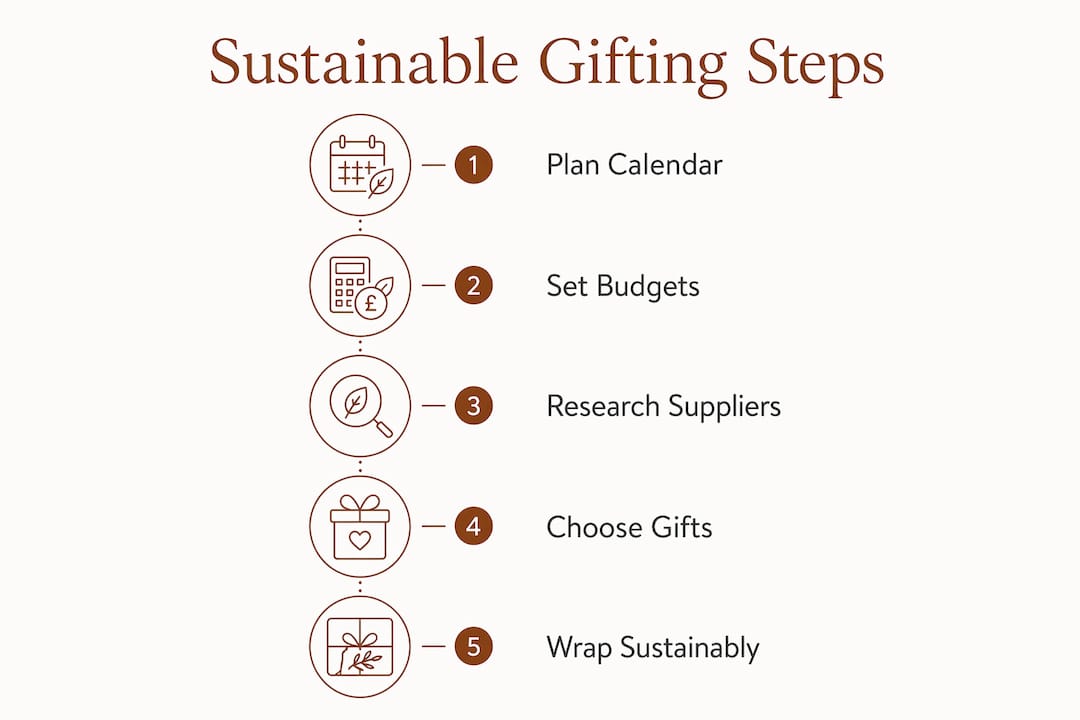
Treating gifting like a professional project means building a 12-month calendar, setting lead times, and allocating budgets before occasions arrive. This approach removes the last-minute scramble that so often leads to poor choices: rushed online orders, excessive packaging, and gifts that miss the mark entirely. Planning ahead also gives you time to commission bespoke or locally made items, which tend to carry both greater meaning and a lighter environmental footprint.
Building your gifting calendar
Map every occasion across the year in january: birthdays, baby showers, newborn arrivals, christenings, and seasonal celebrations. Assign a realistic budget to each, favouring quality over quantity. A single, beautifully made gift that lasts a decade is worth far more than three disposable items that delight for a week.
| Occasion | Lead time needed | Budget approach | Sourcing priority |
|---|---|---|---|
| Newborn arrival | 4–8 weeks | Mid to high | Local artisan or bespoke |
| Baby shower | 2–4 weeks | Mid | Ethical UK supplier |
| Child’s birthday | 2–3 weeks | Flexible | Experience or durable goods |
| Seasonal celebration | 6–8 weeks | Planned annually | Circular economy brands |
Pro Tip: Set a recurring reminder in october to review your gifting calendar for the following year. Ordering bespoke or embroidered gifts in advance avoids premium rush fees and reduces the likelihood of expedited, high-emission shipping.
Research your suppliers before you commit. Look for transparent supply chains, clear material sourcing, and honest environmental claims. Ethical delivery platforms have neutralised over 81 million deliveries to date, removing more than 56,000 tonnes of carbon in the process. Choosing suppliers who prioritise this kind of accountability compounds the positive impact of your gift selection.
How do you choose truly sustainable gifts?
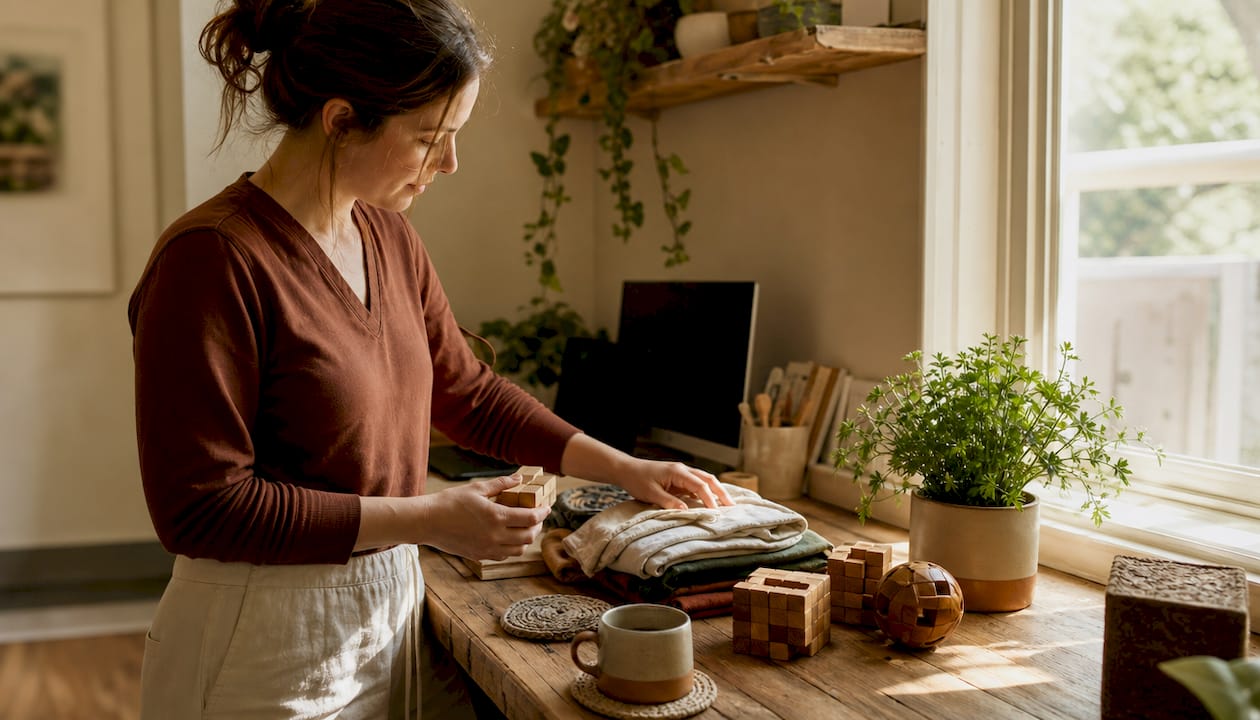
The most durable gifts are those with emotional staying power as well as physical resilience. Products that support longevity and repairability consistently outperform cheap novelties in both environmental and emotional terms. A handmade wooden toy that a child grows up with carries a story. A plastic gadget that breaks in a fortnight carries only regret.
Experience gifts and their environmental advantage
Experience-based gifts such as concert tickets or dining vouchers often carry a carbon footprint 70–90% lower than equivalent material goods. That is a striking difference, and it reflects the reality that physical production, packaging, and shipping all add up. For families with young children, experiences such as a National Trust membership, a pottery class, or a family swimming lesson offer lasting memories without lasting clutter.
Gifting consumables, skills, or experiences fosters genuine connection while reducing environmental harm. This is particularly true for baby shower gifts, where the recipient is already navigating an influx of physical items. A voucher for a postnatal massage, a meal delivery subscription for the first weeks home, or a contribution to a family experience fund can be profoundly more welcome than another set of babygrows.
Eco-friendly gift categories worth prioritising
- Heirloom-quality keepsakes: Hand-stitched blankets, engraved wooden keepsakes, and personalised fabric items that outlast childhood and become treasured mementos
- Locally made artisan goods: Local artisans upcycle materials to create unique gifts with reduced environmental footprints, supporting the circular economy at the same time
- Educational and skill-building gifts: Books, craft kits, and musical instruments that grow with the child and avoid the clutter of single-use toys
- Charitable donations: A gift made in someone’s name to a cause they care about, leaving no physical waste whatsoever
- Consumables with purpose: Organic skincare sets, artisan food hampers, or beeswax candles that are used completely and leave nothing behind
- Gift cards from ethical retailers: Gift cards prevent unwanted gifts and reduce the waste and carbon emissions associated with returns
Pro Tip: When buying physical gifts for newborns or toddlers, choose items rated for a wide age range. A toy suitable from birth to age five delivers far more value per unit of carbon than one designed for a single developmental stage.
Avoiding greenwashing requires a degree of scrutiny. Look for certifications such as the Global Organic Textile Standard (GOTS) for fabric items, the Forest Stewardship Council (FSC) mark for wooden goods, and the Fairtrade mark for food and craft products. These standards provide independent verification that the product meets genuine environmental and ethical criteria.
What are the best sustainable gift wrapping options?
Plastic-free, recyclable, or reusable packaging is not a minor detail. It is a central part of the gift’s overall environmental impact. Glitter and plastic films are particularly damaging because they cannot be recycled and persist in the environment for centuries. Removing them from your gifting practice is one of the simplest and most immediate changes you can make.
Reusable fabric wrap: the most elegant solution
Reusable fabric gift wrap, rooted in the Japanese art of furoshiki, transforms the wrapping itself into part of the gift. Fabric wraps provide meaningful, plastic-free alternatives to conventional paper, adding emotional and sustainability value to every presentation. Unlike paper, which typically ends up in the recycling bin within minutes of the gift being opened, a beautifully made fabric wrap can be reused for years.
Nicholasandrose specialises in premium reusable fabric gift wraps that can be personalised through embroidery. For newborn arrivals and baby showers in particular, a wrap embroidered with the baby’s name and birth date becomes a keepsake in its own right. The wrapping outlives the occasion and becomes part of the child’s story.
The numbered steps below outline how to wrap sustainably for any occasion:
- Choose your fabric wrap based on the size of the gift and the occasion. Nicholasandrose offers wraps suited to newborn and toddler gifts, with designs that feel as considered as the gift inside.
- Add personalisation through embroidery, selecting the name, date, or a short message that transforms the wrap into a lasting memento.
- Fold using the furoshiki method, which requires no tape, no scissors, and no waste. A single square of fabric can wrap almost any shape.
- Encourage the recipient to reuse the wrap for their own gifting. Include a small card explaining the fabric’s story and how to care for it.
For those who prefer paper-based options, upcycled paper crafts offer a creative and low-waste alternative. Kraft paper, recycled newspaper, and fabric offcuts all make beautiful wrapping when paired with natural twine and dried botanicals. Flat-packed gifts also reduce shipping volume and emissions, so consider this when selecting physical items that need to travel.
Pro Tip: Store a selection of fabric wraps in different sizes at home throughout the year. When an occasion arises unexpectedly, you will always have a beautiful, sustainable option ready without reaching for a roll of plastic-coated paper.
You can explore the full range of reusable wrap alternatives to find the style and size that suits each occasion best.
Creative sustainable gift ideas for newborns, babies, and children
The arrival of a new baby is one of the most joyful occasions in any family’s life. It is also one of the most wasteful, in gifting terms, if care is not taken. Mountains of single-use packaging, duplicate items, and novelty products that serve no lasting purpose are the norm. A more considered approach produces gifts that the family will genuinely treasure.
- Personalised fabric keepsakes: A reusable wrap or fabric item embroidered with the baby’s name and birth date becomes an heirloom rather than a throwaway
- Organic cotton clothing in larger sizes: Newborns grow quickly. Gifting clothing in sizes 6–12 months or 12–18 months means the item is actually worn, rather than outgrown before the tags are removed
- Locally sourced hampers: Artisan honey, organic beeswax balm, and handmade wooden rattles from UK makers combine thoughtfulness with a light environmental footprint
- Subscription experiences: A monthly book subscription for the child’s first year, or a family membership to a local nature reserve, delivers ongoing joy without ongoing clutter
- Skill-building gifts for toddlers: Open-ended toys such as wooden blocks, natural beeswax crayons, and simple musical instruments grow with the child and resist obsolescence
Pro Tip: For baby shower gifts, consider coordinating with other guests to contribute to a single, high-quality experience or item rather than arriving with separate, smaller presents. A group contribution to a professional newborn photography session, for example, creates a memory that lasts a lifetime.
Seasonal availability matters for locally sourced consumables. Gifting a hamper of British summer preserves in july feels considered and timely. The same hamper in december, sourced from the other side of the world, carries a very different environmental cost. Aligning your gift choices with seasonal rhythms is one of the quieter but more meaningful aspects of green gifting.
Key takeaways
Sustainable gifting is most effective when it combines longevity, personalisation, and plastic-free presentation, making every gift a genuine expression of care for both the recipient and the planet.
| Point | Details |
|---|---|
| Plan the full year in advance | A 12-month gifting calendar reduces rushed decisions and supports bespoke, locally sourced choices. |
| Prioritise longevity over novelty | Gifts that are wanted, used, and kept for years deliver greater value than cheap, short-lived items. |
| Choose experience over excess | Experience-based gifts carry a carbon footprint up to 90% lower than equivalent physical goods. |
| Wrap with intention | Reusable fabric wraps eliminate single-use packaging waste and become keepsakes in their own right. |
| Personalisation adds lasting value | Embroidered names and dates transform a gift into a memento that outlives the occasion. |
Why sustainable gifting changed how I think about generosity
The hardest shift in sustainable gifting is not finding the right products. It is letting go of the idea that generosity is measured in volume. For years, I associated a good gift with a substantial pile of beautifully wrapped parcels. The more, the better. The bigger the stack, the clearer the message of love.
What I have come to understand, particularly around newborn and baby shower gifting, is that restraint is its own form of care. A single, beautifully made fabric wrap embroidered with a baby’s name says more than a basket of disposable novelties ever could. It says: I thought about this. I chose something that will last. I considered not just your joy today, but the world your child will grow up in.
The planning aspect surprised me most. Once I started treating gifting as a year-round practice rather than a last-minute obligation, the quality of every gift I gave improved. I had time to find local makers, to commission personalised pieces, and to wrap them in a way that felt as considered as the gift itself. The recipients noticed. The conversations that followed were richer, more personal, and more memorable than anything a hastily ordered parcel could have prompted.
Sustainable gifting is not a sacrifice. It is a recalibration of what generosity actually means.
— Helen
Beautifully wrapped, thoughtfully made: Nicholasandrose
For newborn arrivals, baby showers, and children’s milestones, Nicholasandrose offers a collection of premium reusable fabric gift wraps that combine elegance with genuine environmental purpose.
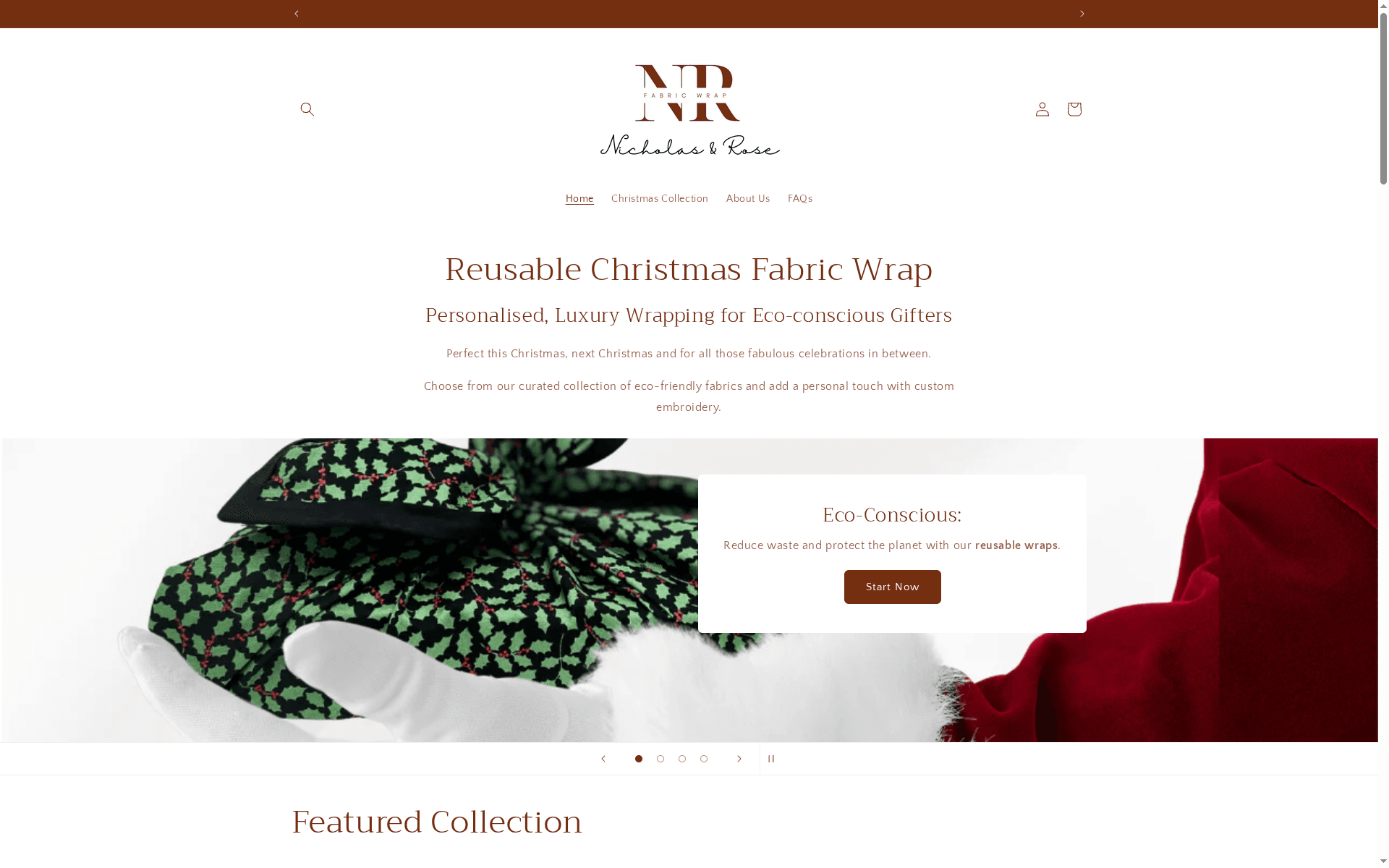
Each wrap can be personalised through embroidery, with a baby’s name, birth date, or a short message woven directly into the fabric. The result is a presentation that becomes a keepsake long after the gift inside has been unwrapped. The 2026 newborn and toddler range from Nicholasandrose brings this philosophy to life with designs that feel as special as the occasions they mark. Explore the full milestone gift wrap collection and find the wrap that tells your story. You can also browse the fabric wrap reuse guide for inspiration on how to care for and reuse your wrap for years to come.
FAQ
What is sustainable gifting?
Sustainable gifting is the practice of choosing presents that minimise environmental harm while maximising personal and emotional value. It considers the full lifecycle of a gift, from production and packaging to use and end of life.
Are experience gifts really more eco-friendly than physical ones?
Experience-based gifts carry a carbon footprint 70–90% lower than equivalent material goods, making them one of the most effective green gifting choices available.
How do I avoid greenwashing when buying eco-friendly gifts?
Look for independent certifications such as GOTS for textiles, FSC for wood products, and Fairtrade for food and craft items. These standards verify environmental and ethical claims independently of the brand’s own marketing.
What is the most sustainable way to wrap a gift?
Reusable fabric gift wrap, such as the furoshiki-style wraps offered by Nicholasandrose, eliminates single-use packaging entirely. The wrap itself becomes part of the gift and can be reused for years.
What are the best sustainable gifts for a newborn or baby shower?
Personalised fabric keepsakes, organic clothing in larger sizes, locally sourced artisan hampers, and experience subscriptions all make thoughtful, low-waste choices for newborn and baby shower occasions.
Recommended
- Green gifting trends 2025: what eco-conscious gift-givers need to know – Nicholas & Rose Limited
- Eco-conscious gifting for UK parents: sustainable choices – Nicholas & Rose Limited
- Eco-conscious holiday checklist: sustainable gifts for UK parents – Nicholas & Rose Limited
- The role of eco values in gifting for UK families – Nicholas & Rose Limited