

The role of colour in gift presentation for baby and children's gifts
TL;DR:
- Colour influences gift perception by shaping emotional responses within seconds, making it essential in presentation. Selecting minimal, harmonious palettes with textured fabric elevates perceived quality, especially across cultures. Reusable fabric wraps enhance emotional impact, becoming cherished keepsakes beyond the occasion.
Colour is the first language a gift speaks, conveying emotion, intention, and perceived value before a single ribbon is untied. The role of colour in gift presentation is to shape the recipient’s expectations instantly. Up to 90% of initial judgement about a gift forms within 90 seconds, and that judgement is driven almost entirely by colour. For baby showers, newborn celebrations, and children’s birthdays, this matters profoundly. The hue you choose does not simply decorate a gift. It tells a story about the care, thought, and love you have poured into it.
How does colour influence emotions in gift presentation?
Colour psychology is the study of how specific hues trigger predictable emotional and psychological responses. In gifting, this science shapes how a wrapped present feels before it is opened. A 1992 study confirmed that identical items wrapped in different colours evoke dramatically different emotional responses. Red wrapping made the same gift feel more exciting and desirable than green. That single finding reveals how much power sits in your choice of fabric or paper.
For newborn and children’s gifts, the emotional stakes are especially tender. You are not simply wrapping a present. You are setting the tone for a moment that parents and children will remember. Colour conveys celebration, tradition, and simplicity in ways that words rarely can, making it a form of non-verbal communication that speaks directly to the heart.
The table below maps the most common colours used in gifting to their emotional and psychological associations.
| Colour | Emotional association | Best occasion |
|---|---|---|
| Red | Energy, excitement, love | Birthdays, celebratory milestones |
| Gold | Luxury, prestige, specialness | Baby showers, christenings |
| Blue | Calm, peace, trust | Newborn gifts, quiet celebrations |
| White | Purity, elegance, new beginnings | Baby showers, first birthdays |
| Soft green | Growth, harmony, nature | Eco-conscious gifting, newborn gifts |
| Lilac | Gentleness, wonder, imagination | Children’s birthdays, toddler gifts |
Red signals energy and love, making it ideal for a joyful birthday celebration. Gold denotes luxury and marks an occasion as truly special. Blue carries a sense of calm and trust, which suits the quiet reverence of welcoming a newborn. White speaks of purity and new beginnings, a natural choice for a baby shower gift wrapped in soft, luminous fabric.
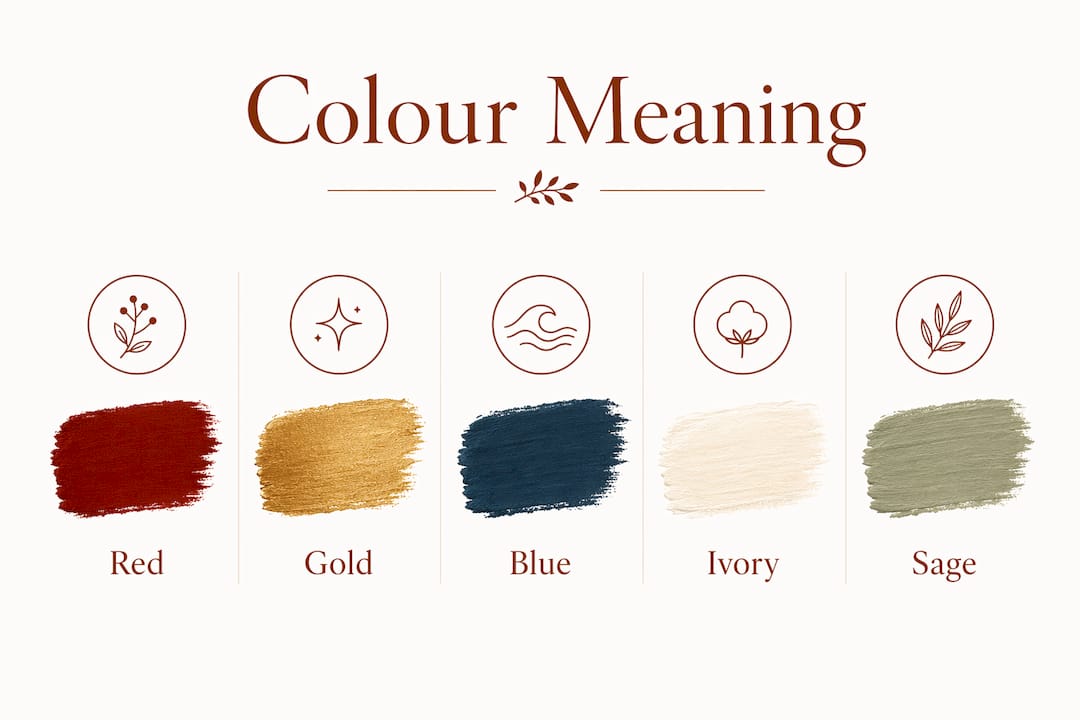
Pro Tip: Limit your palette to one or two key colours paired with a neutral such as ivory or soft grey. Minimal palettes consistently signal higher quality and greater thoughtfulness than busy, multi-colour designs.
Why does colour coordination matter in gift wrapping?
Restraint is the hallmark of truly considered gift presentation. Minimalist palettes of one or two colours paired with neutrals associate strongly with high-end, thoughtful gifting. This is not about spending more. It is about choosing with intention. A soft sage green fabric wrap tied with an ivory ribbon communicates far more elegance than a riot of clashing neons, however well-intentioned.
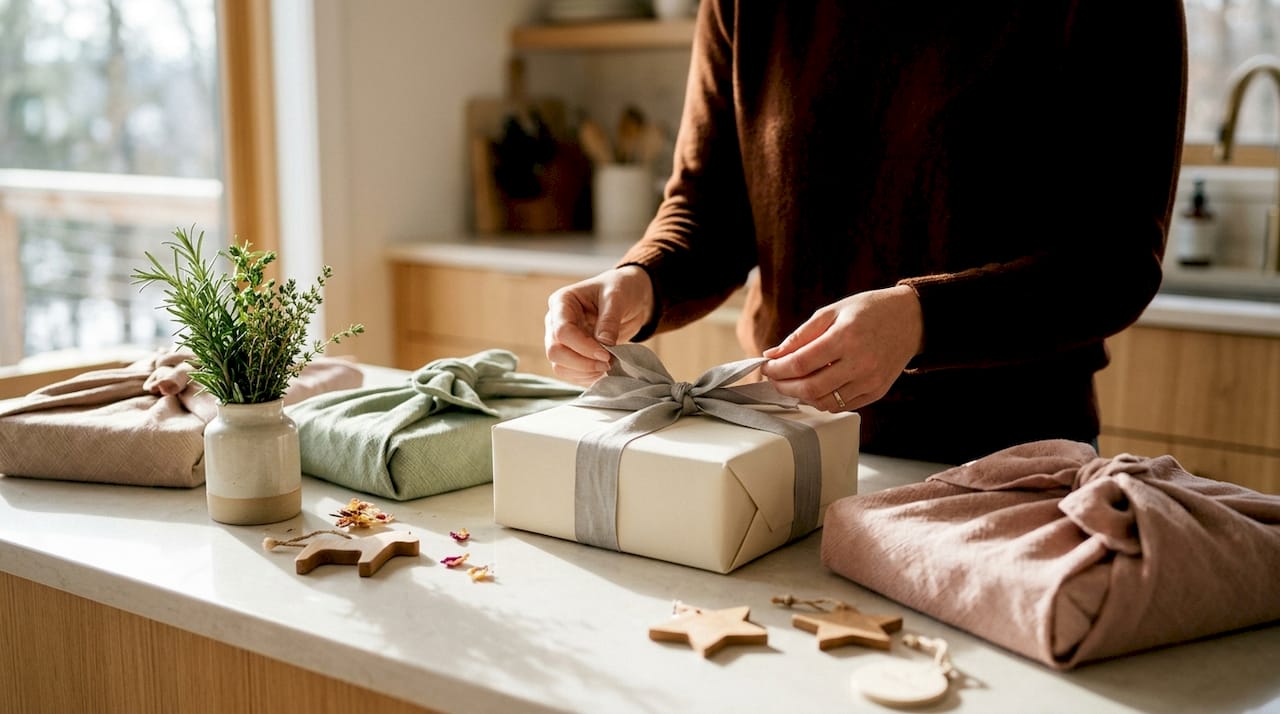
The texture of your wrapping material amplifies colour in ways that flat paper cannot. Fabric drapes and catches light differently, making a dusty rose or a deep navy appear richer and more considered. Reusable fabric gift wraps, such as those from Nicholasandrose, allow colour to breathe and settle in a way that disposable paper simply does not. The tactile quality of the wrap becomes part of the gift experience itself.
Common mistakes are easy to avoid once you know them. Clashing complementary colours create visual tension rather than warmth. Brash, neon hues rarely suit the gentle mood of a baby shower or a toddler’s birthday. Choosing a ribbon or tag in a colour that fights the wrap undermines the entire composition.
Do’s and don’ts for colour coordination in gift presentation:
- Do choose one dominant colour and one accent colour at most.
- Do consider the recipient’s home décor or favourite hues when selecting fabric wrap colours.
- Do use texture, such as a woven fabric or embroidered detail, to add depth without adding more colour.
- Do test your colour combination in natural light before finalising, as artificial light shifts hues significantly.
- Don’t mix more than three colours in a single presentation.
- Don’t use neon or highly saturated hues for newborn or baby shower gifts, where softness and calm are the emotional goal.
- Don’t overlook the colour of the gift tag, ribbon, or embroidered name. Every element contributes to the whole.
For deeper guidance on coordinating gift wrap colours for specific celebrations, the principles of harmony and restraint apply across every occasion.
Pro Tip: Lay your chosen fabric wrap, ribbon, and tag together on a white surface before wrapping. Seeing them together in daylight reveals any clashes your eye might miss in a shop or on a screen.
How do cultural meanings of colour affect gift choices?
Colour does not carry the same meaning in every culture. Assuming it does is one of the most common and easily avoided mistakes in gift presentation. White is associated with elegance and purity in Western traditions, making it a popular choice for baby showers and christenings. In parts of East Asia, however, white and black are the colours of mourning. Presenting a newborn gift wrapped in white to a Chinese or Japanese family could cause unintended distress.
Red and gold carry deeply auspicious meanings in Chinese culture, symbolising good fortune, prosperity, and celebration. A gift for a newborn wrapped in red fabric with a gold embroidered name would be received with great warmth in many East Asian households. Understanding this transforms a simple colour choice into a gesture of genuine cultural respect.
The table below summarises key cultural colour meanings relevant to gifting occasions.
| Colour | Western meaning | East Asian meaning | South Asian meaning |
|---|---|---|---|
| White | Purity, new beginnings | Mourning, loss | Mourning (in some regions) |
| Red | Love, celebration | Good fortune, prosperity | Celebration, auspiciousness |
| Gold | Luxury, prestige | Wealth, good luck | Celebration, divinity |
| Black | Sophistication | Mourning | Mourning |
| Green | Nature, growth | Harmony, health | Fertility, prosperity |
Cultural context critically shapes colour meaning in gifting, and ignoring it risks genuine offence. The simplest approach is to ask, or to research the family’s background before choosing your palette. A personalised fabric wrap in a culturally resonant colour, embroidered with the child’s name, becomes a gift that honours both the occasion and the recipient’s heritage.
Choosing colours for newborn and children’s gifts with sustainable fabric wraps
Colour choice for newborn and children’s gifts carries a particular tenderness. These are presents given at life’s most luminous moments, and the wrapping is part of the memory. Personalised colours combined with sustainable wrapping enhance emotional impact and make gifts more memorable. A reusable fabric wrap does not end up in the bin before the baby is even born. It becomes a keepsake, a soft and beautiful object that the family keeps long after the gift inside has been used.
Nicholasandrose designs its fabric wraps with exactly this in mind. The 2026 newborn and toddler range offers colour palettes chosen to suit the quiet, joyful mood of early childhood. Soft sage, morning mist, blush, and ivory sit alongside richer hues for birthdays and milestones. Each wrap can be personalised with an embroidered name, turning the colour and the fabric into a bespoke memento. Right colours make gifts memorable and influence whether a gift is displayed with pride or tucked away in a drawer.
Sustainable gifting and thoughtful colour choice are natural companions. Eco-conscious gift-givers choosing sustainable gift options increasingly understand that the presentation itself carries meaning. A fabric wrap in a considered, beautiful colour communicates that you have thought about every detail, including the planet.
Tips for integrating colour with sustainable fabric wrapping for children’s gifts:
- Choose a fabric wrap colour that complements the child’s nursery or bedroom palette for a gift that feels truly personal.
- For baby showers, soft neutrals such as ivory, blush, or sage green suit the occasion’s gentle mood and work beautifully with embroidered personalisation.
- For children’s birthdays, ask the child’s parent about a favourite colour or theme. A wrap in a beloved hue makes the unwrapping moment feel magical.
- Pair a single bold colour fabric wrap with a simple ivory ribbon and an embroidered name tag for a presentation that feels luxurious without effort.
- Consider sustainable gift wrap trends when selecting your palette, as 2026 sees a clear move toward nature-inspired, muted tones in eco-luxury gifting.
- Remember that a reusable fabric wrap in a beautiful colour becomes part of the gift. Choose a hue the family will want to keep and use again.
Key takeaways
Colour is the single most powerful tool in gift presentation, shaping emotional response, perceived value, and cultural meaning before the gift is ever opened.
| Point | Details |
|---|---|
| Colour drives first impressions | Up to 90% of initial judgement about a gift is based on colour, formed within 90 seconds. |
| Minimal palettes signal quality | One or two colours paired with a neutral communicate thoughtfulness and luxury more effectively than busy designs. |
| Cultural context changes meaning | White signals purity in the West but mourning in parts of Asia. Always consider the recipient’s cultural background. |
| Fabric wraps amplify colour | Reusable fabric drapes and catches light in ways paper cannot, making colour choices richer and more considered. |
| Personalisation deepens impact | An embroidered name on a beautifully coloured fabric wrap transforms presentation into a lasting, cherished memento. |
Colour as an emotional primer: a personal reflection
Colour in gift presentation is something I have thought about for a long time, and the insight that changed everything for me was this: colour is an emotional primer. It sets the recipient’s expectations before they touch the gift, before they read the tag, before they know what is inside. Get the colour right, and you have already begun to give the gift. Get it wrong, and even the most beautiful present arrives with a faint sense of discord.
The mistake I see most often is choosing colour for the giver rather than the recipient. A parent who loves bold, saturated hues might wrap a newborn gift in vivid orange, not realising that the baby’s nursery is a study in soft sage and linen. The gift feels slightly out of place, not because of the present inside, but because the wrapping speaks a different visual language to the room it enters.
Cultural assumptions are the other pitfall. I have seen beautifully intentioned gifts cause confusion simply because the giver did not know that white carries different weight in different traditions. A brief conversation, or a moment of research, is all it takes to transform a potentially awkward moment into one of genuine connection.
What I find most moving about colour in gifting is its capacity for restraint. A single, luminous colour of fabric, embroidered with a child’s name in a complementary thread, says more than a dozen competing hues ever could. Minimalism in colour is not a lack of effort. It is the highest form of it. When you choose one beautiful colour and commit to it fully, you are telling the recipient that you considered every detail. That is the gift beneath the gift.
— Helen
Nicholasandrose: fabric gift wraps where colour becomes a keepsake
Nicholasandrose creates reusable fabric gift wraps designed for the moments that matter most, from newborn arrivals to toddler birthdays and every baby shower in between.
Each wrap is crafted in a considered palette, from soft blush and morning mist to sage and ivory, chosen to complement the tender mood of early childhood celebrations. Personalisation through embroidery adds a child’s name or a meaningful detail, turning the wrapping itself into a bespoke memento the family will keep long after the occasion has passed. Unlike paper that ends in the bin before the baby is even born, a Nicholasandrose fabric wrap becomes part of the story. Explore the full collection and find the colour and wrap that speaks to your occasion.
FAQ
What is the role of colour in gift presentation?
Colour shapes the recipient’s emotional response and perceived value of a gift before it is opened. Up to 90% of initial judgement is based on colour alone, formed within 90 seconds.
Which colours work best for baby shower gifts?
Soft, calm hues such as blue, blush, ivory, and sage green suit the gentle mood of a baby shower. These colours convey peace, purity, and new beginnings, all of which align with the occasion’s emotional tone.
Does colour choice in gift wrapping really make a difference?
A 1992 study confirmed that identical gifts wrapped in different colours evoke dramatically different emotional responses. Colour directly shapes how desirable and exciting a gift feels to the recipient.
How do I avoid cultural colour mistakes in gift presentation?
Research the recipient’s cultural background before choosing a palette. White and black signal mourning in parts of East Asia, while red and gold carry auspicious meaning in Chinese tradition. When uncertain, ask a family member or choose a universally warm neutral such as gold or soft green.
Why choose reusable fabric gift wrap over traditional paper?
Reusable fabric wraps do not end up in the bin immediately after opening. They become keepsakes, especially when personalised with embroidery, and they allow colour to drape and settle in a way that flat paper cannot replicate.
Recommended
- How to coordinate gift wrap colours for celebrations – Nicholas & Rose Limited
- What is green gifting? A guide for eco-conscious givers – Nicholas & Rose Limited
- Why wrapping choices matter for eco-conscious parents – Nicholas & Rose Limited
- The role of eco values in gifting for UK families – Nicholas & Rose Limited