

Why wrapping choices matter for eco-conscious parents
TL;DR:
- Wrapping choices significantly influence both the environmental impact and emotional impression of a gift. Selecting pure fiber or fabric materials, such as FSC-certified kraft or organic cotton, ensures recyclability and reduces waste. Additionally, thoughtful presentation and reusability, especially for newborn gifts, enhance sustainability while conveying care and value.
Wrapping choices are defined by the materials, methods, and presentation decisions that determine both the environmental footprint of a gift and the emotional impression it leaves on the person who receives it. For parents welcoming a newborn, celebrating a baby shower, or choosing a child’s birthday gift, these decisions carry more weight than most realise. The outer layer of a gift is not merely decorative. It signals care, values, and intention, and in 2026, it also signals whether you have thought about what happens to that paper the moment it hits the floor.
Why wrapping choices matter for sustainability and recycling
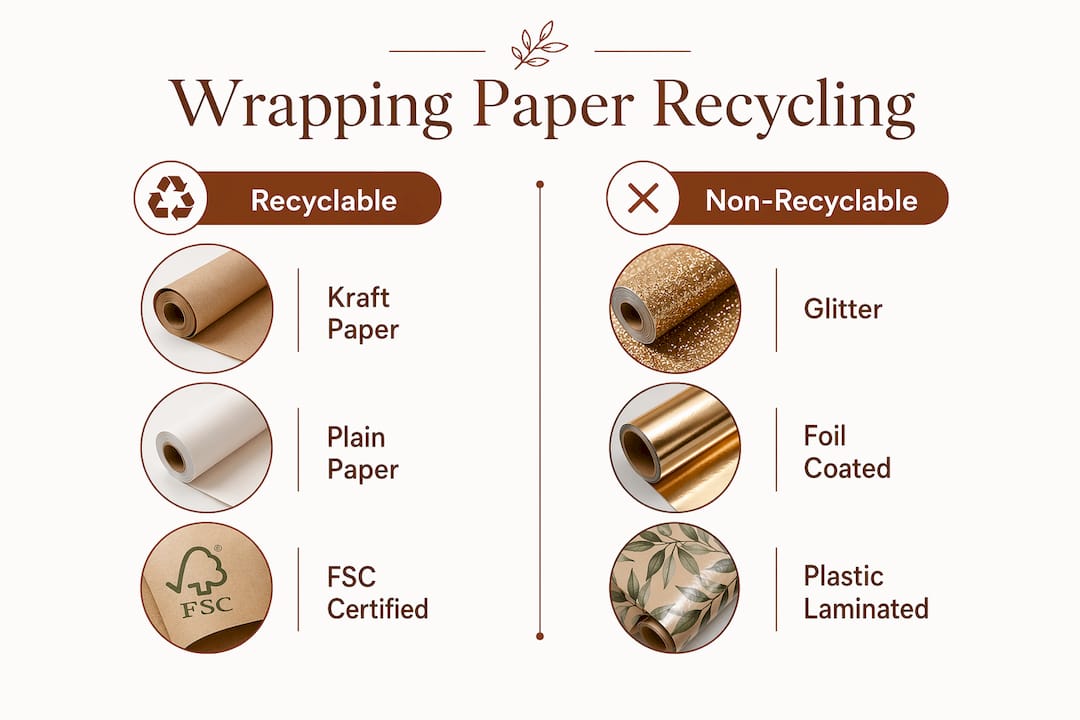
The material you choose to wrap a gift is the single most consequential decision in the entire gifting process, from an environmental standpoint. Most conventional wrapping paper is not as recyclable as it appears. The scrunch test is the simplest guide: if you scrunch the paper and it springs back, it contains laminates or coatings that prevent recycling. If it stays scrunched, the fibres are pure enough for most household recycling collections.
The problem runs deeper than a single test, however. Glitter, foil, and plastic coatings contaminate entire batches of recyclable material at processing facilities, meaning one poorly chosen roll of wrapping paper can compromise far more than itself. Composite materials require more complex processing, which increases costs and lowers recycling success rates across the board. This is the hidden cost of choosing aesthetics over material purity.
England’s simpler household recycling rules, introduced in March 2026, have made sorting clearer by establishing distinct waste streams including paper and card. The government states this approach reduces confusion and contamination, which means your wrapping choices now align more directly with a national framework. Understanding which bin your wrapping belongs in is no longer ambiguous, provided the material is pure.
Materials to avoid and materials to seek:
- Foil and metallic wrapping paper: fails the scrunch test, not recyclable in most UK collections
- Glitter-coated paper: contaminates recycling streams and is classified as microplastic pollution
- Plastic laminated paper: visually appealing but destined for landfill
- Plain kraft paper or FSC-certified tissue paper: passes the scrunch test, widely accepted
- Reusable fabric wraps: zero single-use waste, washable, and infinitely reusable
Pro Tip: Check your local council’s recycling guidance before purchasing wrapping paper. Some councils accept clean, plain paper in the recycling bin; others require it in general waste. The gift wrap reuse guide from Nicholasandrose offers a clear breakdown of what qualifies under current UK rules.
| Material type | Recyclable? | Notes |
|---|---|---|
| Plain kraft or FSC paper | Yes | Passes scrunch test; widely accepted |
| Tissue paper (uncoated) | Usually yes | Check local council guidance |
| Foil or metallic paper | No | Contains non-paper coatings |
| Glitter paper | No | Microplastic contamination risk |
| Reusable fabric wrap | N/A | No waste generated; best choice |
Does packaging function affect its environmental impact?
The environmental impact of packaging is not determined solely by what it is made of. A Life Cycle Assessment perspective reveals that packaging’s true value lies in its ability to protect what is inside, reducing waste across the entire system. For gift-givers, this means a fabric wrap that protects a delicate newborn keepsake from damage during transit delivers genuine environmental value beyond its reusability.
Research published in MDPI shows that packaging accounts for roughly 1.5 to 2% of a product’s total environmental footprint, while the waste generated by damaged or unprotected goods carries a far greater impact. This means the function of your wrapping, how well it protects, preserves, and presents the gift, matters as much as the material it is made from. A beautiful fabric wrap that keeps a hand-embroidered keepsake pristine is doing more environmental good than a recyclable paper sheet that tears before the gift reaches its recipient.
“Sustainable wrapping choices must consider the entire system, not just the end-of-life pathway. A wrap that protects the gift, reduces damage, and can be reused delivers compounding environmental benefits that single-attribute eco claims simply cannot capture.” — Food Innovationist, LCA analysis
Single-attribute eco claims are among the most misleading signals in the gifting world. A label reading “recyclable paper” tells you nothing about whether the paper will actually be recycled, whether it was produced sustainably, or whether it will survive the journey to the recycling bin intact. System-level LCA evaluation urges gift-givers to look beyond one green credential and consider the full picture, from production through to disposal or reuse.
Pro Tip: When choosing wrapping for a newborn gift or baby shower present, ask yourself whether the wrap could serve a second purpose. A soft fabric wrap can become a swaddle cloth, a keepsake pouch, or a nursery decoration. That secondary life is where the true environmental saving lies.
How does wrapping presentation affect how gifts are received?
The way a gift is wrapped shapes the recipient’s emotional experience before they even know what is inside. A 2026 study of 596 participants found that wrapping neatness triggers expectation disconfirmation: neat wrapping raises expectations, which can make the gift itself feel like a slight disappointment if it does not match the presentation. Sloppy wrapping, by contrast, lowers expectations and can make the gift feel like a pleasant surprise.
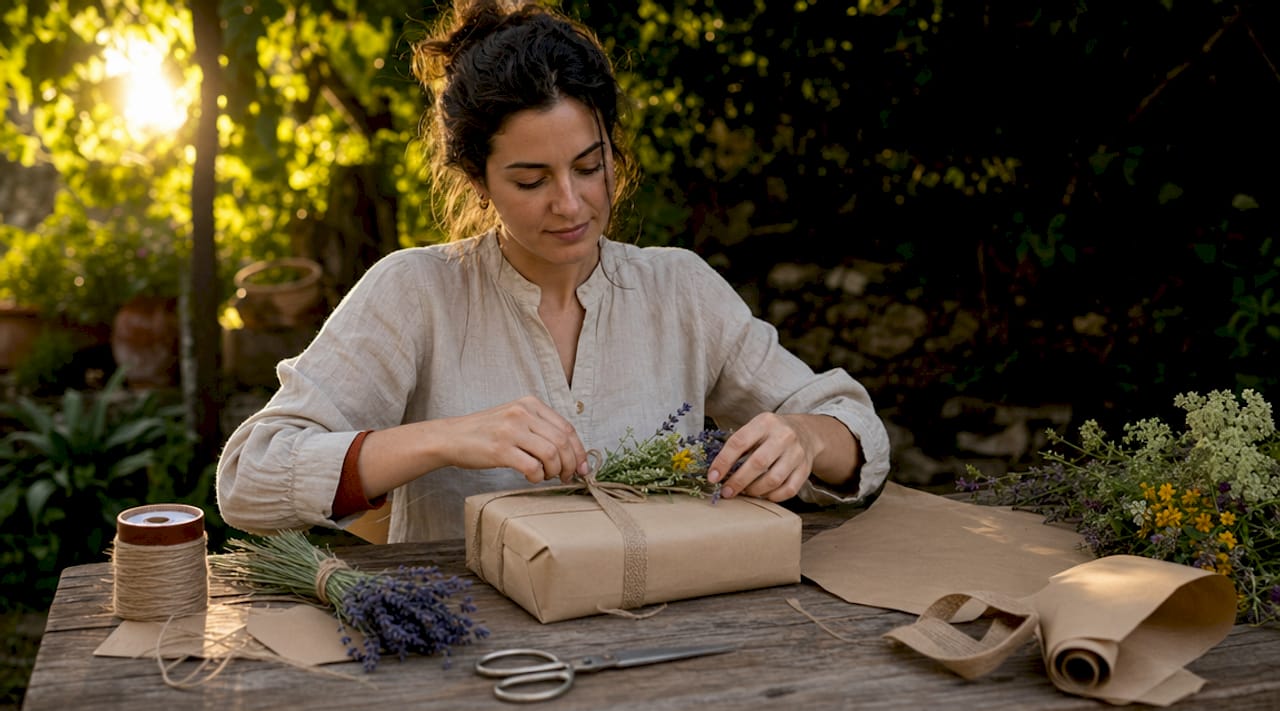
The relationship between giver and recipient changes this dynamic entirely. Close friends interpret casual or imperfect wrapping as a sign of intimacy and focus on the gift’s substance. Acquaintances, however, read neat, polished wrapping as a social cue that signals regard and effort. This means the wrapping neatness as relationship signal is not a universal rule but a context-dependent one, and understanding your relationship with the recipient is as important as choosing the right paper.
Wrapping style by relationship context:
| Recipient relationship | Wrapping approach | Psychological effect |
|---|---|---|
| Close friend or family | Relaxed, personal, fabric or reusable | Intimacy signal; gift substance valued |
| Acquaintance or colleague | Neat, polished, well-finished | Regard signal; presentation valued |
| Newborn or baby shower | Soft, tactile, personalised fabric | Emotional resonance; keepsake quality |
| Child’s birthday | Bright, tactile, reusable fabric | Delight and sensory engagement |
For parents giving gifts at a baby shower or welcoming a newborn, the wrapping carries particular emotional weight. The presentation of a first gift to a new family is a moment of genuine tenderness, and the choice to wrap it in something soft, personalised, and reusable communicates far more than paper ever could. It says the gift was chosen with care, and that the wrapping itself was chosen with the same thoughtfulness.
- Choose tactile, soft materials for newborn gifts to create a sensory experience for parents and baby alike
- Personalise the wrapping with embroidered names or birth dates to transform it into a lasting memento
- Consider the recipient’s values: eco-conscious parents will notice and appreciate a sustainable choice
- Match the wrapping’s visual warmth to the occasion, soft creams, gentle florals, and natural tones for new arrivals
Practical guidance for choosing eco-friendly wrapping in 2026
Choosing wrapping that is both beautiful and genuinely sustainable requires a few deliberate decisions, but none of them are complicated once you know what to look for. The best eco-friendly wrapping options in the UK pass local recycling criteria by using pure fibre paper without adhesives, glitter, or plastic, and staying clean to avoid contamination. For parents and gift-givers, this translates into a short but meaningful checklist before every purchase.
- Choose fibre-pure paper or fabric. FSC-certified kraft paper and uncoated tissue paper are the safest recyclable choices. Reusable fabric wraps, particularly those made from organic cotton or linen, eliminate single-use waste entirely and align with the sustainable fabric wrapping approach championed by Nicholasandrose.
- Avoid tape where possible. Excessive tape, particularly plastic-backed tape, contaminates paper recycling. Use paper tape, twine, or fabric ties instead. A fabric wrap needs no tape at all.
- Try the furoshiki method. This Japanese fabric-wrapping technique uses a square of cloth folded and knotted around a gift. It requires no tape, no scissors, and no waste, and the fabric becomes part of the gift itself.
- Personalise for newborns and baby shower gifts. An embroidered fabric wrap bearing a baby’s name or birth date is not simply wrapping. It is a keepsake that parents will keep long after the gift inside has been outgrown. Nicholasandrose’s 2026 Baby and Beyond collection is designed precisely for this purpose.
- Reuse and pass on. Fabric wraps can be washed and reused across multiple occasions, making them a genuinely circular choice. A single Nicholasandrose wrap used across ten gifts over its lifetime represents a significant reduction in paper waste compared to conventional alternatives.
Pro Tip: For baby shower gifts, wrap in a muslin or organic cotton fabric square that doubles as a practical item for the new parents. The gift wrap sustainability checklist from Nicholasandrose offers a step-by-step guide tailored specifically for parents navigating eco-friendly gifting occasions.
Key takeaways
Wrapping choices matter because material purity, packaging function, and presentation together determine both the environmental outcome and the emotional impact of every gift you give.
| Point | Details |
|---|---|
| Material purity is non-negotiable | Choose fibre-pure, uncoated paper or reusable fabric to pass recycling criteria and avoid contamination. |
| Function shapes sustainability | Wrapping that protects the gift and serves a second purpose delivers greater environmental value than recyclable paper alone. |
| Relationship context guides presentation | Neat wrapping signals regard to acquaintances; personal, tactile wrapping signals intimacy to close friends and family. |
| Personalisation transforms wrapping into keepsake | Embroidered fabric wraps for newborns and baby shower gifts become lasting mementos rather than single-use waste. |
| 2026 recycling rules clarify your choices | England’s simpler household recycling framework makes it easier to align wrapping decisions with local waste guidance. |
Why I think we have been thinking about wrapping all wrong
By Helen
Most of the conversation around wrapping focuses on what goes in the bin. That matters, of course, but it misses the deeper point. When I watch a new parent unwrap a gift for their baby, the paper is gone in seconds. What lingers is the feeling of the moment, the softness of the fabric, the sight of their child’s name stitched into something beautiful. That is the wrapping that matters.
The shift I see among eco-conscious parents is not just about recycling. It is about redefining what a gift looks like from the outside in. Choosing a reusable fabric wrap is not a sacrifice of beauty for principle. It is a more beautiful choice, one that carries meaning beyond the occasion. The growing movement toward sustainable wrapping among parents reflects something genuine: a desire to give gifts that do not leave a trail of waste behind them.
The simplified recycling rules introduced in 2026 have helped reduce confusion, but they have also exposed how much conventional wrapping paper was never truly recyclable in the first place. That revelation has pushed many parents toward fabric alternatives, not reluctantly, but with real enthusiasm. When the wrapping becomes a keepsake, the entire gifting ritual changes. It becomes slower, more considered, and far more meaningful.
— Helen
Discover the Baby and Beyond collection from Nicholasandrose
Nicholasandrose has designed its Baby and Beyond milestone wraps for the moments that deserve more than paper. Each wrap in the 2026 collection is crafted from soft, reusable fabric and can be personalised with embroidered names, birth dates, or tender messages, transforming the wrapping itself into a cherished memento. Whether you are choosing a newborn gift, a baby shower present, or a toddler’s birthday surprise, these wraps offer a graceful, eco-conscious alternative that parents will return to again and again. The gift is unwrapped in a moment. The wrap endures for years.
FAQ
What is the scrunch test for wrapping paper?
The scrunch test determines whether wrapping paper is recyclable: scrunch the paper tightly, and if it stays scrunched, the fibres are pure enough for recycling. If it springs back, it contains laminates or coatings that prevent recycling and it should go in general waste.
Why does wrapping neatness affect how a gift is received?
Research shows that neat wrapping raises expectations before the gift is opened, which can lead to disappointment if the gift does not match the presentation. For close friends, relaxed wrapping signals intimacy; for acquaintances, polished wrapping signals care and regard.
Are reusable fabric wraps better for the environment than recycled paper?
Reusable fabric wraps generate no single-use waste and can be used across many occasions, making them a more sustainable choice over time than even the most recyclable paper. A fabric wrap that doubles as a keepsake or practical item for a new baby delivers compounding environmental and emotional value.
What wrapping materials should I avoid for eco-friendly gifting?
Avoid foil paper, glitter-coated paper, and plastic-laminated wrapping, as these contaminate recycling streams and are classified as residual waste. Choose FSC-certified kraft paper, uncoated tissue paper, or reusable fabric wraps to align with UK recycling guidance.
How can I personalise sustainable wrapping for a newborn gift?
Reusable fabric wraps can be personalised through embroidery with a baby’s name, birth date, or a meaningful message, creating a lasting keepsake rather than single-use packaging. Nicholasandrose’s Baby and Beyond collection offers bespoke embroidery options designed specifically for newborn and milestone gifts.
Recommended
- Advantages of custom wrapping for eco-conscious parents – Nicholas & Rose Limited
- Why reusable fabric wraps matter: eco gift wrap for parents – Nicholas & Rose Limited
- Eco gift wrapping workflow: Sustainable steps for parents – Nicholas & Rose Limited
- Textiles in eco wrapping cut waste by 90% for parents – Nicholas & Rose Limited