

Textiles in eco wrapping cut waste by 90% for parents
Many parents believe gift wrapping must end up in the bin, creating waste that feels inevitable, especially at baby showers and children’s celebrations. Yet textiles offer a sustainable alternative that transforms how we present gifts while protecting the planet. Reusable fabric wraps eliminate single-use paper, reduce carbon emissions, and create personalised mementoes that last beyond the occasion. This guide explores why textiles matter for eco wrapping, which fabrics work best, their environmental impact, and practical techniques to make your next gift both beautiful and sustainable.
Table of Contents
- Why Textiles Matter In Eco Wrapping For Parents
- Types Of Textiles Used In Eco Wrapping And Their Benefits
- Environmental Impact And Lifecycle Benefits Of Textile Wrapping
- How To Use Textile Wraps For Baby Showers And Children’s Gifts
- Explore Sustainable Textile Wraps For Your Special Occasions
Key takeaways
| Point | Details |
|---|---|
| Waste reduction | Textile wraps eliminate up to 90% of gift wrap waste compared to disposable paper |
| Reusable durability | Natural fibres like cotton and linen withstand multiple uses across many occasions |
| Lower carbon footprint | Sustainable textiles cut gift-related emissions by up to 70% through lifecycle benefits |
| Creative personalisation | Fabric wraps offer endless styling options with colours, patterns, and embroidery |
| Circular economy | Reusable wrapping aligns with eco-conscious values and reduces landfill burden |
Why textiles matter in eco wrapping for parents
Traditional gift wrapping creates a disposable problem that eco-conscious parents increasingly want to avoid. Wrapping paper, especially the glossy or glitter-covered varieties popular at celebrations, often cannot be recycled and heads straight to landfill. For baby showers, where gifts arrive before the child is even born, this waste feels particularly unnecessary. Textiles solve this problem by offering durability and reusability that paper simply cannot match.
Natural fibres like organic cotton, linen, and bamboo carry significantly lower lifecycle emissions than paper production. Using fabric wraps can reduce gift wrap waste by up to 90% compared to paper, making them an obvious choice for parents who prioritise sustainability. Beyond environmental benefits, soft textiles protect delicate items perfectly suited for children’s gifts, from tiny newborn clothes to fragile toys. The gentle texture ensures nothing gets crushed or damaged during transport.
Reusability transforms gift wrapping from a throwaway expense into a long-term investment. Parents can store fabric wraps and use them repeatedly for birthdays, holidays, and special occasions throughout their child’s early years. This approach aligns with circular economy principles, where products maintain value through multiple lifecycles rather than becoming instant waste. Understanding the carbon footprint of sustainable materials helps parents make informed choices that benefit both their families and the planet.
Key benefits of textile eco wrapping include:
- Eliminates single-use waste that burdens landfills and oceans
- Reduces deforestation linked to paper production
- Offers soft, child-safe materials free from harsh chemicals
- Encourages creative wrapping techniques that become family traditions
- Supports sustainable businesses focused on ethical production
- Creates personalised presentation that recipients can treasure
Types of textiles used in eco wrapping and their benefits
Choosing the right textile transforms eco wrapping from a simple sustainability choice into an artful, personalised experience. Several fabric types excel for reusable gift wrap, each offering distinct characteristics that suit different preferences and occasions. Organic cotton provides softness and breathability, making it ideal for wrapping baby clothes or delicate items. Linen brings natural texture and strength, perfect for larger or heavier gifts. Bamboo fabric offers antimicrobial properties and silky smoothness, whilst recycled fibres give new life to existing textiles.
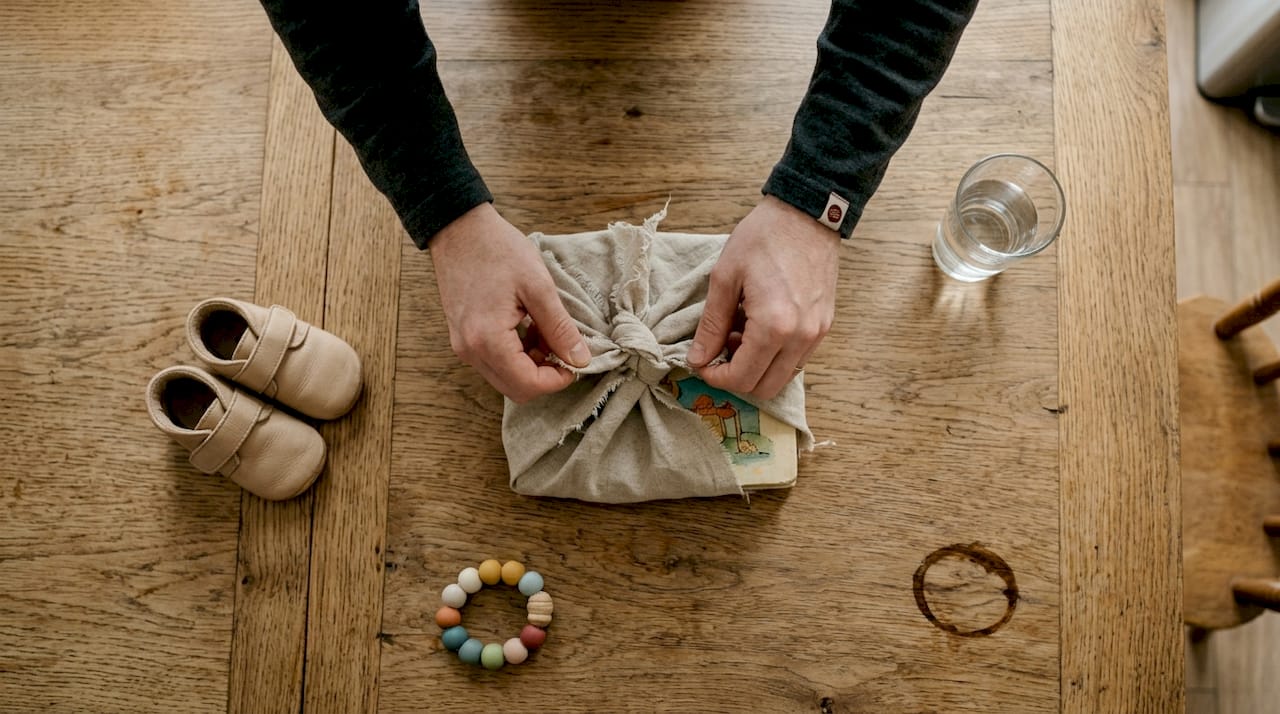
Furoshiki wrapping is a traditional Japanese fabric technique now popular for reusable gift wrap. This method uses square cloths and strategic folding to secure gifts without tape, ribbons, or additional materials. The beauty of furoshiki lies in its versatility, with different knot styles accommodating various shapes and sizes. Parents appreciate how this technique turns wrapping into a mindful practice whilst teaching children about resourcefulness and creativity.
| Fabric Type | Softness | Durability | Eco Impact | Cost |
|---|---|---|---|---|
| Organic Cotton | Very soft | High | Low water use, biodegradable | Moderate |
| Linen | Textured | Very high | Minimal processing, long-lasting | Higher |
| Bamboo | Silky | Moderate | Fast-growing, renewable | Moderate |
| Recycled Fibres | Varies | Moderate | Diverts waste, lower emissions | Lower |
Pro Tip: Select fabric colours and patterns that coordinate with your event theme to create cohesive, Instagram-worthy gift presentations that guests will remember.
Natural textiles tend to be biodegradable at end of life, unlike synthetic alternatives that shed microplastics. For parents concerned about chemical exposure around children, organic and naturally dyed fabrics provide peace of mind. The reusable quality means each wrap can present dozens of gifts over the years, maintaining its beauty whilst avoiding the repetitive waste of paper. Exploring eco-luxury gift wrap options reveals how textiles elevate gift presentation beyond what disposable materials can achieve.
Environmental impact and lifecycle benefits of textile wrapping
The environmental case for textile wrapping becomes compelling when examining lifecycle data and long-term impact. Paper production requires significant water, energy, and chemical processing, with most wrapping paper containing additives that prevent recycling. Even recyclable paper often gets contaminated by tape, ribbons, or food residue at celebrations, sending it to landfill anyway. Textiles, particularly natural fibres, demonstrate superior environmental performance across multiple reuse cycles.
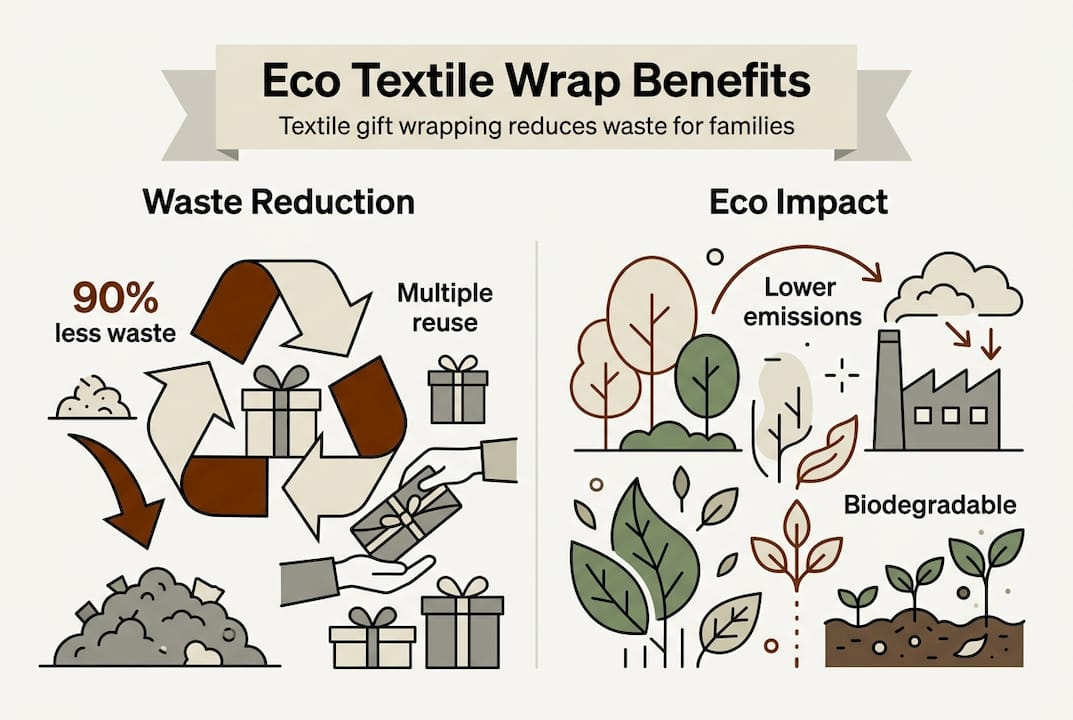
Sustainable materials can cut gift-related carbon footprints by 70% when factoring in production, transport, and disposal. A single cotton wrap used ten times distributes its manufacturing impact across multiple occasions, dramatically reducing per-use emissions compared to buying fresh paper each time. Life-cycle assessments show that textile durability creates environmental benefits that compound over years, especially when wraps pass between family members or friends.
Key environmental gains from textile wrapping include:
- Diverts tonnes of paper waste from landfills annually
- Reduces demand for virgin tree pulp and deforestation
- Eliminates toxic inks and coatings common in decorative paper
- Decreases transport emissions through concentrated, reusable products
- Supports soil health when natural fibres eventually biodegrade
- Encourages mindful consumption habits in children
“Reusable fabric wraps save 90% of waste produced by disposable wrapping paper, with each wrap potentially replacing hundreds of paper sheets over its lifetime.”
Textile durability means environmental benefits accumulate far beyond initial purchase. A quality linen wrap might serve a family for a decade or more, presenting gifts at countless baby showers, birthdays, and holidays. This longevity contrasts sharply with paper’s single-use model, where each celebration generates fresh waste. Parents evaluating sustainability credentials should consider not just production methods but total lifecycle impact, including how many times a wrap can be reused and what happens at end of life. Following a gift wrap sustainability checklist helps ensure choices align with genuine eco values rather than greenwashing claims.
| Impact Category | Paper Wrap (Single Use) | Textile Wrap (10 Uses) | Textile Wrap (50 Uses) |
|---|---|---|---|
| Carbon Emissions | 100% baseline | 35% of baseline | 15% of baseline |
| Waste Generated | 1kg per occasion | 0.1kg per occasion | 0.02kg per occasion |
| Water Consumption | High per use | Moderate initial | Low per use |
| Landfill Contribution | Immediate | Delayed decades | Minimal |
The data reveals that textile wrapping’s environmental advantages multiply with each reuse, making it the clear choice for parents committed to reducing their family’s ecological footprint. Even accounting for occasional washing, textiles outperform paper across virtually every environmental metric when used multiple times.
How to use textile wraps for baby showers and children’s gifts
Adopting textile wrapping requires learning new techniques, but the process quickly becomes intuitive and enjoyable. Start by selecting fabric sizes appropriate for your gifts, typically ranging from 50cm squares for small items to 90cm squares for larger presents. The furoshiki method works brilliantly for most shapes, using strategic folds and knots to secure contents without adhesive. For rectangular boxes, place the gift diagonally on the fabric, bring opposite corners over the top, and tie remaining corners underneath or create a decorative handle.
Basic wrapping technique steps:
- Lay fabric flat with pattern facing down and place gift in the centre
- Bring two opposite corners up and over the gift, smoothing fabric around edges
- Tie these corners in a secure double knot on top of the package
- Gather remaining corners and tie them over the first knot or create a carrying handle
- Adjust folds and tucks to create clean lines and showcase the fabric pattern
- Add eco-friendly embellishments like dried flowers, wooden tags, or embroidered names
For irregularly shaped gifts like stuffed toys or clothing bundles, gather fabric around the item and tie at the top with a simple knot or fabric ribbon. Stylish reusable wraps add a personal, thoughtful touch suitable for baby showers and birthdays, turning the wrapping itself into part of the gift. Recipients often treasure beautiful fabric wraps as much as the contents, using them for storage, decoration, or wrapping their own gifts later.
Pro Tip: Store wraps flat in a drawer or rolled on a hanger to maintain fabric quality and prevent creases, making them ready for spontaneous gift-giving occasions.
Caring for textile wraps ensures they remain beautiful through many uses. Most natural fabrics tolerate gentle hand washing or cold machine cycles with mild detergent. Avoid harsh chemicals, bleach, or high heat that can fade colours or weaken fibres. Air drying preserves fabric integrity better than tumble drying, whilst a quick iron removes any wrinkles before reuse. With proper care, quality textile wraps can serve families throughout their children’s entire childhood and beyond.
Personalisation elevates textile wrapping from practical to memorable. Choose patterns that reflect the occasion, like soft pastels for baby showers or vibrant prints for toddler birthdays. Embroidery adds names, dates, or sweet messages that transform wraps into keepsakes. Some parents create a collection of themed wraps for different family occasions, building traditions around specific fabrics. This thoughtful approach to gift presentation teaches children that sustainability and beauty can coexist, shaping their values around consumption and waste. Discover more luxury eco-conscious wrapping tips to refine your technique and inspire creative variations.
Explore sustainable textile wraps for your special occasions
Transitioning to textile wrapping becomes effortless when you discover designs specifically created for children’s celebrations and baby showers. Nicholas & Rose offers exquisite reusable fabric wraps that combine sustainability with style, perfect for parents who refuse to compromise on presentation whilst protecting the planet. Each wrap features thoughtful patterns and quality materials designed to withstand countless uses, from that first baby shower gift to birthday presents throughout childhood.
Explore the sunshine yellow furoshiki wrap for cheerful celebrations or the woodland rabbit reusable furoshiki wrap for gentle, nature-inspired occasions. Browse the full collection at Nicholas & Rose to find wraps that match your style whilst supporting sustainable gifting practices that benefit future generations.
FAQ
What types of textiles are best for eco wrapping children’s gifts?
Natural fibres such as organic cotton and bamboo are ideal for children’s gifts because they offer softness, durability, and child-safe properties. Cotton provides breathability and gentle texture perfect for delicate items, whilst bamboo brings antimicrobial benefits and silky smoothness. Both materials biodegrade naturally at end of life, unlike synthetic alternatives that contribute to microplastic pollution.
How do I care for and reuse textile wraps effectively?
Gentle hand washing or cold machine washing with mild detergent keeps textile wraps fresh without damaging fibres or fading colours. Avoid harsh chemicals, bleach, or high heat that can weaken fabric over time. Store wraps flat in drawers or rolled on hangers to prevent creases, ensuring they remain presentation-ready for spontaneous gift-giving moments throughout the year.
Are textile wraps more expensive than traditional wrapping paper?
Textile wraps have higher upfront costs than paper, typically ranging from £8 to £25 depending on size and material, but they save money long term through repeated use. A single quality wrap can replace hundreds of paper sheets over its lifetime, eliminating the need to purchase fresh wrapping for every occasion. The investment pays dividends through both financial savings and environmental benefits, whilst adding luxury presentation value that paper cannot match.
Can textile wraps be used for all gift shapes and sizes?
Furoshiki and other fabric folding techniques adapt beautifully to boxes, soft items like clothing, irregular shapes such as toys, and even bottles or cylindrical objects. The flexibility of fabric allows creative wrapping solutions for virtually any gift, with different knot styles and folding methods accommodating various dimensions. This versatility makes textile wraps more practical than rigid paper, which often requires cutting, taping, and frustrating adjustments to fit awkward shapes.
Recommended
- Sustainable gift wrapping with fabric: save 90% waste – Nicholas & Rose Limited
- 7 Top Benefits of Fabric Gift Wrap for Eco Parents – Nicholas & Rose Limited
- Luxury Reusable Wrap Cuts 200,000 Tonnes UK Waste Yearly – Nicholas & Rose Limited
- Eco Luxury Wrapping: Cut UK Gift Waste 90% with Keepsakes – Nicholas & Rose Limited