

Why sustainable materials for gifts cut 70% carbon footprint
The UK discards approximately 40,000 tonnes of wrapping paper annually, with 90% ending up as single-use waste. For eco-conscious parents seeking luxury newborn and toddler gifts, this creates a dilemma: how to celebrate precious moments without contributing to environmental harm. Sustainable, personalised reusable fabric wraps offer a solution that combines environmental responsibility with lasting emotional value.
Table of Contents
- Introduction To Sustainable Gifting
- Environmental Impact Of Single-Use Wrapping Vs. Sustainable Materials
- Consumer Demand For Sustainable Luxury Gifts
- Common Misconceptions About Sustainable Gift Materials
- Emotional And Practical Benefits Of Sustainable Personalised Gifts
- Practical Tips For Choosing And Using Sustainable Gift Wrap
- Conclusion: Making The Shift To Sustainable Gift Practices
- Discover Our Premium Sustainable Gift Wrap Collection
Key takeaways
| Point | Details |
|---|---|
| Carbon footprint reduction | Sustainable gift wraps can reduce carbon footprint by up to 70% compared to traditional single-use options. |
| Circular economy benefits | Personalised reusable fabric wraps support circular economy principles whilst creating cherished keepsakes. |
| Growing luxury demand | 54% of UK luxury buyers now demand traceable, ethical gift materials as of 2025. |
| Cost myths debunked | Upfront costs are 15-25% higher but long-term savings through reuse make sustainable wraps economical. |
| Practical sustainability | Proper care enables reusable fabric wraps to serve 20+ gift occasions. |
Introduction to sustainable gifting
The environmental urgency surrounding gift wrapping in the UK has reached a critical point. With 90% of wrapping paper discarded after single use, the annual 40,000 tonnes of waste represents a significant opportunity for change. Parents purchasing gifts for newborns and toddlers face a particular challenge: traditional wrapping paper often ends up in the bin before the baby is even born, creating waste during what should be a joyful celebration.
Growing awareness of sustainability has transformed consumer expectations. Today’s eco-conscious parents actively seek alternatives that align with their environmental values without compromising on luxury or personalisation. The shift from disposable to reusable products represents more than environmental responsibility; it reflects a fundamental change in how we celebrate life’s precious moments.
Key challenges in sustainable gifting include:
- Finding luxury options that match traditional wrapping aesthetics
- Balancing upfront costs with long-term environmental benefits
- Identifying materials that withstand multiple uses whilst maintaining appearance
- Ensuring personalisation options create lasting emotional connections
Understanding eco-conscious gift wrapping explained helps parents navigate these challenges. The importance of shifting from disposable to reusable wrap products extends beyond individual choices, contributing to broader circular economy goals that benefit future generations.
Environmental impact of single-use wrapping vs. sustainable materials
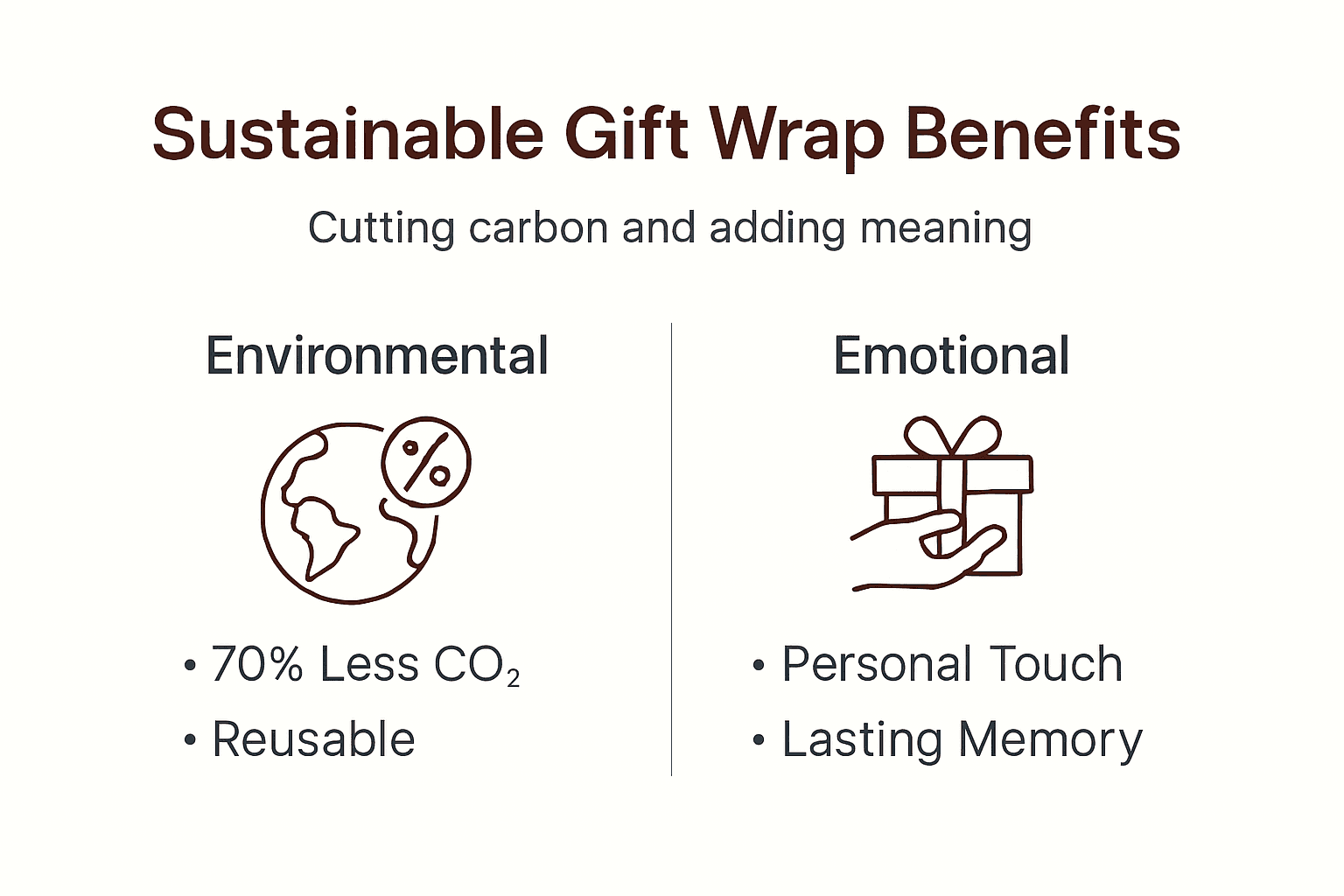
The environmental comparison between traditional and sustainable gift wrapping reveals stark differences. Switching to sustainable materials cuts carbon footprint by up to 70%, a statistic that demonstrates the tangible impact of material choices. Single-use wrapping paper generates substantial waste, with most discarded after one use, whilst reusable fabric wraps can serve 20+ occasions.
| Material Type | Carbon Impact | Reuse Potential | Waste Generation |
|---|---|---|---|
| Single-use paper | High (baseline) | 1 use | 40,000 tonnes annually (UK) |
| Recycled paper | 30% lower | 1-2 uses | Moderate |
| Reusable fabric | 70% lower | 20+ uses | Minimal |
| Organic cotton wrap | 75% lower | 25+ uses | Near zero |
Circular economy benefits emerge when materials maintain value through multiple lifecycles. Reusable fabric wraps reduce landfill waste by enabling repeated use, transforming gift presentation from a disposable afterthought into a sustainable practice. Organic and recycled fabrics offer superior environmental profiles compared to virgin materials, reducing water consumption and chemical processing.
Carbon footprint savings compound over time. A single reusable wrap used 20 times prevents 20 sheets of single-use paper from entering waste streams. For parents gifting regularly during early childhood years, this translates to dozens of avoided waste items.
Key environmental benefits include:
- Reduced manufacturing emissions through fewer replacement purchases
- Lower water consumption with organic fabric production
- Decreased landfill burden from eliminated single-use waste
- Preservation of forest resources by reducing paper demand
Pro Tip: Choose fabrics with Global Organic Textile Standard certification to ensure maximum environmental benefit. Look for organic cotton or linen that can withstand frequent washing whilst maintaining appearance.
Understanding why reusable gift wrap matters empowers parents to make informed choices. The transition to sustainable materials represents an investment in both environmental health and gift presentation quality.
Consumer demand for sustainable luxury gifts
Market trends reveal a dramatic shift in luxury consumer priorities. 54% of UK luxury consumers demand traceable and sustainable materials as of 2025, signalling that environmental consciousness has moved from niche concern to mainstream expectation. This demand intensifies in the newborn and toddler gift sector, where parents increasingly prioritise products that align with values they wish to instil in their children.
Traceability and ethics have become non-negotiable for luxury buyers. Parents want to know where materials originate, how they’re produced, and whether workers receive fair treatment. Personalisation adds another dimension, transforming functional wrapping into cherished keepsakes that carry emotional significance beyond their practical purpose.
Sustainable brand practices boost customer loyalty by up to 30%, demonstrating that environmental commitment drives repeat purchases. When brands deliver on sustainability promises whilst maintaining luxury standards, they create lasting relationships with conscious consumers.
Key consumer trends include:
- Preference for transparent supply chains showing material origins
- Willingness to pay premium prices for verified sustainable credentials
- Expectation of personalisation options that enhance emotional value
- Desire for products that serve multiple purposes across occasions
The intersection of sustainability and luxury creates unique opportunities. Parents seeking newborn gifts want items that celebrate this momentous occasion whilst respecting environmental limits. Personalised embroidered fabric wraps meet both needs, offering luxury presentation that becomes a lasting memento.
Understanding eco-conscious gift wrapping explained and benefits of personalised sustainable wrap helps parents navigate this evolving market. Brand loyalty strengthens when companies demonstrate genuine commitment to environmental stewardship alongside product excellence.
Common misconceptions about sustainable gift materials
Several myths prevent wider adoption of sustainable gift wrapping, despite clear environmental and economic benefits. The most persistent misconception concerns cost. Whilst upfront costs of sustainable wraps are 15-25% higher, long-term savings through reuse make them economically advantageous. A £20 reusable wrap used 20 times costs £1 per use, compared to £2-3 per sheet of quality traditional paper.
Luxury perception represents another barrier. Many assume sustainable materials compromise aesthetic appeal or gift presentation quality. In reality, premium organic fabrics often surpass traditional paper in visual appeal, texture, and durability. Personalised embroidery elevates luxury perception whilst delivering environmental benefits.
Practicality concerns frequently arise. Parents worry about care requirements, storage, or versatility across different gift sizes. Modern reusable wraps address these concerns through machine-washable fabrics, compact folding, and flexible sizing that accommodates various package dimensions.
Many consumers underestimate wrapping waste impact and overestimate costs of sustainable alternatives. This knowledge gap prevents environmentally beneficial choices even amongst eco-conscious individuals.
Common myths include:
- Belief that sustainable options lack luxury aesthetic appeal
- Assumption that reusable wraps require complicated care routines
- Perception that upfront costs outweigh long-term savings
- Concern that fabric wraps suit only specific gift types or occasions
Pro Tip: Calculate cost-per-use by dividing initial investment by expected number of uses (minimum 20 for quality fabric wraps). This reveals true value compared to repeated single-use purchases.
Exploring tips for luxury eco-conscious gifting helps overcome these misconceptions. Understanding the full lifecycle value of sustainable wraps empowers confident purchasing decisions that benefit both environment and budget.
Emotional and practical benefits of sustainable personalised gifts
Personalised reusable fabric wraps create emotional connections that transcend their functional purpose. Embroidery increases gift retention and sentimental value with reuse, transforming ordinary wrapping into cherished keepsakes. For newborn gifts, embroidered fabric becomes a memento parents treasure long after the celebration, often repurposed as nursery décor or milestone markers.
The practical benefits extend beyond environmental impact. Fabric wraps support multiple gift occasions throughout a child’s early years, from birth announcements to first birthdays and beyond. This versatility reduces waste whilst maintaining consistent luxury presentation across celebrations.
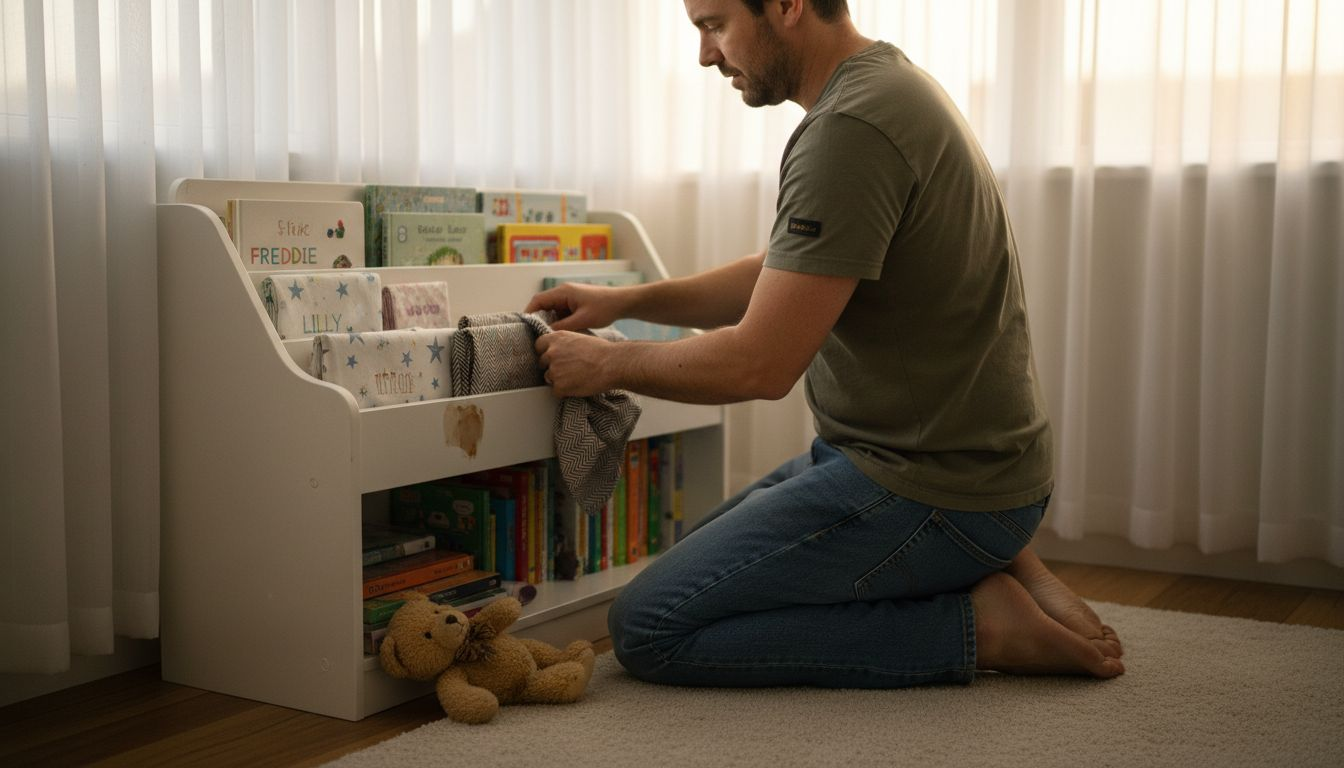
Sustainable gifting fosters positive environmental attitudes in children. When parents choose reusable materials, they model conscious consumption that influences next-generation values. The act of unwrapping becomes a teaching moment about caring for our planet.
Emotional and practical advantages include:
- Personalised embroidery creating unique, non-replicable keepsakes
- Multi-occasion versatility reducing need for varied wrapping supplies
- Enhanced luxury perception through quality fabric textures and appearance
- Opportunity to pass wraps between family members for continued use
- Integration into family traditions and milestone celebrations
Examples of newborn and toddler keepsake uses demonstrate this value. Parents often frame embroidered wraps as nursery art, incorporate them into memory books, or use them as decorative storage for baby items. This extended lifecycle maximises both emotional and environmental returns.
Understanding personalisation and sustainability in gifts reveals how these elements complement rather than compete. Quality sustainable materials provide the perfect canvas for personalisation that creates lasting memories whilst respecting environmental limits.
Practical tips for choosing and using sustainable gift wrap
Selecting appropriate sustainable gift wrap requires consideration of material quality, care requirements, and personalisation options. Follow these steps to maximise value and environmental impact:
- Choose organic cotton or linen fabrics with GOTS certification for verified sustainability credentials.
- Assess fabric weight and durability to ensure wraps withstand minimum 20 uses without visible wear.
- Select neutral colours or timeless patterns that suit multiple occasions and recipients.
- Consider size versatility, opting for larger wraps that accommodate various package dimensions through folding techniques.
- Investigate personalisation methods, prioritising embroidery over prints for longevity and wash resistance.
- Establish care routines including gentle machine washing and air drying to preserve fabric integrity.
- Create organised storage systems that keep wraps accessible and crease-free between uses.
Care instructions significantly impact wrap lifespan and appearance. Wash fabric wraps in cold water with mild detergent, avoiding harsh chemicals that degrade fibres. Air drying prevents shrinkage whilst reducing energy consumption. Iron on low heat if needed, though many quality fabrics resist wrinkling.
Personalisation through embroidery creates emotional impact that transforms functional wrapping into meaningful keepsakes. Choose thread colours that complement fabric whilst ensuring visibility. Position embroidery thoughtfully to remain visible when wrap is folded around gifts.
Maintaining appearance and hygiene proves straightforward with proper care. Spot-treat stains promptly to prevent setting. Store wraps in breathable containers rather than plastic to avoid moisture buildup. Rotate wraps between uses to distribute wear evenly across your collection.
Pro Tip: Build a sustainable wrap set gradually, starting with 3-5 versatile pieces in complementary colours. This provides sufficient variety for regular gifting whilst keeping initial investment manageable.
Exploring gift wrap sustainability checklist for parents and reusable gift wrap tips provides additional guidance. These resources help parents confidently adopt sustainable practices that enhance rather than complicate their gifting routines.
Conclusion: making the shift to sustainable gift practices
The evidence supporting sustainable gift wrapping is compelling. Materials like organic cotton and recycled fabrics reduce carbon footprint by up to 70% whilst maintaining luxury aesthetics that meet rising consumer expectations. For UK parents seeking newborn and toddler gifts, reusable fabric wraps offer a practical solution that aligns environmental responsibility with emotional significance.
Growing demand for traceable, ethical materials reflects broader shifts in consumer values. Parents increasingly recognise that celebratory moments need not compromise environmental health. Personalised embroidery transforms reusable wraps from functional items into cherished keepsakes that carry meaning across multiple occasions and even generations.
The transition from disposable to sustainable gift wrapping requires minimal effort but delivers substantial impact. By choosing quality reusable materials, parents reduce waste, model conscious consumption, and create lasting memories through personalised presentation.
Now is the moment to embrace sustainable gifting practices. Start with one or two quality fabric wraps for upcoming celebrations, experience their benefits firsthand, and gradually build a collection that serves your family’s needs whilst protecting our planet for future generations.
Discover our premium sustainable gift wrap collection
Nicholas & Rose offers curated reusable fabric wraps designed specifically for newborns and toddlers. Our Baby & Beyond collection combines luxury organic materials with personalisation options that transform gift presentation into lasting mementos.
Each wrap in our range supports multiple uses whilst maintaining the refined aesthetic eco-conscious parents demand. Personalised embroidery adds unique touches that celebrate individual children and special moments. Explore ways to reuse gift wrap and our repeat-use gift wrap guide for inspiration on maximising value from your sustainable choices. Discover how our baby and toddler sustainable gifts can enhance your next celebration whilst protecting the environment your children will inherit.
Frequently asked questions
How long do reusable fabric gift wraps typically last?
Quality reusable fabric wraps easily serve 20-25 gift occasions with proper care. Organic cotton and linen materials prove particularly durable, maintaining appearance through regular washing and use. Some families report using the same wraps for 5+ years across multiple children’s milestones.
Can personalised embroidery be added to any fabric wrap?
Most natural fabric wraps accommodate embroidery, though success depends on material weight and weave. Medium to heavyweight organic cotton and linen provide ideal surfaces for embroidery that remains visible and intact through multiple uses. Consult with suppliers about embroidery compatibility before purchasing.
Are sustainable gift wraps cost-effective compared to traditional paper?
Whilst upfront costs run 15-25% higher, sustainable wraps deliver superior value through repeated use. A £20 reusable wrap used 20 times costs £1 per occasion, compared to £2-3 for quality single-use paper. Long-term savings become substantial for families gifting regularly.
How to care for reusable fabric wraps to maintain quality?
Wash fabric wraps in cold water with mild detergent, avoiding bleach or harsh chemicals. Air drying prevents shrinkage and reduces energy consumption. Iron on low heat if needed, though quality fabrics resist wrinkling. Store in breathable containers between uses to maintain freshness.
Do sustainable gift wraps really reduce environmental impact?
Yes, sustainable materials cut carbon footprint by up to 70% compared to single-use alternatives. By eliminating repeated manufacturing and disposal cycles, reusable wraps significantly reduce waste, resource consumption, and emissions. The environmental benefit multiplies with each additional use over the wrap’s lifecycle.
Recommended
- Sustainable Gift Wrap Choices: Eco-Luxury for 2025 – Nicholas & Rose Limited
- Eco Conscious Gift Wrapping Explained: Sustainable Luxury – Nicholas & Rose Limited
- Why Sustainable Gift Wrapping Matters for Conscious Gifting – Nicholas & Rose Limited
- Why Choose Sustainable Wrapping for Christmas Gifts – Nicholas & Rose Limited