

The role of cotton in eco wraps: a complete guide
TL;DR:
- Cotton is the ideal natural fiber for reusable gift wrapping due to its breathability, biodegradability, and softness. It offers a sustainable alternative that can replace countless disposable papers and synthetic fabrics, especially when certified organic and carefully maintained. Its durability and personalisation potential make cotton wraps a meaningful, eco-conscious choice for gifts, particularly for newborns and children.
Cotton is defined as the most naturally suited fibre for reusable gift wrapping, offering breathability, biodegradability, and a soft, tactile quality that synthetic and paper alternatives simply cannot replicate. The role of cotton in eco wraps extends far beyond material choice. It represents a considered shift away from wrapping paper that ends in the bin, often before a newborn gift has even been opened, towards something that endures, delights, and carries meaning. Organic cotton, certified to standards such as GOTS (Global Organic Textile Standard), brings with it a gentler footprint at every stage of its life, from field to fold. For those choosing gifts for new arrivals, babies, and young children, the fabric you wrap in is as thoughtful as the gift itself.
What environmental benefits does cotton bring to eco-friendly wrapping?
Cotton’s most compelling environmental credential is its capacity to biodegrade without releasing toxins. Cotton muslin decomposes naturally in soil or industrial composting environments, returning safely to the ecosystem without leaving behind microplastic residue. This stands in sharp contrast to conventional wrapping paper, which is frequently laminated, glittered, or foil-printed, rendering it non-recyclable, and to synthetic fabric wraps that shed microplastics with every wash.
The production process matters as much as the end of life. Hydroentangled cotton fabrics are produced using pure water jets rather than chemical binders or adhesives, which means no formaldehyde residues and no synthetic finishers compromising the fabric’s natural integrity. Unbleached 100% cotton nonwoven materials avoid chemical bleaching entirely, which removes one of the most environmentally damaging stages of conventional textile production. The result is a material that is cleaner to produce, safer to handle near newborn skin, and kinder to waterways.
The lifecycle argument for cotton wraps is particularly persuasive:
- One reusable cotton wrap can replace hundreds of single-use plastic or paper alternatives over its lifetime, significantly offsetting its initial production footprint.
- Cotton wraps generate no single-use waste at the point of gifting, unlike paper that is torn and discarded within moments of a gift being received.
- When a cotton wrap eventually reaches the end of its useful life, it composts rather than persisting in landfill for decades.
Organic cotton carries an additional layer of assurance. GOTS certification addresses farming practices, pesticide load, soil health, and ethical labour standards, giving eco-conscious consumers a transparent measure of responsible sourcing. Choosing GOTS-certified cotton for gift wrapping is not merely a preference. It is a verifiable commitment to a lower-impact supply chain, which matters particularly when wrapping gifts for the most sensitive recipients: newborns and young children.
How do cotton’s properties make it ideal for reusable gift wrap?
Cotton’s functional qualities are what make it so well suited to the art of wrapping. Where paper tears and plastic crinkles, cotton drapes, folds, and holds its shape with a quiet elegance. The following properties explain why it outperforms other materials in practical gift-wrapping use:
- Breathability. Cotton’s open fibre structure allows air to circulate freely, which prevents moisture accumulation and the mould or bacteria growth that can occur when wrapping cosmetics, wooden toys, or organic gifts. This is especially relevant for baby shower gifts that may be stored before being opened.
- Softness. The gentle hand-feel of cotton makes it safe and pleasant against delicate newborn skin, removing any concern about abrasion or irritation when a wrap is repurposed as a muslin, swaddle, or keepsake cloth.
- Durability. Cotton fibres withstand repeated folding, tying, and washing without breaking down, meaning a well-made cotton wrap retains its structure and beauty across dozens of uses. This is the quality that transforms a wrap from a one-time gesture into a lasting memento.
- Dye and print compatibility. Cotton accepts natural dyes, reactive prints, and embroidery with exceptional clarity, allowing for bespoke personalisation that remains vibrant wash after wash. Sustainable customisation through print and dye maintains eco integrity when water-based or low-impact processes are used.
- Versatility in folding techniques. The Japanese art of furoshiki wrapping, which uses a single square of fabric to enclose a gift in a series of elegant folds, works most beautifully with cotton. The fabric’s natural drape allows the knots and pleats to hold without stiffness.
Compared with linen, cotton offers a softer initial hand-feel and greater accessibility at a range of price points. Linen is exceptionally durable and has a beautiful natural texture, but its stiffer weave can make intricate folding more challenging, particularly for smaller gifts. For natural fabrics in gifting, cotton strikes the most graceful balance between practicality and sensory pleasure.
Pro Tip: When choosing a cotton wrap for a newborn gift, look for a weight of around 130 to 150 gsm. This is substantial enough to hold a beautiful fold, yet light enough to double as a swaddle or muslin cloth, giving the wrap a second life long after the gift has been unwrapped.
How does cotton compare with other eco-friendly wrapping materials?
Not all eco-friendly wrapping materials are equal, and understanding the differences helps you make a genuinely informed choice rather than simply a well-intentioned one.
| Material | Environmental impact | Durability | Care | Cost |
|---|---|---|---|---|
| Organic cotton | Biodegradable, low chemical processing, GOTS certifiable | High, withstands repeated use and washing | Machine washable, cold cycle | Moderate to premium |
| Linen | Biodegradable, low water use in production | Very high, improves with age | Hand wash or gentle machine wash | Premium |
| Recycled synthetic fabric | Reduces landfill but sheds microplastics | High | Machine washable | Low to moderate |
| Conventional paper | Recyclable only if uncoated, often landfill-bound | Single use | Not applicable | Low |
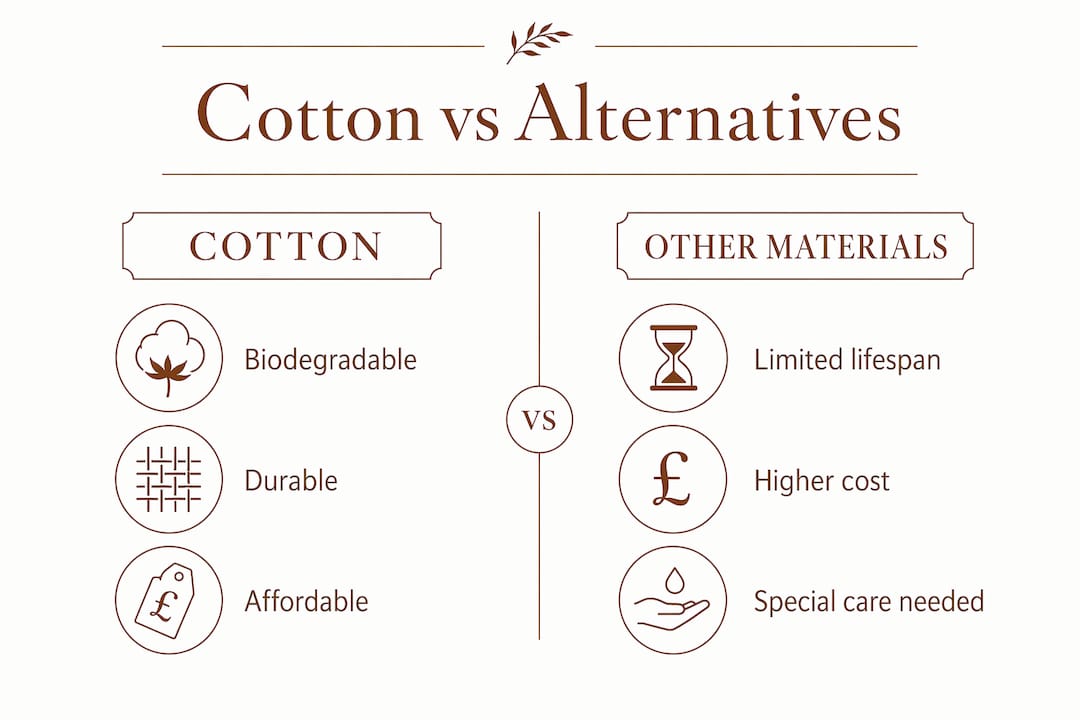
The comparison reveals a clear pattern. Recycled synthetic fabrics score well on diverting waste from landfill, but their microplastic shedding during washing introduces a different category of environmental harm. Reusable cotton wraps outperform synthetic and paper alternatives when factoring in reuse cycles and end-of-life biodegradation, making cotton the most complete solution across the full lifecycle.
Cotton’s particular advantage for gift wrapping lies in its combination of qualities that no single alternative fully replicates:
- The softness and safety of cotton make it appropriate for gifts intended for newborns and young children, where skin contact is a genuine consideration.
- Its compatibility with embroidery and personalised design means a cotton wrap can become a named, dated keepsake rather than a disposable accessory.
- Cotton’s waste reduction potential for eco-conscious parents is substantial, particularly when a single wrap replaces years of single-use paper purchases.
What are the best practices for caring for cotton eco wraps?
Caring for a cotton wrap with intention is what separates a wrap that lasts one season from one that becomes a cherished heirloom. The reusability and ease of care of cotton wraps are among the primary reasons eco-conscious gift-givers return to them again and again, but a few simple practices make all the difference.
- Wash in cold water on a gentle cycle. Hot water weakens cotton fibres over time and can cause shrinkage that distorts the wrap’s proportions. Cold washing also uses significantly less energy, compounding the environmental benefit.
- Use an eco-friendly, non-biological detergent. Biological enzymes can degrade natural fibres with repeated use. A plant-based or non-biological detergent cleans effectively without compromising the fabric’s integrity.
- Avoid fabric conditioners entirely. Conditioners coat cotton fibres with a silicone layer that reduces absorbency and, over time, weakens the fibre structure. They also introduce synthetic chemicals that undermine the wrap’s biodegradable credentials.
- Dry naturally where possible. Tumble drying at high heat accelerates fibre breakdown and can cause uneven shrinkage. Laying the wrap flat or hanging it to dry in natural light preserves both shape and colour.
- Store folded rather than rolled. Folding along the wrap’s natural grain lines prevents permanent creasing and keeps the fabric ready for its next beautiful use.
Pro Tip: For wraps with embroidered personalisation, turn the fabric inside out before washing to protect the stitching. Press lightly with a cool iron on the reverse side to restore crispness without flattening the raised texture of the embroidery.
Key takeaways
Cotton is the most complete material for reusable gift wrapping because it combines biodegradability, breathability, and bespoke personalisation in a single natural fibre that outlasts and outperforms every synthetic or paper alternative.
| Point | Details |
|---|---|
| Biodegradability without toxins | Cotton decomposes naturally in soil, releasing no microplastics or harmful residues at end of life. |
| Lifecycle impact | One cotton wrap replaces hundreds of disposable paper or plastic alternatives across its usable lifetime. |
| Functional superiority | Cotton’s breathability, softness, and drape make it uniquely suited to wrapping gifts for newborns and young children. |
| Personalisation potential | Cotton accepts embroidery and low-impact dyes, transforming a wrap into a named, dated keepsake. |
| Care extends lifespan | Cold washing, eco detergents, and natural drying preserve fibre integrity and maximise the wrap’s reuse value. |
Why cotton wraps changed how I think about gifting
I came to cotton wraps through a very specific frustration: watching beautifully chosen newborn gifts disappear beneath a mountain of torn paper before the baby had even arrived home. The wrapping, which had taken time and care to apply, was gone in seconds. What remained was a bin bag of foil-printed paper that could not be recycled and a gift that felt somehow diminished by the disposable ceremony surrounding it.
What I have observed, working with families choosing gifts for new arrivals and milestone moments, is that the wrap itself carries emotional weight. When a cotton wrap is embroidered with a child’s name and birth date, it does not get discarded. It becomes part of the gift. Parents fold it away with the tiny clothes and the first photographs. It reappears at christenings, first birthdays, and the gifting of a second child. The benefits of fabric gift wrap for eco-conscious parents go well beyond the environmental. They touch something more lasting.
The misconception I encounter most often is that sustainable choices require compromise, that a cotton wrap will feel less luxurious or less considered than a glossy paper alternative. The opposite is true. A wrap with a crisp hand-feel, a luminous print, and a name stitched in thread is more considered, not less. It asks the giver to think not just about the gift inside, but about the gesture of giving itself.
— Helen
Discover Nicholasandrose’s cotton gift wrap collection
Nicholasandrose offers a collection of luxury reusable cotton gift wraps designed specifically for the most tender gifting occasions: newborn arrivals, baby showers, and childhood milestones. Each wrap is crafted from 100% organic cotton with a soft, breathable drape that feels as beautiful as it looks, and every piece can be personalised with embroidered names, dates, or dedications that transform the wrapping into a keepsake as precious as the gift within. The Baby & Beyond milestone collection brings together wraps designed to be treasured long after the ribbon is untied, making each gift a ritual of pure, unhurried thoughtfulness.
FAQ
Is cotton truly biodegradable when used as gift wrap?
Yes. Cotton muslin and organic cotton fabrics biodegrade naturally in soil or composting environments without releasing toxins or microplastics, making them a genuinely circular wrapping choice.
How many times can a cotton eco wrap be reused?
A well-maintained cotton wrap can replace hundreds of single-use paper or plastic alternatives across its lifetime. With cold washing and natural drying, quality cotton retains its structure and beauty for many years.
Is organic cotton safer for newborn gifts?
Organic cotton certified to GOTS standards is produced without synthetic pesticides or chemical finishers, making it the safest and most appropriate choice for gifts intended for newborns and young children.
Can cotton wraps be personalised without losing their eco credentials?
Cotton accepts embroidery and water-based dyes without compromising biodegradability, provided low-impact processes are used. Embroidered personalisation in particular adds no chemical load and creates a lasting, washable design.
How does cotton compare with linen for reusable gift wrapping?
Cotton offers a softer hand-feel and greater ease of folding, making it more versatile for intricate wrapping styles such as furoshiki. Linen is exceptionally durable but stiffer in texture, which can make detailed knotwork more challenging for smaller gifts.
Recommended
- What is fabric wrap etiquette: guide for eco parents – Nicholas & Rose Limited
- Textiles in eco wrapping cut waste by 90% for parents – Nicholas & Rose Limited
- How to care for fabric wraps: a complete guide – Nicholas & Rose Limited
- Why eco wraps are the sustainable choice for gifting – Nicholas & Rose Limited