

What is heritage wrapping? A guide to sustainable gifting
TL;DR:
- Heritage wrapping is an ancient practice of using reusable textiles to present gifts, signaling respect and sustainability. It includes traditions like Japanese Furoshiki, Korean Bojagi, and Indian Potli, each with unique materials and symbolic techniques. This approach promotes zero waste, creates meaningful presentation, and allows for keepsake use, especially suited for baby and children’s gifts.
Heritage wrapping is the centuries-old practice of enclosing gifts in traditional, reusable textiles or culturally specific papers that express respect, care, and a deep commitment to sustainability. Far from a passing trend, this approach to gift presentation draws on living traditions from Japan, Korea, and India, each with its own materials, folding techniques, and symbolic language. As awareness of single-use waste grows in 2026, heritage wrapping is finding a devoted following among gift-givers who want their presentation to carry as much meaning as the gift itself. For those welcoming a new baby or celebrating a child’s milestone, the choice of wrapping becomes part of the memory.
What is heritage wrapping and how does it work?
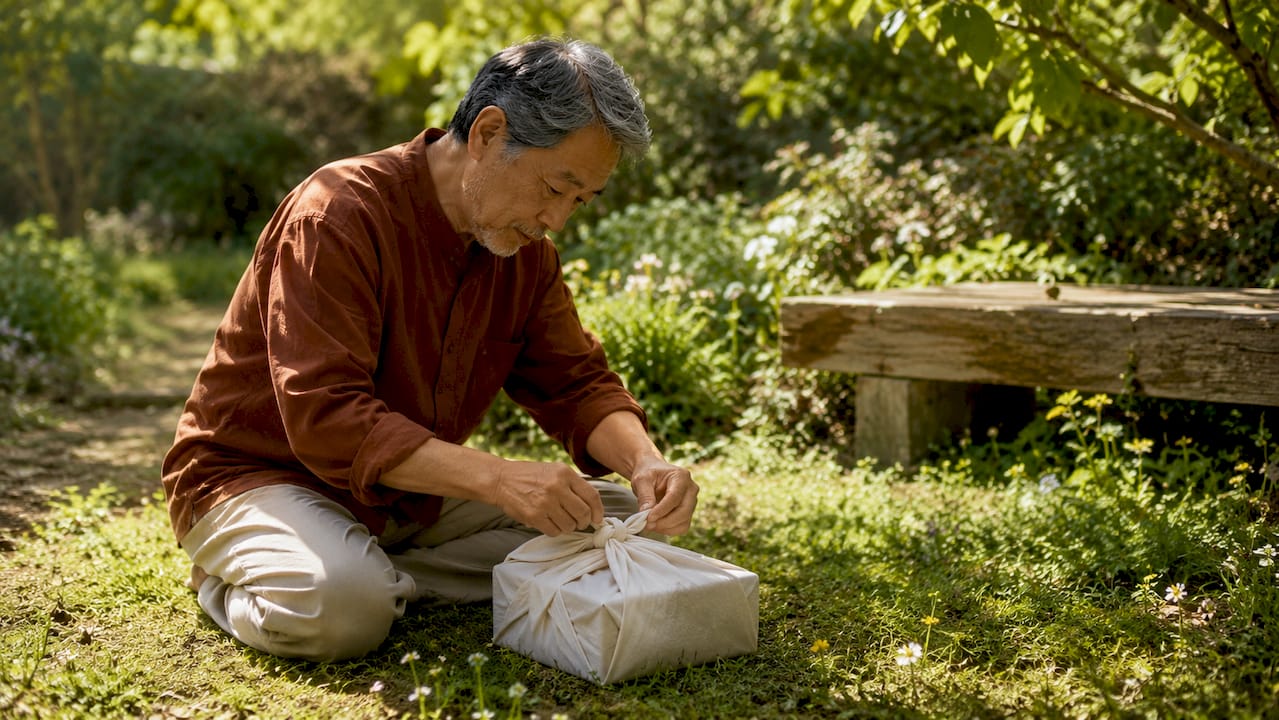
Heritage wrapping is defined as any gift presentation method rooted in cultural tradition that uses reusable, often textile-based materials in place of disposable paper. The term covers a family of practices, each with its own aesthetic and ritual significance. The three most recognised traditions are Japanese Furoshiki, Korean Bojagi, and Indian Potli.
Furoshiki is the Japanese art of wrapping using a single square of fabric, no tape, and no glue. The cloth is folded around the gift and secured with a square knot, known in Japanese as ma-musubi. This knot holds firmly under tension yet releases cleanly, leaving the fabric undamaged and ready to use again. The entire process takes one to three minutes once learned, making it genuinely practical rather than purely ceremonial.
Korean Bojagi takes a different form. Traditionally, patchwork Bojagi was sewn from sorted textile scraps, with visible stitch lines believed to gather luck and protection for the recipient. This practice, known as Jogakbo, embodies centuries of frugality and resourcefulness. The visible seams are not imperfections. They are intentional marks of care, each one carrying a quiet blessing.
Indian Potli bags offer a third variation: a drawstring textile pouch, traditionally crafted from silk, cotton, or brocade, used to present jewellery, sweets, or small gifts at weddings and festivals. The Potli is not discarded after opening. It becomes a keepsake, a small bag for trinkets, or a decorative object in its own right.
- Furoshiki: square cotton or silk cloth, folded and knotted, no adhesives required
- Bojagi: patchwork textile panels, often translucent silk or ramie, stitched with symbolic intent
- Potli: drawstring pouches in silk or brocade, suited to small, precious gifts
- Shared materials: cotton, silk, linen, and ramie appear across all three traditions
Cultural symbolism runs through every element of heritage wrapping. The choice of colour, the direction of a fold, and the style of knot each carry coded messages of hospitality and relationship. In Japanese tradition, the number of folds and the folding geometry shift depending on whether the occasion is a celebration or a condolence. This is wrapping as a form of etiquette, not merely decoration.
Pro Tip: When choosing a Furoshiki cloth for a newborn gift, select soft cotton in pale, natural tones. The fabric can later be used as a muslin square or a small play mat, giving the wrap a second life the family will genuinely use.
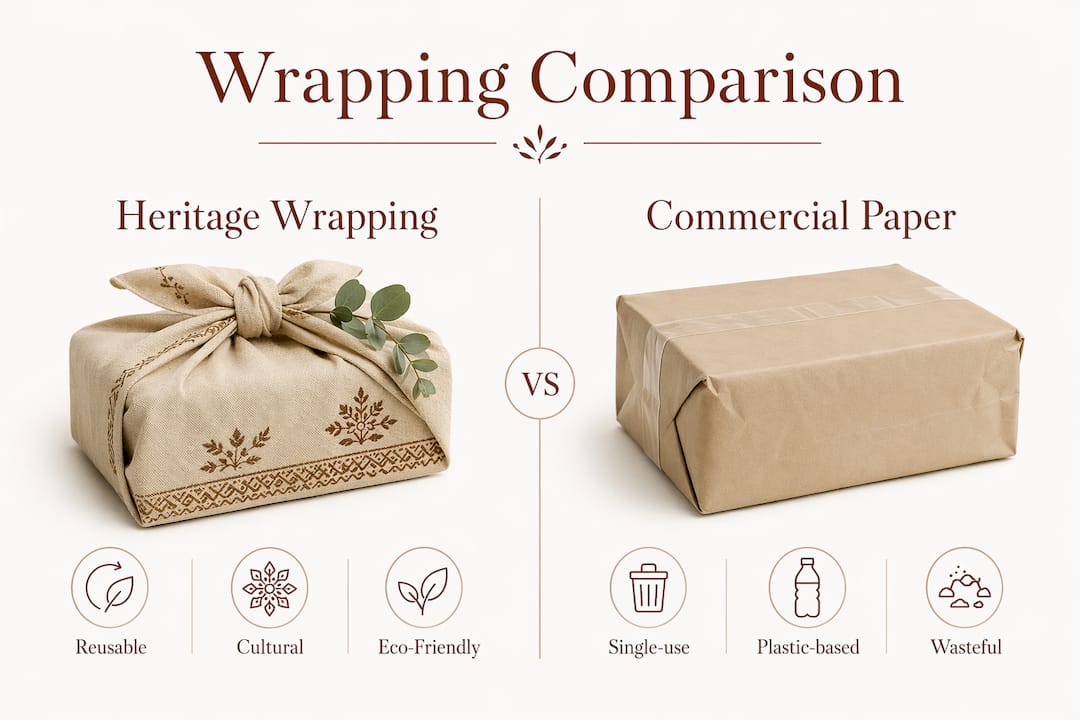
How does heritage wrapping compare to commercial gift wrapping?
Commercial gift wrapping is designed to be discarded. Standard wrapping paper, often laminated or glitter-coated, cannot be recycled and goes directly to landfill within minutes of a gift being opened. Heritage wrapping, by contrast, is built on a zero-waste philosophy where the textile is reused, returned to the giver, or repurposed entirely.
The emotional difference is equally significant. Gift wrapping expert Shiho Masuda describes the act of wrapping as sacred, noting that beauty in presentation expresses the giver’s heart, and that intention matters more than perfection. This philosophy sits at the opposite end of the spectrum from a roll of paper torn from a supermarket shelf.
“The way a gift is wrapped communicates the giver’s feelings before a single word is spoken.” — Shiho Masuda
| Feature | Heritage wrapping | Commercial wrapping paper |
|---|---|---|
| Material | Reusable textile or traditional paper | Single-use, often non-recyclable |
| Waste | Zero, if textile is reused or returned | Discarded immediately after opening |
| Emotional value | Ritual, symbolic, and personal | Functional, disposable |
| Cost over time | Lower, as the same cloth is reused | Recurring purchase for each gift |
| Suitability for keepsakes | High, especially for newborn gifts | None |
The Japanese concept of mottainai captures this difference precisely. Mottainai expresses regret at waste and a deep respect for the value of materials. A Furoshiki cloth used to wrap a baby shower gift today might become a scarf, a bag, or a cherished piece of fabric kept in a drawer for years. A sheet of commercial wrapping paper becomes rubbish before the afternoon is over.
What are the benefits of heritage wrapping for baby and children’s gifts?
Heritage wrapping offers particular advantages when the gift is for a newborn or young child. The presentation itself becomes part of the gift. A soft cotton Furoshiki cloth wrapped around a set of baby clothes can later serve as a muslin, a swaddle, or a keepsake square. The wrapping does not end up in the bin. It continues to live in the family’s home.
The reusability of textiles means the environmental cost of the presentation is spread across many uses rather than concentrated in a single moment. For parents who are already making thoughtful choices about nappies, clothing, and toys, the wrapping is a natural extension of those values.
Personalisation adds another layer of meaning. Fabric can be embroidered with a baby’s name, birth date, or a small motif, turning the wrap into a lasting memento. This is something no roll of paper can offer. The gift is opened, the clothes are worn, and the toy is played with, but the personalised wrap remains.
- Waste reduction: one reusable cloth replaces dozens of sheets of single-use paper over its lifetime
- Sensory appeal: soft textures and natural fibres create a tactile, beautiful presentation
- Keepsake quality: embroidered fabric becomes a memento of the occasion
- Versatility: the cloth can be repurposed as a muslin, scarf, bag, or decorative piece
- Cultural richness: heritage techniques add depth and story to the act of giving
Pro Tip: For a baby shower gift, choose a Furoshiki cloth large enough to double as a swaddle blanket. A 70cm square in organic cotton is the ideal size for both wrapping a gift and wrapping a newborn.
How to start using heritage wrapping at home
Choosing the right fabric is the first step. Cotton is the most forgiving material for beginners: it holds a knot well, washes easily, and comes in a wide range of weights and weaves. Silk creates a more luminous, refined finish suited to special occasions. Linen has a crisp hand-feel and a natural drape that works beautifully for larger gifts.
- Choose your cloth. A 50cm square wraps a small gift such as a book or a set of baby socks. A 70cm square handles a medium box. A 90cm square is suited to larger gifts or bundles of items.
- Place the gift in the centre. Lay the cloth flat, position the gift diagonally in the middle, and fold the nearest corner over the top.
- Fold and tuck. Bring the opposite corner over and tuck it snugly beneath the gift. Fold in the two remaining corners to create neat edges.
- Tie the square knot. Bring the two remaining fabric points up and over the gift. Cross the right point over the left, then loop it under and pull. Cross again and pull through to complete the ma-musubi knot.
- Adjust and smooth. Gently pull the fabric taut, arrange the knot at the centre, and smooth any folds for a polished finish.
Caring for heritage wrapping cloths is straightforward. Most cotton and linen cloths wash well at 30 degrees. Silk should be hand-washed or placed in a mesh laundry bag. Store cloths folded flat or rolled to prevent permanent creasing.
When choosing patterns and colours, consider the occasion. Pale florals and soft neutrals suit newborn gifts beautifully. Brighter, playful prints work well for children’s birthdays. Seasonal patterns carry meaning in Japanese tradition, and borrowing this sensibility adds a layer of thoughtfulness to any gift.
Pro Tip: Keep a small collection of three or four cloths in different sizes. You will find you reach for them again and again, and the cost per use drops with every gift you wrap.
Key takeaways
Heritage wrapping is the most thoughtful, sustainable, and emotionally resonant way to present a gift, particularly for newborns and children, because the wrap itself becomes a lasting part of the gift.
| Point | Details |
|---|---|
| Heritage wrapping definition | A centuries-old practice using reusable textiles or cultural papers to present gifts with respect and care. |
| Key traditions | Japanese Furoshiki, Korean Bojagi, and Indian Potli each offer distinct techniques and symbolic meaning. |
| Zero-waste advantage | Textile wraps replace single-use paper and can be reused, repurposed, or kept as a keepsake. |
| Ideal for newborn gifts | Soft cotton cloths double as swaddles or muslins, giving the wrap a genuine second life. |
| Personalisation value | Embroidered fabric wraps become lasting mementos, something no paper wrap can offer. |
Why heritage wrapping changed how I think about gifting
I came to heritage wrapping through a baby shower, of all things. A friend arrived with a gift wrapped in a piece of pale sage cotton, tied with a simple knot at the top. The room fell quiet for a moment when it was unwrapped. Not because of what was inside, though that was lovely too, but because of the care visible in the presentation. The cloth was soft, considered, and clearly chosen. It said something before a word was spoken.
What struck me most was how the wrapping outlasted the occasion. The cotton square became a muslin. Then it lived in a changing bag for months. That single piece of fabric did more work than any roll of paper ever could, and it carried the memory of that afternoon with it.
The traditions behind this practice are not merely aesthetic. Bojagi’s visible stitches were sewn to gather luck. Furoshiki knots were chosen to honour the recipient. These are not decorative gestures. They are a language of care that has been spoken for centuries, and it translates perfectly into the context of welcoming a new baby or celebrating a child.
My honest view is that heritage wrapping is not a sacrifice. You are not giving up convenience for the sake of the environment. You are gaining something: a presentation that is more beautiful, more personal, and more meaningful than anything a roll of paper can produce. For newborn gifts especially, where every detail of the occasion is held in memory, that matters enormously.
— Helen
Reusable fabric gift wrap from Nicholasandrose
Nicholasandrose was created around a simple conviction: that the wrapping of a gift should be as considered as the gift itself. The 2026 newborn and toddler range brings this conviction to life with reusable fabric wraps crafted from soft, natural textiles and personalised through hand-finished embroidery.
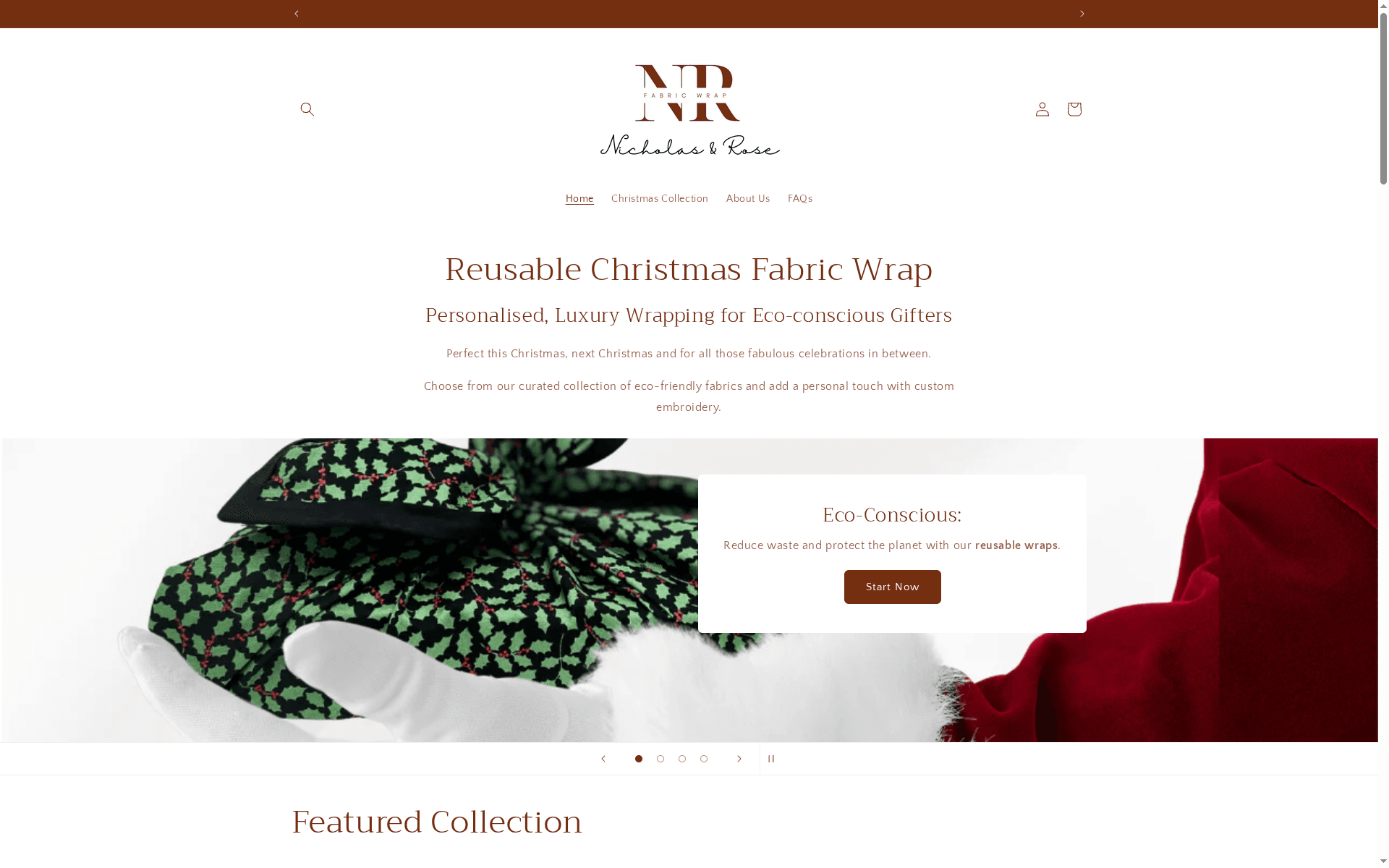
Each wrap is designed to be kept long after the gift is opened. A baby’s name, birth date, or a small motif can be embroidered directly onto the cloth, creating a memento that sits in a keepsake box or hangs in a nursery for years. For baby shower gifts, newborn presents, and children’s birthdays, Nicholasandrose offers a presentation that is bespoke, zero-waste, and genuinely beautiful. You can also read more about sustainable gift wrap choices to find the approach that suits your gifting style. Visit nicholasandrose.co.uk to see the full collection.
FAQ
What is the heritage wrapping definition in simple terms?
Heritage wrapping is the practice of using traditional, reusable textiles or culturally specific materials to wrap gifts, rather than disposable paper. Key examples include Japanese Furoshiki, Korean Bojagi, and Indian Potli.
Which fabrics work best for heritage wrapping techniques?
Cotton is the most practical choice for beginners, as it holds knots well and washes easily. Silk and linen are suited to more formal or special occasions, offering a refined drape and finish.
Is heritage wrapping suitable for newborn and baby shower gifts?
Heritage wrapping is particularly well suited to newborn gifts because the fabric can be repurposed as a muslin, swaddle, or keepsake after the gift is opened. Personalised embroidery makes the wrap a lasting memento of the occasion.
How do I tie a Furoshiki knot correctly?
The square knot, or ma-musubi, is tied by crossing the right fabric point over the left, looping it under, then crossing and pulling through a second time. It holds securely under tension and releases cleanly without damaging the cloth.
Are heritage wrapping materials easy to care for?
Most cotton and linen wrapping cloths wash well at 30 degrees in a standard machine. Silk cloths should be hand-washed or placed in a mesh laundry bag to preserve their lustre and drape.
Recommended
- What is family heirloom wrapping: a complete guide – Nicholas & Rose Limited
- What is heirloom gift wrap: sustainable reusable guide – Nicholas & Rose Limited
- The role of tradition in luxury eco-friendly wrapping – Nicholas & Rose Limited
- Eco Aware Wrapping: Defining Sustainable Luxury – Nicholas & Rose Limited