

Ethical wrapping: sustainable luxury for UK parents 2026
TL;DR:
- UK shoppers overwhelmingly prefer eco-friendly packaging that is both beautiful and reusable.
- Ethical wrapping reduces landfill waste, creates lasting keepsakes, and elevates gifting experiences.
- Reusable fabric wraps offer luxury, personalization, and sustainability over traditional paper options.
Eight out of ten UK shoppers now actively seek eco-friendly packaging, yet a stubborn myth persists that choosing sustainable wrapping means sacrificing beauty, luxury, or that deeply personal touch. For parents welcoming a newborn or celebrating a toddler’s first birthday, this assumption can feel quietly frustrating. You want the gift to feel extraordinary, wrapped with intention, and worthy of the occasion. The truth is that 81% of UK consumers prefer eco-friendly packaging, and the market has responded with options that are genuinely refined, reusable, and exquisitely personalised. This guide will show you exactly how to wrap with both conscience and elegance.
Table of Contents
- The real reasons ethical wrapping matters
- Comparing wrapping choices: Traditional vs ethical
- How to personalise sustainable wrapping for baby gifts
- Practical steps for ethical wrapping at home
- The truth most overlook about ethical wrapping
- Discover ethical wrapping solutions for your next celebration
- Frequently asked questions
Key Takeaways
| Point | Details |
|---|---|
| Eco-friendly is mainstream | Most parents now favour sustainable gift wraps, reflecting wider UK consumer trends. |
| Reusability beats single-use | Reusable wraps, especially in fabric, offer luxury and practicality without waste. |
| Personalisation boosts impact | Customised touches make ethical gift wraps memorable and stylish for baby occasions. |
| Simple steps make a difference | Anyone can easily adopt ethical wrapping with locally sourced or upcycled materials. |
| Luxury and ethics align | It’s possible to combine high-end presentation with sustainable principles—no compromise needed. |
The real reasons ethical wrapping matters
With the foundation set, let’s explore the key reasons ethical wrapping is so important for families who care deeply about the world their little ones will inherit.
Every year, the United Kingdom discards an estimated 227,000 miles of wrapping paper during the festive season alone, and baby showers and birthday celebrations add considerably to that figure. Much of that paper is laminated, glittered, or treated with finishes that render it entirely non-recyclable, destined for landfill before the gift inside is even opened. For eco-conscious parents, this feels painfully at odds with the joy of welcoming new life.
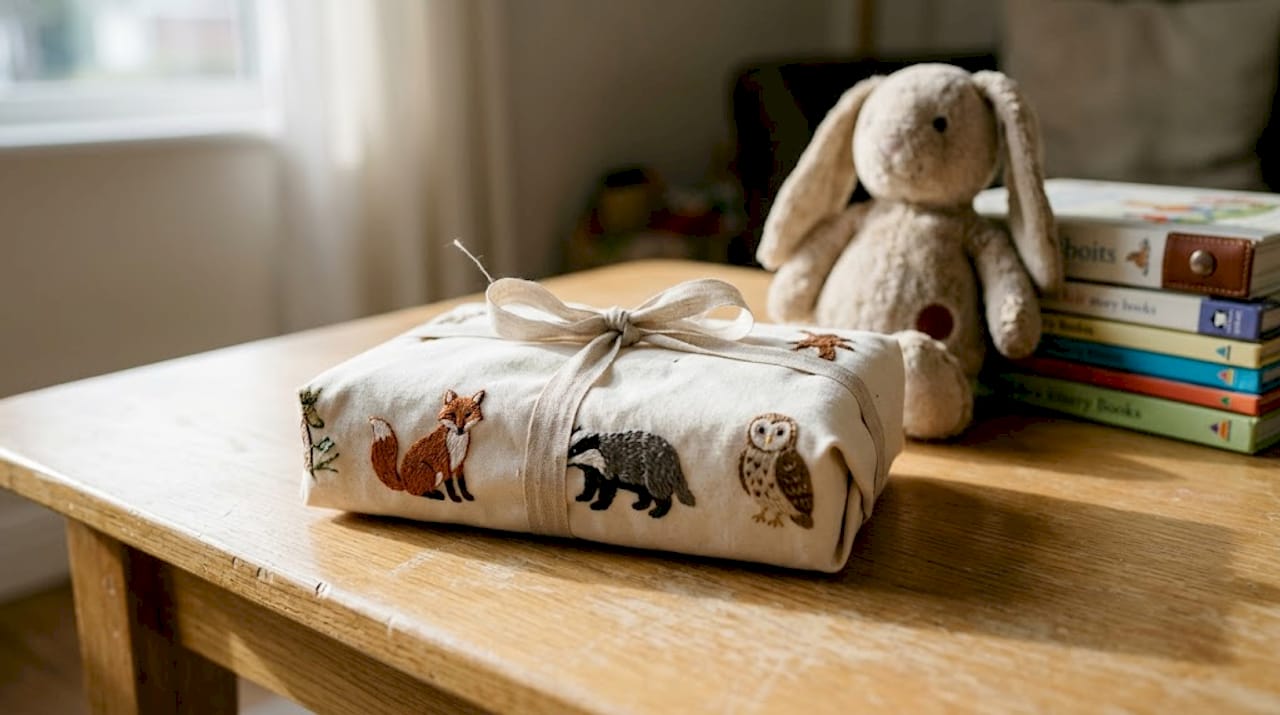
But ethical wrapping is about far more than avoiding landfill. The wrapping itself becomes part of the gift’s story. When a beautifully embroidered fabric wrap cradles a newborn gift, it whispers of care, intention, and a gentle awareness of the world beyond the moment. Recipients notice. Parents remember.
Sustainable gift wrap solutions have evolved enormously in recent years, offering textures, colours, and designs that rival the most opulent paper alternatives. There is no longer any need to choose between environmental responsibility and a presentation that takes your breath away.
The cultural significance of this shift should not be underestimated either. Gifting norms are changing. Young families are increasingly setting the tone for their communities, and a beautifully wrapped, reusable fabric gift at a baby shower sparks conversations, inspires others, and signals values that matter.
Here is why ethical wrapping deserves a central place in your gifting ritual:
- Reduces landfill waste significantly, since reusable fabric wraps can be used dozens of times before any end-of-life consideration arises
- Creates lasting mementoes that parents and children can treasure long after the gift has been unwrapped and enjoyed
- Demonstrates genuine care for the recipient, their family, and the broader environment they will grow up in
- Elevates the gifting experience by replacing a fleeting moment of torn paper with a tactile, sensory ritual worth savouring
- Supports sustainable businesses and encourages a broader cultural shift toward thoughtful consumption
“The wrapping is no longer discarded before the party ends. It becomes part of the gift itself, folded neatly away as a keepsake.”
With eco wrapping workflow guidance now widely available, the practical barriers to making this switch have never been lower. The question is no longer whether you can wrap ethically. It is simply where to begin.
Comparing wrapping choices: Traditional vs ethical
Having discussed why ethical wrapping matters, let’s see how options stack up when placed side by side.
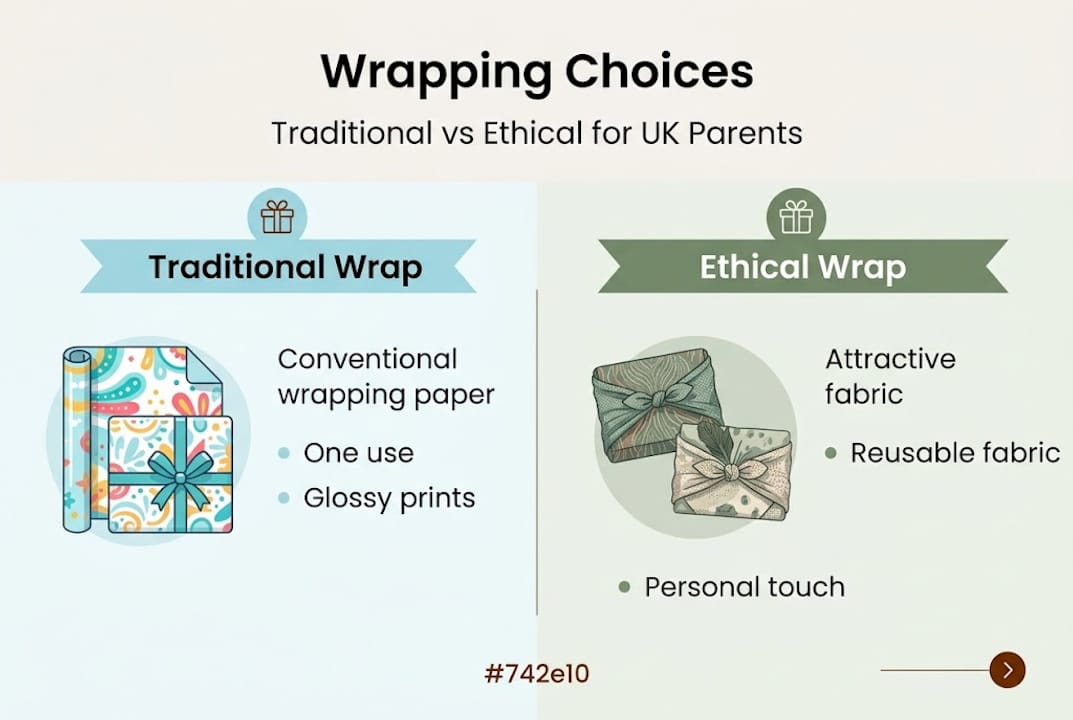
Traditional wrapping paper has undeniable visual appeal. Crisp folds, glossy finishes, and bold seasonal prints create an immediate sense of occasion. Yet that appeal is almost entirely fleeting. Within minutes of the gift being presented, the paper is torn, crumpled, and discarded. For a newborn gift, it may even be thrown away before the baby has arrived home from the hospital.
The contrast with fabric wrapping is striking. A well-chosen textile wrap, perhaps in a softly woven organic cotton or a luminous silk blend, retains its beauty long after the unwrapping moment has passed. It can be refolded, repurposed, or treasured as part of the nursery’s aesthetic. As eco-luxury wrap choices continue to grow in variety and sophistication, the argument for single-use paper becomes increasingly difficult to sustain.
| Feature | Traditional paper | Reusable fabric wrap |
|---|---|---|
| Eco impact | High waste, often non-recyclable | Minimal, reusable many times |
| Luxury feel | Good initially | Exceptional and lasting |
| Personalisation | Limited print options | Embroidery, custom design |
| Usability | Awkward for odd shapes | Flexible, adaptable |
| Long-term cost | Repeated expense | One-time investment |
| Waste produced | Tape, ribbon, paper | None |
Fabric wraps offer a particular advantage when it comes to the soft, irregular shapes so common with newborn and toddler gifts: plush toys, clothing bundles, or delicate keepsakes that resist a neat rectangular fold. As reusability trumps single-use options even when paper is technically recyclable, and fabric handles odd shapes with effortless grace while eliminating waste from tape and ribbons entirely.
A numbered approach can help you assess your own wrapping choices more clearly:
- Audit your current wrapping supplies and identify what is genuinely recyclable versus what is destined for landfill
- Identify one or two key occasions where you could introduce a reusable fabric wrap this year
- Compare total cost over five gift-giving occasions to see where fabric becomes the more economical choice
Pro Tip: Begin with a single beautifully embroidered fabric wrap for your next baby shower gift. Notice how recipients respond, and allow their delight to guide your next gifting decision.
For a thorough review of your own approach, a gift wrap checklist can help you track progress and make confident, informed choices.
How to personalise sustainable wrapping for baby gifts
Now that you know the differences, let’s add personal flair to ethical wrapping and transform it into something truly unforgettable.
Personalisation is where sustainable wrapping transcends the merely practical and becomes genuinely moving. A fabric wrap embroidered with a baby’s name, birth date, or a delicate floral motif carries an emotional weight that no printed paper could ever hope to replicate. It becomes, in the truest sense, part of the gift itself.
With 81% of UK consumers already drawn toward eco-friendly packaging, the appetite for options that combine sustainability with something beautifully individual is enormous. Parents receiving a personalised fabric wrap at a baby shower often describe it as one of their most treasured gifts, folded carefully into a keepsake drawer long after the original present has been outgrown.
Here are some of the most elegant approaches to personalising your sustainable wrapping:
- Embroidered details: A baby’s name or initials stitched in fine thread creates an heirloom quality that printed alternatives simply cannot match
- Custom fabric selection: Choose organic cotton in soft sage, blush, or ivory to complement nursery palettes and the season of birth
- Natural embellishments: A sprig of dried botanicals, a loop of organic ribbon, or a hand-tied knot adds gentle texture without generating waste
- Hand-written name tags: Crafted from seed paper or upcycled card, these can be planted or composted after the occasion
- Layered textiles: Combining a main wrap with a smaller coordinating cloth creates a considered, luxurious presentation
Explore personalised eco wrap ideas to discover how leading sustainable brands are approaching custom design for the newborn and toddler gifting market.
Pro Tip: When selecting embroidery details, consider motifs that grow with the child, delicate animals, botanical prints, or celestial patterns that will feel as fitting on a first birthday as they did at the baby shower.
For practical guidance on presenting reusable wraps beautifully, reusable wrap tips offer step-by-step inspiration that makes the wrapping process feel like a calm, intentional ritual rather than a last-minute task.
Practical steps for ethical wrapping at home
Finally, let’s make ethical wrapping easy and accessible in your own home, so it becomes a natural and joyful part of every gifting occasion.
Sourcing ethical wrapping materials has never been more straightforward. Independent UK makers, online sustainable retailers, and specialist brands now offer a wide range of organic fabrics, upcycled textiles, and bespoke embroidered wraps that can be ordered with personalised details and delivered ahead of any celebration.
Follow these steps to establish a simple, sustainable wrapping practice:
- Choose your fabric based on the gift’s size and shape, allowing for generous drape and a graceful finish
- Prepare your embellishments in advance, gathering organic ribbon, botanical sprigs, or a handwritten name tag
- Wrap the gift using a Furoshiki-inspired fold, a traditional Japanese wrapping technique that uses a single cloth and requires no tape or adhesive
- Secure with a natural knot or bow, tied from the wrap itself or a length of organic cotton ribbon
- Present the wrap as part of the gift, with a brief note explaining its reusable nature and inviting the recipient to use it again
This table outlines popular ethical materials and their relative environmental credentials:
| Material | Reusability | Environmental impact | Best for |
|---|---|---|---|
| Organic cotton | Very high | Low, biodegradable | Newborn gifts, soft items |
| Recycled paper | Low | Medium, recyclable | Smaller, rigid gifts |
| Silk blend fabric | High | Medium, long-lasting | Special occasions |
| Upcycled textiles | High | Very low, repurposed | Casual and creative gifting |
For further inspiration on fabric wraps save waste while adding genuine beauty, a growing library of creative techniques is available to guide you through every occasion.
Pro Tip: Store your fabric wraps flat between acid-free tissue in a cool, dry drawer, or roll them gently around a cardboard tube to preserve their drape and hand-feel for years of future use.
Useful habits for maintaining your ethical wrapping collection include:
- Washing fabric wraps gently after use and air-drying to preserve colour and texture
- Grouping wraps by size so you can select the right piece quickly for any gift
- Exploring reuse gift wrap ideas to keep your collection feeling fresh and versatile
For a wider view of the landscape, eco-friendly wrap tips provide seasonal guidance that keeps your practice current and inspiring.
The truth most overlook about ethical wrapping
In light of the practical and creative solutions above, consider this perspective, drawn from watching gifting culture shift gradually but unmistakably over recent years.
Most parents assume that choosing ethical wrapping is a compromise, that they are trading visual impact for virtue, accepting something modest in place of something magnificent. This assumption is quietly, consistently wrong.
The parents who have made this shift describe something unexpected: the wrapping becomes more memorable, not less. A softly embroidered organic cotton wrap, folded around a newborn gift, carries a dignity and warmth that no amount of glossy paper could manufacture. It does not shout. It whispers, and whispers are often the things we remember longest.
Luxury has never truly been about extravagance. It has always been about intention. A bespoke detail, a considered material, a gift that continues to give long after the occasion has passed, these are the marks of genuinely refined gifting. Exploring fabric waste savings reveals just how profoundly this shift in approach benefits both families and the environment they are raising their children within. The families who choose thoughtfully today are quietly setting the standard for the communities around them.
Discover ethical wrapping solutions for your next celebration
If this guide has stirred something in you, a quiet resolve to wrap the next gift with greater care and intention, then you are already most of the way there.
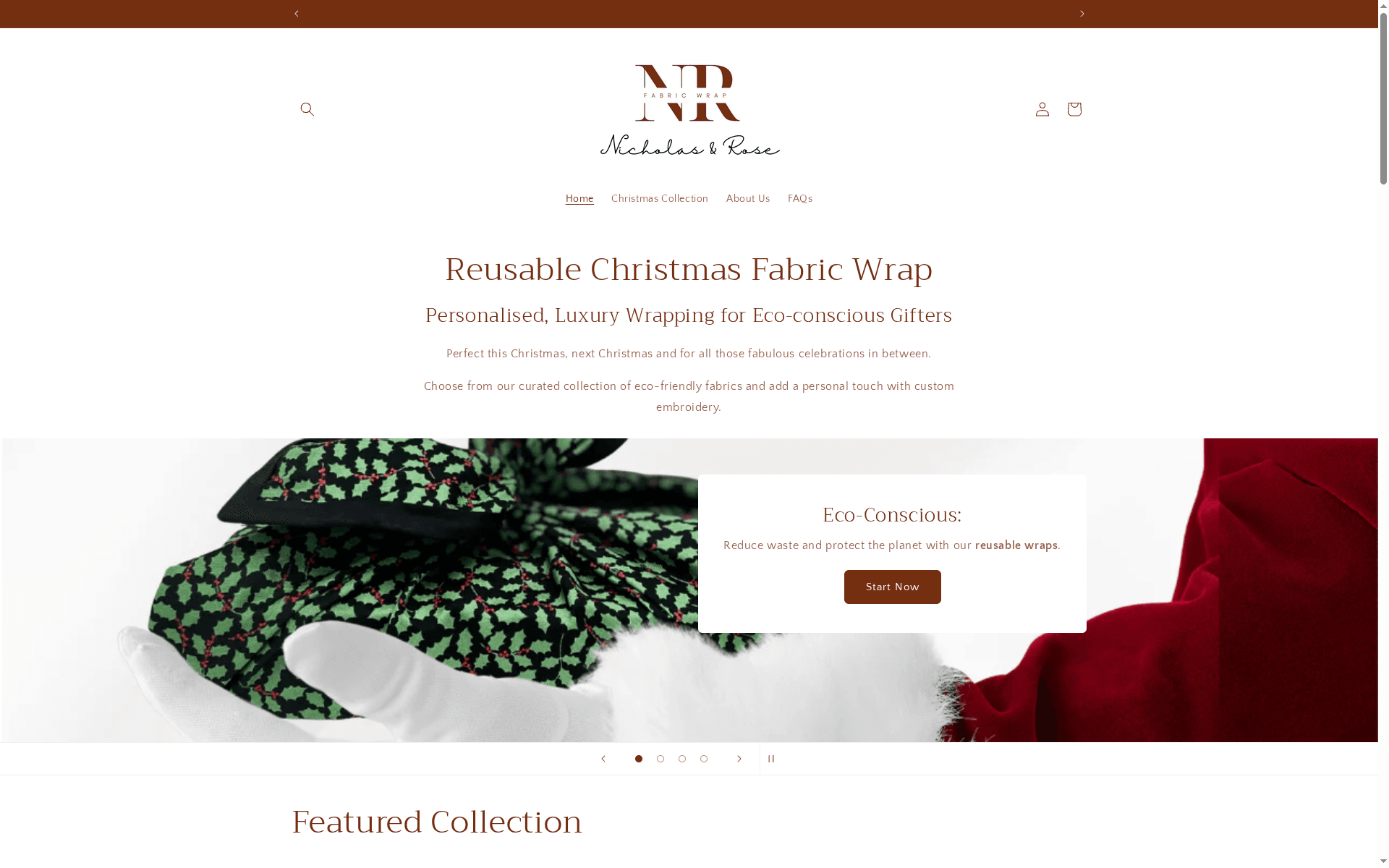
Nicholas & Rose ethical wrapping was created for exactly this moment. Our 2026 newborn and toddler collection brings together beautifully crafted, reusable fabric wraps that can be personalised through fine embroidery, transforming every gift into a lasting keepsake. Each wrap is designed to be treasured long after the celebration ends, a quiet memento of the day a new life was welcomed into the world. Explore our range and discover how effortlessly luxury and sustainability can coexist.
Frequently asked questions
What makes gift wrapping ‘ethical’?
Ethical wrapping uses sustainable, reusable, or recyclable materials and avoids unnecessary waste or harmful processes, reflecting the values that now drive 81% of UK consumers toward eco-friendly packaging choices.
Can luxury wrapping be eco-friendly and personalised?
Absolutely. Organic fabrics, upcycled textiles, and custom embroidery deliver both luxury and sustainability, and as reusability outperforms single-use options in every practical measure, the case for beautiful, reusable wrapping is compelling.
Is ethical wrapping more expensive than traditional options?
Initial costs can be slightly higher, but reusable fabric wraps offset that expense across many occasions and eliminate the repeated spend on disposable paper, tape, and ribbon.
How can parents ensure their wrapping is truly sustainable?
Choose reusable fabric wraps, basic recyclable papers, or upcycled textiles, and avoid plastics, glitter finishes, or single-use ribbons that cannot be composted or recycled.
Where can I buy eco-friendly luxury wrapping in the UK?
Specialist brands such as Nicholas & Rose offer curated, sustainable, and beautifully personalised wrapping solutions designed specifically for newborn and toddler gifting occasions across the UK.
Recommended
- Luxurious eco wrapping ideas for UK newborn gifts – Nicholas & Rose Limited
- Sustainable gift wrap UK: Eco-friendly tips for parents – Nicholas & Rose Limited
- Eco-conscious gifting for UK parents: sustainable choices – Nicholas & Rose Limited
- Eco-conscious holiday checklist: sustainable gifts for UK parents – Nicholas & Rose Limited
- Sustainable Living — Hello Charlie