

What is zero waste gifting: a 2026 guide for UK gift-givers
What is zero waste gifting and why does it matter?
Zero waste gifting is the practice of choosing gifts and packaging that minimise environmental impact by prioritising reuse, durability, compostability, and thoughtful intention at every stage. Rather than producing absolutely no waste, the philosophy follows the five Rs: refuse what is unnecessary, reduce what you consume, reuse what you already have, repair instead of replacing, and recycle responsibly. It is progress over perfection, not an impossible standard.
The urgency behind this shift is real. Waste generation rises significantly during the holiday season globally, driven by single-use wrapping paper, disposable packaging, and novelty gifts discarded within days of unwrapping. Much of that waste cannot be recycled due to mixed materials, and a significant portion ends in landfill where it releases methane.
Zero waste gifting challenges this cycle by anchoring every choice in circular economy principles: selecting gifts that are reusable, repairable, refillable, or compostable, and wrapping them in materials that live on rather than lining a bin. The core principles at a glance:
- Refuse novelty items and impulse purchases with no lasting purpose
- Reduce the volume of gifts given in favour of fewer, more considered choices
- Reuse packaging, wrapping, and the gifts themselves across multiple occasions
- Repair rather than replace, extending the life of well-made items
- Recycle or compost responsibly at end of life, choosing single-material gifts wherever possible
Beyond the environmental case, zero waste gifting carries a quiet social weight. When families normalise intentional swaps, those small choices compound into a shift in consumption culture that reaches well beyond a single occasion.
What kinds of gifts count as zero waste eco-friendly presents?
The most useful way to think about sustainable gifting options is through a gift’s full lifecycle: how it is made, how long it lasts, and what happens when it is no longer needed. No physical object is entirely impact-free, but the best choices earn their footprint through genuine utility and longevity.
Categories worth exploring include:
- Reusable household items: stainless steel water bottles, glass food containers, beeswax wraps replacing cling film, and linen produce bags
- Plastic-free personal care: solid shampoo bars and refillable skincare from brands such as Faith in Nature and UpCircle, whose formulations are designed to replace recurring disposable purchases
- Durable children’s toys and accessories: open-ended wooden toys crafted from FSC®-certified wood, organic cotton soft toys, and heirloom-quality gifts built to outlast trends and pass between siblings
- Experiential gifts: cooking classes, nature walks, theatre tickets, or a subscription to something the recipient genuinely uses
- Consumables with minimal impact: loose-leaf teas in compostable packaging, natural beeswax candles from Superbee, or handmade preserves in reusable jars
- DIY and digital gifts: handwritten recipe collections, digital photo albums, or a Dopper water bottle paired with a pledge to reduce single-use plastic together
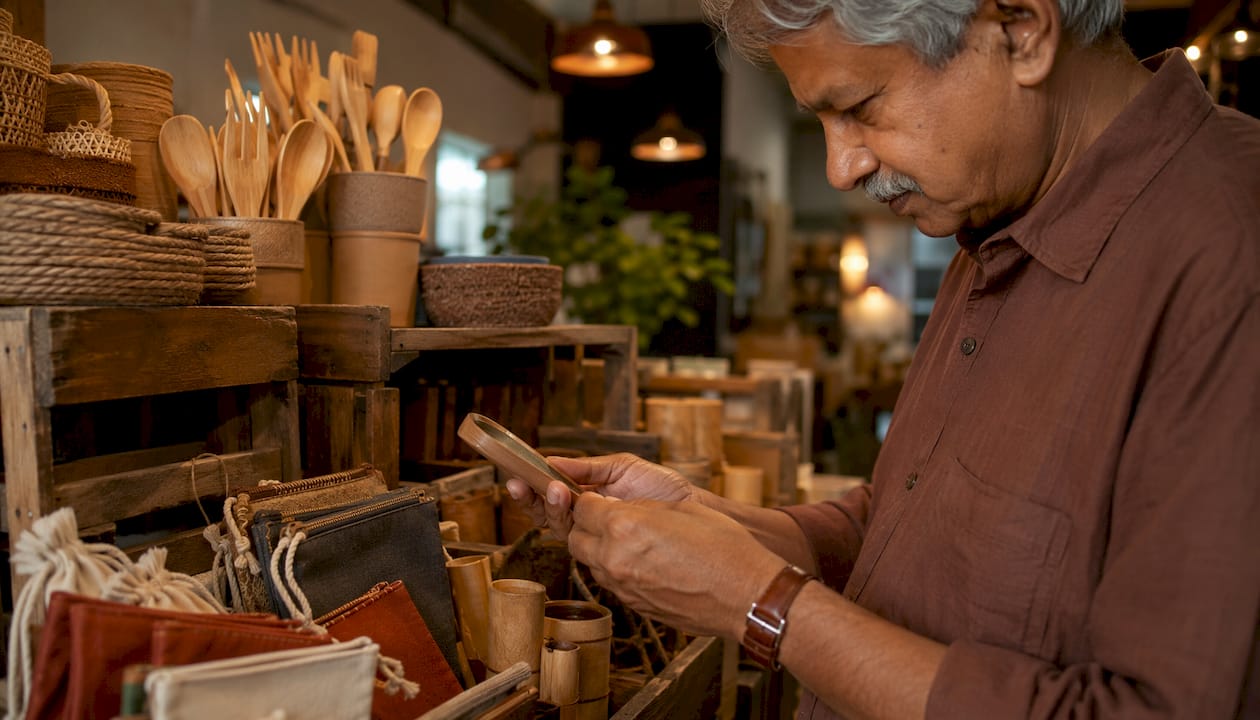
Materials matter as much as category. Organic cotton, hemp, linen, recycled metals, stainless steel, glass, and FSC®-certified wood all offer genuine end-of-life pathways. The goal is a gift that replaces a disposable habit rather than adding to the shelf of forgotten objects.
How do you shop for zero waste gifts without falling for greenwashing?
True sustainability begins before you add anything to your basket. The word “eco” on a label tells you very little; what matters is whether a gift is genuinely durable, reusable, and designed with its end of life in mind.
A practical checklist when evaluating any gift:
- Durability first: will this item still be in use in five years? Utility-focused gifting is the most effective zero waste strategy; a gift must earn its place by fulfilling a real need.
- Single-material construction: many materials marketed as eco-friendly are difficult to recycle once mixed or coated. Opt for items made from one material wherever possible.
- Minimal, recyclable packaging: avoid gifts arriving in layers of glossy inserts, plastic sleeves, and non-recyclable filler. Recyclable cardboard or compostable tissue is the standard to look for.
- Locally made or ethically sourced: sourcing closer to home reduces transport emissions and supports independent makers whose production standards you can verify.
- Ask before you buy: a gift the recipient actually wants is the most sustainable gift of all. An unwanted item, however beautifully made, is waste waiting to happen.
Engaging recipients in the process, whether through a wish list, a shared experience, or a direct conversation, transforms gifting from spectacle into solution. That shift in mindset is, arguably, the most radical thing zero waste gifting asks of you.
Zero waste wrapping ideas: beautiful alternatives to single-use paper
Conventional wrapping paper is one of the most quietly wasteful elements of gift-giving. Foil finishes, glitter coatings, and tape-heavy mixed materials mean that much gift wrap is not recyclable in practice, regardless of how it looks. The bin receives it within minutes of the gift being opened.
Thoughtful alternatives that hold their own aesthetically:
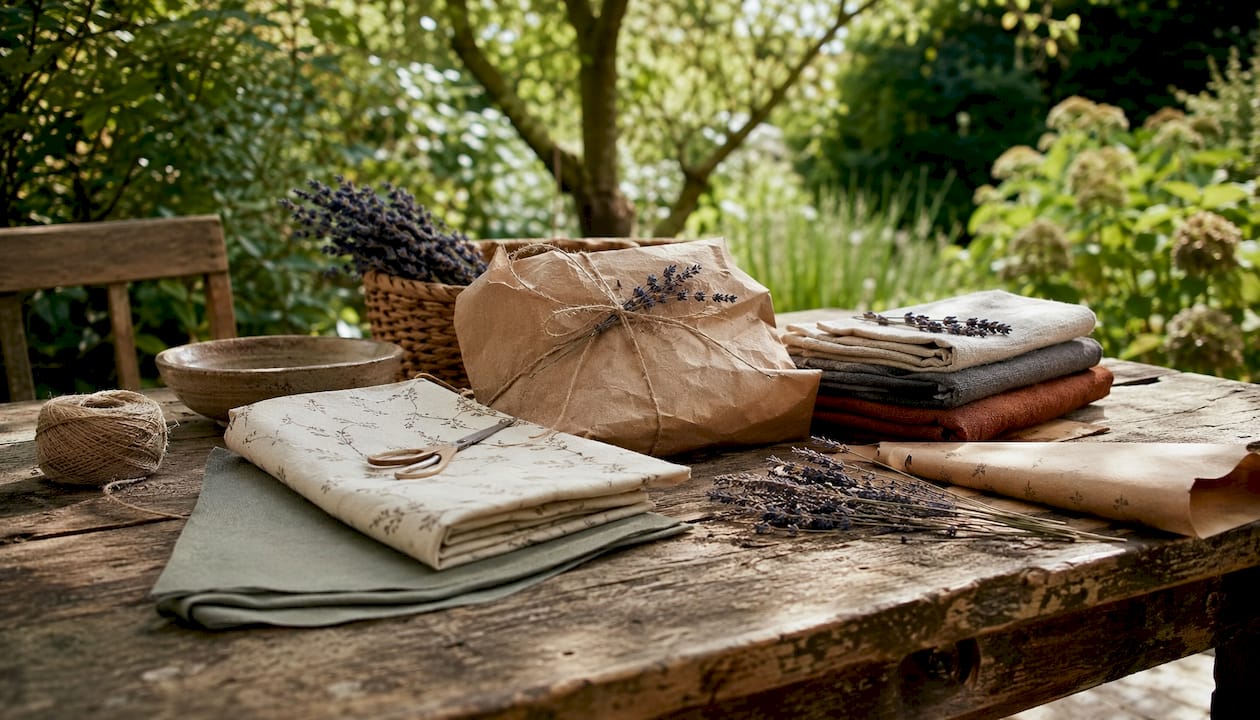
- Reusable fabric gift wraps: soft, tactile, and endlessly reusable, these wraps become part of the gift rather than its discarded shell
- Recycled or plantable paper: kraft paper seeded with wildflower seeds offers a second life once the wrapping is done
- Natural ribbons and twine: cotton or jute ribbon replaces plastic curling ribbon and composts cleanly
- Repurposed fabric: a linen tea towel, a muslin square, or a cotton scarf folded in the Japanese furoshiki style adds texture and a secondary gift in one gesture
- Reused gift bags and boxes: a sturdy box stored and reused across occasions costs nothing and generates nothing new
Pro Tip: Store your fabric wraps flat or rolled in a drawer after each use, and they will hold their drape and colour across dozens of occasions. A single wrap used ten times over its lifetime saves up to 90% of the waste generated by single-use paper alternatives.
The wrapping is the first thing a recipient sees and the last thing they handle. Choosing something beautiful and reusable turns a moment of unwrapping into a ritual worth repeating.
Zero waste gifting for newborns, baby showers, and children
Gifting for a new arrival carries a particular tenderness, and it also carries a particular responsibility. The baby product market is saturated with disposable items, novelty packaging, and short-lived plastic toys that outlive their welcome within months. Zero waste principles offer a quieter, more considered path.
For newborns and baby showers, the most enduring gifts tend to be:
- Organic cotton swaddles and muslins: breathable, washable, and soft against delicate skin, these are used daily for months and often passed to younger siblings
- Plantable keepsakes: seed paper birth announcements or plantable cards that grow into wildflowers offer a living memory of the occasion
- Experience gifts for parents: a meal delivery, a postnatal yoga class, or a local National Trust membership gives something genuinely needed without generating a single piece of packaging
- Personalised reusable fabric wraps: a fabric wrap for newborns embroidered with the baby’s name becomes both the presentation and a lasting keepsake, long after the gift inside is forgotten
For older children, durable open-ended toys, art supplies in refillable tins, and books with cloth spines all align with zero waste values while genuinely delighting the recipient.
Pro Tip: When gifting for a baby shower, combine a beautiful organic cotton essential with a personalised reusable fabric wrap. The wrap serves as the packaging on the day and then becomes a beloved memento, a piece of the story of that child’s earliest days, kept and cherished long after the occasion has passed.
Zero waste gifting for children is not about giving less. It is about giving things that grow with the child, carry meaning, and leave the world a little lighter.
Nicholasandrose: reusable fabric gift wrap for UK families in 2026
Nicholasandrose was founded on a belief that the wrapping should be as considered as the gift itself. The brand’s aesthetic is warm and earthy, rooted in rich natural tones and the quiet elegance of organic materials, designed to appeal to gift-givers who want beauty and environmental responsibility in equal measure.
The centrepiece of the Nicholasandrose offering is its range of personalised reusable fabric wraps, each crafted to be used, loved, and reused across years of occasions. For 2026, the brand has introduced a dedicated newborn and toddler range, recognising that the earliest gifts in a child’s life deserve the most thoughtful presentation.
Key features of the Nicholasandrose fabric wraps:
- Embroidered personalisation: each wrap can be customised with a name, date, or short message, transforming it from packaging into a bespoke keepsake
- Durable, tactile materials: the wraps are designed with a crisp hand-feel and a graceful drape, holding their form and colour across repeated use
- Genuinely reusable: unlike single-use paper, a Nicholasandrose wrap travels with the family, reappearing at birthdays, Christmases, and new arrivals for years to come
- Zero waste by design: the wrap replaces disposable paper at every occasion it is used, with fabric wraps saving up to 90% of the waste generated by conventional alternatives
The Nicholasandrose newborn range is particularly suited to baby showers and first birthday gifts, where the wrap itself becomes part of the memory. A name embroidered in soft thread, the date of a birth stitched quietly into the corner: these are the details that turn a practical object into an heirloom.
For UK parents navigating the tension between celebration and environmental responsibility in 2026, Nicholasandrose offers something rare: a gift accessory that is as beautiful as it is purposeful, and that earns its place in a home long after the occasion that brought it there.
Explore the full range at nicholasandrose.co.uk and discover how a single wrap, personalised and cherished, can quietly transform the way your family gives.
Key takeaways
Zero waste gifting works best when every choice, from the gift itself to its wrapping, is made with longevity, reusability, and genuine meaning at its heart.
| Point | Details |
|---|---|
| Follow the five Rs | Refuse, reduce, reuse, repair, and recycle guide every zero waste gifting decision. |
| Choose gifts that earn their footprint | Durable, useful gifts that replace disposables justify their environmental cost far better than novelty items. |
| Avoid unrecyclable wrapping | Foil, glitter, and mixed-material papers cannot be recycled; fabric wraps or plantable paper are the practical alternatives. |
| Fabric wraps save up to 90% waste | Reusing a fabric wrap across multiple occasions saves up to 90% of the waste generated by single-use paper. |
| Personalisation adds lasting value | Embroidered fabric wraps for newborns serve as both packaging and a sentimental keepsake, reducing waste while deepening meaning. |
Recommended
- Zero waste gift wrapping for UK parents: a 2026 guide – Nicholas & Rose Limited
- Low-waste Christmas: celebrate sustainably this year – Nicholas & Rose Limited
- Guide to sustainable gifting for eco-conscious occasions – Nicholas & Rose Limited
- Eco-conscious gifting for UK parents: sustainable choices – Nicholas & Rose Limited