

Why switch to fabric wraps: sustainable, stylish gifts
TL;DR:
- UK uses 227,000 miles of wrapping paper yearly, most of which ends in landfill.
- Reusable fabric wraps reduce waste, CO2 emissions, microplastics, and are durable for multiple uses.
- Switching to fabric wraps teaches children sustainability and creates meaningful, lasting gift-giving traditions.
Every year, British parents tear open rolls of glittering wrapping paper, watch their children’s eyes light up, and then sweep the whole lot into a bin bag before the birthday cake is cut. The UK uses 227,000 miles of wrapping paper every single year, with 108 million rolls going straight to landfill, most of it non-recyclable due to glitter and foil coatings. For parents who care deeply about the world their children will inherit, that moment of celebration and waste sits uncomfortably together. Reusable fabric wraps offer something more beautiful: a gift that honours both the child and the planet, wrapped in something worth keeping.
Table of Contents
- How much waste does traditional wrapping create?
- What makes fabric wraps a sustainable solution?
- Personalising gifts: creativity and meaning with fabric wraps
- Practicalities: are fabric wraps really that easy and affordable?
- What most parents miss about making the switch
- Discover eco-friendly reusable wraps for your next celebration
- Frequently asked questions
Key Takeaways
| Point | Details |
|---|---|
| Traditional wrap is highly wasteful | Paper gift wrap in the UK generates millions of rolls of waste each year, much of it unrecyclable. |
| Fabric wraps cut emissions and landfill | Switching to reusable wraps slashes CO2 output and can eliminate up to 90% of wrapping waste. |
| Reusable wraps add personal value | Fabric wraps let you personalise gifts and create keepsakes that last well beyond special occasions. |
| Saves money over time | Though the initial cost is higher, a fabric wrap pays for itself after a few uses and beats buying new paper each celebration. |
How much waste does traditional wrapping create?
The numbers, when you sit with them, are quietly staggering. 227,000 miles of wrapping paper are consumed across the UK each year, and 108 million rolls end up binned, often within minutes of a gift being opened. For baby showers, that waste can arrive before the baby does.
The problem is not simply volume. It is composition. Much of the wrapping paper sold in UK shops is laminated, foiled, or dusted with glitter, all of which contaminate the paper recycling stream. A sheet that looks festive and cheerful is, in recycling terms, essentially worthless. It cannot be separated, processed, or given a second life.
“Most glittered and foil-coated wrapping paper cannot enter the standard paper recycling stream, meaning it travels directly from your gift table to landfill.”
The carbon cost compounds the problem. 1kg of paper wrapping generates over 3kg of CO2 across its production and disposal lifecycle. Multiply that across millions of birthday parties, baby showers, and christenings each year, and the environmental toll becomes sobering.
Here is a clear summary of the key environmental costs:
| Waste category | Impact |
|---|---|
| Annual UK wrapping paper used | 227,000 miles |
| Rolls sent to landfill per year | 108 million |
| CO2 per 1kg of paper wrap | Over 3kg |
| Recyclable with glitter or foil | Almost none |
Beyond CO2, the wider downsides of paper wrap include:
- Landfill volume: Millions of rolls compressed into waste sites, releasing methane as they decompose
- Toxic inks and dyes: Many decorative papers use chemical inks that leach into soil
- Microplastic risk: Glitter-coated papers shed microplastics into waterways
- Single-use design: Paper wrap is engineered to be destroyed, not preserved
Understanding the true cost of a single roll of paper is the first step. Exploring fabric wrap vs paper waste reveals just how significant the alternative can be, and why so many thoughtful parents are making the switch for good.
What makes fabric wraps a sustainable solution?
Fabric wrapping, rooted in the Japanese tradition of furoshiki, transforms a single square of cloth into an endlessly reusable, endlessly beautiful gift covering. The principle is elegantly simple: one piece of fabric, folded and knotted with care, replaces hundreds of rolls of paper over its lifetime.
The most commonly used materials include organic cotton, linen, and bamboo blends, all of which are biodegradable, washable, and remarkably durable. Unlike paper, a well-made fabric wrap does not tear, crumple, or lose its beauty after one use. It improves with washing, softening into something that feels genuinely heirloom.
Fabric vs paper: a direct comparison
| Feature | Fabric wrap | Paper wrap |
|---|---|---|
| Reusable | Yes, dozens of times | No |
| Recyclable | Yes, when worn | Rarely |
| CO2 per use | Reduces with each reuse | Fixed per roll |
| Microplastics | None | Common with glitter |
| Personalisation | Embroidery, printing | Limited |
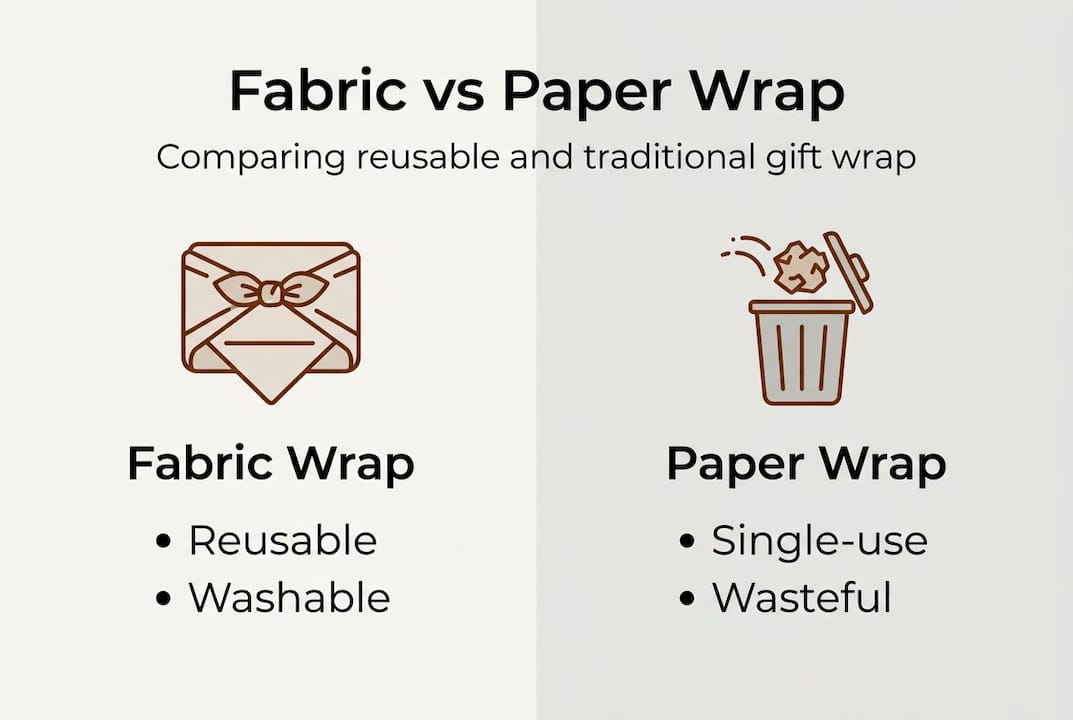
Swapping to reusable fabric wraps greatly reduces annual wrapping waste and the emissions associated with it. Over the course of a child’s early years, a single fabric wrap used for birthdays, baby showers, and seasonal celebrations could replace dozens of rolls of paper.
The cost argument is equally compelling. A quality fabric wrap carries a higher upfront price than a roll of paper, but when you consider that it can be used across 90% fewer occasions without generating any new waste, the savings accumulate gracefully over time.
The top fabric wrap benefits that parents return to again and again include:
- No tape, scissors, or paper scraps required
- Machine washable and long-lasting with gentle care
- Free from microplastics and toxic dyes
- Beautifully tactile, with a drape that paper simply cannot replicate
Pro Tip: Wash your fabric wrap on a cool, gentle cycle and air dry it flat to preserve its colour and weave. A wrap cared for this way can serve your family for years, becoming softer and more characterful with every celebration it attends.
Personalising gifts: creativity and meaning with fabric wraps
There is something quietly magical about receiving a gift wrapped in fabric. The presentation itself becomes part of the experience, a moment of texture and colour before the gift inside is even revealed. For children’s occasions especially, fabric wraps are particularly treasured as keepsakes and family mementos.
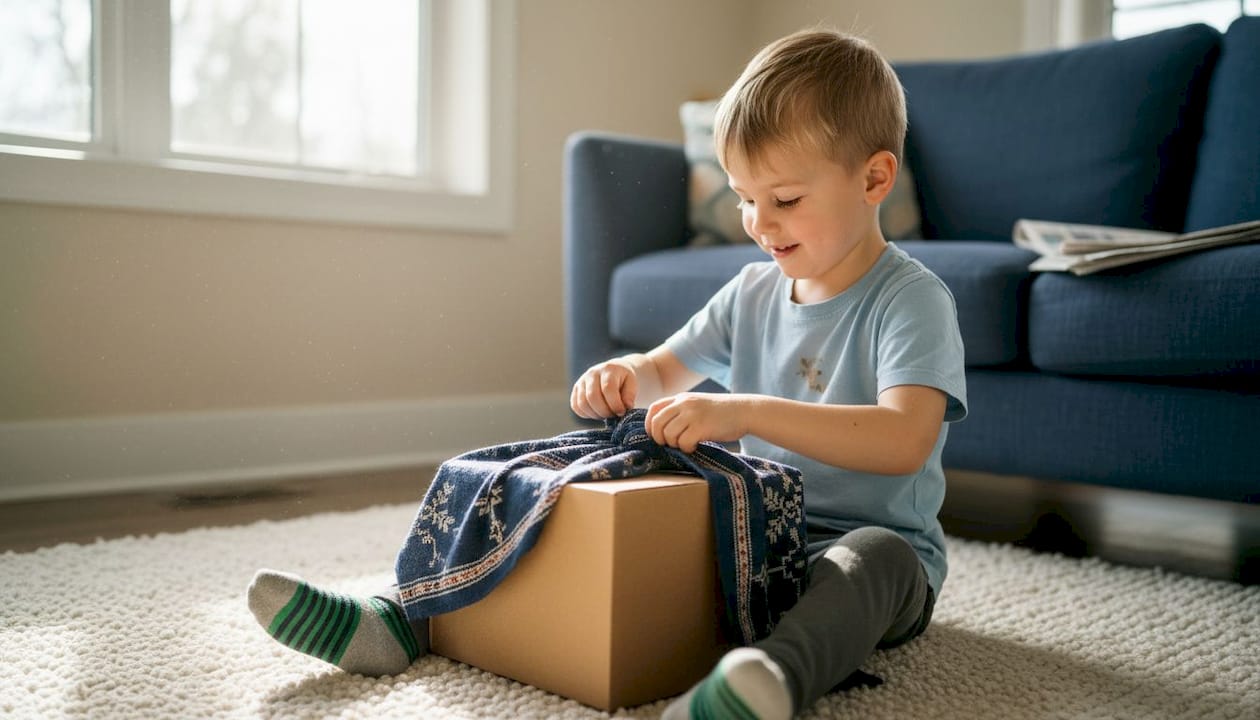
Unlike paper, fabric invites creativity. You can knot it into a bow, twist it into a rosette, layer two complementary colours together, or tuck in a sprig of dried lavender for a sensory flourish. The wrapping becomes part of the gift, not an afterthought destined for the bin.
For a child’s birthday or a newborn’s arrival, personalising a fabric wrap is a deeply thoughtful gesture. Here is how to approach it with intention:
- Choose your fabric with the child in mind. A woodland print for a nature-loving toddler, a soft pastel for a newborn, or a bold, joyful pattern for an older child.
- Add embroidery with the child’s name, birth date, or a small motif. This transforms the wrap into a bespoke keepsake that parents will cherish long after the gift inside is forgotten.
- Involve the child in choosing the fabric or the knot style. Letting small hands participate in the wrapping creates a ritual of anticipation and joy.
- Layer with intention by pairing the wrap with a handwritten card tucked into the knot, or a small dried flower from your garden.
- Gift the wrap itself as part of the present. A beautifully embroidered cloth can become a comfort blanket, a play mat, or a treasured keepsake box lining.
Exploring sustainable gift embellishment ideas opens up a world of possibility, from pressed botanicals to hand-tied ribbons made from natural twine. And if you are looking for inspiration on presentation, fabric gift wrapping ideas offer a wealth of elegant, paper-free approaches.
Pro Tip: Use the fabric wrap as part of the gift itself. A square of soft organic cotton embroidered with a baby’s name makes a beautiful muslin, a keepsake cloth, or even a first dolly’s blanket. The wrap becomes a second gift, and nothing is wasted.
Practicalities: are fabric wraps really that easy and affordable?
The most common hesitation parents share is a practical one. Fabric wraps sound lovely in principle, but are they genuinely convenient for a busy household juggling nap times, party planning, and a very opinionated three-year-old?
The honest answer is yes, and often more so than paper. There is no hunting for the right length of roll, no fighting with sticky tape, and no paper tearing at precisely the wrong moment. A fabric wrap folds and knots in minutes, and the result looks considered and beautiful without requiring any particular skill.
On cost, the picture is equally encouraging. A single quality fabric wrap may cost more upfront than a roll of paper, but reuse saves money over time and prevents hundreds of rolls from travelling to landfill across a family’s gifting life. When you calculate the cost per use across dozens of celebrations, fabric wraps become the more economical choice by a considerable margin.
According to UK wrapping waste data, families generate enormous volumes of gift wrap waste annually, much of it avoidable with a single, considered swap.
Practical benefits that parents consistently appreciate:
- No tape or scissors needed: Simply fold, knot, and present
- Faster wrapping: Once you know a basic knot, the process takes under two minutes
- Easy storage: Fold wraps flat and store in a drawer or small basket, taking up far less space than bulky paper rolls
- Washable and durable: A gentle machine wash restores the fabric beautifully between uses
If a recipient falls in love with the wrap, gift it to them as part of the present. If they return it, all the better: it is ready for the next celebration. You can find a helpful fabric wrap checklist to guide your first purchase, and clear fabric wrapping instructions to make your first knot feel effortless.
What most parents miss about making the switch
Most conversations about fabric wraps focus on waste reduction, and rightly so. But the deeper value, the one that stays with families long after the novelty has settled, is what the switch teaches children.
When a child watches a gift being wrapped in something beautiful and reusable, and then sees that same cloth appear at the next birthday, and the one after that, something quiet and powerful takes root. They begin to understand that beautiful things are worth caring for. That celebration does not require waste. That thoughtfulness and sustainability are not opposites.
We have seen this ripple outward. Families who switch to fabric wraps often find their children asking questions at school, influencing friends, and arriving at parties with their own reusable wraps. The small, personal act of choosing top sustainable wrap solutions quietly reshapes the culture around them.
The real gift is not inside the wrap. It is the wrap itself, and the values it carries.
Discover eco-friendly reusable wraps for your next celebration
If this has stirred something in you, the loveliest next step is simply to begin. Nicholas & Rose offers a beautifully curated range of premium reusable fabric wraps, including a new 2026 newborn and toddler collection designed with the earliest, most tender celebrations in mind. Each wrap can be personalised through embroidery, transforming it into a bespoke keepsake that parents will treasure for years.
The woodland rabbit reusable wrap is a gentle, nature-inspired choice for newborns and toddlers, while the sunshine yellow furoshiki wrap brings warmth and joy to any birthday celebration. Browse the collection and bring something genuinely beautiful, and genuinely lasting, to your child’s next special occasion.
Frequently asked questions
How many times can I reuse a fabric wrap?
High-quality fabric wraps are durable enough to last for years, easily withstanding dozens of uses with gentle care, far outlasting any paper alternative.
Are fabric wraps suitable for all gift shapes?
Fabric wraps adapt to a wide range of gift shapes and sizes, from neat square boxes to awkwardly shaped toys, using simple knotting techniques.
How do you wash and care for fabric gift wraps?
Most fabric wraps are machine washable on a gentle, cool cycle; air drying flat preserves the fabric’s colour, weave, and shape beautifully.
What if a recipient wants to keep my fabric wrap?
Fabric wraps can become part of the gift itself, or be returned to the giver for future use. Either way, the wrap carries meaning and generates no waste.
Recommended
- Fabric wraps: sustainable choice for newborn gifts in 2026 – Nicholas & Rose Limited
- Why fabric wraps last longer: sustainable gifting that endures – Nicholas & Rose Limited
- Luxury Fabric Wraps: Sustainable Gifting Redefined – Nicholas & Rose Limited
- Create sustainable festive fabric wraps for luxurious gifts – Nicholas & Rose Limited
- What is a sustainable jewelry option: eco-friendly guide – Eternal Carat