

What is a festive wrap collection? Eco guide for parents
Over 85% of wrapping paper ends up discarded after a single use, often before the baby even arrives. Festive wrap collections offer a transformative alternative: reusable fabric wraps personalised through embroidery, turning gift presentation into a cherished keepsake. For eco-conscious parents seeking sustainable gifting options for newborns and toddlers, these collections merge environmental responsibility with lasting emotional value.
Table of Contents
- Understanding Festive Wrap Collections
- Why Choose Reusable Fabric Gift Wraps?
- Materials And Techniques Used In Festive Wrap Collections
- Common Misconceptions About Reusable Fabric Gift Wraps
- How To Care For And Use Your Festive Wrap Collection
- Personalisation: Making Your Wraps Unique And Memorable
- Choosing A Festive Wrap Collection: What To Look For
- Explore Baby & Beyond Festive Wrap Collections
- Frequently Asked Questions
Key takeaways
| Point | Details |
|---|---|
| Definition | Festive wrap collections are curated sets of reusable fabric gift wraps designed specifically for newborns and toddlers, focusing on sustainability and personalisation. |
| Environmental benefit | Fabric wraps reduce resource use by up to 90% compared to disposable paper, significantly cutting waste. |
| Personalisation value | Embroidered names, dates, and motifs transform wraps into meaningful keepsakes treasured for years beyond the initial gift. |
| Cost efficiency | Though initially pricier, reusable wraps save approximately 30% over time through repeated use. |
| Care requirements | Gentle washing and proper storage extend wrap life beyond five years, maintaining quality and appearance. |
Understanding festive wrap collections
A festive wrap collection comprises curated sets of reusable fabric gift wraps designed explicitly for newborns and toddlers. Unlike traditional paper that tears and binds within minutes, these collections prioritise repeated use whilst maintaining aesthetic appeal and sentimental value.
These wraps feature baby-safe designs with soft textures, gentle colours, and appropriate motifs. Parents receive coordinated sets that work across multiple occasions, from baby showers to first birthdays. The focus remains firmly on sustainability without compromising the joy of gift giving.
Key characteristics include:
- Coordinated fabric selections matching newborn and toddler themes
- Baby-safe materials certified for sensitive skin contact
- Personalisation options through embroidery or printed motifs
- Durability engineered for multiple uses across years
- Storage-friendly designs that fold compactly between occasions
The collections eliminate the cycle of purchasing, using once, and discarding paper wraps. Each fabric piece becomes part of your gifting routine, building familiarity whilst reducing environmental impact. Many parents discover that recipients appreciate receiving gifts wrapped in fabric they can reuse themselves, creating a sustainable gifting culture within their community.
Eco-conscious families value these collections because they align gift presentation with broader sustainability principles. The wraps don’t simply cover gifts; they become part of the gift itself, offering practical reuse value alongside aesthetic pleasure.
Why choose reusable fabric gift wraps?
Traditional wrapping paper creates substantial waste. Most paper contains non-recyclable elements like glitter, foil, or plastic coating. Even plain paper often contaminates recycling streams due to tape residue and dyes. The result? Mountains of landfill waste from what amounts to seconds of tearing.
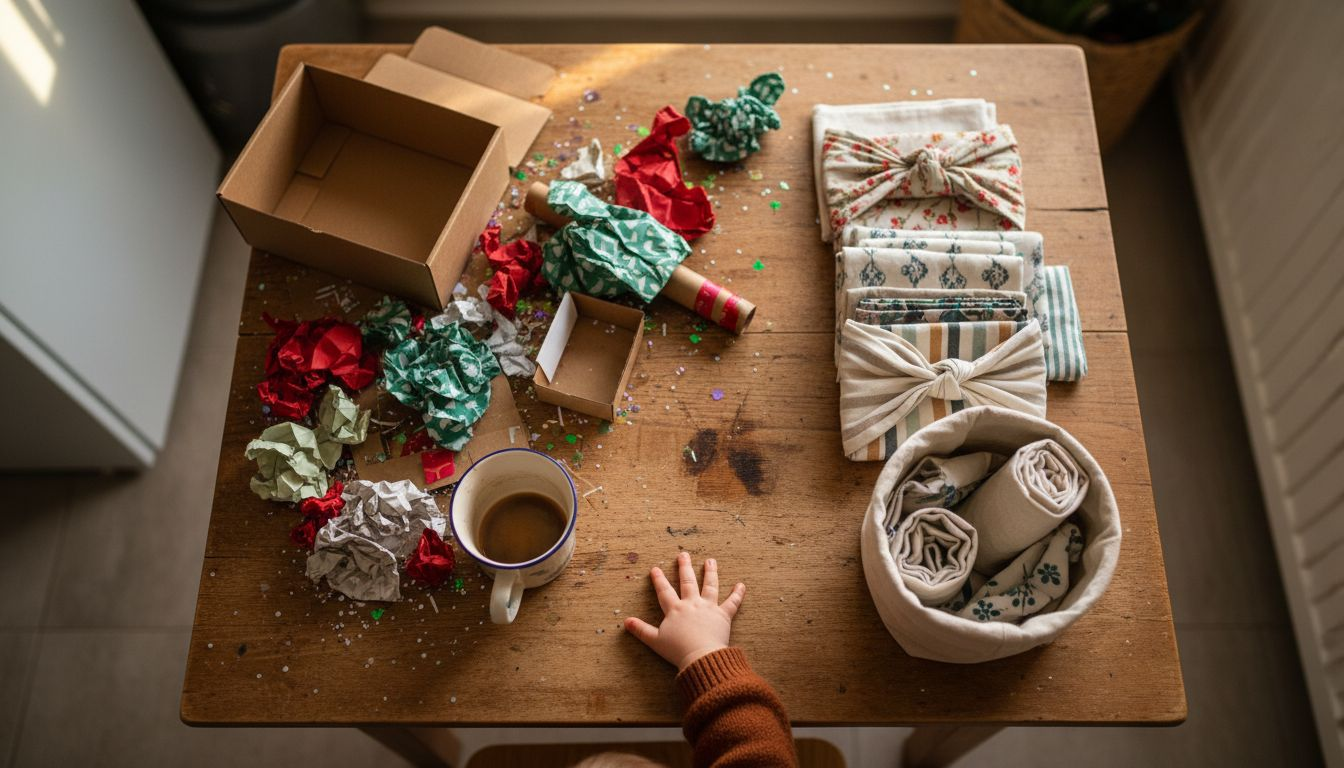
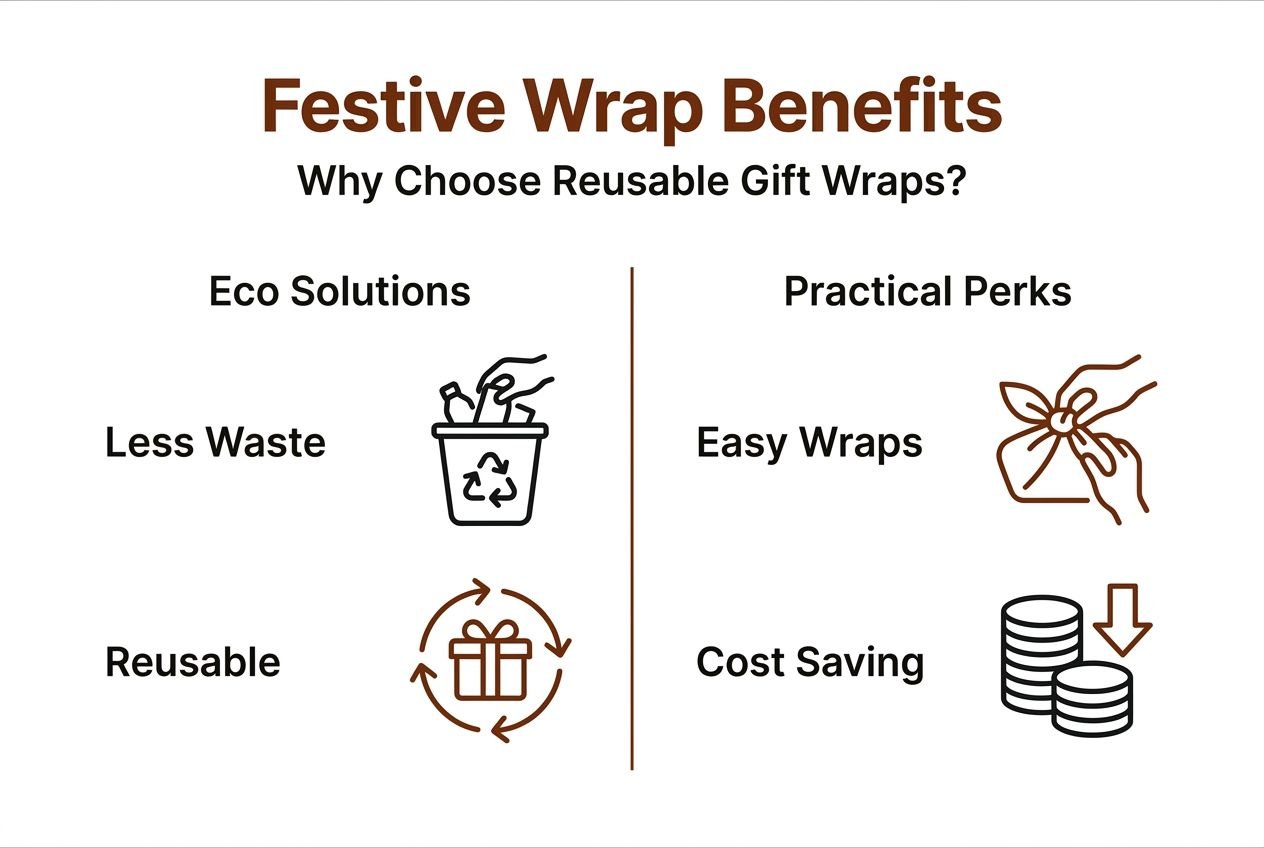
Fabric wraps flip this equation entirely. Lifecycle analysis demonstrates up to 90% resource reduction when choosing reusable options over disposable alternatives. This accounts for manufacturing, transport, and end-of-life disposal across multiple uses.
Environmental advantages extend beyond waste reduction:
- Lower carbon footprint from eliminating repeated paper production
- Reduced water consumption compared to paper manufacturing processes
- Minimal chemical use when selecting organic or recycled fabrics
- Zero contribution to landfill after the gifting moment
“The emotional attachment that grows with personalised, reusable wraps transforms ordinary gifting into memory-making rituals that parents treasure alongside their children.”
A survey of UK parents revealed 72% preferred reusable options for baby gifts specifically because of emotional value. Personalised fabric wraps become keepsakes documenting milestones: the wrap from a first birthday, the fabric that cradled a christening gift, the embroidered name commemorating a new arrival.
Financial benefits surprise many parents initially sceptical about upfront costs. Quality fabric wraps typically cost £8-15 each. Compare this to premium wrapping paper at £3-5 per use. After three occasions, you’ve achieved cost parity. Beyond that, you’re saving money whilst building a collection that serves you for years.
Pro Tip: Calculate your annual wrapping paper spend. Most families discover they purchase 15-20 rolls yearly, spending £50-80 on materials destined for bins. Redirecting that budget toward fabric wraps creates better value within two years.
Materials and techniques used in festive wrap collections
Fabric selection drives both sustainability credentials and baby-safe functionality. Premium collections prioritise materials that balance environmental responsibility with practical durability.
Organic cotton, recycled polyester, and upcycled textiles dominate quality festive wrap collections. Organic cotton offers breathable softness perfect for items touching baby skin. Recycled polyester brings vibrant colours and wrinkle resistance. Upcycled materials reduce waste whilst adding unique character.
Embroidery transforms functional wraps into personalised treasures. Modern techniques allow intricate designs without compromising fabric integrity. Common personalisation elements include:
- Baby names in elegant scripts
- Birth dates commemorating arrivals
- Symbolic motifs like stars, animals, or florals
- Family initials creating heirloom quality
Furoshiki wrapping methods maximise versatility within your collection. This Japanese technique uses simple folds and knots, requiring zero tape or additional materials. The beauty lies in adaptability; one square wrap handles vastly different gift shapes through technique variation.
Basic Furoshiki wrapping steps:
- Place gift diagonally on fabric centre
- Fold bottom corner over gift top
- Bring side corners to centre, tucking edges
- Gather top fabric, twist gently, then tie secure knot
- Arrange fabric folds for visual appeal
These techniques become intuitive with practice. Parents report that wrapping time decreases to under two minutes once familiar with core folds. The process feels meditative rather than rushed, adding mindfulness to gift preparation.
Advanced techniques incorporate handles for larger items or decorative knots that become focal points. Many festive wrap collections include instructional cards demonstrating three or four signature folds, helping you master versatile approaches quickly.
Personalised luxury gift wrapping elevates presentation further through coordinated ribbons, dried flowers, or wooden tags. These natural embellishments complement fabric sustainability whilst adding festive character. The key remains avoiding single-use plastic decorations that contradict your environmental goals.
Common misconceptions about reusable fabric gift wraps
Scepticism around fabric wraps often stems from unfamiliarity rather than genuine drawbacks. Addressing these concerns directly helps parents make informed decisions.
Myth: fabric wraps cost too much. Reality tells a different story. Long-term savings reach approximately 30% after three uses compared to quality disposable options. Initial investment feels higher, but cost per use drops dramatically with each reuse. By year two, most families spend less on wrapping materials overall.
Myth: fabric wraps require excessive maintenance. Truth? Care routines take minimal effort. Proper practice and gentle washing maintain quality without complicated processes. Most wraps tolerate standard washing machine cycles on delicate settings. Air drying preserves fabric integrity better than tumble drying, but even occasional machine drying causes minimal damage.
Maintenance realities:
- Wash every 3-4 uses or when visibly soiled
- Use mild detergent without bleach or harsh chemicals
- Air dry flat or hanging to prevent wrinkles
- Store folded in drawer or breathable container
- Iron on low heat if desired before special occasions
Myth: recipients find fabric wraps awkward or confusing. Experience shows otherwise. Most people appreciate receiving gifts in beautiful fabric they can immediately reuse. Include a small card explaining the wrap’s reusable nature if gifting outside your usual circle. This educates whilst demonstrating your commitment to sustainability.
Myth: wrapping with fabric takes longer than paper. Initial attempts might feel slower, but proficiency develops quickly. Parents familiar with Furoshiki techniques often wrap faster than traditional paper methods because fabric requires no measuring, cutting, or excessive tape.
Consistent use creates familiarity that transforms perceived inconvenience into effortless routine. Your collection becomes as accessible as reaching for wrapping paper once was, except you’re building a reusable resource rather than consuming disposables.
Pro Tip: Start with three or four wraps in complementary designs. This manageable collection lets you build confidence before expanding. As techniques become second nature, you’ll naturally want additional options for variety.
How to care for and use your festive wrap collection
Proper care extends fabric wrap lifespan significantly whilst maintaining appearance. Gentle washing and correct storage preserve wraps beyond five years of regular use.
Essential care steps:
- Shake out debris after unwrapping
- Spot clean minor marks immediately with damp cloth
- Machine wash on delicate cycle using cold or warm water
- Select mild detergent without optical brighteners or bleach
- Air dry completely before folding and storing
- Press with cool iron if wrinkles concern you
Storage practices prevent fraying and premature wear. Fold wraps neatly along original creases when possible. Store in breathable containers or drawers away from direct sunlight. Avoid plastic bags that trap moisture and potentially cause mildew. Cedar blocks nearby naturally repel moths without chemical treatments.
Wrapping techniques suitable for newborn and toddler gifts:
- Basic envelope fold for rectangular boxes
- Diagonal wrap with twisted top for irregular shapes
- Bottle wrap technique for tall cylindrical gifts
- Two-wrap method for oversized items using coordinated fabrics
Premium gift wrapping instructions demonstrate each technique with visual guides, making learning straightforward. Practice with items around your home before wrapping actual gifts. Familiarity with your collection’s drape and stretch characteristics improves results quickly.
| Care Practice | Impact on Longevity | Effort Required |
|---|---|---|
| Regular gentle washing | Extends life 3+ years | Low |
| Proper storage in breathable containers | Prevents fraying and fading | Minimal |
| Avoiding harsh chemicals | Maintains fabric integrity | None (choice of detergent) |
| Air drying instead of machine drying | Preserves elasticity and colour | Low |
| Periodic inspection for wear | Catches damage early for repair | Minimal |
Pro Tip: Rotate your collection regularly rather than favouring specific pieces. This distributes wear evenly, extending the collective lifespan of your entire festive wrap set. Track usage informally to ensure balance.
Storing fabric gift wraps properly prevents common damage like edge fraying or colour bleeding. Roll delicate wraps around cardboard tubes for wrinkle-free storage. Stack sturdier cotton wraps flat with tissue paper between layers if drawer space allows.
Personalisation: making your wraps unique and memorable
Personalisation elevates reusable wraps from practical tools to cherished keepsakes. Embroidery options for names, dates and motifs create lasting emotional connections that transcend typical gift presentation.
Popular personalisation choices include:
- Full baby names in elegant cursive or block lettering
- Birth dates commemorating arrivals, often paired with names
- Zodiac symbols or birthstones representing the child
- Meaningful quotes or phrases about growth and love
- Family crests or initials for multi-generational gifting
The emotional impact surprises many first-time users. When you unwrap a gift bearing your child’s name, the fabric itself becomes part of the memory. Parents report storing personalised wraps alongside baby books, first outfits, and other milestone keepsakes. The wrap documents not just what was given, but the love and thoughtfulness surrounding the gesture.
Personalised wraps naturally promote reuse because recipients value them too highly to discard. They become conversation starters about sustainable choices, often inspiring friends and family to adopt similar practices. This ripple effect extends your environmental impact beyond your own household.
Eco-values and personalisation intersect beautifully. By choosing wraps you’ll treasure and reuse, you demonstrate that sustainability need not sacrifice beauty or sentiment. The investment in quality, personalised pieces reflects commitment to both environmental responsibility and meaningful connection.
Personalised wrapping guides help you select appropriate customisation for different occasions. Birth announcements suit formal script embroidery. First birthday gifts might feature playful motifs. Christening presents often incorporate religious symbols or blessings.
Consider ordering wraps with recipient names when gifting to close family or friends whose children you’ll celebrate repeatedly. This creates a signature presentation style they’ll recognise and appreciate year after year. The wrap becomes synonymous with your thoughtful approach to gifting.
Choosing a festive wrap collection: what to look for
Selecting your ideal collection requires evaluating several key factors that determine both sustainability credentials and practical functionality.
Certifications confirming organic and eco-friendly fabrics provide crucial assurance for baby-safe wrapping. Look for GOTS (Global Organic Textile Standard) certification ensuring organic cotton meets strict environmental and social criteria. OEKO-TEX Standard 100 confirms absence of harmful substances, critical for items potentially touching newborn skin.
Personalisation range varies significantly between brands. Essential questions include:
- What embroidery options exist?
- Can you specify custom text or motifs?
- How long does personalisation add to delivery?
- Does personalisation affect care requirements?
Brand commitment to sustainability extends beyond product materials. Examine manufacturing practices, supply chain transparency, and company values. Brands genuinely invested in environmental responsibility typically share detailed information about sourcing, production methods, and worker conditions.
| Criteria | What to Look For | Why It Matters |
|---|---|---|
| Fabric certification | GOTS, OEKO-TEX, or organic cotton labels | Ensures baby safety and environmental standards |
| Personalisation options | Embroidery, custom text, motif selection | Creates keepsake value and emotional connection |
| Size variety | Multiple dimensions for different gift shapes | Maximises versatility across occasions |
| Care simplicity | Machine washable, durable construction | Determines long-term usability and convenience |
| Brand transparency | Clear sourcing and manufacturing details | Validates genuine sustainability commitment |
| Design cohesion | Coordinated colours and patterns | Allows building versatile collection over time |
Collection size matters for practical use. Starting with four to six wraps in varied sizes covers most newborn and toddler gifting scenarios. Smaller wraps suit clothing items or books. Medium sizes handle typical toy boxes. Larger wraps accommodate bulky items like pushchairs or activity centres.
Colour and pattern selection balances personal taste with versatility. Neutral bases with subtle patterns work across genders and occasions. Bolder designs add personality but may feel less universally applicable. Many families maintain both categories, selecting based on specific gifting contexts.
Price points reflect quality differences worth understanding. Budget options under £5 per wrap often use thinner fabrics that show wear quickly. Mid-range wraps (£8-12) typically offer better durability with attractive designs. Premium selections (£15+) feature superior materials and detailed embroidery but may exceed practical needs for most families.
Consider your gifting frequency when choosing collection size. Families attending numerous baby celebrations might invest in eight to ten wraps for rotation. Those gifting occasionally can start smaller, expanding as needs become clearer through use.
Explore baby & beyond festive wrap collections
Finding sustainable gifting solutions that genuinely align with eco-conscious values requires partnering with brands committed to environmental responsibility and quality craftsmanship.
Nicholas & Rose offers curated festive wrap collections specifically designed for newborns and toddlers through their Baby & Beyond range. Each wrap features organic fabrics certified safe for sensitive baby skin, combined with personalisation through elegant embroidery that transforms presentation into lasting keepsakes.
Their collections solve the common dilemma facing eco-conscious parents: how to celebrate life’s precious moments without contributing to environmental waste. By choosing reusable fabric wraps, you’re investing in both sustainability and memory-making.
Explore their complete range alongside expert guides on sustainable gift wrap solutions and personalised wrapping techniques that enhance your gifting experience. These resources help you maximise value from your collection whilst developing confident wrapping skills.
Frequently asked questions
What is a festive wrap collection?
A festive wrap collection comprises curated sets of reusable fabric gift wraps designed specifically for celebrating newborns and toddlers. These collections focus on sustainable materials, baby-safe designs, and personalisation options that create keepsake value beyond single-use presentation. Unlike disposable paper, festive wraps serve repeatedly across multiple occasions whilst maintaining aesthetic appeal and durability.
Are reusable fabric wraps hygienic for baby gifts?
Yes, proper gentle washing maintains excellent hygiene standards suitable for baby use. Certified organic fabrics contain no harmful chemicals that might contact sensitive newborn skin. Regular cleaning between uses ensures wraps remain fresh and safe, meeting the same standards you’d apply to baby clothing or bedding.
Can personalised wraps really become keepsakes?
Absolutely. Embroidered names, dates, or meaningful motifs transform wraps into tangible memories parents treasure alongside other milestone markers. Many families store personalised wraps in memory boxes, documenting the celebrations and love surrounding their child’s early years. The emotional attachment enhances both giving and receiving experiences significantly.
How do fabric wraps compare cost-wise to disposable paper?
Initial investment runs higher, but reusable wraps save approximately 30% over time through repeated use. After three occasions, you’ve typically achieved cost parity with premium disposable options. Beyond that point, every subsequent use represents pure savings whilst eliminating ongoing purchasing needs and waste disposal.
How long do quality reusable wraps last with proper care?
With gentle washing and correct storage, quality fabric wraps maintain excellent condition beyond five years of regular use. Some families report wraps serving through multiple children’s celebrations, becoming family traditions passed between siblings. Durability depends on fabric quality, care consistency, and usage frequency, but well-maintained collections easily provide 20-30 uses or more.
Recommended
- Custom Festive Wrap: Sustainable Luxury for Gifting – Nicholas & Rose Limited
- 7 Steps to a Gift Wrap Sustainability Checklist for Parents – Nicholas & Rose Limited
- What Is Reusable Festive Wrap? Complete Guide UK – Nicholas & Rose Limited
- Sustainable Christmas Wrapping: A Luxurious Eco Choice – Nicholas & Rose Limited
- The Best Eco-Friendly Gifts for Newborns and Conscious Parents
- Eco-Friendly Wardrobe Guide for a Stylish Vegan Look – The Cork Store