

Artisanal wrapping: eco-friendly gift solutions for UK parents
TL;DR:
- Artisanal wrapping uses natural, reusable, and recyclable materials instead of traditional single-use paper.
- Furoshiki and fabric wraps offer zero-waste, versatile, and personal gift-wrapping options.
- Thoughtful, eco-friendly wrapping adds emotional value and sustainability to family milestones.
Each year, the wrapping paper torn open at baby showers and toddler birthday parties across the UK adds to a staggering pile of waste. In fact, 108 million rolls of wrapping paper and 40 million rolls of tape head to landfill annually, much of it non-recyclable due to glitter and plastic coatings. For eco-conscious parents, this is more than a statistic. It is a quiet dissonance felt every time a beautifully wrapped gift is torn open in seconds, leaving a crumpled heap destined for the bin. Artisanal wrapping offers something entirely different: a considered, graceful alternative that honours both the gift and the planet.
Table of Contents
- The basics of artisanal wrapping
- How furoshiki and reusable fabrics transform gift wrapping
- Personalising wraps for baby showers and toddler celebrations
- Practical solutions for tricky shapes and sustainable wrapping pitfalls
- Why artisanal wrapping matters for UK families: a fresh perspective
- Discover sustainable wraps for every milestone
- Frequently asked questions
Key Takeaways
| Point | Details |
|---|---|
| Eco-friendly materials | Artisanal wrapping relies on recycled paper, natural fibres, and reusable fabrics to minimise environmental impact. |
| Furoshiki technique | Furoshiki uses fabric wrapping for a zero-waste, beautiful gift presentation, ideal for UK eco-parents. |
| Customisation opportunities | Personal touches like plantable tags and hand-stamped kraft make artisanal wraps memorable and useful beyond gifting. |
| Solutions for tricky shapes | Artisanal methods such as burrito-style and custom sewing make sustainable wrapping possible for any object. |
| Emotional impact | Artisanal wrapping creates lasting memories, connects families, and aligns with sustainability values. |
The basics of artisanal wrapping
Wrapping paper has always carried a kind of theatre about it, that rustle of anticipation, the careful crease of a fold. Yet the tradition of single-use paper wrapping is one we have inherited without much question. Artisanal wrapping invites you to pause and reconsider, choosing materials and methods that are as beautiful in their intention as they are in their appearance.
At its heart, artisanal wrapping simply means choosing materials and techniques that prioritise sustainability, craftsmanship, and lasting value over disposability. Whereas traditional wrapping paper is often laminated, dyed with non-water-soluble inks, or coated in plastic glitter, artisanal alternatives use natural, honest materials that can be composted, recycled, or reused entirely.
Common materials used in artisanal wrapping include:
- Recycled and unbleached kraft paper, which holds a crisp hand-feel and biodegrades cleanly
- Natural fibres such as hemp, mulberry, and organic cotton, which drape with quiet elegance
- Jute twine and dried botanicals for embellishment, in place of synthetic ribbon
- Reusable fabric squares in gauze, linen, or woven cotton, ideal for the furoshiki technique
- Plantable seed paper tags, which become wildflowers or herbs once placed in soil
Sustainable artisanal wrapping uses these eco-friendly materials alongside thoughtful techniques that eliminate waste at every stage. The difference is visible and tactile. Where conventional wrapping paper often arrives flat and forgettable, artisanal wrapping carries a warmth and intention that the recipient immediately notices.
It is worth comparing the two approaches side by side to appreciate the distance between them:
| Feature | Traditional wrapping paper | Artisanal wrapping |
|---|---|---|
| Material origin | Virgin wood pulp, plastic coatings | Recycled paper, natural fibres, organic fabric |
| Recyclability | Often non-recyclable | Fully recyclable or reusable |
| Visual impact | Bright, uniform, disposable | Tactile, bespoke, memorable |
| Lifespan | Single use | Multiple uses or heirloom quality |
| Embellishment | Synthetic ribbon, plastic bows | Jute twine, dried flowers, wax seals |
| Environmental footprint | High | Significantly reduced |
“Traditional paper offers instant theatre but generates massive waste. Artisanal reusable fabric provides ceremony, reusability as a scarf or napkin, and sustainability without sacrificing beauty.”
For parents welcoming a new baby or celebrating a toddler’s milestone, this distinction carries real emotional weight. The fabric gift wrap you choose for a first birthday becomes a keepsake in its own right, something to fold away gently rather than discard. For any parent beginning to think about their gifting choices, consulting a parents’ sustainability checklist is a gentle and practical place to start.
How furoshiki and reusable fabrics transform gift wrapping
The word furoshiki (pronounced foo-roh-shee-ki) comes from Japan, where the practice of wrapping objects in cloth dates back centuries. The technique involves folding and knotting a square piece of fabric around a gift, creating a secure, beautiful parcel without a single strip of tape. It is elegantly simple, and yet the results can be extraordinarily refined.
Furoshiki wraps gifts in reusable square fabric, typically organic cotton or gauze, using folding and knotting alone, making it ideal for odd shapes and entirely zero-waste. For a baby shower gift, imagine a soft organic cotton square in a muted sage green, knotted gently over a set of wooden toys, its folds falling with the quiet grace of a morning garden. It requires no scissors, no tape, no wasted offcuts.
The practical advantages of furoshiki wrapping are considerable:
- Accommodates irregular shapes with ease, from baby bath toys to stacking cups and musical instruments
- No adhesive required, making the entire wrap reusable by the recipient
- The fabric itself becomes part of the gift, usable as a swaddling cloth, a pram blanket, or a play mat
- Available in a range of sizes to suit everything from a small trinket to a large toddler toy
- Deeply personal when chosen in a pattern or colour that reflects the recipient’s nursery palette
Beyond the technique itself, the emotional experience of receiving a furoshiki-wrapped gift is unlike anything a paper parcel can offer. Artisanal wrapping elevates gifting to emotional storytelling, aligning perfectly with eco-parents’ values through reusable, personalised, UK-sourced options. When a guest at a baby shower presents a gift wrapped in hand-dyed cotton, it signals not simply care but genuine thought and commitment.
Pro Tip: When choosing a furoshiki fabric for a newborn gift, opt for double-layer gauze or organic muslin. These fabrics are soft enough to use as a swaddling cloth immediately, giving the wrap a second life from the very moment the gift is opened.
| Fabric type | Best for | Reuse after gifting | Available UK sourcing |
|---|---|---|---|
| Organic cotton | Baby showers, milestone gifts | Swaddling, napkins, face cloths | Nicholas & Rose, specialist eco shops |
| Gauze (muslin) | Newborn gifts, delicate items | Swaddling, bath cloths | Independent makers, online artisan markets |
| Linen | Toddler gifts, birthday presents | Napkins, scarves, table runners | UK linen suppliers, sustainable fabric brands |
| Hemp blend | Robust toys, larger gifts | Tote bags, reusable pouches | Eco lifestyle brands, zero-waste retailers |
If you are new to the technique, a clear and approachable furoshiki wrapping guide will walk you through every fold with confidence, whether you are wrapping a tiny rattle or an armful of picture books.
Personalising wraps for baby showers and toddler celebrations
One of the most quietly radical things about artisanal wrapping is that it transforms the outer layer of a gift into something the recipient might treasure as much as what is inside. For baby showers and toddler milestones, this quality of personalisation is particularly meaningful. A wrap embroidered with a newborn’s name, or hand-stamped with a delicate floral motif, becomes a memento that parents return to again and again.
For baby showers and toddler events, reusable organic cotton or gauze furoshiki in soft patterns, hand-stamped kraft, and plantable tags are all beautifully suited to swaddling reuse. Each of these elements carries its own quiet charm, and the combination of them creates a gifting ritual that feels genuinely ceremonial.
Ways to personalise your artisanal wrap for family milestones:
- Embroidery: A name, a birth date, or a small motif stitched in fine thread onto a fabric wrap creates an heirloom piece that can be framed or folded into a keepsake box
- Hand-stamped kraft paper: Natural rubber stamps pressed in botanical inks add a handcrafted, tactile quality to recycled paper layers
- Plantable seed paper tags: These small, earth-coloured labels carry the baby’s name or a short message and, when placed in soil after the celebration, grow into wildflowers or herbs
- Custom fabric choice: Selecting a pattern that echoes the nursery’s colours or the family’s aesthetic shows a depth of attention that no shop-bought wrap can replicate
- Dried botanical trim: Sprigs of dried lavender, rosemary, or eucalyptus tied with jute twine add a sensory dimension, a gentle fragrance that lingers when the gift is opened
The idea of a wrap as a keepsake is one that many families have not yet considered, but once experienced, it reshapes the entire gifting occasion. A fabric square embroidered with “Arthur, 14th February 2026” does not get folded into a recycling bag. It gets tucked into a memory box, brought out on birthdays, and eventually, perhaps, passed on.
A gift wrap that carries a name and a date is no longer packaging. It is a letter that needs no envelope.
Pro Tip: If you are giving a personalised embroidered wrap as part of a baby shower gift, order it at least three weeks in advance. Quality embroidery takes time, and that patience is part of what makes the gift so extraordinary. For inspiration, explore sustainable embellishment tips tailored specifically to family milestones.
For those seeking a broader view of thoughtful, eco-luxury gift wrap options available to UK families, there is a wealth of considered choices that balance beauty with genuine environmental responsibility.
Practical solutions for tricky shapes and sustainable wrapping pitfalls
Even the most enthusiastic artisanal wrapper will eventually face a gift that resists every elegant fold. A set of wooden windchimes, an oddly proportioned toddler ride-on, or a plush toy with ears that refuse to be contained. These moments do not require a surrender to plastic bags or mountains of tissue. They simply require a little creative strategy.
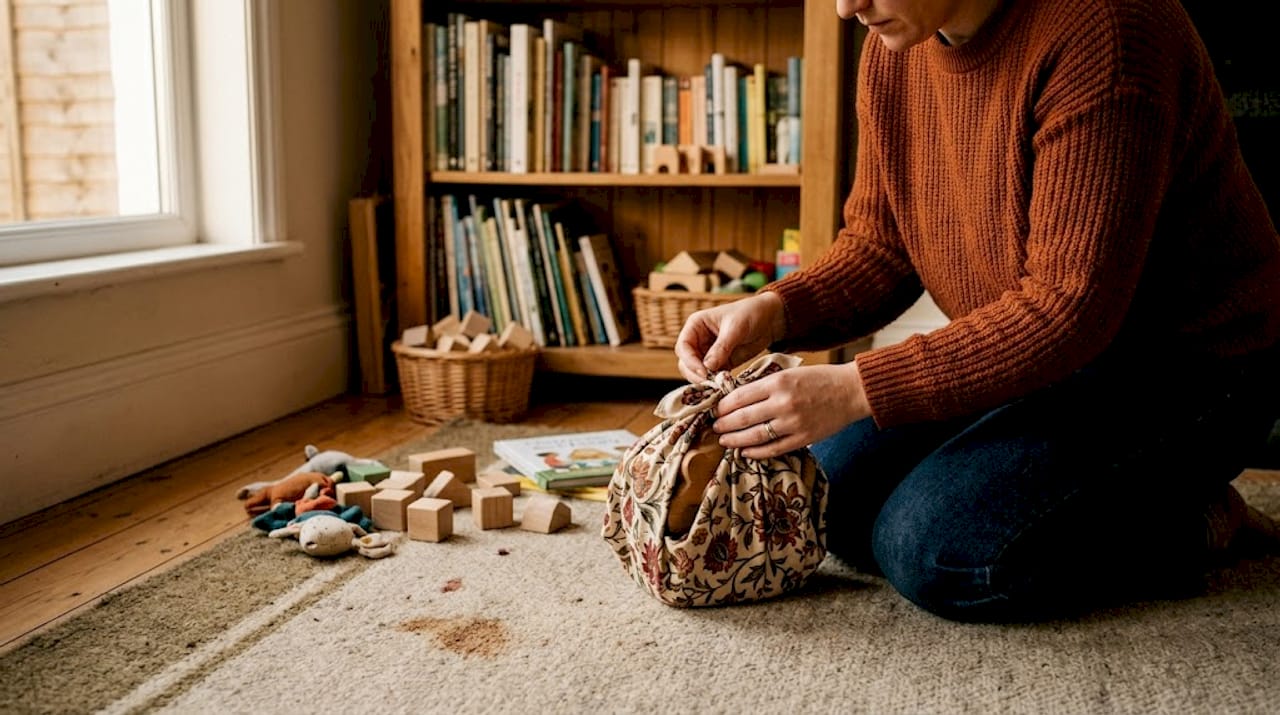
Awkward shapes such as windchimes can be wrapped burrito-style, first cushioned with tissue or natural padding, then rolled within kraft paper or a large fabric square, finished with jute twine. The result is sculptural and handsome, more interesting visually than a standard rectangular parcel. For more complex or unusually shaped gifts, custom-sewn fabric pouches are another considered option, requiring slightly more preparation but yielding a vessel that the recipient can use long after the gift has been unwrapped.
Step-by-step approach for awkward shapes:
- Begin with a layer of natural tissue paper or unbleached cotton muslin to cushion the gift and define its outline
- Choose your outer layer, either a large furoshiki square, a length of recycled kraft, or a custom sewn pouch
- For fabric: centre the gift, draw up the corners, and knot them securely above the gift, adjusting the folds to drape neatly
- For paper: roll the gift within the paper diagonally, burrito-style, tucking ends firmly and securing with jute twine or a beeswax seal
- Embellish with a sprig of dried botanicals, a handwritten tag on recycled card, or a small wax seal impressed with a floral stamp
Avoiding the most common sustainability pitfalls:
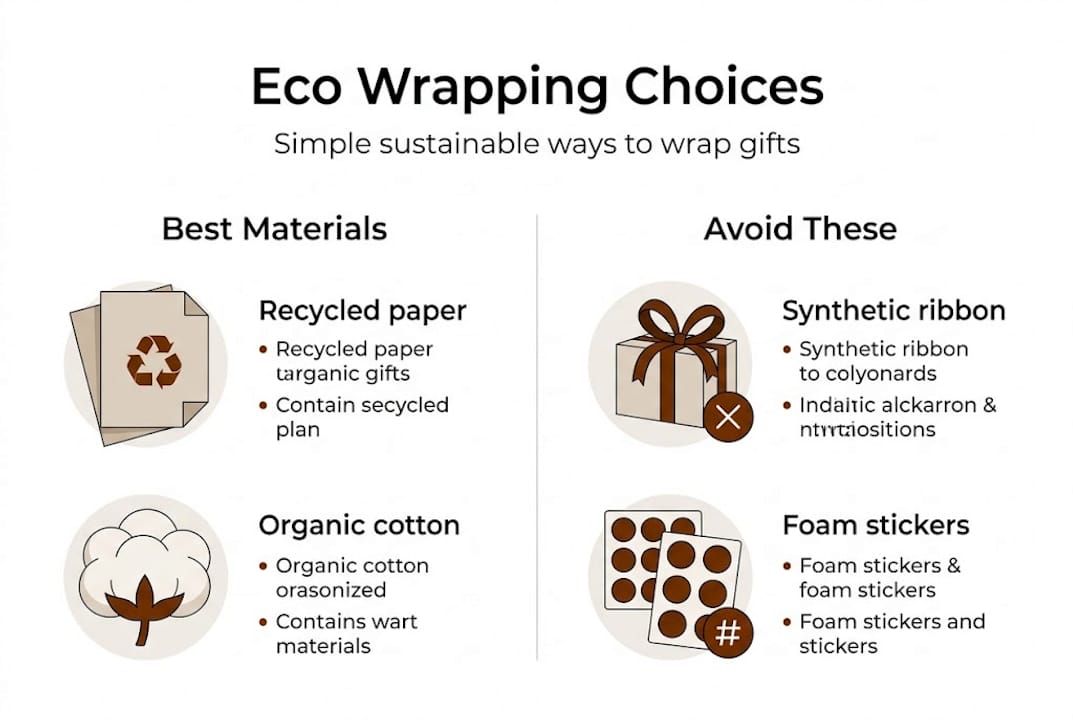
Many parents assume that if wrapping paper looks natural, it is recyclable. This is one of the most widespread misunderstandings in sustainable gifting. Much UK wrapping paper is non-recyclable due to glitter or plastic coatings, meaning it cannot be processed by standard kerbside recycling collections. The scrunch test is a useful guide: if a piece of paper springs back when scrunched, it likely contains plastic and should not go in the recycling bin.
Avoid foil papers, glitter coatings, holographic finishes, and any paper laminated with plastic film. These all contaminate recycling streams and will end their days in landfill regardless of how thoughtfully they were chosen.
Pro Tip: Before purchasing any artisanal wrap ingredient, run a quick search for eco-friendly wrap tips specifically tailored to UK parents. Understanding which materials are kerbside recyclable in your area prevents well-intentioned choices from inadvertently creating more waste.
Other pitfalls include the use of synthetic ribbon, which cannot be recycled or composted, and foam stickers, which are entirely plastic-based. Replacing these with jute twine, linen ribbon, beeswax seals, and paper-based labels is a simple swap that meaningfully reduces the footprint of every gift you wrap.
Why artisanal wrapping matters for UK families: a fresh perspective
There is a conversation happening in sustainable circles that rarely reaches the wrapping table: the false idea that you must choose between a beautiful gift and an ethical one. It is as though aesthetics and sustainability are two separate rivers that can never meet. From where we stand, that simply is not true.
Artisanal wrapping is not a sacrifice. It is, in many ways, a return to something richer. When you choose a fabric wrap embroidered with a child’s name, you are not giving less. You are giving more, more intention, more craft, more meaning. The wrapping becomes part of the story of that gift, something a parent might describe years later when they find it folded in a drawer.
For UK families especially, there is a growing culture of circular gift wrapping that recognises the emotional and environmental value of keeping beautiful things in use. A fabric wrap that travels from baby shower to first birthday to second Christmas is not just eco-friendly. It is a gentle form of family history. That is what we believe artisanal wrapping can be, not a trend but a lasting and tender ritual.
Discover sustainable wraps for every milestone
If this article has stirred something in you, a wish to wrap more thoughtfully, to give more meaningfully, we warmly invite you to explore what is possible.
Nicholas & Rose’s 2026 newborn and toddler range brings together everything we have discussed: reusable organic fabric wraps, personalised through fine embroidery with names, dates, and bespoke motifs, designed to outlast the celebration and become something cherished. Our baby and toddler wraps are crafted with UK families in mind, with softness, sustainability, and heirloom quality at their heart. Browse our full collection of milestone celebration wraps and discover a wrap that becomes as treasured as the gift it holds.
Frequently asked questions
What materials are best for artisanal wrapping to ensure sustainability?
Recycled papers, natural fibres such as hemp or mulberry, jute twine, and reusable organic cotton fabrics are the gold standard for genuinely sustainable artisanal wrapping. These materials are either compostable, recyclable, or designed to be used again and again.
How does furoshiki wrapping help reduce waste?
Furoshiki eliminates single-use paper and tape entirely by using a folded, knotted fabric square that the recipient can keep and reuse as a cloth, scarf, or swaddling wrap. There is nothing to discard once the gift is opened.
Are artisanal wraps suitable for awkward or large-shaped gifts?
Yes, burrito-style wrapping techniques and custom-sewn fabric pouches handle irregular shapes beautifully, making artisanal methods genuinely versatile for everything from stacking toys to musical gifts.
Can artisanal wraps be reused after gifting?
Absolutely. Reusable fabric wraps serve naturally as scarves, napkins, swaddling cloths, or decorative table runners, meaning the wrap itself continues its life with grace long after the celebration ends.
Is all UK wrapping paper recyclable?
No. A significant portion of UK wrapping paper contains glitter, foil, or plastic coatings that make it entirely non-recyclable, sending it directly to landfill even when placed in a recycling bin with good intentions.
Recommended
- Sustainable gift wrap UK: Eco-friendly tips for parents – Nicholas & Rose Limited
- Luxurious eco wrapping ideas for UK newborn gifts – Nicholas & Rose Limited
- Sustainable gift wrap for UK parents: ditch the paper – Nicholas & Rose Limited
- Eco-conscious holiday checklist: sustainable gifts for UK parents – Nicholas & Rose Limited